




Quick answer
A dedicated circuit serves one appliance from its own breaker with nothing else connected. The NEC requires one for electric ranges, ovens, cooktops, dryers, water heaters, air-conditioning condensers, air handlers and furnaces, EV chargers, pool and spa equipment, and usually dishwashers, disposals and microwaves. Kitchens, laundry rooms, bathrooms and garages also get their own 20-amp receptacle circuits that cannot serve other rooms.
When the microwave and the toaster cannot run at the same time, or the garage freezer keeps tripping the breaker that also feeds the bathroom, the missing piece is almost always a dedicated circuit. It is one of our most common jobs in Missouri City, TX, Katy, Friendswood and Richmond, and one of the least understood, because homeowners tend to think of circuits as something a builder decided once.
This guide lists the appliances that require a dedicated circuit under the 2023 NEC as adopted in Texas, explains how each is sized, walks through kitchen remodel planning, covers the shared-neutral multiwire circuits in older homes, and lays out what moves the cost and when the work needs a licensed electrician.
Key Takeaways
- A dedicated circuit feeds one appliance from one breaker; it exists so that appliance can never be overloaded by anything else.
- Ranges, ovens, dryers, water heaters, HVAC equipment, EV chargers and pool pumps always get dedicated circuits sized from their nameplates.
- Kitchens need at least two 20-amp small-appliance circuits, and laundry rooms, bathrooms and garages each need their own 20-amp receptacle circuit.
- Continuous loads such as EV chargers may use only 80 percent of the breaker rating, so a 40-amp charger needs a 50-amp circuit.
- Older shared-neutral multiwire circuits must have handle-tied or two-pole breakers and pigtailed neutrals to be safe.
- Adding a circuit in Texas is permitted, inspected work for a licensed electrician; it also requires panel space and service capacity.
What is a dedicated circuit?
A dedicated circuit runs from its own breaker to a single appliance or a single receptacle for that appliance, with no other outlets, lights or equipment connected. The NEC calls this an individual branch circuit. The breaker, wire size and often the receptacle type are chosen for that one load.
There are two reasons an appliance gets one. The first is capacity: a dishwasher that draws most of a 15-amp circuit cannot share with a microwave that does the same, so sharing leads to nuisance trips. The second is the appliance itself: compressor and pump motors draw a large inrush at start, and the electronics in modern appliances are sensitive to the voltage sag that comes from sharing a circuit with heavy loads.
Dedicated circuits are separate from room circuits, which also have rules. A kitchen's small-appliance circuits, a laundry room's receptacle circuit and a bathroom's 20-amp circuit are not dedicated to one appliance, but they are restricted to those rooms and cannot feed lighting or other spaces. Both come up when a breaker trips repeatedly; the diagnosis side is in why does my breaker keep tripping.
Which appliances require a dedicated circuit?
Under the 2023 NEC as adopted in Texas, plus manufacturer instructions the code makes mandatory, these loads get their own circuit:
240-volt appliances, always dedicated
- Electric range, wall oven and cooktop
- Electric clothes dryer
- Electric water heater, tank or tankless
- Air-conditioning condenser and heat pump
- Air handler, electric furnace or heat strips
- Level 2 EV charger
- Pool pump, pool heater, spa and hot tub
- Well pump and large shop equipment
120-volt appliances, dedicated by code or by the manufacturer
- Dishwasher
- Garbage disposal
- Built-in or over-the-range microwave
- Refrigerator and freezer, including the garage freezer
- Gas furnace or gas water heater with electronic ignition and blower
- Washing machine, on the laundry circuit
Room circuits that cannot serve anything else
- At least two 20-amp small-appliance circuits for kitchen, dining and pantry receptacles
- One 20-amp laundry receptacle circuit
- One 20-amp bathroom receptacle circuit
- One 20-amp garage receptacle circuit
Not required but recommended: a dedicated 20-amp circuit for a home office with a desktop computer, monitors and a laser printer, one for a workshop bench, and one for medical equipment such as an oxygen concentrator. The Local Electrician adds these through our dedicated circuit installation service.
How is a dedicated circuit sized?
The appliance's nameplate decides. It lists voltage, amperage or wattage, and for HVAC equipment the minimum circuit ampacity and maximum overcurrent protection. An electrician works from those numbers in three steps.
- Apply the continuous-load rule. A load that runs three hours or more, such as an EV charger, water heater or pool pump, may use only 80 percent of the circuit rating. A 40-amp EV charger therefore needs a 50-amp circuit; a 48-amp charger needs 60 amps.
- Match the wire to the breaker. 12 AWG copper for 20 amps, 10 AWG for 30, 8 AWG for 40, 6 AWG for 50 or 55 depending on terminations. Long runs through a Houston attic may be upsized for voltage drop and heat.
- Add the protection the location requires. Dishwasher, garage, laundry, outdoor, bathroom and, under the 2023 NEC, all kitchen receptacle circuits need GFCI. Living-area 120-volt circuits need AFCI, so a kitchen or laundry circuit typically gets a dual-function breaker. Receptacle-connected EV chargers need GFCI as well.
Two details homeowners rarely expect. A 240-volt appliance needs a two-pole breaker that takes two panel spaces, so a full panel may need consolidation or a subpanel first. And new range and dryer circuits must be four-wire; the three-wire receptacles in pre-1990s homes may remain, but anything new gets a separate ground.
How do you plan the circuits for a kitchen remodel?
A kitchen remodel is the most circuit-dense project in a house, and getting the plan right before the drywall goes up saves opening it again. A modern kitchen in a Katy or Pearland home typically needs:
- Two or more 20-amp small-appliance circuits for the countertop receptacles, placed so no point along the counter is more than two feet from one, all GFCI-protected.
- A 40- or 50-amp, 240-volt circuit for the range, or separate circuits for a cooktop and wall oven.
- A dedicated 20-amp circuit for the dishwasher, with GFCI.
- A dedicated circuit for the disposal, or a shared dishwasher-disposal circuit only where both manufacturers permit it.
- A dedicated 20-amp circuit for the microwave.
- A dedicated 20-amp circuit for the refrigerator, so a tripped counter GFCI never thaws the freezer.
- A lighting circuit separate from the receptacle circuits, so a tripped appliance never leaves you in the dark.
The mistakes we correct most in remodels: the refrigerator left on a counter circuit, a 15-amp circuit reused for the counters, and a new induction range on the old 30-amp circuit. Receptacle placement rules are in outlet spacing rules for every room, and GFCI details in GFCI outlets: where required, installation, testing. An all-electric kitchen can push a 100-amp service past its limit, so a load calculation comes before the circuit plan.
What are multiwire branch circuits and why do shared neutrals matter?
Many kitchens in 1970s through 1990s Houston-area homes were wired with a multiwire branch circuit: two hot conductors on opposite legs of the 120/240-volt service sharing one neutral. Done correctly, it is a legitimate way to run two circuits with one cable. Done incorrectly, it is one of the more dangerous conditions we find.
The hazards:
- An open shared neutral puts the two circuits in series across 240 volts. Electronics on the lightly loaded side can see far more than 120 volts and fail or catch fire.
- Both hots on the same leg, often after a breaker is moved during a repair, means the neutral carries the sum of both currents and can overheat.
- One breaker off, the other on leaves the shared neutral live while someone works on a dead circuit.
What the code requires, and what an electrician checks in an older kitchen:
- The two breakers must be a two-pole breaker or two single-poles with an identified handle tie, grouped at the panel, so both open together.
- The neutral must be pigtailed at every receptacle and junction, so removing one device never opens the neutral for the other circuit.
- Where GFCI or AFCI protection is now required, a two-pole GFCI or AFCI breaker, or a split into two separate circuits, is needed.
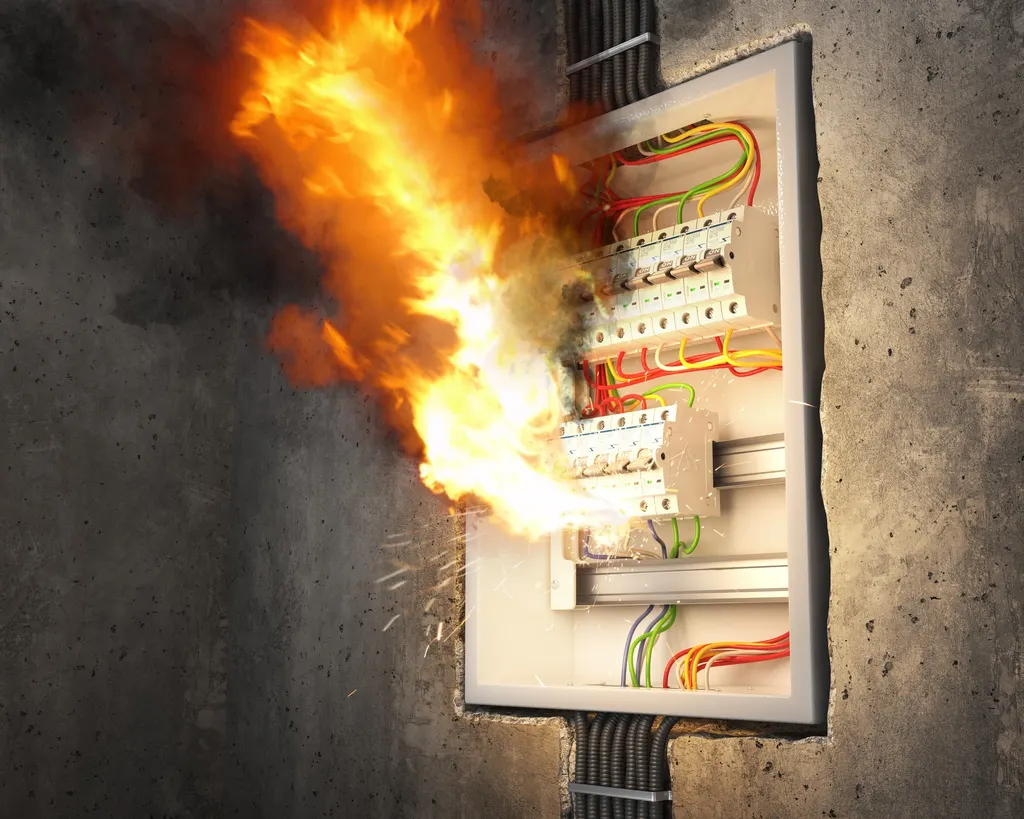
Lights that brighten when another appliance starts, electronics that fail in a cluster, or scorched neutral insulation at a receptacle are a stop-and-call condition.
Dedicated Circuits in Missouri City, Katy and Friendswood Homes
Local housing stock drives the requests we see. In the 1970s and 1980s sections of Missouri City such as Quail Valley, and in the older neighborhoods of Katy and Friendswood, TX, kitchens were wired with one or two circuits for a refrigerator, a range and a toaster. Today those kitchens hold a microwave, an air fryer, an espresso machine and a second refrigerator, and the breaker trips every Saturday morning. In 2000s homes in Sienna, Riverstone and Cinco Ranch the kitchen is usually fine, and the request is an EV circuit, a garage freezer circuit, or a home-office circuit.
Three local factors shape how we run them:
- Slab foundations and attic runs. With no basements, a new circuit goes up into the attic and back down a wall. Attic temperatures above 130°F mean the cable is sized for heat and the work is scheduled for summer mornings.
- Garage freezers and GFCI. Required garage GFCI protection plus a hot garage and an aging compressor can produce nuisance trips. A dedicated circuit with the right GFCI breaker resolves most of them.
- Service capacity. A 100-amp home adding an EV charger and an electric range needs a load calculation first.
Every new circuit is permitted and inspected, by the city inside city limits and by Fort Bend, Harris or Galveston County outside them.
What affects the cost of adding a dedicated circuit?
The circuit itself is simple; the path from the panel to the appliance is what varies. The main factors:
- Distance and route. A garage circuit next to the panel is a short job. A kitchen island circuit across a two-story house runs through the attic, down a wall and under cabinets.
- 120 or 240 volts, and amperage. Heavier conductors, two-pole breakers and four-wire receptacles cost more than a 20-amp, 120-volt circuit.
- Protection type. AFCI, GFCI and dual-function breakers, or two-pole GFCI breakers for spas and EV chargers, are a meaningful share of the material cost.
- Panel space. If the panel is full, consolidating circuits or adding a subpanel comes first.
- Access. Finished walls may need openings and patching; attic access and insulation depth affect labor.
- Service capacity. A circuit that pushes the calculated load past the service rating becomes a service upgrade; the method is in load balancing and load calculations for home circuits.
- Permit and inspection fees, which differ by city and county.
Several circuits added in one visit cost less per circuit than separate trips, so we ask about the next few years of plans before quoting. The Local Electrician prices the work up front, and financing is available for larger projects such as kitchen remodels or EV circuits combined with a panel upgrade.
Can you add a dedicated circuit yourself?
In Texas, adding a branch circuit is work for a licensed electrical contractor, permitted and inspected everywhere we serve. The work touches the panel bus, which is live with the cover off even when the main is switched off, and the mistakes in homeowner-added circuits are consistent: the wrong breaker for the wire, a breaker not listed for the panel, missing AFCI or GFCI protection, overfilled boxes, and shared neutrals created by accident.
What you can do yourself is useful and safe:
- Note which appliances trip breakers and when; the pattern tells an electrician whether you need a circuit or a repair.
- Read the nameplates on appliances you plan to buy, especially ranges, EV chargers and tankless water heaters.
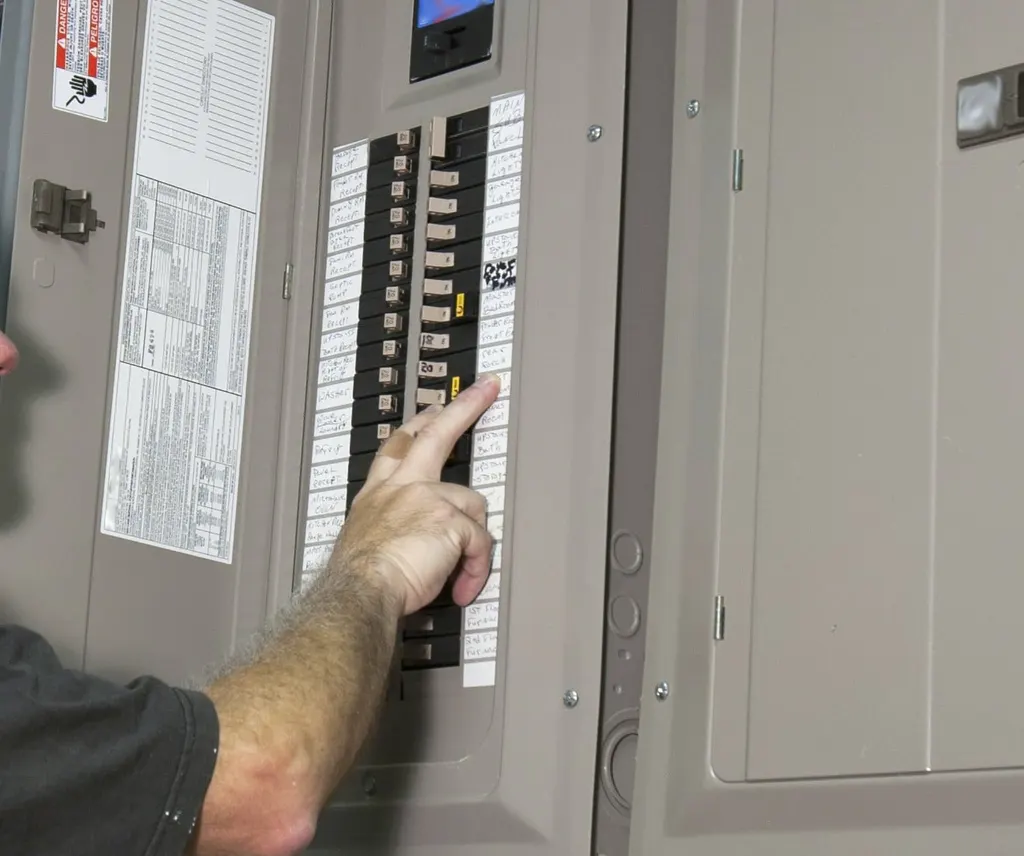
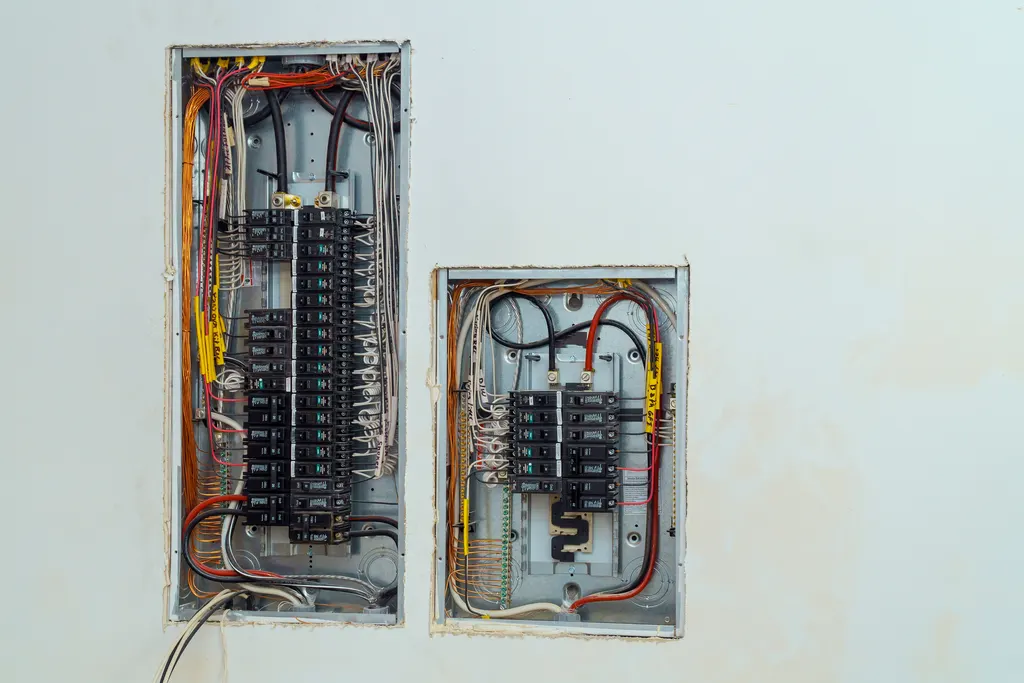
- Map the panel so empty spaces are known before the visit.
Call a licensed electrician when a breaker trips repeatedly on a kitchen, laundry or garage circuit, when you are buying a 240-volt appliance or EV charger, when a remodel moves appliances, or when you find scorched neutrals, a hot receptacle or lights that brighten when something else turns on. The Local Electrician adds dedicated circuits across Fort Bend County and the Clear Lake area; call 832-271-1167 and our panel and breaker team will confirm the panel has the space and the service has the capacity before any wire is pulled.
Frequently Asked Questions
What is a dedicated circuit and why does an appliance need one?
A dedicated circuit runs from its own breaker to one appliance with nothing else connected. Heavy or motor-driven appliances such as ranges, dryers, dishwashers, microwaves and refrigerators draw enough current that sharing a circuit causes nuisance trips, voltage sag and overheated wiring. The NEC and manufacturers require dedicated circuits for most of them so each appliance has its full rated supply.
Does a refrigerator need a dedicated circuit?
The NEC permits a refrigerator on the kitchen small-appliance circuits or on its own individual 15- or 20-amp circuit, and most manufacturers and electricians recommend the dedicated option. A refrigerator on its own circuit is not affected when a counter GFCI or an overloaded small-appliance circuit trips, which matters most for a garage freezer in a Houston summer.
Does a microwave need its own circuit?
Built-in and over-the-range microwaves almost always do; the manufacturer's instructions call for a dedicated 20-amp circuit, and the NEC makes those instructions mandatory. A small countertop microwave may plug into a kitchen small-appliance circuit, but because it draws most of a 15- or 20-amp circuit while running, pairing it with a toaster or coffee maker on the same circuit is the classic cause of kitchen breaker trips.
What equipment should be on a dedicated circuit in a home office?
The code does not require one, but a dedicated 20-amp circuit for a home office is worth adding when it holds a desktop computer, multiple monitors, a laser printer, a network rack or any medical equipment. Laser printers and space heaters are the usual culprits when an office shares a bedroom circuit. Put sensitive electronics on a surge-protected strip as well, and consider a whole-home surge protector at the panel.
How can Missouri City or Katy residents add a dedicated circuit?
Call a licensed electrician with the appliance nameplate information and the location. The electrician checks panel space and service capacity, pulls the permit from the city or county, runs the circuit through the attic and wall, installs the correct breaker and GFCI or AFCI protection, labels the panel and schedules the inspection. The Local Electrician handles dedicated circuits across Missouri City, Katy, Richmond and Friendswood.
Do I need a permit to add a circuit in Fort Bend County?
Yes. A new branch circuit is permitted and inspected everywhere in the Houston area, by the city building department inside Missouri City, Sugar Land, Katy or Richmond city limits and by Fort Bend County in unincorporated areas. The inspector verifies the breaker and wire size, the AFCI or GFCI protection, the box fill and the panel directory. Unpermitted circuits are a common home-inspection finding at resale.
What is a multiwire branch circuit and is it safe?
It is two circuits on opposite legs sharing one neutral, common in 1970s to 1990s kitchens. It is safe when the two breakers are a two-pole or handle-tied pair and the neutral is pigtailed at every device. It becomes dangerous when the neutral opens, which can put well over 120 volts on appliances, or when both hots end up on the same leg and overload the neutral. An electrician can verify and correct both.