





Key Takeaways About Service Entrance Upgrade
A service entrance upgrade means replacing the service conductors, meter, mast, and main disconnect so the home safely carries modern electrical loads. This guide is for homeowners and property managers who notice symptoms or plan major additions and need to decide when to act.
- Identify visible corrosion loose hardware or burned insulation quickly
- Prevent nuisance breaker trips with proper load calculations and upgrades
- Avoid safety risks by hiring a licensed electrician for inspections
- Spot voltage drop flicker or thermal hotspots during peak appliance use
- Reduce permit delays by documenting readings photos and written reports
- Plan upgrades around utility scheduling permits and required inspections
Introduction
Older service entrances, meter sockets, masts, and main disconnects often cannot handle modern household electrical loads. When wiring, breakers, and appliances draw more power than the service was designed for, homeowners see frequent tripping and dimming lights. Corrosion, visible heat damage, and outdated equipment increase fire risk. In Katy, TX homes especially, rising appliance demands make these issues more common.
Many signs point to a necessary service entrance upgrade rather than a panel-only fix. Recurrent breaker trips during peak use, a hot meter base, or a rusted mast are clear warning signs. Electrical inspectors and electricians look for deterioration and capacity limits during assessments. Addressing these points reduces unsafe conditions and future service interruptions.
Upgrading the meter, mast, and main disconnect ensures the entire entry point meets current electrical codes and load needs. A correctly sized service prevents nuisance trips and supports new circuits for HVAC, electric vehicle charging, or workshop equipment. Proper grounding and a modern main disconnect improve system safety during maintenance and emergencies. These upgrades also simplify future electrical work and inspections.
Determining the right upgrade requires an electrical inspection and a load calculation by a licensed professional. They will inspect visible damage, test voltage and grounding, and document findings with readings and photos. Expect a clear recommendation based on observed conditions and measured load. For homeowners near Sugar Land, TX, timely action can prevent small problems from becoming costly safety hazards.
Understanding Service Entrance Upgrade Basics
A service entrance upgrade means replacing the wires, meter, mast, and main disconnect so the home can safely carry modern electrical loads.
- Capacity checks confirm amperage needs.
- Visual inspection finds corrosion or heat damage.
- Voltage testing verifies proper delivery.
- Grounding evaluation ensures fault paths work.
Start by understanding the components: the service conductors bring power, the meter measures use, the mast supports the drop, and the main disconnect isolates power for safety.
Homeowners often ask whether an upgrade will stop nuisance breaker trips; the short answer is yes when the upgrade addresses undersized service capacity and faulty connections.
Professionals diagnose a needed upgrade by performing a load calculation, measuring voltage under load, and inspecting the meter base and mast for overheating evidence.
For visible mast or socket problems, see guidance like the service mast repair overview before scheduling an inspection.
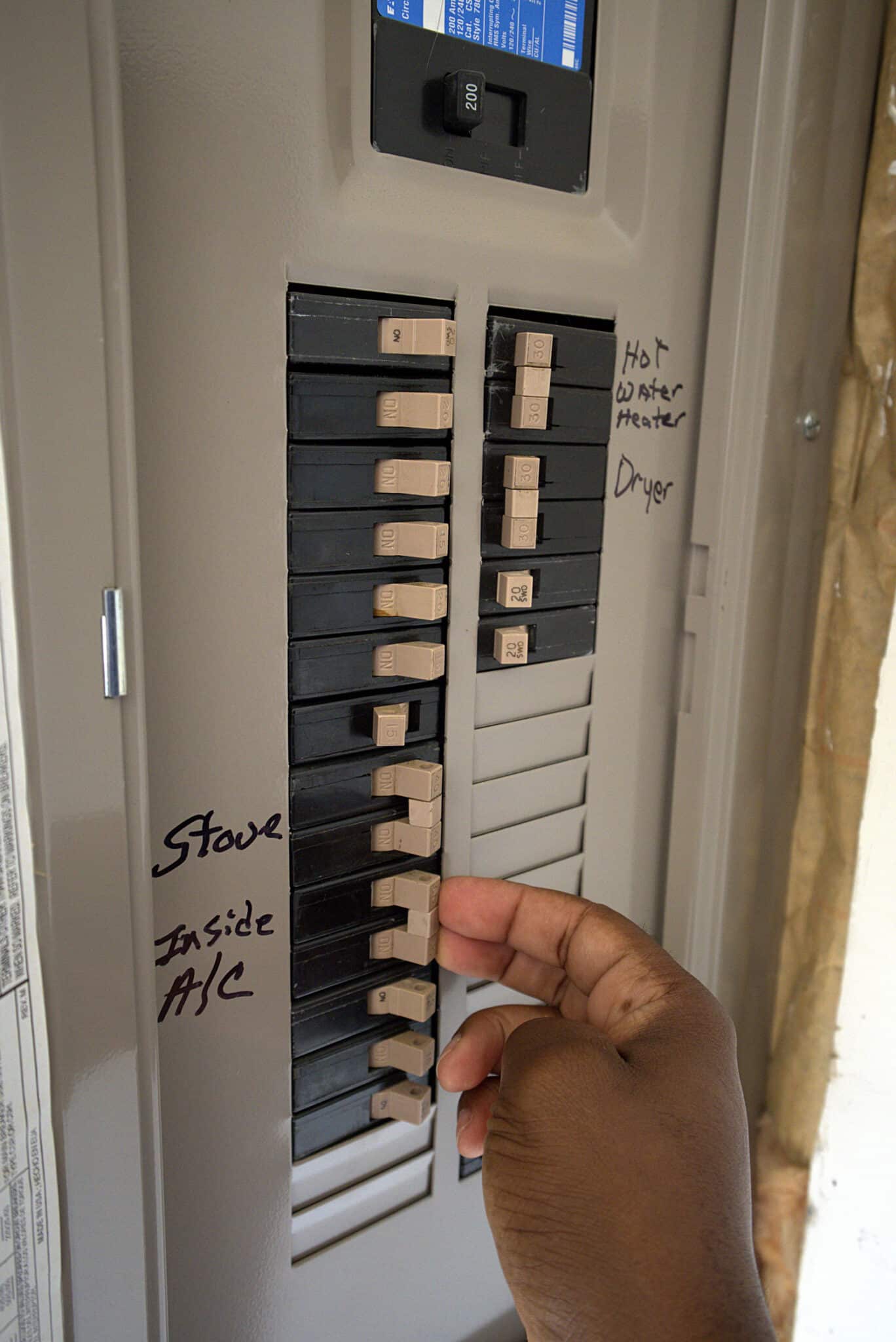
Why Overloaded Panels Happen And When To Act
Panels become overloaded when homeowners add high-demand equipment without upgrading the service conductors or main disconnect. New appliances and electric vehicle chargers increase continuous load beyond older panel ratings. Loose connections and corroded lugs raise resistance and produce heat that aggravates overload conditions. A professional checks conductor sizing and evaluates whether the main disconnect matches the panel’s available capacity.
Another common cause is undocumented changes to the electrical system over time that bypassed proper load planning. Circuits added piecemeal for workshops, hot tubs, or HVAC can push the service past safe limits. An electrician will perform a load calculation and compare it to the installed service rating to confirm overload. They also inspect for double-tapped breakers and overloaded neutrals that indicate improper circuit additions.
Seasonal patterns help decide when to act, such as frequent trips during hot summer evenings when HVAC and kitchen loads peak. If homeowners in Katy, TX notice repeated trips at similar times, that pattern points to capacity shortfall rather than isolated faults. Technicians will use voltage readings under load and thermal imaging to find hotspots before recommending a service entrance upgrade. Measured voltage drop at peak demand gives concrete evidence for upsizing the meter or main disconnect.
When visible damage or persistent symptoms appear, plan the upgrade sooner rather than later to reduce fire risk and downtime. A qualified electrician will document findings with photos, voltage and amperage readings, and a written recommendation for a meter socket upgrade when needed. For Pearland property owners seeking inspection and replacement resources, consider contacting local professionals listed under electricians in Pearland, TX who can perform the diagnostic checks. After diagnosis, follow the written scope before scheduling work to ensure permits and inspections align with the upgrade plan.
Recognizing Warning Signs Of Meter And Mast Failure
Rust, loose hardware, and visible arcing marks around the meter socket often signal imminent failure and need immediate attention. Homeowners may notice burning odors near the meter or staining on the mast after storms or long-term exposure. A technician will inspect the meter base for melted insulation, check terminal torque, and take voltage readings under load to confirm a problem. Photographs and written test results typically accompany the diagnosis for permit and insurance purposes.
Frequent flickering lights that correlate with appliance cycles can indicate a failing connection at the service entry rather than a panel circuit issue. An electrician diagnoses this by performing a continuity test on the service conductors, measuring voltage drop during motor starts, and scanning for hot spots with a thermal camera. Loose lugs or corroded conductors show higher resistance and elevated temperature readings that justify replacing the mast or meter base. The recorded readings guide whether a simple repair or full service entrance upgrade is safer.
Visible movement or a tilting mast after wind or physical impact compromises the mechanical support for service drop and can loosen electrical connections over time. Technicians check the tightness of the mast clamp, inspect for water intrusion in the meter enclosure, and verify that grounding conductors remain intact and well attached. If the meter base shows corrosion around the clamp or water pathways, electricians recommend a socket replacement and secure sealing. For meter socket replacement guidance, homeowners can review the meter base replacement resource before arranging an on-site assessment.
Intermittent loss of power that restarts without utility notification often points to equipment failure at the service entrance rather than grid outages. A professional confirms this by coordinating with the utility to test the incoming drop, then isolating the meter and main disconnect to reproduce the fault safely. Testing includes checking the main breaker operation, grounding electrode conductor continuity, and meter socket contact pressure with handheld tools. For residents in Katy, TX and property owners near Sugar Land, TX, documenting these observable signs speeds up repair decisions and improves communication with inspectors.
How Code Changes Affect Main Disconnect Upgrades
Code updates often change how electricians size the main disconnect and route grounding, shifting the focus from past practices to modern safety. Inspectors now expect clearer labeling, accessible disconnect locations, and verified grounding conductor continuity for compliance. These changes can require replacing older fused disconnects with modern circuit breaker mains to meet current inspection practices. Homeowners should expect documentation and test results as part of the final compliance package.
- Newer codes require accessible main disconnect placement.
- Grounding conductor continuity must be verifiable.
- Clear labeling of service rating is often required.
- Main disconnects may need newer enclosure ratings.
When code updates raise minimum grounding or bonding standards, electricians may add or upgrade grounding electrodes and bonding jumpers at the service. These additions help stabilize neutral and ground paths and reduce touch potential during faults. A professional will measure grounding resistance and inspect bonding connections to confirm the work meets current expectations. Photographs and measured readings usually go into the permit submission packet.
Changes in clearance and working space rules sometimes force relocation of the meter or main disconnect to easier access points for inspectors. Moving the disconnect can involve new conduit, longer service conductors, and coordination with the utility for the meter set. Electricians will coordinate a utility disconnect and reconnection so work proceeds safely and within inspection windows. Homeowners should plan for short service interruptions during these swaps.
Code-driven capacity changes influence whether a service entrance upgrade includes a larger meter socket, heavier service conductors, or a higher-amperage main disconnect. A professional performs a load calculation, compares results to code-influenced minimums, and specifies conductor sizes and main ratings accordingly. For guidance on related panel changes during a main upgrade, review the breaker panel upgrade resource to understand how panel work ties into service entrance upgrades. Homeowners should keep these code-driven items in mind when budgeting and scheduling inspections.
When Homeowners Should Call A Professional Electrician
Call a licensed electricians in Katy, TX when you notice persistent electrical symptoms that simple resets do not fix, such as repeated main breaker trips or fluctuating voltage under normal use. A professional will perform a visual inspection, take voltage and amperage readings, and check main lug temperatures to confirm whether the service entrance requires replacement. They will also verify grounding conductor continuity and look for signs of water intrusion or mechanical damage at the meter base. If you smell burning near the service or see scorch marks, schedule an immediate assessment rather than delaying.
If you plan a major load addition like an HVAC change or an electric vehicle charger, consult an electrician early to confirm capacity needs and potential service upgrades. The electrician will run a load calculation and compare it to the existing service rating, then recommend whether to upsized the main disconnect or meter socket. This planning avoids surprises during installation and helps coordinate any work that affects the panel or branch circuits.
When exterior equipment shows mechanical issues such as a loose mast or damaged meter enclosure, call a pro to reduce safety and inspection risks. The technician will secure the mast, test meter socket contact pressure, and document torque readings with photos and a written report to support permit applications. They will also coordinate any required utility disconnects so replacement proceeds safely and with minimal downtime. For related interior work, check resources about electrical panel changes and planning to see how service entrance work ties to panel upgrades.
After an electrician confirms a service entrance upgrade is needed, expect a clear scope, timeline, and permit plan before scheduling work to avoid surprises. The crew will use measured readings and photos in the permit packet and arrange inspections at key milestones during the swap. Ask the electrician for a written checklist of tasks performed, including grounding tests and main disconnect verification, so you have documented proof for insurance or resale. Residents near Sugar Land, TX should keep records of these diagnostics for permit and inspection follow-up.
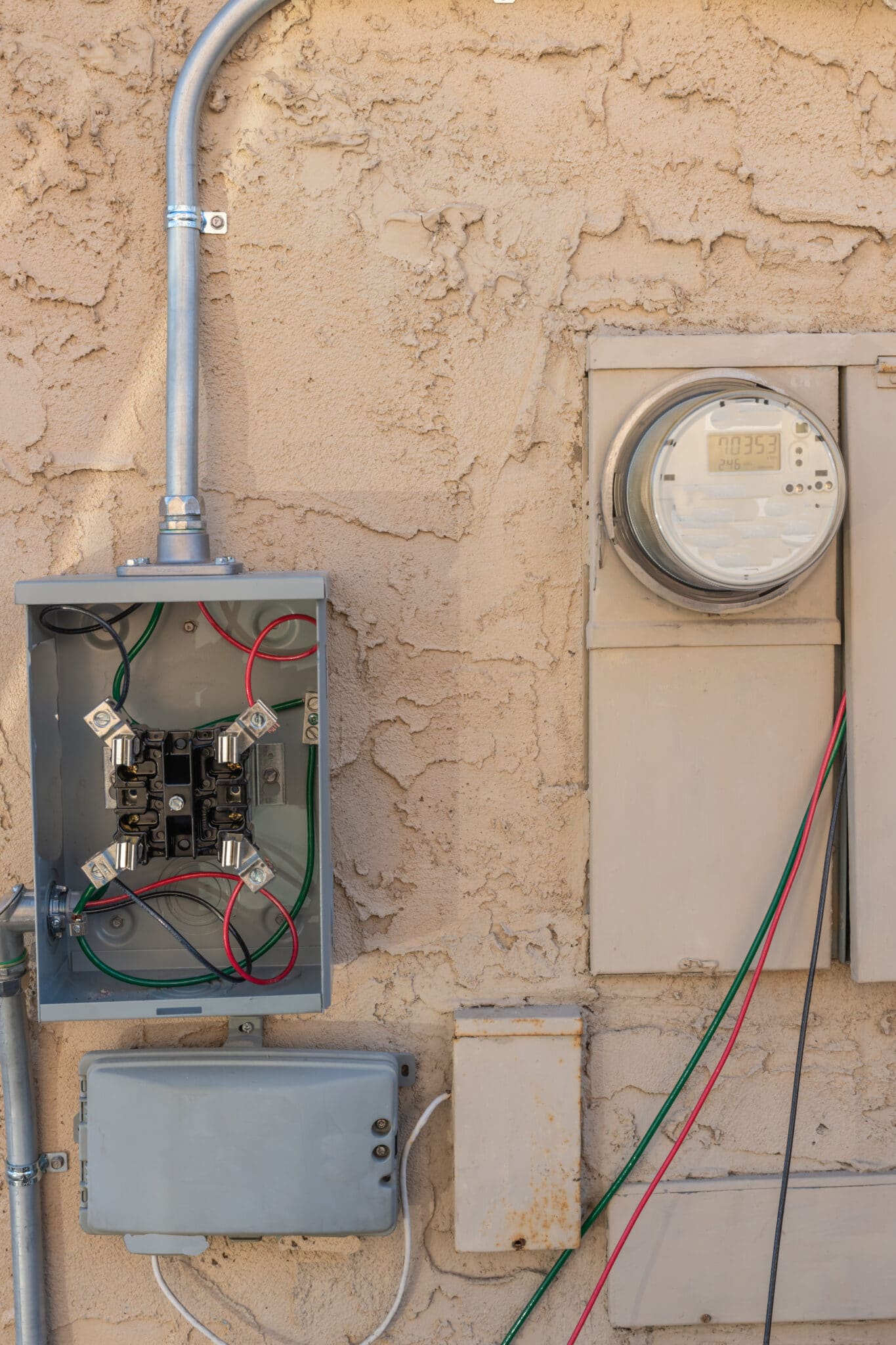
Cost Factors And Timeline For Service Entrance Upgrade
Several factors affect the cost of a service entrance upgrade, including service amperage, conductor length, and meter socket type. Material choices like copper versus aluminum conductors change labor complexity and installation practices. Accessibility of the existing mast and meter affects time on site and may require additional mounting hardware. A proper quote should list materials, labor hours, and any expected utility coordination charges.
Timeline depends on permit lead time, utility scheduling, and inspection availability in your jurisdiction. Typical on-site work for a straight swap can finish in one day when no relocation is needed. If the meter or main disconnect must move or a larger service conductor run is required, expect multiple days of work. Plan for temporary power shutdowns coordinated with the utility during the replacement process.
Diagnostic steps influence both price and schedule because thorough testing prevents rework later in the project. A professional will perform a load calculation, voltage drop checks, and thermographic scans to establish existing condition and sizing needs. They document readings, photos, and recommendations to include with a permit application. These diagnostic outputs also guide decisions about upgrading the panel when service capacity increases are required, as described in the related electrical panel upgrade guidance.
Unexpected findings like corroded service conductors, damaged grounding electrodes, or noncompliant bonding increase costs and extend timelines. Homeowners should budget extra time and contingency funds for such discoveries during the opening inspection. For residents in Katy, TX and those in Sugar Land, TX, proactive inspections before major load additions reduce surprises. Always ask for a written timeline and staged payment schedule that ties releases to completed inspection milestones.
Permits Inspections And What Inspectors Will Check
Inspectors focus on safety, clear labeling, and verified test results during a service entrance upgrade inspection. They expect documented voltage and amperage readings to confirm the new main disconnect matches the calculated load. Expect them to verify grounding conductor continuity and visible bonding at the service equipment. Photographs and written test outputs often become part of the inspection record.
- Check for correct main disconnect amperage labeling.
- Verify grounding conductor attachment and continuity.
- Confirm meter socket and enclosure ratings.
- Inspect service conductor terminations for secure connections.
- Ensure weatherproofing and clearance of the mast area.
During the field inspection, an inspector may watch the electrician demonstrate the main disconnect operation and confirm panel accessibility. They often observe torque on lugs and may request voltage readings under load to rule out hidden problems. Inspectors also check that the meter socket installation aligns with utility requirements before reconnection. Having printed test results speeds approval.
Inspectors look for correct conductor sizes, overcurrent protection ratings, and bonding jumpers that meet present expectations. They will note any deviations and require corrective work before final sign-off. Minor corrections usually lead to a follow-up inspection rather than a full job halt. Keep the electrician available to address inspector comments promptly.
For documentation and preparation tips, see the electrical inspections guidance that outlines common checklist items and required test evidence. Bringing a written scope, photos, and measured readings reduces back-and-forth with the inspector.
Preventive Maintenance To Extend Service Entrance Life
Regular visual checks help catch developing problems on the exterior service equipment before they require major replacement. Look for loose conduit fittings, frayed grounding conductors, and signs of water entry around the meter enclosure during routine walks. A professional can record torque readings, take voltage measurements, and photograph problem areas to track deterioration over time. These simple records support decisions about when a service entrance upgrade becomes the safer option.
Cleaning and sealing exposed connections reduces corrosion and improves contact life for meter sockets and masts. Remove debris and vegetation from the service area and reseal joints with manufacturer-approved compounds to limit moisture intrusion. Technicians often apply anti-oxidant compound on aluminum conductors and confirm clamp tightness as part of preventive work. Performing these steps on a schedule extends component life and delays a larger replacement.
Thermal scans and periodic voltage checks under load reveal hotspots and elevated resistance before visible damage appears. An electrician uses a thermal camera, clamp meter, and voltage tester to compare readings over several seasons or after heavy-load events. If readings trend upward, the professional documents them and recommends targeted repairs or a full service entrance upgrade. Homeowners in Katy, TX find documented readings helpful when planning upgrades around other projects.
Maintaining clearances and mechanical support for the service drop prevents stress on electrical connections and reduces weather damage risk. Review clearance guidance and mounting practices from resources like service drop clearance to confirm safe spacing around the mast and meter. A secure mast clamp and properly routed service conductors reduce movement that loosens lugs and causes arcing. For property owners near Sugar Land, TX, scheduling a preventive check before storm season can prevent small issues from becoming safety hazards.
Frequently Asked Questions
When is a service entrance upgrade necessary for my home?
You need a service entrance upgrade when your electrical demand exceeds the panel or meter rating or when components show corrosion or damage. Signs include frequent breaker trips, dimming lights when large appliances start, or a 60A or lower service feeding modern load needs. A visible rusted meter socket, cracked mast, or open grounding issues also justify replacement to meet current code. Electrical work carries shock and fire risk, so contact a licensed electrician for inspection, load calculation, and safe upgrades.
How does a faulty meter or mast signal needed upgrades?
A faulty meter or rusted mast often shows visible corrosion, bent components, or loose connections that reduce service reliability.Homeowners may notice flickering lights, frequent breaker trips, or burned smells near the meter indicating a problem.Those signs suggest a Service entrance upgrade to handle current load and replace unsafe equipment.Working near the meter or mast carries shock and fall risk, so contact a licensed electrician to inspect and repair.
Will a service entrance upgrade stop recurring breaker trips?
A service entrance upgrade can stop recurring breaker trips when the root cause is undersized service, poor connections, or overloaded main capacity. A larger service, new main disconnect, and proper grounding reduce overheating and nuisance trips in many cases. However, trips can also come from faulty breakers, bad branch circuits, or appliance faults, so a full diagnosis is needed. For safety, do not work on the service yourself and contact a licensed electrician to inspect, test voltage, and recommend repairs.
What inspections confirm a safe meter socket replacement?
A licensed electrician or inspector will verify the new meter socket is the correct type and rating for the main disconnect. They will check torque on connections, proper grounding conductor size, and visible signs of overheating or corrosion. An inspector will confirm clearances, proper sealing at the weatherhead, and that the service conductors land correctly for a Service entrance upgrade if applicable. If you see burned insulation, loose parts, or smell burning, stop and call a professional immediately for a full safety inspection.
How should I plan a service entrance upgrade timeline?
Start by scheduling an inspection to confirm load needs, meter condition, service mast, grounding, and main disconnect rating. Coordinate permits and utility company timing early because utility scheduling often controls connection day. Plan for a single work window when breakers are off to minimize repeated outages and contractor return visits. If any live-work or complex rewiring is needed, exercise caution and hire a licensed electrician to perform and verify the Service entrance upgrade.