





Many homeowners in Katy, TX may not realize the importance of proper service drop clearance for their properties. Overhead electrical lines require specific spacing to prevent safety hazards and code violations. Ignoring these requirements can lead to dangerous situations and costly repairs. Understanding these guidelines helps keep your home and family safe.
Service drop clearance is more than just a technical detail, it’s a crucial part of every home’s electrical safety. The National Electrical Code sets standards to protect both people and property. Homeowners in Rosenberg and Richmond, TX face similar requirements and risks. Following these rules ensures your electrical system stays reliable and secure.
Local regulations and weather conditions can affect how service drop clearance is managed. Trees, buildings, and even fences can interfere with overhead lines if clearances aren’t maintained. Many homeowners overlook these factors until an issue arises. Staying informed helps you avoid unexpected problems and keeps your electrical service uninterrupted.
Professional electricians know how to assess and maintain proper service drop clearance. Their expertise helps prevent violations and keeps your home up to code. Regular inspections can catch issues early, saving time and money. Trusting a qualified electrician ensures your service drop meets all safety standards.

What Is a Service Drop?
A service drop is the overhead wiring that connects the utility pole to your home’s electrical service entrance. These wires carry electricity from the power company to your property, making them a vital part of your electrical system. Service drop clearance refers to the minimum space required between these wires and surrounding structures or ground. This spacing helps prevent accidental contact and reduces the risk of electrical hazards.
Homeowners often overlook how critical proper service drop clearance is for safety and code compliance. The National Electrical Code provides specific guidelines for these clearances to protect people and property. If wires hang too low or are too close to buildings, they can create dangerous situations. Regular checks help ensure your service drop remains within safe limits.
In cities like Rosenberg and Richmond, TX, local codes may add extra requirements to the national standards. Weather conditions such as strong winds or heavy rain can impact the position of overhead lines. Trees growing near service drops can also cause clearance issues if not trimmed regularly. Addressing these factors keeps your electrical system reliable and safe.
Professional electricians understand the importance of maintaining proper service drop clearance around your home. They use specialized tools to measure and adjust clearances as needed. Scheduling routine inspections helps catch potential problems before they become serious. This proactive approach protects your property and keeps your family safe.
Why Service Drop Clearance Matters
Service drop clearance plays a key role in keeping your home safe from electrical hazards. When wires are too close to structures or the ground, accidental contact becomes more likely. This can lead to electric shock, fires, or power outages. Proper spacing helps prevent these risks and ensures your electrical system operates safely.
In Rosenberg, local weather can cause overhead lines to sag or shift over time. High winds or heavy rain may bring wires closer to trees or buildings. Maintaining correct service drop clearance reduces the chance of storm-related damage. Regular inspections help catch these issues before they become serious problems.
Service drop clearance also affects code compliance in Richmond, TX. Failing to meet standards can result in costly violations and delays when selling your home. Insurance companies may deny claims if clearances are not up to code. Staying compliant protects your investment and provides peace of mind.
Homeowners benefit from working with licensed electricians to monitor service drop clearance. These professionals have the training to spot and fix clearance issues safely. Their expertise helps keep your electrical system reliable and up to standard. Taking action early can save money and prevent dangerous situations.
NEC Standards for Service Drop Clearance
The National Electrical Code outlines specific service drop clearance requirements to ensure safety for homeowners and their properties. These standards dictate the minimum distance between overhead wires and the ground, roofs, and windows. For example, wires must be at least 10 feet above sidewalks and driveways. Adhering to these rules helps prevent accidental contact and electrical hazards.
Service drop clearance also includes spacing from buildings and other structures. Wires should maintain a safe distance from balconies, decks, and windows to avoid dangerous situations. In Richmond, TX, local codes may require even greater clearances in certain areas. Consulting a licensed electrician ensures your home meets both national and local standards.
Trees and landscaping can impact service drop clearance over time. Branches that grow too close to overhead lines create safety risks and code violations. Regular trimming and professional inspections help maintain proper spacing around your service drop. Homeowners in Rosenberg should be especially mindful of fast-growing trees near electrical lines.
Proper service drop clearance is essential for passing inspections and maintaining insurance coverage. Violations can delay property sales and increase liability in the event of an accident. Keeping clearances up to code protects your investment and your family. Relying on professional guidance ensures all requirements are met and maintained.
Common Clearance Violations Homeowners Make
Many homeowners unintentionally violate service drop clearance requirements by allowing trees to grow too close to overhead lines. Over time, branches may encroach on the wires, creating safety hazards and potential code violations. In Rosenberg, fast-growing trees near service drops often go unnoticed until an issue arises. Regular tree trimming helps maintain safe distances and prevents dangerous situations.
Another common mistake is overlooking the clearance between service drops and building structures. Wires must remain a safe distance from roofs, decks, and windows to avoid accidental contact. In Richmond, TX, additions like pergolas or patio covers can bring structures too close to overhead lines. Always check clearances before starting any home improvement project.
Homeowners sometimes ignore the minimum height required for wires over driveways and walkways. Service drop clearance must meet specific standards to prevent vehicles or people from coming into contact with live wires. Parking larger vehicles or installing tall fences beneath service drops can reduce this required space. Regular inspections help identify and correct these issues early.
Failing to address sagging wires is another frequent violation. Weather, age, or damage can cause service drops to droop below the required clearance. Promptly contacting a licensed electrician ensures any sagging wires are safely adjusted. Maintaining proper service drop clearance protects your property and keeps your electrical system up to code.
Measuring Proper Service Drop Clearance
Measuring proper service drop clearance is essential for keeping your home safe and compliant. Start by visually inspecting the area where overhead wires connect to your house. Look for any structures, trees, or landscaping that may be too close to the lines. If you notice wires appearing lower than usual, it may be time for a professional assessment.
Use a measuring tape or pole to check the distance between the service drop and the ground or nearby structures. The National Electrical Code sets minimum heights and clearances, but local codes in Rosenberg might have stricter requirements. Always measure from the lowest point of the sagging wire to ensure accuracy. Avoid climbing or touching any wires during this process for safety.
Professional electricians use specialized tools to measure service drop clearance safely and precisely. Their experience helps them identify potential hazards that homeowners might overlook. In Richmond, TX, electricians can also account for unique property features that affect clearances. Scheduling regular inspections ensures your home remains within code and avoids costly violations.
Document your measurements and keep records of any changes or adjustments made. This information is useful for future inspections or when planning home improvements. Maintaining proper service drop clearance helps prevent electrical hazards and supports a reliable power supply. Trusting a licensed electrician to confirm your measurements adds an extra layer of safety and peace of mind.
Service Drop Clearance Over Driveways and Streets
Service drop clearance is especially important where overhead wires cross driveways and streets. The National Electrical Code sets strict minimum heights for these areas to prevent vehicles from contacting live wires. In Rosenberg, many homeowners overlook these requirements when parking large trucks or installing basketball hoops under service drops. Ensuring proper clearance helps avoid dangerous situations and keeps your property compliant.
Driveways and streets see frequent activity, making service drop clearance a critical safety concern. Wires must remain at least 12 feet above residential driveways to protect vehicles and people passing underneath. In Richmond, TX, local regulations may require even greater clearances for commercial properties or areas with heavy traffic. Regular checks help identify any sagging or low-hanging wires before they become hazardous.
Weather and time can cause wires to dip lower than the required height over driveways and streets. Heavy rains, strong winds, or aging equipment may gradually reduce service drop clearance without homeowners noticing. Prompt action is necessary if you see wires hanging lower than before, especially after storms. Contacting a licensed electrician ensures safe adjustments and maintains code compliance.
Home improvement projects near driveways can also affect service drop clearance. Adding new structures or landscaping may inadvertently reduce the space beneath overhead lines. Always measure and verify clearances before starting any project that could impact these areas. Maintaining proper service drop clearance protects your family, visitors, and property from electrical hazards.
How Trees and Structures Affect Service Drop Clearance
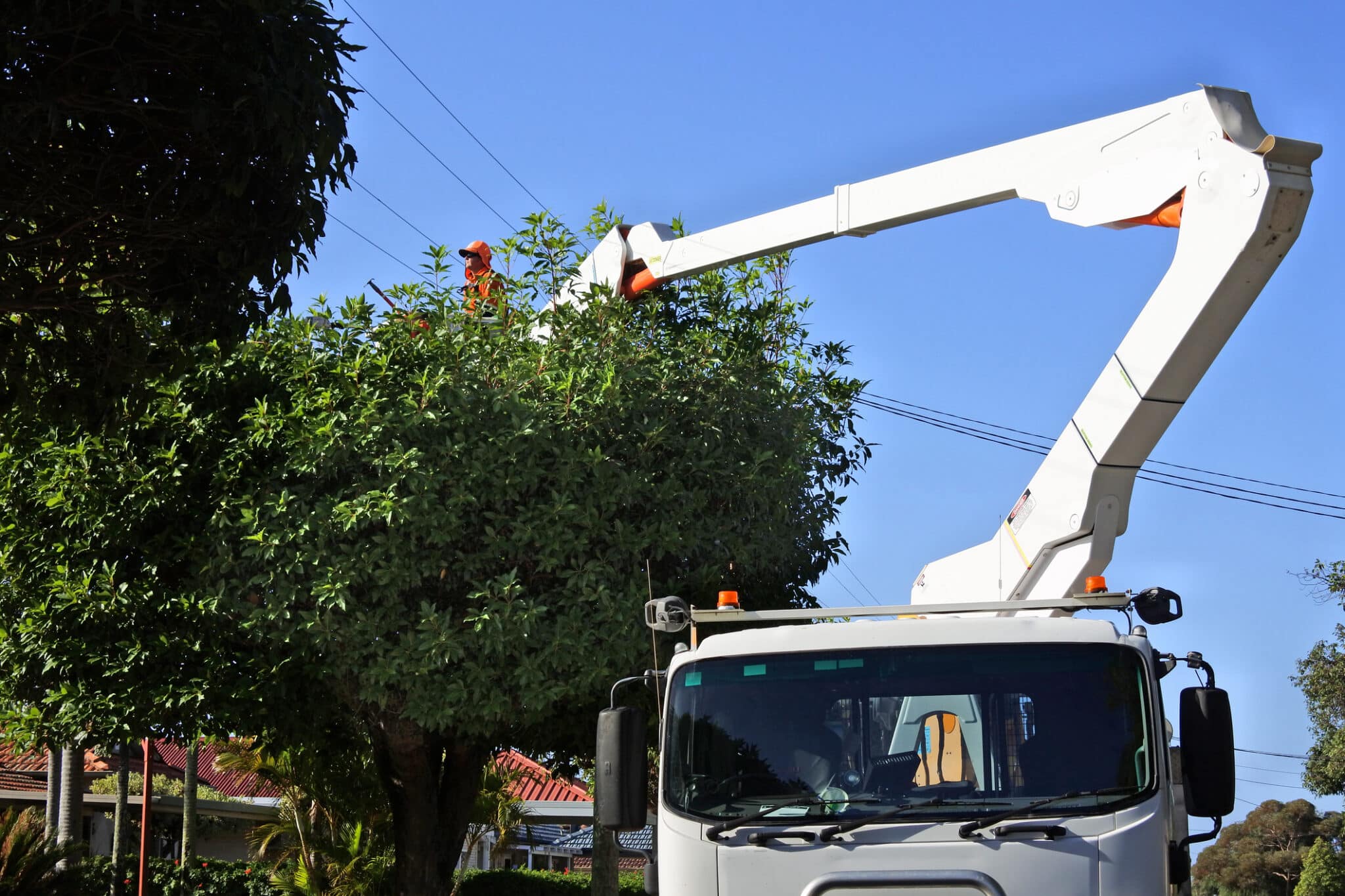
Trees and nearby structures can greatly impact service drop clearance around your home. As branches grow, they may encroach on overhead wires, creating potential safety hazards. In Rosenberg, fast-growing trees often go unchecked until they interfere with electrical lines. Regular pruning is essential to keep branches safely away from service drops.
Building additions like sheds, pergolas, or patio covers can also reduce the required clearance for overhead wires. Homeowners in Richmond, TX sometimes overlook how close these structures are to service drops. Even fences or tall gates can affect the minimum space needed for safe operation. Always verify clearances before starting construction or landscaping projects.
Over time, trees and structures can shift or settle, changing their proximity to overhead wires. Heavy storms or strong winds might push branches closer to the service drop, increasing the risk of contact. Routine inspections help catch these changes early and prevent violations. Addressing clearance issues quickly ensures your electrical system remains safe and reliable.
Professional electricians understand how trees and structures can impact service drop clearance. They can recommend safe distances and help you maintain compliance with local and national codes. Scheduling regular assessments protects your property from unexpected hazards. Keeping clearances in check supports uninterrupted electrical service and peace of mind for your household.
Correcting Service Drop Clearance Issues
Correcting service drop clearance issues starts with a thorough inspection by a licensed electrician. They assess the distance between overhead wires and nearby structures, trees, or the ground. If a violation is found, the electrician will recommend safe solutions tailored to your property. This proactive step helps prevent electrical hazards and keeps your home compliant.
In Rosenberg, electricians may need to trim tree branches or remove vegetation that threatens service drop clearance. They use specialized tools to safely cut back growth without damaging the wires. Homeowners should avoid trimming near electrical lines themselves, as this can be dangerous. Trusting professionals ensures all work meets local and national safety codes.
For properties in Richmond, TX, adjustments may involve raising or tightening sagging wires to restore proper service drop clearance. Sometimes, nearby structures like sheds or fences must be relocated or modified. Electricians coordinate with utility companies when necessary to handle more complex repairs. Their expertise ensures your electrical system remains safe and reliable.
After correcting service drop clearance issues, regular maintenance is essential. Schedule periodic inspections to catch new problems before they become serious. Keep records of any changes or repairs for future reference. Maintaining proper clearance protects your family and supports uninterrupted electrical service year-round.
Frequently Asked Questions
What is the minimum service drop clearance for residential homes?
For residential homes, the minimum service drop clearance is typically 10 feet above finished grade, according to NEC guidelines. This clearance helps prevent accidental contact and ensures safe access for maintenance or emergency crews. Homeowners should check for trees, decks, or structures that might reduce proper service drop clearance. Regular inspections help maintain compliance and keep your property safe from electrical hazards.
Why is service drop clearance important for homeowners?
Service drop clearance protects your home from electrical hazards by keeping power lines safely above ground and out of reach. Proper clearance prevents accidental contact during storms, yard work, or home projects, reducing the risk of injury. It also ensures emergency crews and maintenance workers can access lines safely when needed. Maintaining correct service drop clearance helps homeowners avoid code violations and costly repairs.
How can I check if my service drop meets code requirements?
Start by measuring the height of your service drop from the ground or any nearby surfaces to confirm proper service drop clearance. Look for obstacles like trees, roofs, or decks that might interfere with the required space around the wires. Compare your findings with the latest NEC guidelines to ensure your service drop clearance meets local code requirements. If you notice any issues or are unsure, contact a licensed electrician for a professional assessment.
What are common mistakes with overhead electrical clearances?
Many homeowners overlook sagging wires that reduce service drop clearance and create safety risks near walkways or driveways. Building decks or sheds under overhead lines often leads to violations and unsafe conditions. Failing to trim tree branches can cause contact with wires, reducing the required service drop clearance. Regular inspections help catch these common mistakes and keep your property safe and compliant.
Who is responsible for maintaining proper service drop clearance?
Homeowners are responsible for keeping proper service drop clearance around their property to meet safety and code requirements. Utility companies maintain the wires up to the service point, but homeowners must address trees or structures that interfere. Regularly checking for obstructions helps prevent hazards and ensures ongoing compliance with service drop clearance guidelines. If you notice any issues, contact a licensed electrician to resolve them promptly and keep your home safe.