





Quick answer
To prevent electrical fires, keep connections tight and circuits within their rating: replace recalled panels, add AFCI breakers, never run heaters or appliances on extension cords, keep bulbs within fixture ratings and fix any warm or discolored outlet immediately. To prevent shocks, install and test GFCI protection in wet areas, replace ungrounded two-prong outlets, and keep cords and devices away from water.
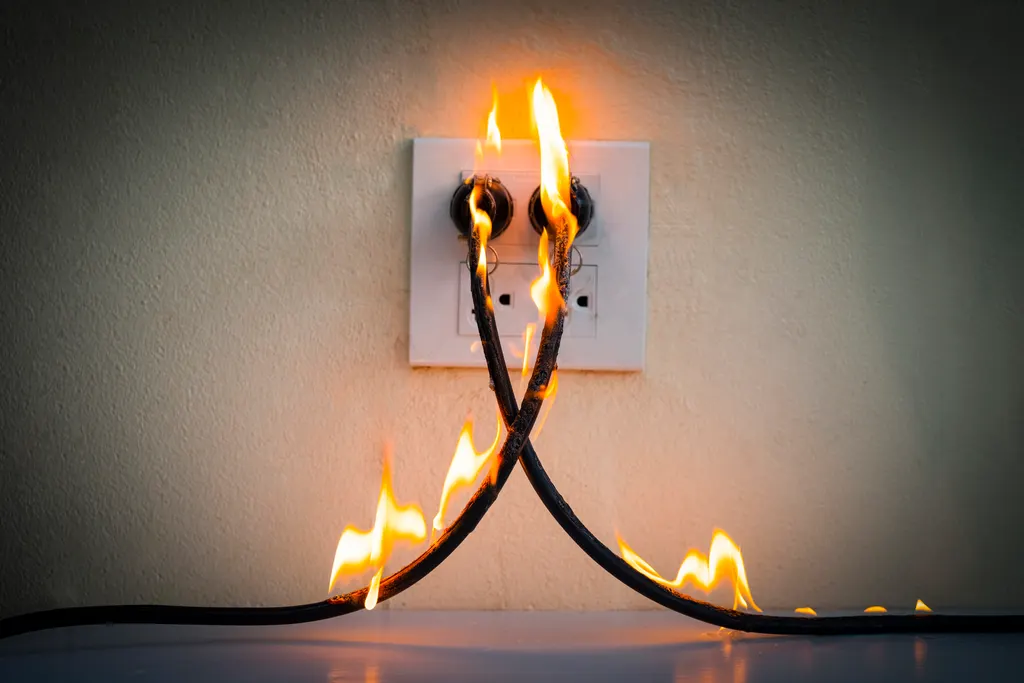
Most electrical fires do not start with a dramatic spark. They start with heat at a connection that has worked loose over years, a cable crushed under attic storage, or a 15-amp circuit asked to carry a space heater and a microwave at the same time. The connection glows, the insulation around it chars, and one night the char reaches something that burns. To prevent electrical fires you need to know where that heat builds, and the same knowledge prevents most shocks.
This checklist is for homeowners in Richmond, Deer Park and the rest of the Houston area, where slab foundations put the wiring in a hot attic and many houses still run on 1960s-to-1980s panels. A home electrical inspection finds the hidden items on it.
Key Takeaways
- Electrical fires usually begin as heat at a loose connection or an overloaded conductor, not as a visible spark.
- AFCI breakers detect arcing in bedroom and living-area circuits; GFCI devices prevent shocks in kitchens, baths, garages and outdoors.
- Extension cords and power strips are temporary; a space heater or window unit plugs directly into a wall outlet on its own circuit.
- Federal Pacific, Zinsco and early Challenger panels can fail to trip on an overload and should be replaced.
- A warm, discolored or buzzing outlet is an active fire risk: turn off the breaker and call an electrician the same day.
- Never use water on an electrical fire; cut the main breaker if safe, use a Class C extinguisher, and get out if it spreads.
What Actually Causes Electrical Fires in Homes?
An electrical fire needs heat and something to burn. The wiring supplies the heat in one of a handful of ways:
- Loose connections. A terminal screw that was never torqued, a backstabbed receptacle that has loosened, or an aluminum-to-copper splice that has oxidized. Current pushing through a poor connection makes heat; the heat makes the connection worse. This is the single most common origin.
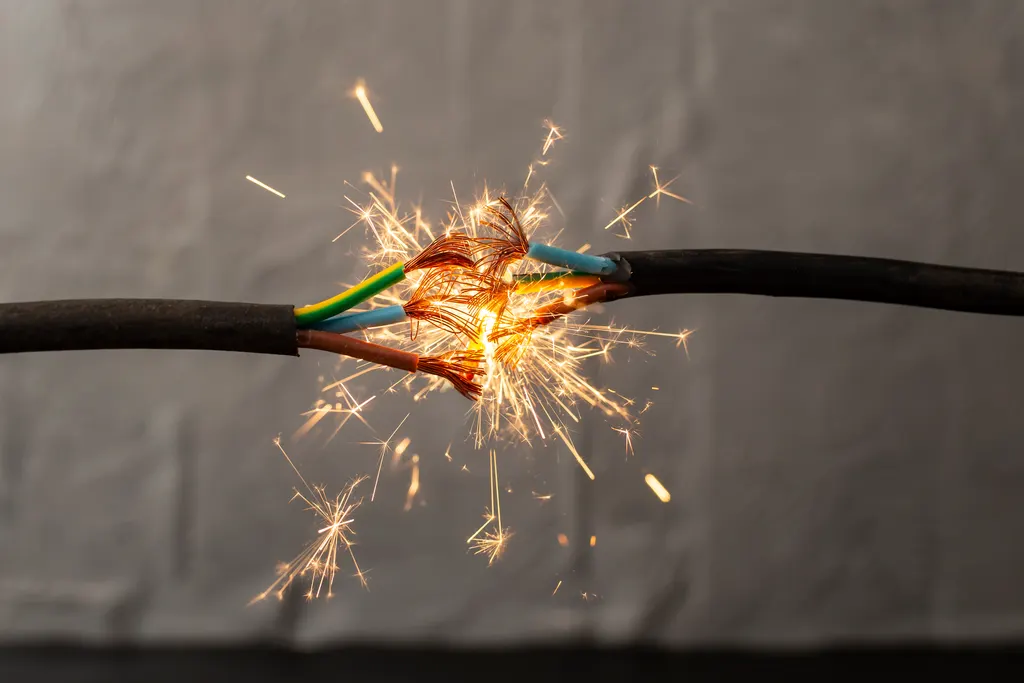
- Arcing. When a connection opens and closes under load, or when damaged insulation lets conductors get close, electricity jumps the gap. Series and parallel arcs reach temperatures that ignite dust, insulation and wood framing.
- Overloaded conductors. A circuit carrying more current than its wire gauge is rated for heats the entire run. A breaker that trips correctly prevents this; a breaker that does not, such as a Federal Pacific Stab-Lok, lets the wire cook.
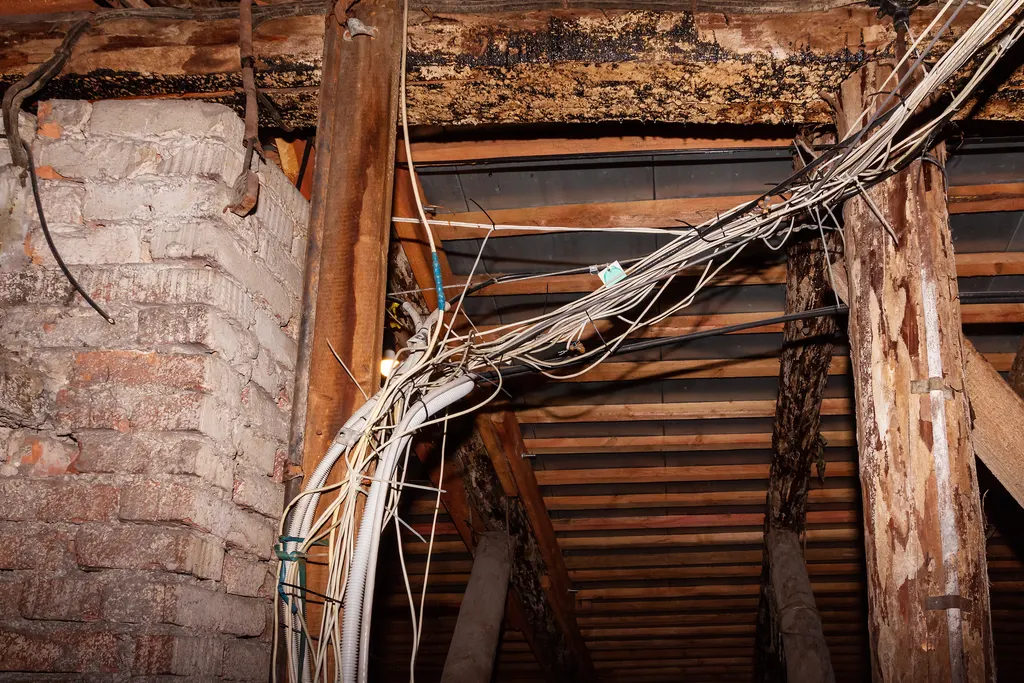
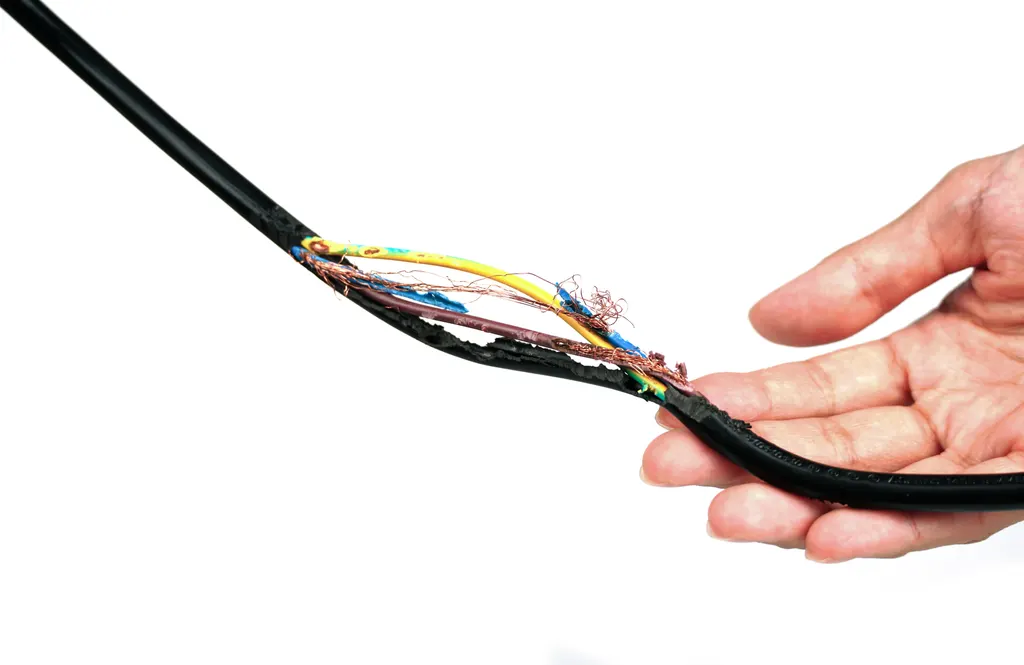
- Damaged cable. Rodent chewing, a drywall screw, a nail from a previous remodel, or insulation that has baked for thirty summers in a 130°F attic.
- Misused cords and devices. Extension cords run under rugs, power strips feeding heaters, cords pinched in doors, charger cables frayed at the plug.
- Lighting. A bulb above the fixture's rated wattage, or a recessed light buried in attic insulation when it is not IC-rated.
- Surges. Lightning and grid-switching events that overheat appliance boards and, rarely, wiring devices.
Notice that most of these are invisible from the living room. That is why prevention is a mix of habits you can see and inspections of what you cannot.
How to Prevent Electrical Fires at the Panel
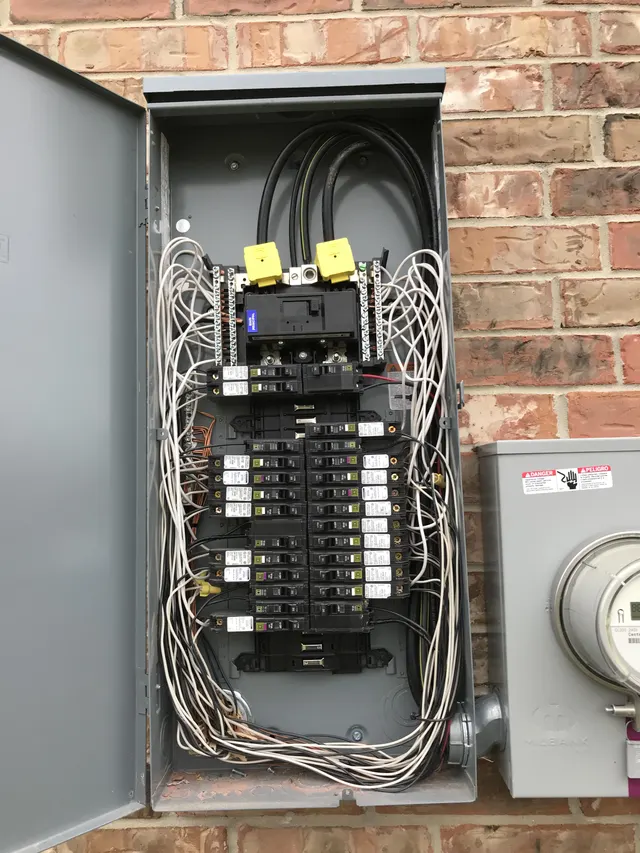
Start at the panel, because it is the one place a single fix helps prevent electrical fires in the whole house.
- Know the brand. Federal Pacific, Zinsco (also sold as Sylvania) and early Challenger panels have documented failure modes where breakers do not trip. Replacement is the only fix.
- Match breakers to wire. A 15-amp breaker protects 14-gauge copper; a 20-amp breaker protects 12-gauge. A homeowner who replaced a tripping 15 with a 20 removed the protection from the wire. An electrician checks this when the cover is off.
- Add AFCI protection. Arc-fault circuit interrupters recognize the electrical signature of arcing and trip before the heat builds. Current code requires them on most living-area circuits in new work, and they can be added to an older panel as breakers. See how AFCI breakers and outlets work.
- Eliminate double taps. Two conductors under one breaker screw not listed for it is a loose connection waiting to happen.
- Give heavy loads their own circuit. Space heaters, window units, garage freezers, microwaves and hair dryers each pull most of a 15-amp circuit. Shared circuits are why breakers trip, and tripping is the warning before the heat.
- Install whole-home surge protection at the panel. It sacrifices itself instead of your air handler board during a lightning storm.
- Torque and thermal scan. Every few years, have panel connections torque-checked and scanned with a thermal camera. A hot lug shows up long before it chars.
Room-by-Room Checklist: Outlets, Cords and Appliances
This is the part a homeowner controls every day.
- Any outlet or switch that is warm, discolored, buzzing or smells is turned off at the breaker today and replaced.
- Outlets that no longer grip a plug arc each time something is plugged in. Replace them.
- Extension cords are for a weekend, not a season. If a cord has gathered dust, you need an outlet there instead. Never under a rug, through a door or stapled to a wall.
- Power strips carry lamps, chargers and electronics. Not heaters, refrigerators, window units or another power strip.
- Check cords at the plug. Charger cables fray where they flex. A cord that is warm, cracked or sparking is thrown away.
- Keep heat off bedding and upholstery. Chargers, laptops and lamps on a bed or cushion overheat with nothing to tell you.
- Match bulbs to fixtures. The maximum wattage is printed inside the socket; LED bulbs run cool and sidestep the problem.
- Dryer: clear lint from behind the dryer and the vent; check the cord and outlet for discoloration.
- Kitchen: keep small-appliance cords off the stovetop and away from the sink; unplug them when not in use.
- Garage: one appliance per outlet, no cords across the floor, nothing stored against the panel.
Walk the house with this list once a season. It takes fifteen minutes, and it is the least expensive way to prevent electrical fires.
How Do You Prevent Electric Shocks at Home?
Shocks happen when a person becomes the path between an energized conductor and the ground. Prevention keeps that path from forming and cuts the power in milliseconds if it does.
- GFCI protection everywhere water is. A ground-fault circuit interrupter senses current leaking out of the circuit, through a person for instance, and cuts power faster than a heartbeat. Kitchens, bathrooms, garages, laundry areas, outdoors and near any sink need it; test each one monthly. Our guide to GFCI outlets covers where they are required.
- Fix ungrounded outlets. Two-prong outlets have no equipment ground, so a fault inside an appliance can energize its metal case. Rewire the circuit with a ground, or replace the outlet with a GFCI labeled "No Equipment Ground." Adapters do nothing.
- Verify grounding and bonding. Metal water piping, gas piping, pool equipment and the panel must be bonded so a fault trips the breaker instead of waiting for someone to touch it. The grounding and bonding guide explains how to tell.
- Tamper-resistant receptacles wherever small children live.
- Water rules. No hair dryers or chargers within reach of a tub or sink; outdoor tools on GFCI cords only; never pull a device from water without cutting the breaker first.
- After storms, treat every downed line as live and stay out of a flooded garage with the power on.
If someone is being shocked, do not grab them. Cut the breaker or the main, or knock the contact away with something dry and non-conductive. Any shock that causes a burn, numbness, confusion or an irregular heartbeat gets medical attention.
Preventing Electrical Fires in Richmond and Deer Park Homes
The two cities sit at opposite ends of our service area, and their fire risks differ in a useful way. In Richmond, the older neighborhoods near the historic downtown and along FM 762 hold 1960s and 1970s homes with aluminum branch wiring and panels that predate modern breakers, while newer construction in Grand Mission, Long Meadow Farms and Aliana has AFCI and GFCI protection built in. The older stock is where we find glowing connections; the newer stock is where we find overloaded power strips and garage circuits running two freezers.
In Deer Park, the postwar neighborhoods built for refinery and ship channel workers are solid, but the wiring is older still, and Gulf humidity and salt-laden air corrode outdoor outlets, meter bases and workshop connections faster than anywhere in Fort Bend County. Rust outside a device usually means corrosion on the terminals inside, and corroded terminals run hot.
Both cities share the attic problem: slab foundations put every circuit overhead, where summer temperatures above 130°F age insulation and expand connections. Both share lightning and storm season; after Hurricane Beryl in July 2024 we replaced outlets and air handler boards cooked by surges. And both sit on CenterPoint Energy's grid, where a loose neutral at the meter base shows up as lights brightening and dimming on their own, a condition that destroys appliances and belongs on a same-day call. Panel changes and new circuits in either city are permitted and inspected, one more layer of fire prevention a homeowner gets for free.
Smoke Alarms, Extinguishers and What to Do If an Electrical Fire Starts
Prevention fails sometimes, so the second half of fire safety is detection and response.
Detection
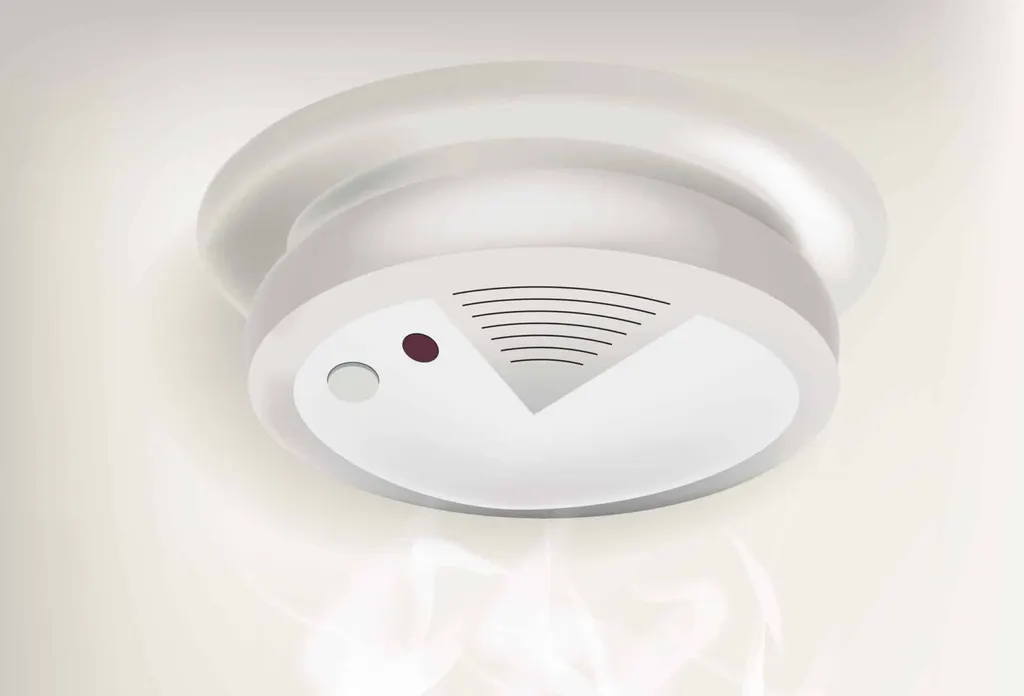
- Smoke alarms in every bedroom, outside each sleeping area and on every level, interconnected so they all sound together. Replace any alarm older than ten years; the date is on the back. Our guide to smoke detector placement and interconnection gives the layout, and our smoke and CO detector service installs hardwired, interconnected systems.
- Smart smoke alarms that notify your phone add value when nobody is home, and smart plugs with energy monitoring can flag an appliance drawing far more than it should. Neither replaces fixing the wiring.
Extinguishers
- Keep a Class C or multipurpose ABC extinguisher in the kitchen and the garage. Class C is rated for energized electrical equipment.
- Use the PASS method: pull the pin, aim at the base, squeeze, sweep.
If a fire starts
- If the panel is reachable and the path is clear, turn off the main breaker. This removes the energy feeding the fire.
- Never use water on anything that may still be energized.
- If the fire is small and contained to a device or outlet, use the extinguisher. If it is in a wall or ceiling, or spreading, leave.
- Get everyone out, close doors behind you and call 911 from outside.
- Do not re-energize the house afterward until a licensed electrician has inspected the circuit and the panel.
DIY vs Licensed Electrician: Who Does What to Prevent Electrical Fires?
Everything in the room-by-room list is yours to do, and doing it well removes the cord and appliance causes almost entirely. What a licensed electrician brings is access to the places the heat actually builds: inside the panel, inside boxes and in the attic.
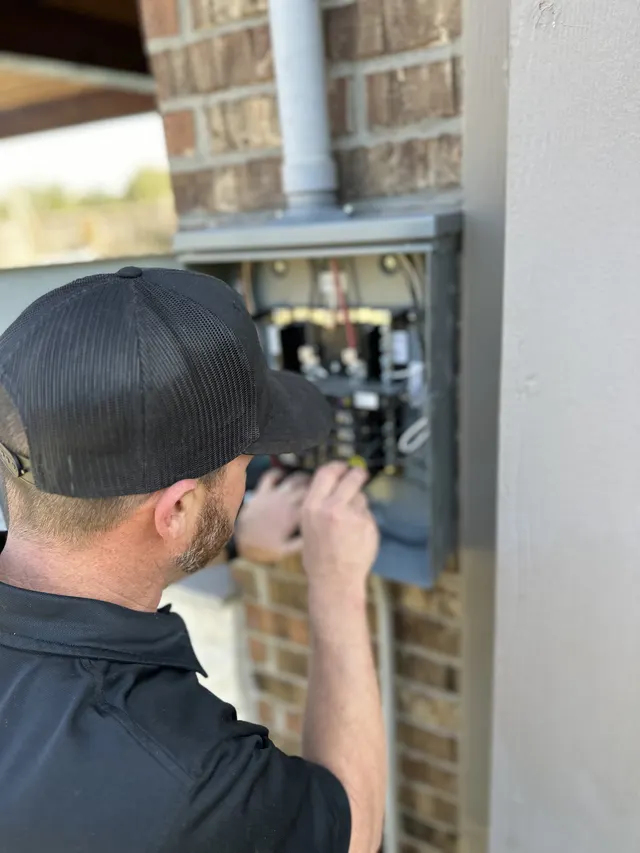
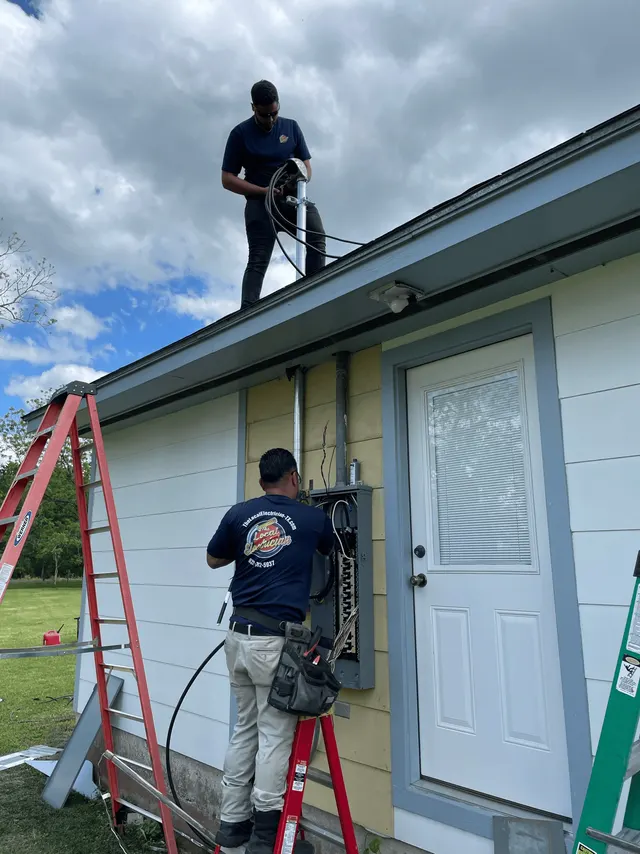
A fire-prevention visit from The Local Electrician typically includes removing the panel cover, checking every termination for torque and discoloration, scanning the panel and heavy circuits with a thermal camera, confirming breaker sizes match the wire, testing every GFCI and AFCI, inspecting attic junction boxes and cable support, and documenting anything that needs replacement with photographs. Panel replacement, new circuits and AFCI or GFCI breaker additions are permitted and inspected by the city or county.
Cost depends on what is found rather than on the visit itself. Factors include whether the panel brand requires replacement, how many circuits need AFCI or GFCI protection, the extent of aluminum wiring, how many devices are worn, and attic access. The Local Electrician provides upfront pricing before any work and free estimates on installations, and financing is available for panel replacements and rewiring so a known hazard is not left in place for a budget reason. Call 832-271-1167 to schedule a visit anywhere in Fort Bend or Harris County, 24/7 if an outlet is already hot.
Frequently Asked Questions
What usually causes electrical fires in a house?
Heat at a loose or corroded connection is the leading cause, followed by overloaded circuits, arcing from damaged cable insulation, misused extension cords and power strips, bulbs above a fixture's wattage rating, and breakers that fail to trip. Older panels such as Federal Pacific and Zinsco, aluminum wiring and rodent-damaged attic cable raise the risk considerably in Houston-area homes.
How often should I have my home's electrical system checked for fire risks?
Homes older than 25 years should be inspected by a licensed electrician every three to five years, with the panel opened, connections torqued and a thermal scan performed. Any home should be checked after a flood, lightning strike or major storm, and immediately if an outlet is warm, a breaker trips repeatedly or there is a burning smell.
Can smart home devices help prevent electrical fires?
They help with detection, not prevention. Smart smoke alarms alert your phone when nobody is home, and smart plugs with energy monitoring can flag an appliance drawing abnormal current. Neither fixes a loose connection or an overloaded circuit. AFCI breakers, GFCI protection and a sound panel do the preventing; smart devices shorten the response time when something goes wrong.
What should I do if I think an electrical fire is starting?
If you smell burning plastic or see smoke from an outlet, switch or the panel, turn off the breaker for that circuit, or the main breaker if you are unsure. Do not use water. If flames are visible and small, use a Class C or ABC extinguisher; if the fire is inside a wall or spreading, get everyone out and call 911. Have the wiring inspected before restoring power.
Are GFCI outlets enough to prevent electric shocks?
GFCI protection prevents most shocks in wet areas by cutting power within milliseconds when current leaks to ground, but it only protects the circuits it is installed on. Shock prevention also requires grounded outlets, proper bonding of water and gas piping and pool equipment, tamper-resistant receptacles around children, and keeping cords and devices away from water.
How do I set up a fire-safety electrical check with The Local Electrician in Richmond, TX?
Call 832-271-1167 or use the contact page to schedule. The visit covers the panel, connections, breaker sizing, GFCI and AFCI testing, attic wiring and smoke alarm placement, with photographs of anything that needs attention and upfront pricing for repairs. Crews dispatch from the Richmond office across Fort Bend and Harris County, with 24/7 emergency service for active hazards.