




Quick answer
The most common attic electrical hazards in older homes are heat-embrittled cable insulation, junction boxes with missing covers or splices made outside any box, cable crushed under storage or unsupported across joists, rodent-chewed jackets, recessed lights buried in insulation, and aluminum or knob-and-tube wiring. In slab-foundation Houston-area homes, nearly every circuit runs through an attic that exceeds 130°F in summer, so these faults age faster than anywhere else.
In a Houston-area home there is no basement and no crawl space. Every branch circuit leaves the panel, climbs the wall and runs across the attic, so the attic is where the wiring lives, ages and fails. It is also the one part of the house that homeowners, home inspectors and most contractors avoid between May and October. Attic electrical hazards stay hidden because nobody is looking.
This guide covers what a licensed electrician finds above the ceilings of 1960s-to-1990s homes in Katy, Pearland, Richmond and the rest of Fort Bend and Harris County: what the heat does, what previous installers left behind, what the rodents did last winter, and which of it is urgent. Our electrical inspection service includes the attic on every visit.
Key Takeaways
- In slab-foundation Houston homes almost every branch circuit runs through the attic, where summer temperatures exceed 130°F.
- Every splice must be inside a covered, accessible junction box; open or buried boxes are the most common attic hazard.
- Cable must be supported within 12 inches of each box and about every 4.5 feet, and protected near the attic access.
- Rodent-chewed cable, roof leaks over boxes and non-IC recessed lights buried in insulation are fire hazards, not maintenance items.
- Aluminum branch wiring from 1965 to 1975 and pre-1940 knob-and-tube need specific repair methods and should not be covered by insulation.
- Homeowners can survey the attic from the ladder with a flashlight; repairs are a licensed electrician's job and often permit-required.
Why Do Attic Electrical Hazards Go Unnoticed in Houston-Area Homes?
Three things make the attic the riskiest electrical space in a Gulf Coast house.
Everything is up there. With a slab foundation, the attic is the only path between rooms. Lighting and receptacle circuits, the air handler feed, the range and dryer circuits, and every cable and alarm wire ever installed share the same joists.
It is hotter than wiring likes. A Houston attic exceeds 130°F on summer afternoons for months. The NEC requires cable ampacity to be corrected for high ambient temperatures for this reason, and insulation that bakes every summer for thirty years becomes brittle enough to crack when touched.
Nobody looks, but everybody works there. HVAC technicians, cable installers, alarm companies, pest control and insulation crews all pass through. Each one moves cables, steps on boxes, pulls covers and occasionally splices without a box. Then the insulation goes back and the evidence disappears. Our article on warning signs of faulty wiring explains how those hidden faults show up downstairs.
What Does Attic Heat Do to Electrical Wiring?
Heat is the slow hazard: it sets up the failure that happens in year twenty-five.
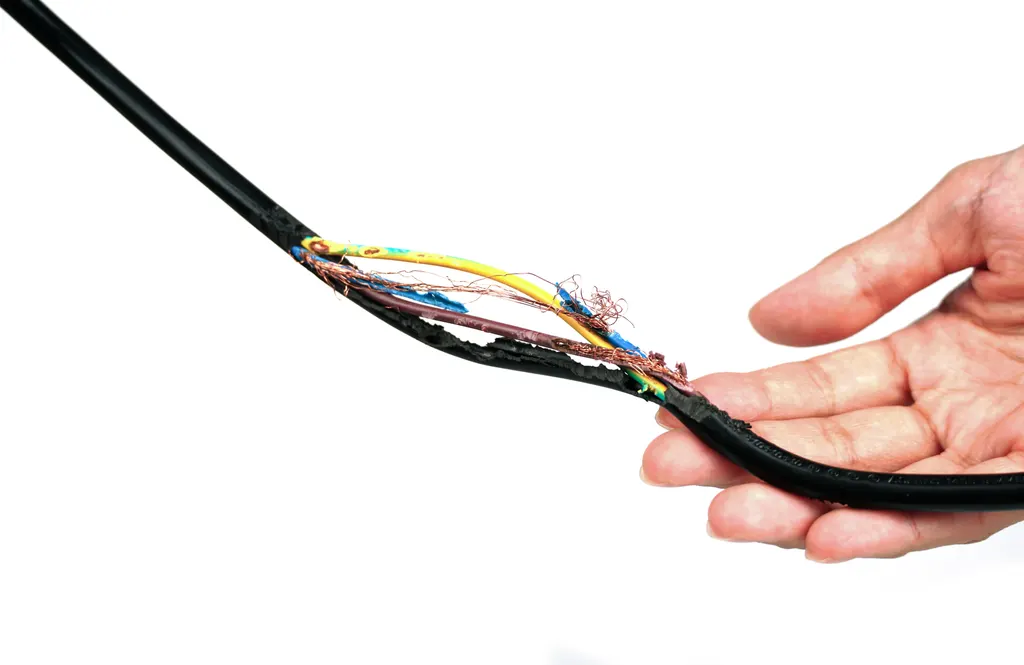
- Insulation embrittlement. Modern NM cable has conductors rated to 90°C but is only allowed to carry current at its 60°C rating, and the jacket and insulation still age with every heat cycle. Cable from the 1960s and 1970s had lower-rated insulation to begin with. Brittle insulation cracks where the cable bends into a box, exposing bare copper an inch from a metal box edge.
- Loosening connections. Copper and especially aluminum expand when hot and contract at night. A wire nut or terminal screw loosens over thousands of cycles, and a loose connection makes its own heat.
- Reduced capacity. A cable that carries 20 amps safely at room temperature carries less at 130°F, so a circuit near its limit runs hotter than the breaker knows.
- Recessed lights. Older cans that are not IC-rated must be kept clear of insulation. Blown insulation added later buries them, trapping heat around the fixture and its cable. Discolored ceiling drywall around a can is the downstairs symptom.
- Flue and air handler. Cables draped over a metal flue or resting on the air handler cabinet sit hotter than the rest of the attic.
The fix for heat is routing: cable off the top of the insulation, clear of flues and cans, and supported so bends are not stressed. Brittle cable is replaced, not re-taped.
Junction Boxes: Missing Covers, Buried Boxes and Hidden Splices
If one of the attic electrical hazards stands above the rest, it is the splice. The NEC requires every splice to be inside a listed box, every box to have a cover, and every box to stay accessible without removing part of the building. In older attics all three rules are routinely broken.
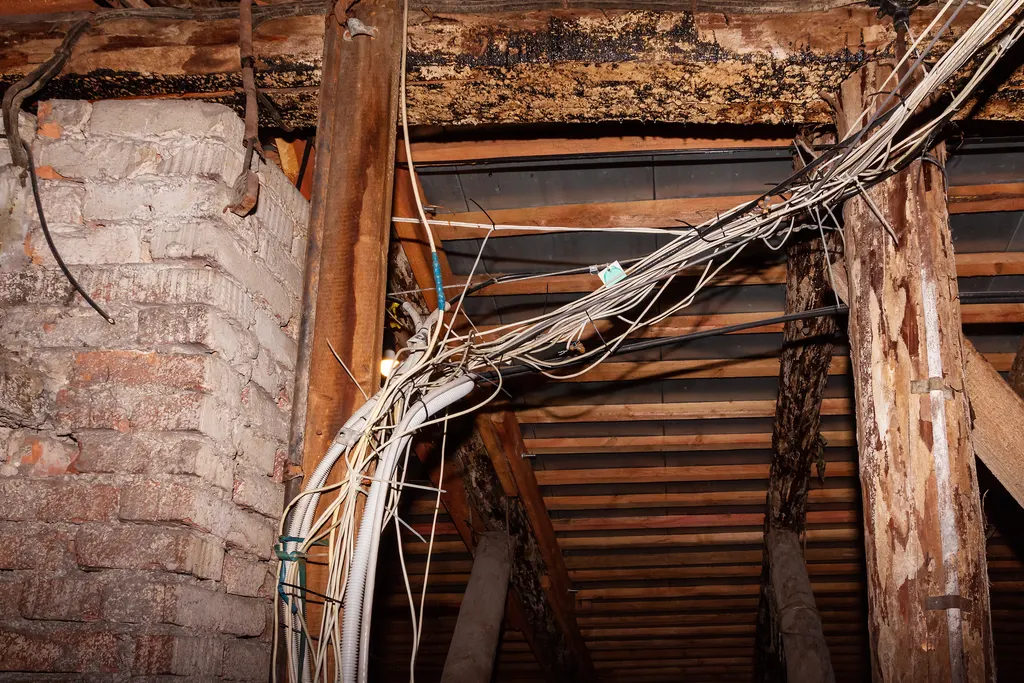
- Open boxes. The cover was removed by someone adding a circuit and never replaced. Dust collects, splices are exposed, and the first time an installer leans on it the wire nuts spread.
- Flying splices. Conductors twisted together with a wire nut and no box, hanging between joists. Common where a ceiling fan, bathroom fan or security light was added by a handyman.
- Buried boxes. Fine until blown insulation covered it. A splice that arcs under a foot of cellulose has fuel on every side.
- Overfilled boxes. Six splices crammed into a box sized for two, so heat cannot escape.
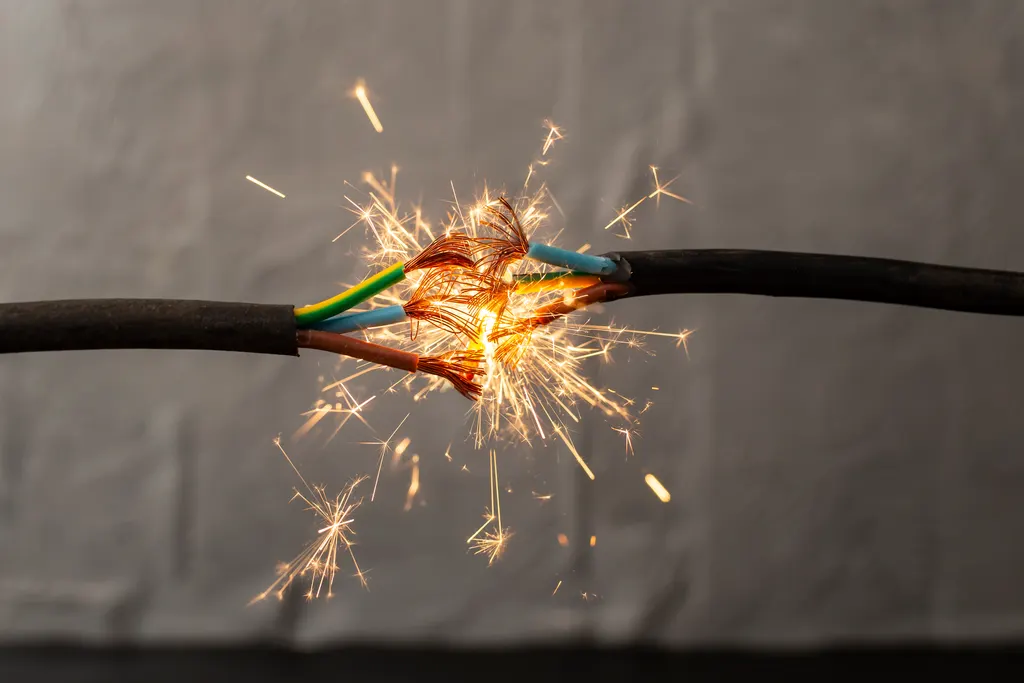
- Arcing inside the box. A loose or corroded splice arcs intermittently. The signs are a discolored or warm box, a burnt-plastic smell near the attic access, an AFCI breaker that trips for no visible reason, or a circuit that works only sometimes.
An electrician correcting this opens each box, remakes the splices, installs covers, raises buried boxes above the insulation and adds boxes where splices were floating. It is tedious, and it is the single most valuable repair in an older attic.
Unsupported Cable, the Scuttle Hole and Storage Damage
Unsupported cable becomes cable that is stepped on, pinched and crushed.
- Support spacing. NM cable must be secured within 12 inches of each box and about every four and a half feet along its run. Cable draped across the joist tops in the walkway between the attic access and the air handler fails this rule and gets walked on every time the filter is changed.
- Near the attic access. Within six feet of the scuttle hole or attic stairs, cable crossing the face of framing must be protected with guard strips or run through bored holes, because that is where people and boxes land.
- Storage. Holiday bins, luggage and old furniture set on cable at 130°F crush insulation that is already soft.
- Decking and HVAC platforms. Plywood decking gets screwed down through cables on the joist tops, and air handler platforms are built over cable that is pinched under a 2x4 and forgotten.
The remedy: cable is lifted, strapped to the sides of joists, routed through bored holes where it crosses walkways, and guarded near the access. Cable with the jacket intact is a correction; cable with the jacket split or crushed is replaced from box to box.
Rodents, Roof Leaks and Moisture Damage to Attic Wiring
The attic is also a habitat and a drainage path.
Rodents
Roof rats and squirrels enter through soffit vents, gable vents and gaps at the roof edge, and they chew cable jackets to wear down their teeth and clear pathways. Chewed cable leaves bare conductors inches apart on wood framing with nesting material nearby. The downstairs clues are a circuit that suddenly dies or an AFCI that will not hold; the attic clues are droppings, gnawed insulation and a musky smell. Call pest control first to seal the entry points, then an electrician to replace every chewed run. Do not spray foam around boxes or cables; it traps heat and hides the damage.
Water
Roof leaks, especially after wind damage from storms like Hurricane Beryl, drip onto junction boxes and run along cables to the lowest point, often a ceiling box holding a light fixture. Water inside a box corrodes splices, and corroded splices behave like loose ones. Condensation from uninsulated ducts and overflowing drain pans does the same thing more slowly.
Both problems are repaired by replacing the damaged section, not by drying it out and hoping.
Aluminum Wiring and Knob-and-Tube in Attics
Two older wiring methods are easiest to identify in the attic.
Aluminum branch wiring
Homes built from roughly 1965 to 1975 across the Houston suburbs often have aluminum conductors on the 15- and 20-amp lighting and receptacle circuits. The jacket is printed "AL" or "ALUMINUM" and the bare conductor is silver rather than copper-colored. Aluminum expands more than copper, creeps under terminal screws and oxidizes, and all three loosen connections. In the attic, every splice between aluminum and copper, such as where a newer circuit was tied into an old one, must use a connector listed for the purpose, not an ordinary wire nut. Our guide on aluminum wiring safety covers the approved repairs and when rewiring is the better answer.
Knob-and-tube
Knob-and-tube is rare in Fort Bend County subdivisions, which were built long after it fell out of use, but it still turns up in pre-1940 homes in older parts of Houston. It has no equipment ground, its rubber insulation is brittle, and by code it cannot be covered by thermal insulation because it sheds heat to open air. An attic blown full of insulation over knob-and-tube is a fire hazard, and the solution is replacement; see rewiring an older home for what that involves.
Attic Electrical Hazards in Katy, Pearland and Richmond Homes
The attics we open sort by neighborhood age. In Katy, the 1980s and 1990s subdivisions along Mason Road and north of I-10 have copper wiring but thirty-plus summers of heat on it; the typical findings are brittle cable at box entries, open boxes left by alarm and cable installers, and non-IC recessed cans buried under insulation added during an energy upgrade. In Pearland, the older stock around the original townsite dates to the 1960s and 1970s and carries aluminum branch circuits and Federal Pacific panels, while Shadow Creek Ranch and the newer sections are mostly clean apart from rodent damage and HVAC-platform pinches. In Richmond, the neighborhoods that predate the Grand Parkway mix all of the above, and the attic is where we find the unpermitted garage conversion or patio circuit a previous owner added.
Climate is the common factor. Every one of these attics exceeds 130°F in summer, and all of them took wind-driven rain during Hurricane Beryl and the May 2024 derecho; roof damage patched quickly often left a leak path over a box nobody checked.
Adding or extending a circuit through the attic is permitted and inspected by the city inside Katy, Pearland or Richmond and by Fort Bend or Harris County outside city limits. The rough-in inspection checks exactly the support, box and protection rules above, which is the best argument for having attic work done by a licensed electrician rather than whoever is already up there.
Attic Wiring Safety Checklist and When to Call a Licensed Electrician
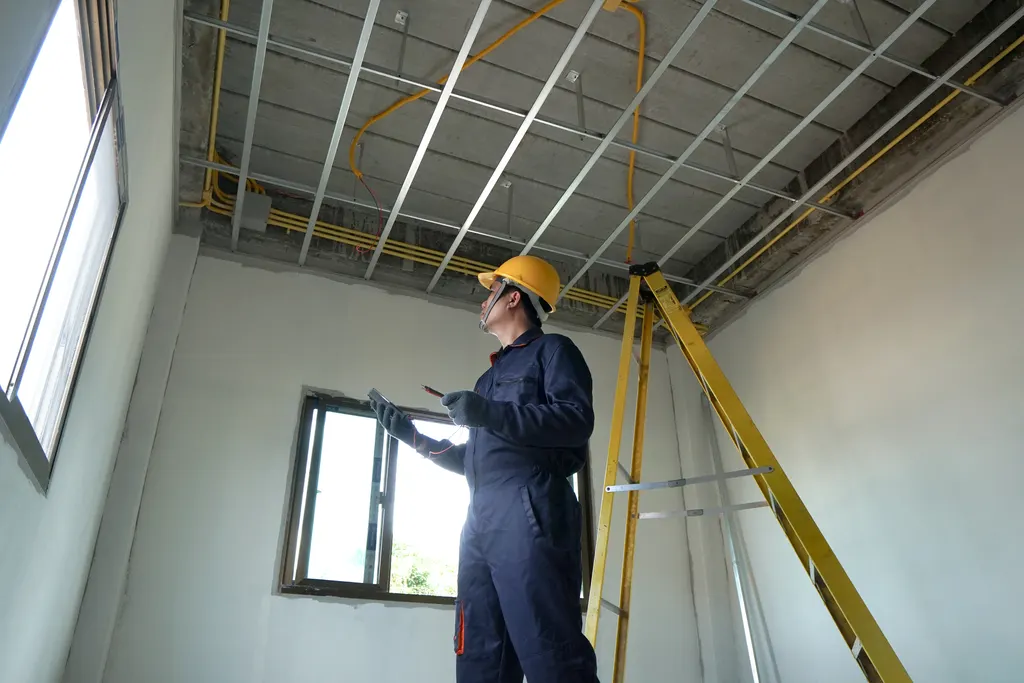
A homeowner can survey for attic electrical hazards from the access ladder and the walkway boards. Do not step between joists or touch exposed conductors, and go early in the morning in summer.
Survey checklist
- Any box without a cover, or any splice visible outside a box.
- Cable lying loose across the top of joists in the walkway, or crushed under stored items.
- Cable jackets that are cracked, flaking or chewed; droppings or nesting material.
- Water stains on the roof decking, boxes or cable; rust on metal boxes.
- Recessed light cans covered by insulation; discolored ceiling drywall below them.
- Cable resting on the furnace flue or the air handler cabinet.
- Jackets printed "AL" or "ALUMINUM."
- A burnt-plastic smell near the access.
What the electrician does
A licensed electrician opens every box, remakes and torques splices, installs covers, raises buried boxes, supports and guards cable, replaces chewed, crushed or brittle runs, remediates aluminum connections with listed connectors, clears or replaces recessed fixtures, and scans the attic circuits with a thermal camera under load.
Cost depends on the number of boxes and splices needing correction, how much cable must be replaced, the presence of aluminum wiring, insulation depth and access. The Local Electrician provides upfront pricing after the survey, free estimates on rewiring, and financing for larger projects. Attic work is uncomfortable, which is why The Local Electrician schedules it early in the day and does it properly once.
Frequently Asked Questions
What are the signs of electrical hazards in an older home's attic?
From inside the house: lights that flicker, an AFCI breaker that trips without cause, a circuit that works intermittently, discolored ceiling drywall around recessed lights, or a burnt-plastic smell near the attic access. In the attic: open or buried junction boxes, cable draped across joists or crushed under storage, chewed or brittle jackets, water stains on boxes and rust on metal fittings.
How can attic electrical problems cause fires?
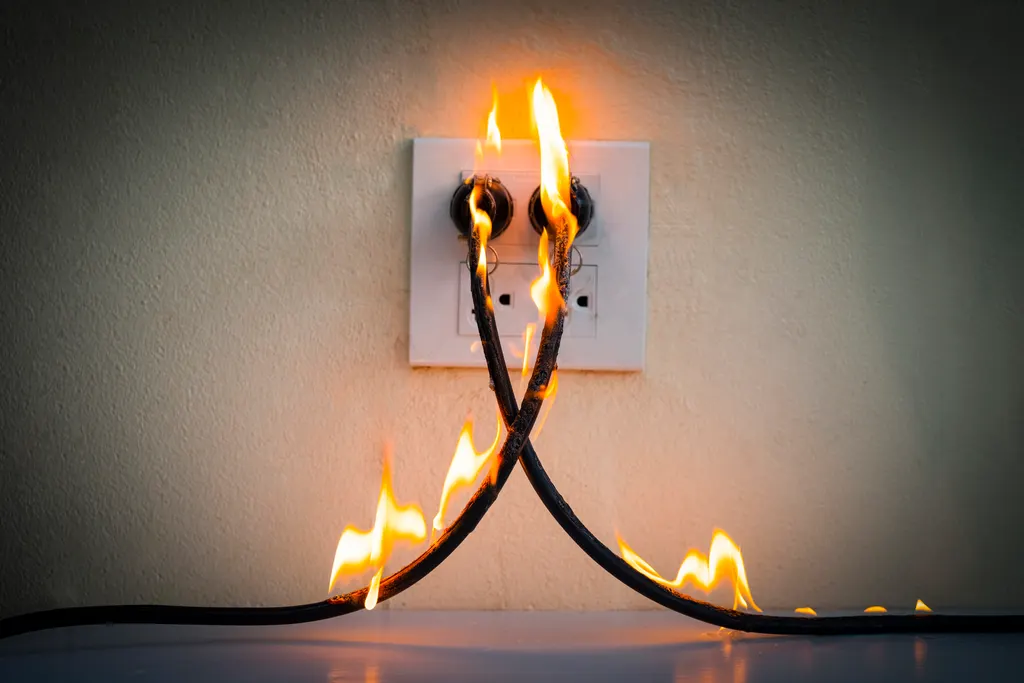
A loose or corroded splice generates heat under load, and in the attic that splice is surrounded by wood framing, dust and insulation. Open boxes let sparks reach fuel, buried boxes trap heat, chewed cable puts bare conductors inches apart on wood, and non-IC recessed lights covered by insulation overheat. Attic fires often burn for some time before smoke reaches a detector downstairs.
Is aluminum wiring safe in an older home's attic?
Aluminum branch wiring from 1965 to 1975 can be made safe, but only with connections made using connectors listed for aluminum, with CO/ALR-rated devices, or by rewiring. Ordinary wire nuts joining aluminum to copper, which are common in attic splices, loosen and overheat. A licensed electrician should inspect every aluminum connection, and attic heat makes that inspection more urgent here than in cooler climates.
Why is knob-and-tube wiring risky?
Knob-and-tube has no equipment ground, uses rubber insulation that becomes brittle with age, and depends on open air to shed heat, so it cannot be covered by thermal insulation. It is rare in Houston-area suburbs but still found in pre-1940 homes in older parts of Houston. Where it exists under attic insulation, replacement is the only safe remedy.
How often should attic wiring be inspected?
Every three to five years for a home older than 25 years, and after any roof leak, rodent problem, storm damage or attic work by another trade. A quick homeowner survey from the ladder twice a year, in spring and fall, catches open boxes and chewed cable between professional visits. Any burning smell or unexplained breaker trip is a reason to inspect immediately.
What should an attic wiring safety checklist include?
Covers on every junction box, no splices outside a box, cable supported along joists and guarded near the attic access, nothing stored on cable, no chewed or cracked jackets, no water stains or rust on boxes, recessed lights clear of insulation unless IC-rated, cable kept off the furnace flue, and aluminum connections made with listed connectors. The Local Electrician checks each of these on an inspection.