





Key Takeaways About Neutral Fault Tracing
Neutral fault tracing finds open loose or damaged neutral conductors that cause flicker and strange voltage readings. This guide is for homeowners and property managers who notice flicker or odd meter behavior and need practical steps before calling a pro.
- Identify affected circuits by observing when and where flicker occurs.
- Prevent equipment damage by recording voltage readings under load.
- Avoid unsafe testing by using non contact testers and powering down.
- Spot hidden damage with visual inspection and thermal scanning.
- Reduce guessing by comparing upstream and downstream voltage readings.
- Plan professional tracing when intermittent faults or burning smells appear.
Introduction
Neutral fault tracing is the process used to find open or damaged neutral conductors that cause flickering lights and odd meter readings. Homeowners often notice lights that brighten or dim when large appliances turn on. Rare but dangerous, a loose neutral can create voltage swings that stress electronics and pose fire risk. In homes near Tomball these symptoms sometimes appear in older wiring or multiple shared neutrals.
Symptoms can feel random and hard to reproduce, which makes the problem stressful for occupants. Flicker, appliances running hot, and inconsistent voltage readings point toward neutral issues. A visible scorch mark or a burning smell near a panel raises immediate concern and demands professional attention. Properties in Richmond, TX can face the same hidden-conductor risks regardless of home age.
Finding the faulty neutral matters because the hazard affects whole circuits and can damage gear. Neutral faults can move dangerous voltage onto neutral paths and onto connected devices. Simple tests at outlets or breakers often do not reveal the fault because the issue sits behind walls or inside junction boxes. A careful diagnostic approach narrows the fault location before repairs begin.
A professional neutral fault tracing process uses observations, measurements, and visual inspection to locate the problem area. Technicians will note when and where flicker happens and compare voltage readings across outlets and the panel. Photographs and written readings provide evidence for repair planning and safety permits when required. Acting sooner reduces the chance of equipment damage and unexpected outages.
How Neutral Fault Tracing Works And Why It Happens
Neutral fault tracing means locating an open, loose, or damaged neutral conductor that causes flicker or strange voltage readings. Technicians start by mapping which outlets, lights, and appliances share a neutral so they can narrow the affected circuit. They use observed symptoms to prioritize where to measure voltage and continuity first. A common homeowner question is whether a neutral fault can show normal at some outlets, yes, intermittent connections can pass basic tests but fail under load.
- Identify affected circuits visually and by occupant reports.
- Compare voltage at multiple points under load.
- Check continuity between neutral points when power is off.
- Inspect panel and junction boxes for loose connections.
- Document readings and locations for repair planning.
Professionals then perform staged measurements to confirm a neutral fault and avoid false leads. They take unloaded and loaded voltage readings at the panel, receptacles, and fixture terminals to spot unusual swings. A clamp meter or voltmeter helps show voltage moving on the neutral when appliances cycle on and off. If readings vary widely between points, that pattern points toward a loose splice, corroded connector, or damaged conductor behind a wall.
Technicians also use visual inspection and selective opening of junction boxes or device locations to find heat damage or loose screws. They may isolate neutral bars to see whether a section of the panel feeds the issue, this helps determine if the problem is in the panel or downstream. For more about panel isolation methods during diagnosis, see the discussion on neutral bar isolation. In Tomball and Richmond, TX homes, these steps reduce time spent tearing out walls.
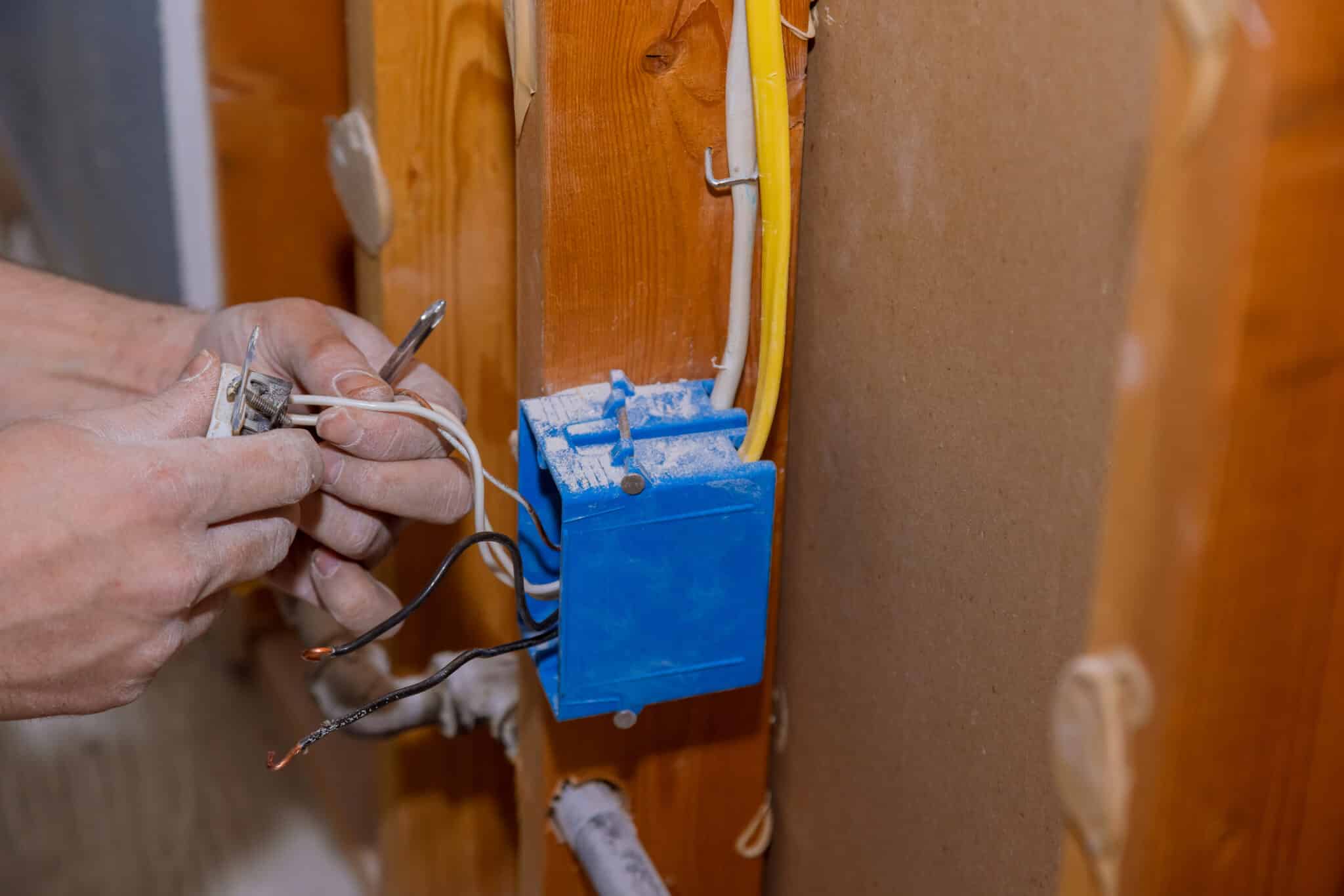
Common Causes Of Hidden Neutral Damage At Home
A common cause is corroded neutral conductors where moisture or age degrades the insulation and metal connection. Corrosion can raise resistance and cause voltage to shift when a load changes, producing intermittent flicker. Professionals look for greenish or powdery deposits on wires and discolored terminals as visual clues. Homeowners might notice outlets that lose power only when humidity or temperature changes increase resistance.
Loose terminal screws at receptacles, switches, or the panel often produce hidden neutral problems that worsen under load. A loose screw may appear tight but can back off enough to create arcing and heat. Technicians will inspect device mounting and screw torque and may find burn marks or melted plastic near the connection. For more on separating neutral and grounding issues during diagnosis, see neutral-ground isolation.
Damaged conductors inside junction boxes or behind walls cause open neutrals when nails, staples, or rodent activity nick the cable sheath. Damage that only nicks the neutral conductor can leave the hot intact while the neutral is intermittent, making the fault hard to spot with basic tests. Electricians often open accessible junction boxes and test continuity and insulation to confirm a hidden break. In Tomball homes, older cable runs and tight attic spaces increase the chance of unnoticed physical damage.
Shared neutrals and multi-wire branch circuits cause confusing symptoms when wiring was modified incorrectly or a neutral splice serves multiple circuits. If a shared neutral has a poor splice, loads on one circuit can push unexpected voltage onto the other circuit. Inspectors measure voltage under known loads and trace conductor routing to confirm whether circuits share a neutral. Properties in Richmond, TX with renovations sometimes reveal previously altered wiring paths that lead to these faults.
Recognizing Warning Signs From Flicker And Odd Readings
Frequent dimming when a specific appliance cycles often signals a neutral with rising resistance rather than a simple loose hot. Note whether flicker aligns with appliance use, breaker trips, or weather changes to help narrow the area. A homeowner who records times and devices that trigger flicker gives a valuable pattern for a technician to follow. Photographic records of scorch marks or discolored outlets can support the diagnosis and speed targeted inspection.
Odd meter readings that vary between outlets on the same circuit point toward a hidden splice or damaged conductor behind a wall or in a junction box. Measure voltage under load and compare readings at multiple receptacles to see where the swing begins. Thermography can reveal hot connections at the panel or device and complement voltage checks, technicians often use a thermal scan to find overheating neutrals during inspection. For examples of panel-level thermal work, see a discussion of panel thermal imaging.
Intermittent power to lamps or outlets that come and go with vibration or door movement suggests a mechanical break near a device or in a cable run. Listen for small arcs or buzzing at outlets when the issue occurs, and note any burning smells which indicate urgency. Professionals will check device mounting, terminal screws, and wire strain relief before opening walls to locate the break. In Tomball area homes, attic and crawlspace access points often reveal movement-related wire damage.
When neutral problems affect multiple circuits, suspect a shared neutral splice or multi-wire branch circuit issue that changes voltage distribution under load. A technician will isolate circuits and test continuity from the panel to each device to confirm where the neutral path opens. Expect them to use clamp meters and voltage readings while different loads run to reproduce the abnormal readings safely. Properties in Richmond, TX with renovations can hide incorrect neutral connections behind finished surfaces, making tracing essential.
Simple Tools And Tests Homeowners Can Safely Use
Homeowners can perform safe, low-risk checks before calling a pro to assist with neutral fault tracing. Start by unplugging sensitive electronics and turning off major appliances to reduce variable loads during tests. Use a non-contact voltage tester at receptacles and switch faces to confirm presence of voltage without opening devices. If a tester indicates unexpected voltage where none should exist, stop and contact a professional for a controlled inspection.
- Use a non-contact voltage tester to check for live conductors.
- Measure outlet voltage with a digital multimeter under no-load conditions.
- Compare voltages between neutral and ground at different receptacles.
- Inspect visible junction boxes for loose wire nuts and discoloration.
A basic digital multimeter helps homeowners compare measurements between outlets for neutral fault tracing without invasive work. Measure hot-to-neutral, hot-to-ground, and neutral-to-ground voltages at several receptacles on the same circuit. Record these values and note any large differences or readings that change when an appliance turns on. If voltages swing significantly under load, the pattern helps a technician narrow the fault location before opening walls.
Visual and tactile checks in accessible areas can reveal mechanical issues that contribute to neutral faults. Look for discolored outlet faceplates, loose device mounting, or warm covers that suggest a poor connection. Tighten outlet screws only after turning power off at the breaker and verify the breaker feeds the correct circuit using a labeled map. If you do not have a map, consider professional load center mapping to document circuits and support neutral fault tracing.
Simple continuity checks can indicate an open neutral but require power off and basic skill to avoid mistakes. With power disconnected at the panel, use the multimeter continuity function between the outlet neutral and the neutral bar to confirm a continuous path. Note that some intermittent faults will show continuity yet fail under load, so these results guide but do not guarantee resolution. When in doubt or when tests produce inconsistent results, hiring a licensed electrician reduces safety risk and speeds accurate repairs.

Step By Step Neutral Fault Tracing For Outlets
Start by isolating one outlet where flicker appears and remove the cover plate with power off at the breaker. Inspect the neutral terminal and the cable entry for loose wires or damaged insulation visible inside the box. If wiring looks intact, restore power and measure hot-to-neutral and neutral-to-ground voltages at that outlet while a known load operates. Record those readings to see if voltage shifts occur only when the load cycles.
Next, compare the suspect outlet readings with another outlet upstream toward the panel while the same load runs. If the upstream outlet shows stable voltages but the suspect outlet swings, the fault likely lies between those points. With power off, test continuity from the suspect neutral to the panel neutral bar to confirm a continuous conductor path. Keep in mind that intermittent faults may show continuity yet fail under load, so use both live and dead tests.
If continuity and comparisons point to an intermediate junction box or cable run, remove accessible device covers to inspect splices and wire nuts for heat damage or loose connections. Infrared scans by a professional help find hot neutrals hidden in panels or junctions without destructive opening. A technician will often reproduce the load conditions while measuring to confirm the exact splice or connector that changes resistance under load. For technical background on how fault currents affect conductor behavior during these tests, consult the discussion on fault current calculation.
When testing multi-wire branch circuits, check both circuits simultaneously because a shared neutral fault shows cross-circuit voltage swings under load. Listen for arcing or buzzing sounds near devices during load changes and note any burning odors as signs of urgent repair needs. If tests require opening attic or crawlspace runs, take photos and labeled readings to guide targeted repairs and to share with the electrician. Homeowners in Tomball and Richmond, TX should document findings to speed a licensed electrician’s definitive tracing and safe repair work.
When To Call A Professional For Neutral Fault Tracing
If tests still show inconsistent voltages or you detect burning smells, stop and call a licensed electrician immediately. A professional has experience diagnosing intermittent neutral faults that only appear under specific load patterns. They use safe live-testing procedures and proper lockout-tagout to avoid shock or fire hazards while tracing. Homeowners who notice sudden equipment failure should consider prompt professional diagnosis to limit damage.
A technician will perform staged isolation and use advanced diagnostic tools to confirm a neutral fault and its location. They may use a clamp meter, voltmeter, and thermal imager together while different loads run to reproduce the fault safely. Professionals also inspect junction boxes, device terminals, and the panel for hidden heat damage that a homeowner cannot safely access. Expect them to document readings and take photographs for a clear repair plan.
Call a pro when a neutral fault affects multiple circuits, shows arcing sounds, or causes repeated breaker trips under normal loads. These signs suggest a splice, multi-wire branch circuit issue, or panel-level problem that requires trained intervention and possibly a permit. A licensed electrician will verify continuity to the neutral bar and safely open suspect junction boxes or wall sections if needed. For suspect wiring that looks degraded or modified, professionals will compare findings to common wiring defects found during inspections of faulty wiring.
If the issue appears in difficult access areas like attics, crawlspaces, or behind finished walls, professional tracing reduces unnecessary damage. Technicians follow a diagnostic path that minimizes demolition by confirming the fault zone before cutting drywall or removing insulation. Homeowners in Tomball and Richmond, TX often benefit from documented test results that support targeted repairs and any required permits. When safety risk is moderate to high, hiring an electrician speeds a reliable, code-compliant fix.
Repair Options And What A Pro Will Check First
A professional first confirms the neutral fault by reproducing symptoms with controlled loads while monitoring voltages. They will record hot-to-neutral and neutral-to-ground readings at the panel and at device locations. Technicians check torque on neutral bar screws and inspect for discoloration or heat damage. This step determines whether repairs must begin at the panel or downstream in branch wiring.
- Replace or tighten loose neutral terminations.
- Repair or re-splice damaged neutral conductors.
- Replace burned device or panel components.
- Re-route or secure wiring to prevent mechanical damage.
If the fault lies in a device or junction, the pro will open accessible boxes to inspect splices and insulation. They may reterminate conductors with proper torque and install new wire nuts or mechanical connectors rated for the conductors. For damaged cable runs, they will cut back to sound insulation and splice or replace the affected section. This work restores a continuous low-resistance neutral path and reduces future heating risk.
When panel-level issues appear, the electrician may replace the neutral lug or upgrade the neutral conductor if undersized or oxidized. They will also check for shared neutral connections on multi-wire branch circuits and separate them when required. A thermal image and live-current readings help confirm the repaired connection stays stable under load. After repairs, professionals document readings and provide a written report for homeowner records.
Homeowners should expect the technician to advise on safety improvements after repair and to recommend an inspection when needed. A full electrical inspection can validate overall system integrity and reduce recurrence risk. For homeowners who want this verification, consider scheduling a professional electrical inspection for a complete assessment. In Tomball and Richmond, TX properties this final check helps ensure repairs meet local expectations and homeowner peace of mind.
Preventive Measures To Avoid Future Neutral Problems
Install tamper-resistant, strain-relief connectors where cables enter junction boxes to reduce movement that can loosen neutrals over time. Secure cables to framing within six inches of devices so pulls do not stress terminations during use. Use proper connector sizes and rated wire nuts when splicing to maintain low-resistance neutral paths under load. A professional can confirm torque specifications on panel and device terminals after installation to ensure long-term stability.
Label circuits clearly in the panel and create a simple circuit map showing which outlets and fixtures share a neutral conductor. Accurate mapping lowers the chance of accidental multi-wire branch circuit mistakes during future renovations. Keep photos and recorded voltage readings after any repair so changes in performance are easy to spot later. This documentation helps technicians avoid repeated work and speeds any future neutral fault tracing.
Use GFCI and AFCI protection where required to reduce fire risk from arcing and ground faults that can accompany deteriorating neutrals. These devices do not fix a bad neutral but add protective layers to prevent dangerous outcomes while you arrange repairs. Schedule periodic visual inspections of accessible junction boxes and the service panel to catch discoloration or loose connections early. Homeowners in Tomball should include these checks during seasonal maintenance rounds to catch issues before they worsen.
Avoid running oversized loads on shared neutrals and distribute major appliances across different breakers when possible to reduce neutral current stress. When planning renovations, notify the electrician so they can verify neutral routing and prevent shared-neutral mistakes that cause strange voltages. For properties that experience intermittent partial power symptoms, consider a professional evaluation that documents intermittent readings and pinpoints weak neutral points. For more on related symptoms and targeted diagnosis, review the guidance on partial power outages as part of preventive planning in Richmond, TX.
Frequently Asked Questions
What is neutral fault tracing and when is it needed?
Neutral fault tracing locates open, loose, or damaged neutral conductors that cause flicker and strange voltage readings in a home. Technicians use voltage testing, continuity checks, and visual inspection at panels, junction boxes, and receptacles to find breaks. This work becomes necessary when multiple circuits show odd voltages, lights flicker, or appliances behave unpredictably. Because live parts and shared neutrals create shock and fire risk, contact a licensed electrician for diagnosis and repair.
How do I tell if a neutral is causing lights to flicker?
Flicker that comes with appliances changing load often hints at a loose or open neutral causing voltage imbalance. Check for odd voltage readings at outlets and the panel using a multimeter or recorded footage of fluctuations. A loose neutral often causes multiple circuits to flicker together or lights to brighten when others turn off. Exercise caution around the service panel and contact a licensed electrician for neutral fault tracing and repairs if you suspect a problem.
What simple tests help with neutral fault tracing at outlets?
Start with a non-contact voltage tester to check for presence or loss of hot at the outlet while appliances are off. Use a multimeter to measure hot-to-neutral and hot-to-ground voltages to spot odd readings that suggest a neutral issue. Perform a continuity or low-resistance check on the neutral with the circuit de-energized, but caution: de-energize the breaker and confirm zero voltage first. If readings remain unclear or you’re uncomfortable, contact a licensed electrician to complete neutral fault tracing safely.
How does a professional confirm an intermittent neutral fault?
A professional confirms an intermittent neutral fault by reproducing symptoms while monitoring voltages at the panel and affected outlets. They use a multimeter and clamp meter to record voltage swings and neutral current under load. Technicians may inspect junction boxes and secure connections, then perform continuity and wiggle tests while observing readings. Because live work carries shock and fire risk, hire a licensed electrician for safe diagnosis and repair.
When should I call an electrician for suspected neutral issues?
Call an electrician when you notice repeated flicker, odd voltage readings, or lights changing brightness without an appliance change. If multiple circuits show simultaneous strange behavior, that often points to a shared neutral problem. Because open or damaged neutrals can cause shocks, fire risk, or equipment damage, stop using affected circuits and seek professional help. A licensed electrician will perform neutral fault tracing, inspect panels and junction boxes, and make safe repairs.