





Fault current calculation is an essential step before upgrading any electrical panel in your home or business. This process helps identify the maximum current that could flow during a fault, protecting your system. Homeowners in Katy, TX, as well as nearby Rosenberg, need accurate calculations for safety and compliance. Understanding fault current calculation ensures your electrical upgrades meet local codes and prevent hazards.
Every panel upgrade project should start with a thorough assessment of available fault current. This evaluation is not just for large commercial buildings, it’s crucial for residential properties too. By knowing the potential fault current, electricians can select proper equipment and safety devices. Richmond, TX residents benefit greatly from this careful approach.
Ignoring fault current calculation can lead to serious risks, including equipment damage or even fire. Modern electrical systems are more complex, making precise calculations even more important. Licensed electricians rely on established methods to determine the safest approach. This proactive step safeguards your property and everyone inside.
Fault current calculation also supports long-term reliability and efficiency for your electrical system. When done correctly, it minimizes downtime and unexpected repairs after an upgrade. Home and business owners gain peace of mind, knowing their panels are built to handle real-world conditions. As technology evolves, staying informed about fault current calculation remains a smart choice for everyone.
Understanding Fault Currents in Electrical Panels
Understanding how fault currents develop in electrical panels is vital for any upgrade project. Fault current calculation reveals the amount of current that can surge during a short circuit or equipment failure. This information helps electricians in Rosenberg choose protective devices that can handle unexpected events. By preparing for these scenarios, you protect your property and electrical investment.
Several factors influence the results of a fault current calculation. The type and size of electrical conductors, as well as the distance from the power source, play a role. Transformers and utility supply characteristics also affect the available fault current in a panel. Considering each element ensures the calculation is accurate and reliable.
When electrical panels are upgraded, changes in wiring or equipment can alter fault current levels. Even small adjustments can impact the system’s overall safety. Richmond, TX homeowners benefit when licensed professionals recalculate fault current after every significant change. This practice keeps your panel compliant and ready for future demands.
Proper fault current calculation helps prevent dangerous situations by ensuring circuit breakers and fuses operate as intended. If these devices are undersized, they may fail during a fault, risking fire or injury. A thorough calculation supports safer, more dependable electrical panels for homes and businesses. This attention to detail promotes confidence in your electrical system’s performance.
Why Accurate Fault Current Calculation Matters
Accurate fault current calculation is the foundation of a safe electrical panel upgrade. It ensures that all components can withstand and interrupt potential fault conditions. Without precise calculations, panels may be at risk during unexpected electrical faults. This step is especially important for properties in Rosenberg, where local codes demand strict adherence.
When electricians perform a fault current calculation, they help prevent equipment failure and electrical hazards. Correct calculations allow for the selection of breakers and fuses that match real-world demands. This attention to detail reduces the risk of fire and costly repairs. Homeowners and businesses benefit from a safer, more reliable electrical system.
An accurate fault current calculation also supports insurance and inspection requirements. Insurers and inspectors often verify that panels meet safety standards before providing coverage or approval. Failing to calculate correctly can delay projects and increase liability. Richmond, TX property owners gain peace of mind knowing their upgrades are fully documented and compliant.
Investing in a professional fault current calculation protects your property for years to come. Upgrades based on accurate data last longer and perform better under stress. As technology advances, this calculation remains a crucial part of every electrical project. Trusting licensed electricians with this task ensures your panel is ready for any challenge.
Key Factors Affecting Fault Current Levels
Several key factors influence the outcome of a fault current calculation during a panel upgrade. The size and material of conductors directly affect how much current can flow during a fault. Shorter distances between the power source and the panel usually result in higher available fault current. Electricians in Rosenberg carefully assess these details to ensure accurate results.
Transformer characteristics also play a major role in fault current calculation. The transformer’s impedance limits the maximum current that can reach your panel during a short circuit. Utility supply conditions, such as voltage and available capacity, further impact the calculation. Richmond, TX property owners benefit when these elements are thoroughly evaluated.
Connections and splices within the electrical system can change resistance levels, affecting the available fault current. Older wiring or corroded connections may increase resistance, lowering the calculated fault current. Modern upgrades often involve replacing or improving these components for greater accuracy. Each adjustment supports a safer, more reliable panel.
Environmental conditions, such as temperature and humidity, can also influence conductor performance. Higher temperatures may increase resistance, which impacts fault current calculation results. Licensed electricians account for these variables during every assessment. This attention to detail ensures your upgraded panel meets both safety standards and real-world demands.
Methods for Fault Current Calculation
Fault current calculation relies on several proven methods to ensure accuracy and safety during panel upgrades. The most common approach is the point-to-point calculation, which evaluates each section of the electrical system separately. Electricians use this method to determine the available fault current at specific locations within the panel. This step-by-step process helps identify the highest potential fault current to select the right protective devices.
Another method involves using software tools designed for electrical analysis. These programs simplify complex calculations by modeling the entire system, including transformers, conductors, and connections. Electricians in Rosenberg often choose this approach for larger or more intricate electrical networks. The software quickly provides detailed results, supporting precise fault current calculation for safer upgrades.
A third technique is the use of standardized tables and charts provided by manufacturers. These resources offer quick references for typical conductor sizes, transformer ratings, and system configurations. Richmond, TX professionals may use these tables for smaller projects where conditions are well understood. While less detailed, this method still supports reliable fault current calculation when applied correctly.
Manual calculations remain valuable for verifying results or addressing unique situations. Electricians start by gathering key data, such as voltage, impedance, and distance from the power source. They then apply established formulas to estimate the available fault current at the panel. Combining manual and automated methods ensures a comprehensive fault current calculation for every upgrade project.
Tools and Software for Fault Current Calculation
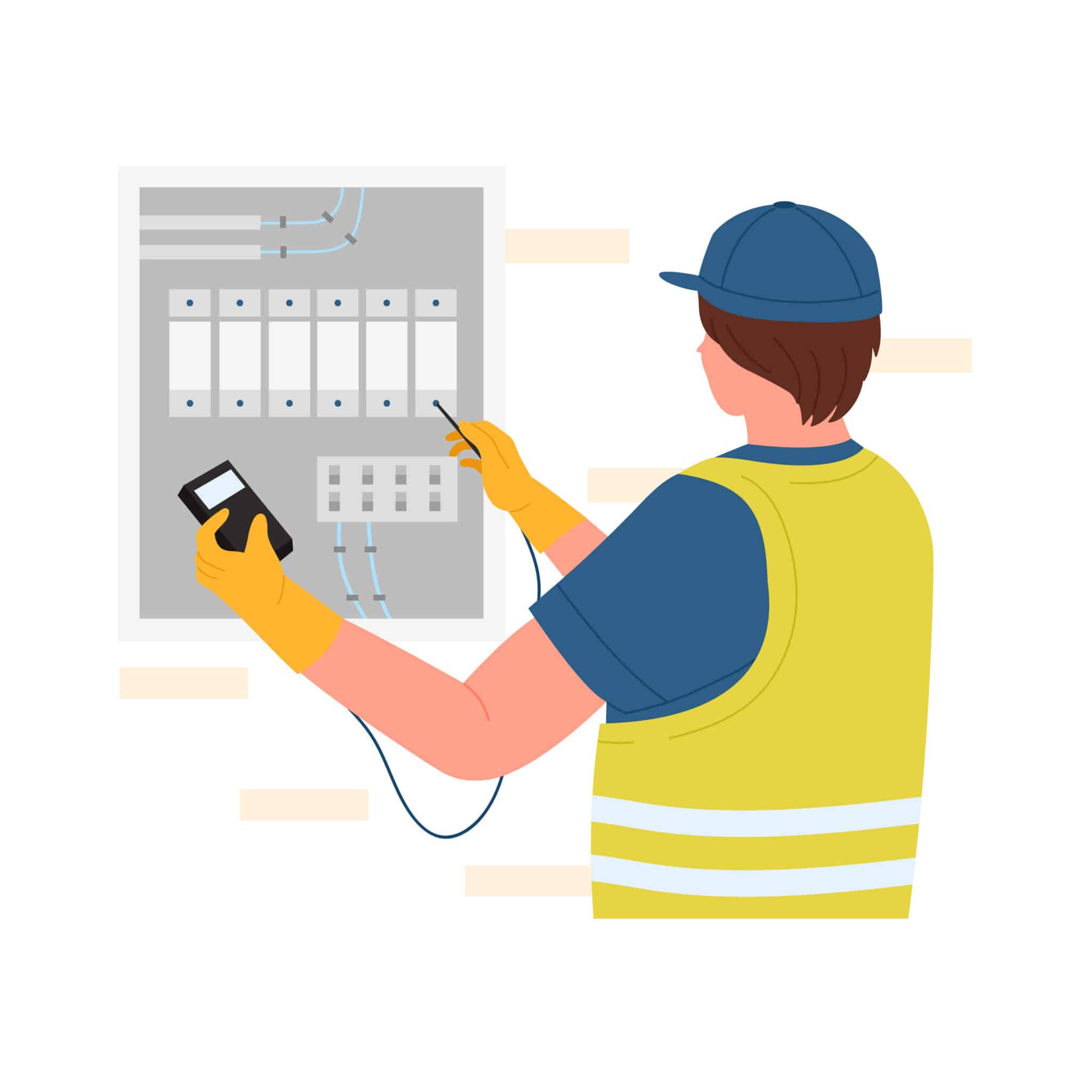
Electricians rely on specialized tools and software to perform accurate fault current calculation before any panel upgrade. Digital multimeters and clamp meters help gather real-world data from existing electrical systems. These readings provide the foundation for precise calculations, ensuring all factors are considered. By using reliable instruments, electricians reduce the risk of errors during upgrades.
Advanced software programs streamline the fault current calculation process for complex electrical networks. These tools model the entire system, including conductors, transformers, and protective devices. Electricians in Rosenberg benefit from the detailed analysis these programs offer. The software quickly identifies the highest available fault current, supporting safer equipment selection.
Many professionals in Richmond, TX use mobile apps for quick field calculations. These apps allow instant access to formulas, tables, and reference data. Electricians can verify their results on-site, saving time and improving accuracy. Mobile solutions are especially helpful for smaller projects or initial assessments.
Manual tools, such as calculation worksheets and reference charts, still play a valuable role in fault current calculation. These resources support double-checking software results and handling unique scenarios. Combining digital and manual methods ensures thorough analysis for every upgrade. This careful approach keeps electrical panels safe and compliant.

Step-by-Step Guide to Performing Fault Current Calculation
Starting a fault current calculation begins with gathering essential system information. Electricians record the voltage, transformer details, conductor sizes, and distances from the power source. Accurate data collection is crucial for reliable results and a safer panel upgrade. This step lays the groundwork for every calculation that follows.
Next, electricians determine the total impedance in the circuit. They add up the impedance values for transformers, conductors, and connections along the path. This figure directly impacts the available fault current at the panel. Professionals in Rosenberg ensure each component is carefully measured for precision.
With all values in hand, the actual fault current calculation takes place. Electricians use established formulas to divide system voltage by total impedance. This calculation reveals the maximum current that could flow during a fault. The result guides the selection of protective devices and equipment ratings.
Finally, the results are reviewed and verified using software or reference tables. Electricians in Richmond, TX double-check their findings to confirm accuracy and compliance with local codes. This careful review helps prevent mistakes and supports long-term safety. A thorough fault current calculation ensures your panel upgrade is both effective and secure.
Interpreting Results for Panel Upgrades
After completing a fault current calculation, electricians carefully interpret the results to guide panel upgrades. The maximum available fault current determines which circuit breakers and fuses are suitable for the system. Selecting devices with ratings above the calculated value ensures reliable protection during faults. This step is vital for preventing equipment damage and electrical hazards.
Electricians in Rosenberg review the fault current calculation to confirm all chosen components meet safety requirements. They compare the results with manufacturer specifications and local code standards. Any mismatch can lead to unsafe conditions or failed inspections. By aligning equipment ratings with the calculation, upgrades remain both compliant and secure.
In Richmond, TX, professionals use the calculation to decide if existing wiring and panels can handle higher fault currents. If the available fault current exceeds equipment ratings, upgrades or replacements are necessary. This proactive approach prevents future failures and extends the lifespan of electrical systems. It also helps avoid costly repairs after an upgrade.
Interpreting a fault current calculation is more than just reading numbers, it’s about making informed decisions for long-term safety. Electricians double-check their findings to ensure every detail supports a reliable upgrade. This careful process gives homeowners and businesses peace of mind. With accurate interpretation, your electrical panel will be ready for any challenge.
Common Mistakes in Fault Current Calculation
Even experienced electricians can make mistakes during fault current calculation, leading to unsafe panel upgrades. One common error is using outdated or incorrect data for transformers, conductors, or system voltage. In Rosenberg, failing to update records after equipment changes often results in inaccurate calculations. Reliable upgrades depend on current, precise information at every step.
Another frequent issue is overlooking the impact of conductor length and size on fault current calculation. Longer wires or undersized conductors can increase resistance, reducing available fault current below safe levels. Electricians must measure and verify these details before every upgrade. Ignoring them can cause protective devices to malfunction during a fault.
Some professionals in Richmond, TX rely solely on software without double-checking results with manual calculations or reference tables. While software streamlines the process, it may miss unique system characteristics or installation quirks. Cross-verifying results ensures the fault current calculation is both accurate and code-compliant. This extra step helps prevent costly errors and failed inspections.
Misinterpreting manufacturer data or local code requirements is another risk during fault current calculation. Using incorrect breaker or fuse ratings leaves panels vulnerable to damage or fire. Electricians should always match device ratings to calculated fault current values. Careful attention to these details supports safer, more reliable electrical panel upgrades.
Frequently Asked Questions
What is fault current calculation in electrical panel upgrades?
Fault current calculation determines the maximum electrical current that could flow during a fault, such as a short circuit. Electricians use this method to assess if new panel equipment can safely handle unexpected surges. Accurate fault current calculation helps prevent equipment damage and ensures compliance with safety codes. By understanding these values, professionals in Katy, TX, can complete safer and more reliable panel upgrades.
Why is fault current calculation important for safety?
Fault current calculation protects people and property by revealing potential electrical hazards before panel upgrades begin. This process helps electricians in Katy, TX, select equipment that withstands dangerous surges without failing. By identifying risks early, professionals can prevent fires, injuries, or unexpected outages. Regular fault current calculation ensures every upgrade meets local safety codes and delivers peace of mind.
How do you determine the required rating for a panel upgrade?
To determine the required rating, electricians first perform a fault current calculation at the service entrance. This value guides the selection of panels and breakers that can safely handle possible surges. Next, professionals compare equipment ratings to the calculated fault current to ensure proper protection. In Katy, TX, this careful process helps guarantee that every panel upgrade meets safety codes and supports reliable operation.
What tools are used for accurate fault current measurement?
Electricians use specialized meters and software to perform accurate fault current calculation in electrical systems. These tools measure voltage, current, and impedance at key points within the panel. Advanced diagnostic equipment ensures precise readings, helping professionals in Katy, TX, choose the right protection devices. Reliable fault current calculation supports safer panel upgrades and reduces the risk of electrical hazards.
What are common mistakes during panel fault current calculations?
Common mistakes include skipping key steps in the fault current calculation or using outdated data for electrical panels. Sometimes, electricians overlook changes in the utility supply or ignore recent wiring updates in Katy, TX homes. Misreading meter results or entering wrong values into calculation software can also lead to unsafe panel upgrades. Careful fault current calculation helps prevent these errors and ensures reliable protection for every electrical system.