





Key Takeaways About Generator Noise Reduction
Generator noise reduction covers placement, mounts, enclosures, pads, and maintenance to lower perceived sound and vibration. This summary helps homeowners and property managers decide when to act during outages or recurring noise issues.
- Identify the main noise source by listening at intake and exhaust.
- Prevent vibration transfer with proper pad level and isolation mounts.
- Avoid trapping heat by keeping enclosures ventilated and serviceable.
- Spot loose panels and fasteners during a running diagnostic check.
- Reduce exhaust tone with proper mufflers and routed piping.
- Plan professional diagnostics when noise changes or persists after maintenance.
Introduction
Standby generators keep power flowing when the grid fails, but they can also create constant noise that bothers neighbors and families. Excessive vibration and exhaust hum make sitting on a porch or sleeping difficult during an outage. For homeowners in Pearland, an overly loud unit can trigger neighbor complaints and reduce property enjoyment. Addressing generator noise reduction matters for safety and livability during prolonged outages.
Noise often comes from placement, loose mounts, or inadequate enclosures rather than the generator itself. A unit sitting close to a bedroom window or on a soft surface multiplies sound and vibration. Proper pads and secure mounting reduce rattle and structure-borne noise that travels through floor joists. Understanding the real sources helps homeowners choose effective fixes instead of chasing louder symptoms.
Enclosures and barriers can cut perceived sound but they must still allow airflow and service access. A poorly designed enclosure traps heat and can interfere with exhaust flow and maintenance tasks. Local conditions in Katy, TX influence how close neighbors tolerate steady noise and where units can sit on a property. Choosing the right balance keeps systems quieter without creating new safety or service problems.
Ongoing maintenance also plays a big role in keeping a standby system quiet over years of use. Worn mounts, loose panels, and clogged mufflers increase noise as components age. A professional inspection with simple diagnostic checks clarifies whether noise comes from the engine, exhaust, or installation. Scheduling regular service prevents small issues from turning into a noisy, disruptive problem.
How Standby Generators Produce Noise And Why It Happens
How standby generators produce noise and why it happens refers to engine, exhaust, mechanical, and airborne sound sources from fixed systems.
- Engine combustion creates a steady tonal hum.
- Exhaust flow produces low-frequency rumble.
- Loose panels cause intermittent rattles.
- Vibration transmits through pads into nearby structures.
Combustion noise comes from the engine firing and air intake pulses during load changes, which homeowners often notice first. A common homeowner question asks whether the exhaust or engine is louder, and the short answer is both can dominate depending on load and muffler condition. Professionals diagnose the louder source by listening at the intake, exhaust outlet, and around mounting points while the unit runs. Simple checks include feeling for vibration at the pad and using a sound meter to compare decibel levels near the generator and at the house.
Mechanical noise often appears as metallic beating or rubbing when mounts, brackets, or panels loosen with age. Improperly installed anchors let the whole unit shift and make structure-borne noise travel into floors and walls. A clear sign is when sound increases when nearby doors or windows face the unit, which suggests airborne and transmitted components. Technicians will inspect engine mounts, control box fasteners, and panel fitment during a diagnostic visit.
Exhaust noise and backpressure increase if mufflers clog or exhaust pipes corrode, creating deeper rumble or popping. Enclosures and nearby walls can amplify low-frequency sound by reflecting it back toward living areas in unpredictable ways. For systems that exercise automatically, timing and frequency of tests affect perceived noise, so installing a proper exercise timer can help manage when neighbors hear the unit. In Pearland and Katy, TX properties, these same sources explain why some installations sound louder inside bedrooms or on outdoor patios.
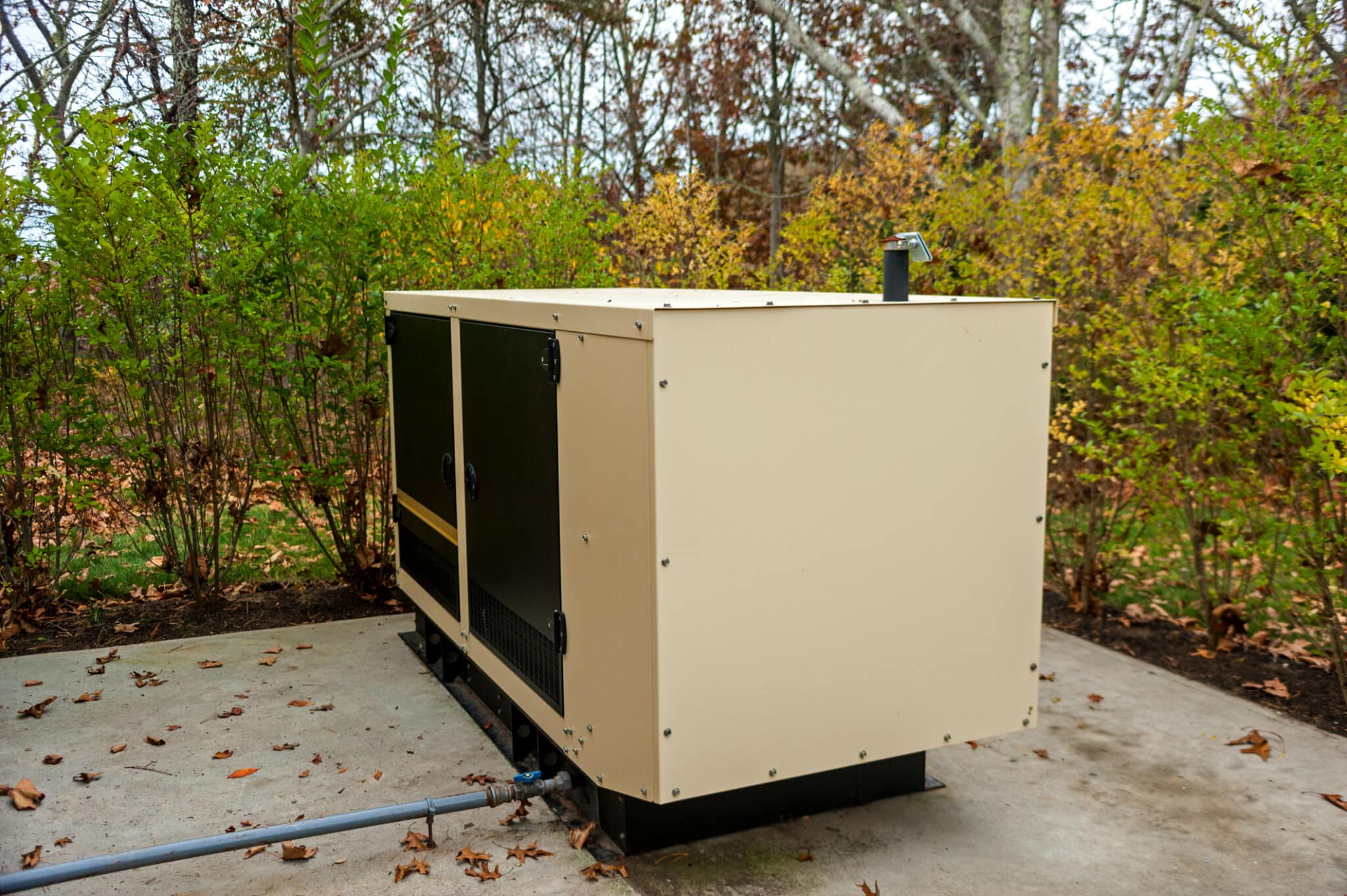
Common Causes Of Excessive Generator Noise At Home
Worn engine mounts and rubber isolators are a frequent cause of increased vibration and buzzing during operation. When mounts crack or compress, energy transfers into the pad and nearby structure, creating a constant thump or rattle homeowners notice inside rooms. A tech inspects mount condition by visually checking for tears and by feeling for excessive movement while the unit runs. If mounts fail, replacement with rated isolators usually reduces transmitted noise immediately.
Loose panels, service doors, and accessory attachments create intermittent bangs and metallic rattles that seem random. Fasteners loosen from thermal cycling and vibration, so technicians check panel screws, hinge pins, and control box brackets during diagnostics. A simple diagnostic step uses hand-applied pressure to reproduce the rattle while the generator runs, helping locate the loose component quickly. Tightening or replacing worn fasteners eliminates many of the sharp, annoying noises homeowners report.
Exhaust leaks and deteriorated mufflers often show as louder, lower-frequency rumble and occasional popping under load. Professionals inspect the exhaust flange, hangers, and muffler body for holes or rust and listen near the outlet to confirm source location. Repair options include sealing small leaks, replacing the muffler, or adjusting pipe routing to prevent resonance against structures. Monitoring exhaust condition periodically helps avoid sudden noise increases and keeps backpressure within safe limits.
Improper support under the unit or a cracked pad can let the generator tilt and contact nearby elements, amplifying both vibration and airborne sound. Technicians will inspect pad level, anchor bolts, and edge clearance to diagnose support-related noise issues during an on-site check. Upgrading to a properly sized concrete or composite pad with vibration isolators often cuts structure-borne noise noticeably. For long-term peace of mind, homeowners can add remote alarm or monitoring systems to detect unusual vibration patterns, as explained in this backup generator monitoring resource.
Recognizing Warning Signs Of Faulty Generator Components
Early signs of component failure often show up as changes in how the unit starts or runs, like longer cranking or uneven RPM under load. Homeowners may notice unusual smells near the exhaust outlet or oil spots under the base that signal internal leaks. A technician will check oil level, spark plugs or glow plugs, and perform a basic compression or fuel-pressure check to confirm engine health. Recording these observations during a test run gives clear evidence for needed repairs.
Electrical faults inside the control box create irregular noises such as clicking relays or arcing snaps that differ from mechanical sounds. Visible signs include melted insulation, burn marks, or tripped breakers in the service panel that warrant immediate attention. A professional inspects the transfer switch, circuit breaker connections, and grounding conductor for corrosion or loose terminals during diagnosis. They may also take voltage readings and provide a written report of findings.
Exhaust and muffler deterioration sometimes begins silently with rust forming at welds before noise increases significantly during operation. Technicians will lift service panels and use hands-on inspection around the flange and hangers while the unit runs to confirm exhaust leaks. Replacing a degraded muffler or resealing joints often reduces low-frequency rumble that travels through nearby walls and patios. For routine care and checks like these, see relevant guidance on generator maintenance tips.
Vibration-related failures can produce subtle signs such as loose grill louvers or small cracks in adjacent concrete pads that worsen over time. During a diagnostic visit, a tech measures vibration at mounts and inspects engine isolators and anchor bolts for wear or missing hardware. Simple fixes include tightening fasteners, installing rated rubber isolators, or re-leveling the pad to stop progressive damage. If homeowners in Pearland notice new structural cracks or persistent buzzing, call a professional for inspection.
Placement Strategies To Reduce Generator Noise Exposure
Position the unit so its exhaust outlet points away from frequently used outdoor living spaces and bedroom windows to reduce perceived volume. Keep at least the manufacturer’s recommended clearance from walls and fences to avoid reflected noise. Place the generator on the longest practical axis from occupied rooms to reduce direct sound transfer. When siting, also consider service access and clearances for technicians during load tests and repairs.
- Locate exhaust away from patios and windows.
- Avoid placing unit near property corners that channel sound.
- Allow full access for maintenance and muffler inspection.
- Keep clearance from fences and walls to prevent reflections.
Use landscaping and solid barriers strategically to block line-of-sight sound without enclosing airflow. Dense shrubbery, masonry walls, or a berm can absorb or redirect sound waves if they do not trap heat. Ensure barriers sit at least the minimum distance from the generator to maintain airflow and service access. A professional can model how a barrier will affect exhaust dispersion and noise at adjacent rooms.
Set the unit on a stable, level pad sized to reduce vibration transfer and maintain correct anchor spacing. Avoid soft or uneven surfaces that amplify structure-borne noise through the foundation. Anchor bolts and rubber isolators should match the generator’s weight and vibration profile to cut transmitted hum. During installation, technicians will confirm pad level and perform basic vibration checks while running the generator under load.
Consider rotating the unit orientation slightly during installation to change how exhaust and engine noise interact with nearby structures. Small adjustments often reduce tonal peaks caused by reflections from walls or corners. A professional can run a brief diagnostic with sound readings and visual inspection to find the quietest orientation. For longer verification, schedule a generator load test so the installer can confirm noise levels under realistic electrical demand.
Homeowners in Pearland should plan placement with neighbor impact in mind and keep city setback guidelines in view. In Katy, TX properties, siting decisions often balance quieter operation and convenient service access at the same time. If placement options are limited, a service professional can suggest enclosure or pad upgrades that pair with siting to improve results. Always consult a trained technician if adjustments affect exhaust routing or clearances for safety reasons.
Enclosure And Muffler Options For Better Noise Control
Acoustic enclosures built specifically for standby generators reduce airborne noise by adding mass and absorption without blocking airflow. Professionals size intake and exhaust openings to maintain cooling and prevent heat buildup while keeping panels lined with sound-absorbing material. A technician will confirm service clearances and hinge access so routine maintenance remains safe and practical. For complex sites, installers may model airflow and temperature with basic measurements before finalizing the enclosure design.
Aftermarket mufflers and tuned resonators address exhaust tones that many homeowners find bothersome, especially during steady loads. A qualified tech inspects the muffler flange, hangers, and pipe routing to avoid creating backpressure that harms engine performance. They may swap to a low-tone muffler or add a secondary resonator to reduce specific frequency peaks homeowners report. Properly selected exhaust components can cut perceived noise without altering generator sizing or electrical capacity.
Composite and concrete enclosures differ in vibration behavior and heat retention, so material choice requires trade-offs based on site conditions and service needs. Composite housings often weigh less and resist corrosion, but installers must still provide isolation pads and access panels for routine checks. Concrete enclosures add mass that lowers airborne noise, yet technicians verify that ventilation paths prevent hot spots during extended operation. Your installer will recommend materials after inspecting pad size and expected ambient temperatures.
To confirm effectiveness, a professional performs diagnostic sound checks with the generator under typical load and records measurements near living areas. They will listen at the intake, exhaust outlet, and enclosure panels while running to pinpoint remaining noise sources. A written report usually includes decibel readings and recommended fixes, such as new mufflers or additional absorption lining. Homeowners can then decide whether to install suggested upgrades based on noise goals and maintenance access.
Proper Pad Installation And Vibration Isolation Techniques
Start with a level, reinforced pad sized for the generator’s footprint and service clearances to reduce rocking during operation. Use concrete or engineered composite designed for outdoor equipment weight and exposure to moisture. Anchor bolt locations should match the manufacturer’s pattern to keep the baseplate stable under load and startup torque. A technician checks pad level with a bubble or laser level during installation and corrects any deviation to prevent tilt.
Add rubber or spring isolators between the generator base and the pad to decouple vibration from the slab and surrounding structure. Choose isolators rated for the unit’s weight and expected vibration frequency to avoid resonance. Install isolators with proper compression and torque on fasteners so they compress evenly and do not bind. A pro will inspect isolator compression and replace worn units during routine checks.
Include a soft interface such as neoprene matting beneath mounting feet to damp high-frequency buzzing that rubber isolators don’t stop effectively. Cut mats to ensure they do not block anchor access or drainage around the pad edges. For heavier low-frequency energy, pair mats with heavier mass mounts or concrete curb work to shift resonance below sensitive hearing ranges. During commissioning, technicians perform simple vibration checks with a handheld meter or tactile observation to confirm improvement.
Prevent structural coupling by leaving a small gap between the pad edge and nearby walls or decking so vibration cannot transfer. Fill the gap with compressible material rated for outdoor use only if local conditions and clearances allow it without trapping water or restricting airflow. Technicians verify that gaps maintain required service access and do not create exhaust reflection surfaces that could increase perceived noise. Homeowners in Pearland sometimes find small spacing changes reduce bedroom vibration noticeably after a vibration-focused inspection.
Finally, validate isolation performance during a full-load test and document measurements for future comparison using the same test procedure found in whole-house generator testing resources. Record vibration readings, anchor torque, and isolator condition in a written report for maintenance tracking. If vibration remains above tolerance, a technician may recommend larger isolators, a deeper pad, or tuned mass additions to shift resonance. For properties in Katy, TX, confirm any pad or isolator upgrades maintain service access and adhere to setback guidance.
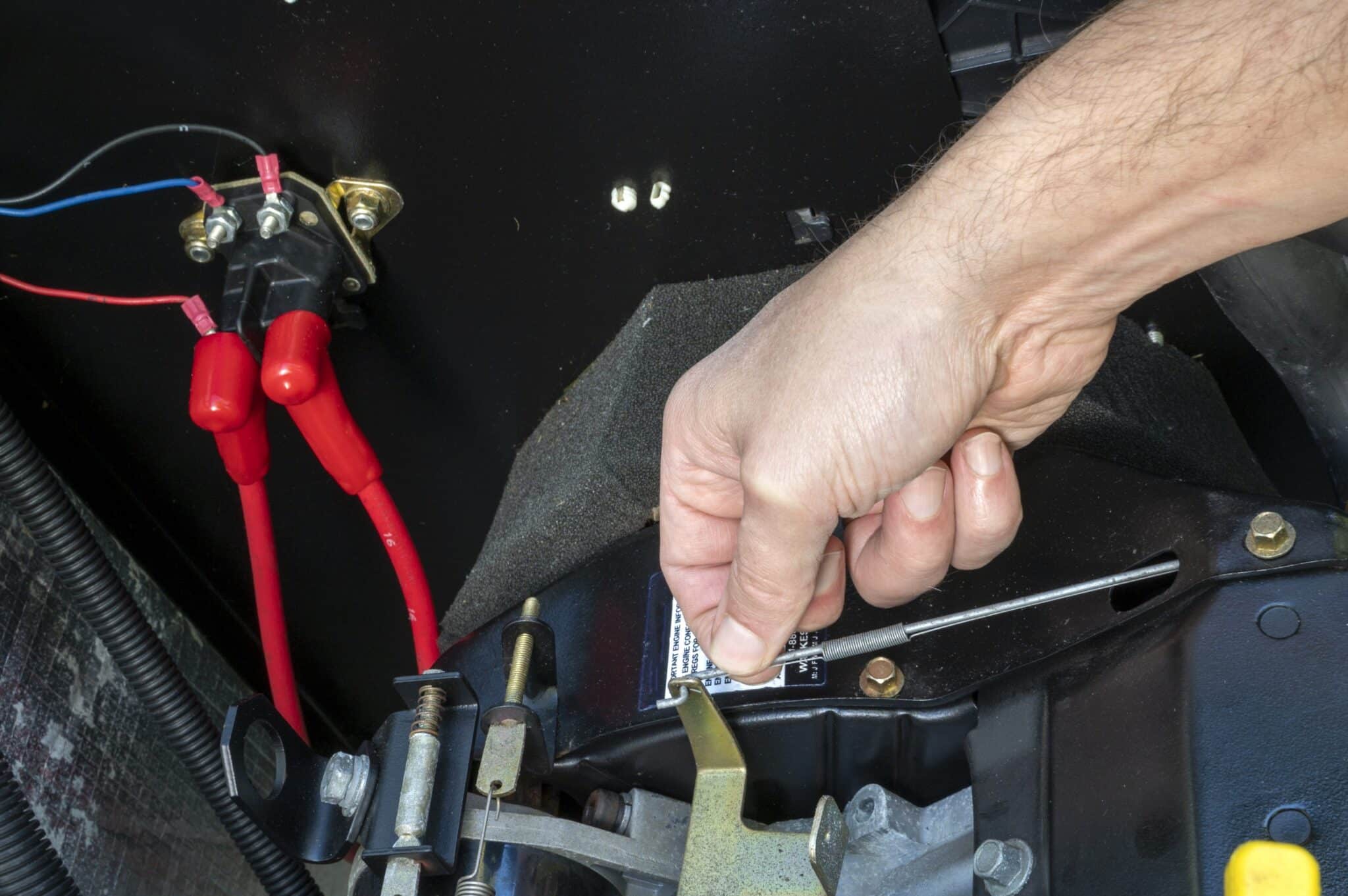
Maintenance Tasks That Improve Generator Noise Reduction
Regular oil, filter, and fuel-filter changes keep the engine running smoothly and reduce harsh mechanical tones over time. Technicians also check spark plugs or glow plugs for wear and replace them as part of scheduled service. Cleaning and replacing air filters prevents intake roar that can increase perceived noise under load. Homeowners should track service intervals on a maintenance log to spot trends before noise worsens.
- Change engine oil and filter regularly.
- Replace air and fuel filters on schedule.
- Inspect and replace spark or glow plugs.
- Lubricate linkages and service hinges.
Tightening fasteners and remounting loose panels reduces rattles that mimic louder engine problems during operation. A technician will torque hinge bolts, check panel clips, and secure accessory brackets during a visit. Replacing degraded gaskets and seals cuts vibration-caused air leaks that amplify sound near service doors. These small actions often make older units sound noticeably calmer during exercise cycles.
Inspecting and servicing the exhaust system prevents rumbles caused by leaks, corrosion, or loose hangers that develop quietly over years. Professionals will look for pinhole leaks at flanges, worn hangers, and internal muffler collapse during a hands-on check while the generator runs. Replacing worn hangers or a failing muffler restores designed backpressure and reduces deep tone amplification. If exhaust routing changes are needed, consult a technician to maintain safe clearances and airflow.
Check and replace engine mounts and vibration isolators when signs of compression or cracking appear to lower structure-borne noise. A tech diagnoses mount health by observing movement during startup and feeling for excessive vibration at the pad edge. Upgrading to higher-rated isolators or adding neoprene mats beneath mounting feet often reduces transmitted hum. For homeowners in Pearland and Katy, TX, keeping these items current prevents noisy operation during long outages and preserves neighbor relations.
When To Call A Professional For Generator Noise Reduction
If noise persists after basic maintenance and placement tweaks, schedule a professional diagnostic visit to pinpoint remaining sources. A technician will run the generator under controlled load while measuring sound levels near living spaces and at the unit. They inspect mounts, exhaust flanges, and panel fitment while noting vibration transfer to the pad and nearby structure. Diagnostic findings inform targeted fixes that match the unit’s model and installation details.
Call a pro when the generator makes new tonal changes, sudden rattles, or exhaust smells during operation that you cannot safely diagnose. A specialist checks the transfer switch, grounding conductor, and control box for electrical noises and loose connections during the visit. They may use a sound meter, vibration readings, and photos to document conditions and recommend repairs. Clear diagnostic data helps avoid unnecessary enclosure or pad replacement expenses.
Bring in an expert if proposed noise solutions affect ventilation, exhaust routing, or service access, as improper changes can create safety risks. Professionals ensure any enclosures maintain adequate intake and exhaust flow and preserve service clearance for spark plug and filter replacement. They also size vibration isolators and anchor bolts to match the generator’s weight and startup torque accurately. This reduces the chance that a DIY fix will worsen heat buildup or backpressure problems.
When homeowner goals include measured reduction targets or neighbor complaints escalate, request a written noise mitigation plan from a licensed technician familiar with standby generators. The plan typically lists prioritized repairs, expected decibel reductions, and maintenance steps to sustain quieter operation. For assistance scheduling an on-site evaluation or to discuss upgrades like pads, isolators, and enclosures, consider contacting professionals who perform standby generator services. Homeowners in Pearland and Katy, TX often find an expert assessment saves time and prevents repeated work.
Frequently Asked Questions
How can I achieve effective generator noise reduction at home?
Start with location: place the standby unit as far from living spaces as practical and use a solid concrete pad to reduce vibration. Add a factory-designed acoustic enclosure or local masonry barrier to block direct sound and smooth exhaust flow for Generator noise reduction. Maintain muffler, engine mounts, and intake filters regularly and have a professional inspect exhaust routing to avoid carbon monoxide risks. If noise persists, consult a licensed electrician or generator technician for measurement, diagnosis, and safe modification recommendations.
What causes rattles, thumps, or low-frequency generator hum?
Rattles and thumps often come from loose panels, mounting bolts, or exhaust hangers vibrating against the frame. Low-frequency hum usually originates from engine vibration transmitted through the concrete pad or soft mounts. Mechanical issues like worn bearings or misaligned components can produce rhythmic knocks and indicate needed professional inspection, exercise caution around moving parts and hot surfaces. A qualified technician will inspect mounts, exhaust, and frame connections to diagnose and recommend generator noise reduction measures.
Can pads, isolators, or placement cut transmitted vibration?
Yes—proper pads, isolation mounts, and placement can significantly reduce vibration transmitted into a house and structure. A concrete or reinforced polymer pad spreads weight and prevents sagging that amplifies vibration. Anti-vibration isolators and neoprene or spring mounts decouple the engine from its base and lower structure-borne noise. For rooftop or tight installations, exercise caution and hire a professional to assess load, secure mounts, and confirm effective Generator noise reduction.
Do enclosures or mufflers change exhaust noise levels?
Yes, purpose-built enclosures and exhaust mufflers reduce perceived sound by redirecting and dampening engine and exhaust tones. A well-designed enclosure uses absorption panels and baffling to cut mechanical noise while maintaining airflow for cooling. Proper mufflers alter exhaust pulse frequency and lower decibel levels, but incorrect sizing can hurt engine performance. Because exhaust routing and enclosure ventilation affect safety, consult a professional to confirm compliance and safe installation.
When should I call a pro for a noisy standby generator?
Call a professional when your standby unit suddenly gets louder, vibrates excessively, or emits unusual metallic or knocking sounds. If noise persists after basic checks like clear airflow and firm mounting, schedule a diagnostic inspection with an electrician. A pro will check exhaust, engine mounts, muffler, and isolation pads and may use sound readings to guide Generator noise reduction choices. If you smell fuel, see black smoke, or detect electrical burning, stop the unit and contact a technician immediately for safety.