





Key Takeaways About Smart Panel Upgrade
A smart panel upgrade replaces a traditional electrical panel with circuit-level monitoring and load management features. This summary is for homeowners weighing safety capacity and future needs when experiencing trips or planning EV chargers.
- Identify frequent trips warm covers or buzzing sounds as warning signs.
- Prevent nuisance outages by enabling automatic load shedding rules.
- Avoid undersizing by having a professional perform a load calculation.
- Spot wiring faults with voltage readings current snapshots and logs.
- Reduce fire risk through AFCI GFCI checks and documented diagnostics.
- Plan upgrades with panel mapping permit coordination and combined projects.
Introduction
Smart panel upgrade decisions start with a clear problem: your home’s electrical panel may not handle modern loads safely. Many homeowners notice frequent breaker trips, lights dimming when appliances start, or an inability to add EV chargers and new circuits. These symptoms matter because overloaded or outdated panels can cause nuisance outages and raise safety concerns. In Pearland and similar areas, rising appliance loads make panel limits more obvious faster than before.
A smart load center replaces a traditional service panel with equipment that monitors and manages circuits in real time. It can track energy use, allow load shedding for high-draw devices, and support better integration with solar inverters or battery systems. The visible benefit shows up as fewer surprise trips and clearer information on what draws power and when. Homeowners who value predictability often see the practical payoff in daily convenience and planning for upgrades.
Key features usually include circuit-level monitoring, remote alerts, and load control for specific appliances like HVAC or EV charging. A professional installer will check grounding, GFCI and AFCI protection, and perform a load calculation before recommending changes. These inspections help confirm whether a smart panel upgrade fixes the root problem or if separate rewiring or subpanel work is needed. For properties in Katy, TX with older panels, the inspection often reveals a mix of aged breakers and overloaded spaces.
Deciding when to upgrade depends on observable signs and future plans for the home such as adding HVAC, a workshop, or an electric vehicle charger. If you notice frequent trips, warm panel covers, or flickering lights when large appliances run, those are clear cues to get an expert evaluation. A licensed electrician will run diagnostic checks including voltage readings and a written load calculation to confirm the need. That diagnosis gives you facts to compare options and prioritize safety and capacity for years ahead.
What Smart Load Centers Do And How They Work
A smart load center is an electrical panel that monitors and actively manages circuit-level electricity use in real time. Technicians use these panels to see which circuits draw power and when, helping homeowners understand unexpected energy use. A common homeowner question asks whether a smart panel prevents breaker trips, and the answer is that it can reduce trips by shedding or delaying nonessential loads. These systems also log data that electricians use during troubleshooting to show what caused a nuisance outage.
- Tracks energy by circuit.
- Sends alerts for overloads.
- Allows remote load control.
- Integrates with solar and storage.
Internally, the load center uses circuit-level sensors and a communication module to report amperage and voltage readings back to a hub. Installers check grounding, AFCI and GFCI protection, and the main breaker when they wire a smart load center into an existing service. When homeowners notice warm panel covers or frequent trips, a pro will attach voltage probes and take current readings to confirm unstable supply or overloaded circuits. The recorded readings and a written load calculation help decide whether the panel or separate wiring needs attention.
Smart load centers offer automatic load shedding to protect critical circuits during peak demand and to prevent nuisance outages. For example, a panel can temporarily reduce power to an electric dryer when an HVAC compressor starts to avoid tripping a breaker. Homeowners can receive push notifications about high-draw events and see historical usage on an app, which answers questions about where monthly energy goes. If you plan to add an EV charger, this data helps size an upgrade and avoid oversizing or unexpected limits.
Mapping circuits is an important follow-up step after installation to make the data actionable for repairs and future changes. A professional can create a labeled map showing which breaker controls which room or appliance and link that map to the panel’s monitoring display. See a practical example of mapping and labeling methods in this guide to load center mapping. For homeowners in Pearland and properties in Katy, TX, that map makes it easier to choose which circuits to shed during peak events and where to add capacity later.
Key Features Of Smart Panel Upgrade For Homeowners
Smart panels add circuit-level features homeowners notice quickly, such as timed load schedules and per-circuit energy readouts on an app. The display or app often shows instantaneous amperage and cumulative kilowatt-hours for each breaker, which helps when comparing appliance draws. Installers use that data to recommend targeted changes, like swapping a standard breaker for an AFCI or adding a dedicated circuit for a freezer. These features make ongoing troubleshooting faster because you see which circuit caused a spike before calling a technician.
Many smart load centers include built-in load management rules that you can customize for busy households with shifting demand patterns. You might set the panel to delay an electric dryer cycle if the HVAC compressor just started, keeping critical circuits online. This control works alongside traditional safety components such as GFCI and AFCI protection to prevent shocks and arc faults. When paired with a professionally prepared circuit map, these rules let households prioritize essential loads without manual intervention.
Communication options are a practical feature that affects usability and future upgrades, with many panels offering Wi-Fi, Ethernet or proprietary mesh links. Reliable connectivity matters when integrating a solar inverter or battery because the panel needs stable data for automatic load shedding. Technicians verify signal reliability during installation using voltage readings and connection tests before finalizing settings. For homeowners in Pearland, stable communication reduces false alerts and keeps monitoring accurate during stormy conditions.
Diagnostic outputs help electricians confirm issues without guesswork by providing recorded events, voltage readings, and historical load charts for each circuit. A professional would review those logs, perform spot voltage and current measurements, and compare findings to a written load calculation when diagnosing recurring trips. That workflow speeds up decisions about rewiring, subpanel additions, or simply rebalancing loads across phases. These concrete records also help document electrical changes for future buyers or inspection reports.
Cost-conscious features deserve attention because they affect long-term value and payback timing; some panels offer rollout schedules for optional modules or paid cloud services. A homeowner should consider whether included monitoring meets the needs or if add-ons are necessary for EV charging or full-home backup integration. For properties in Katy, TX, installers can explain which features are ready now and which upgrades might need additional wiring or a service disconnect. If you want a deeper look at upgrade paths, review our guide on electrical panel upgrades for typical next steps and considerations.
How Smart Panels Improve Safety And Energy Efficiency
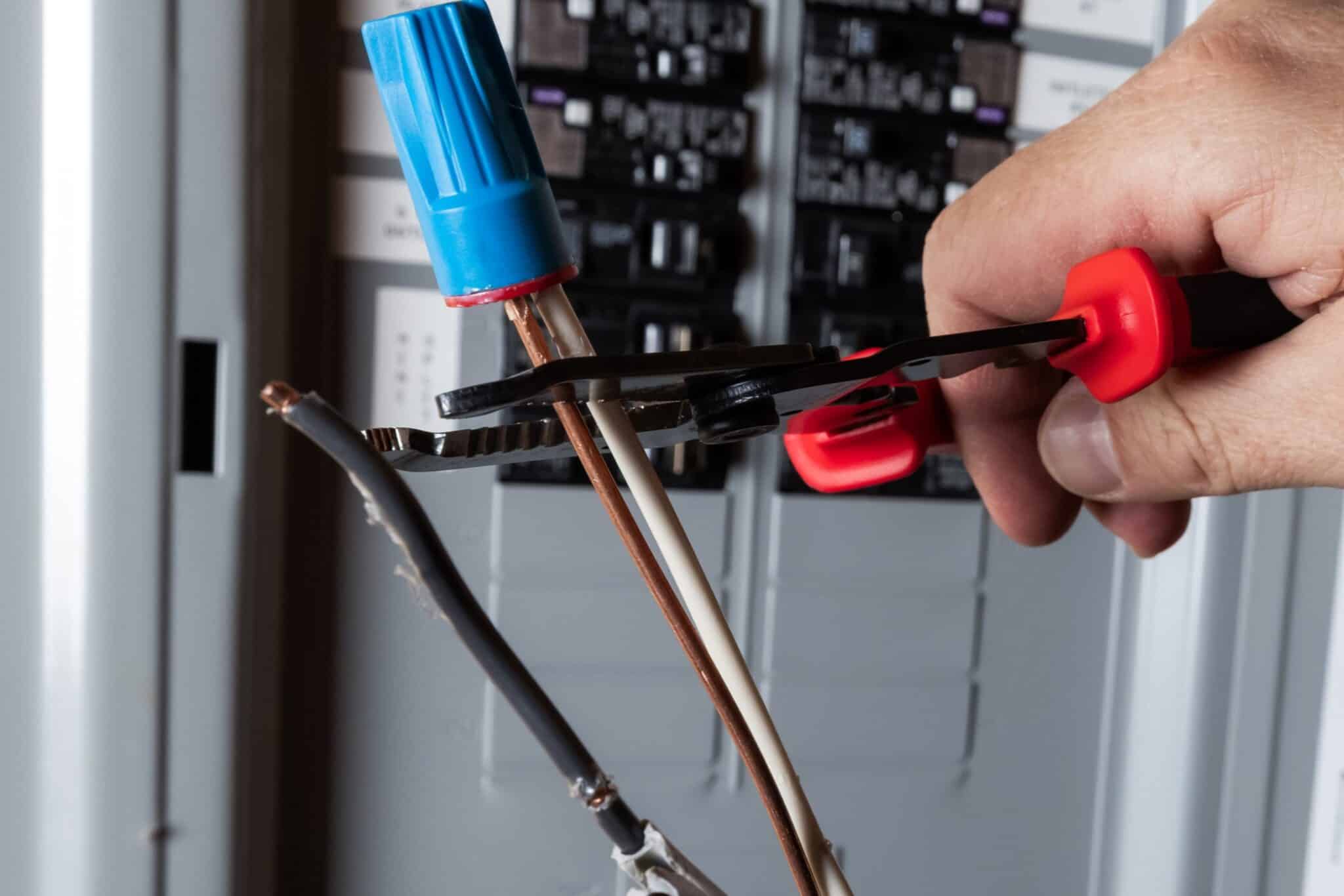
Smart load centers reduce fire risk by giving electricians circuit-level event logs that point to arc faults or repeated overloads. A professional inspects wiring, checks grounding conductors, and tests AFCI and GFCI operation after reviewing the panel’s recorded voltage and current readings. If a circuit shows repeated high-current spikes, an electrician will perform spot voltage readings and continuity tests to find loose connections or damaged conductors. Those diagnostic steps help decide whether replacing a breaker, repairing a connection, or upgrading the panel makes the home safer.
Energy efficiency improves when the panel enforces rules that shift flexible loads away from peak times to lower overall demand charges. Homeowners often notice smaller monthly bills after enabling scheduled load shedding for water heaters or laundry during off-peak hours. A technician uses recorded kilowatt-hour totals per circuit and a written load calculation to show expected savings before recommending settings. This evidence-based approach helps prioritize which circuits to control for the biggest household impact.
Smart panels also support staged backup by coordinating with inverters and battery systems to keep essential circuits powered during an outage without overloading the service. Installers verify compatibility by checking inverter communication and by running simulated load transfers while monitoring amperage with clamp meters. For busy households considering whole-house backup or partial backup, those tests show whether additional subpanels or a service upgrade is required. Homeowners in Pearland frequently use these coordination tests to plan which appliances stay online first.
When diagnosing persistent issues, a professional will map problematic circuits, take voltage and current snapshots, and compare historical logs to observed symptoms like flickering lights or warm breaker handles. A clear diagnosis may include photos, written measurements, and recommendations such as replacing outdated breakers or moving high-draw loads to a dedicated circuit. If the work includes a full replacement, consult guidance similar to a breaker box upgrade overview to understand process steps and expectations. For homes in Katy, TX, this documented workflow simplifies permitting and future inspections by other contractors.
Typical Costs And Financial Considerations For Upgrades
Upfront costs for a smart panel upgrade vary with parts, labor, and any service changes needed. Typical invoices include the smart load center, new breakers, and electrician hours for wiring and testing. If the service conductor or meter socket needs replacement, that raises the bill and may require coordination with the utility. Financing or payment plans are often available through electricians or third-party lenders for larger projects.
- Smart load center hardware cost varies by features.
- Labor reflects panel complexity and wiring access.
- Permit fees depend on local authority requirements.
- Adding dedicated circuits increases material and labor costs.
Homeowners should budget for inspection fees and any required permits before work begins. A professional will provide a written estimate after a site visit and a load calculation. That estimate often breaks out component costs, labor, permit charges, and optional service work. Requesting multiple bids helps compare scope and assumptions clearly.
Consider long-term savings and non-monetary benefits when weighing costs for Pearland properties. Reduced nuisance trips, better monitoring, and targeted circuit control can lower repair risk and homeowner stress. For some homes, prioritized backup and improved diagnostics justify the investment sooner rather than later. When evaluating protection options, ask your electrician about advanced circuit protection for compatible breakers and devices during the upgrade.
A professional diagnosis confirms upgrading makes sense for your situation in Katy, TX before spending money. The electrician will perform voltage and current snapshots, map circuits, and produce a written load calculation. They will also inspect grounding conductors and test AFCI and GFCI operation during the visit. Those inspection outputs guide decisions about scope, timing, and likely return on investment.
When A Smart Panel Upgrade Pays Off For Busy Homes
Busy homeowners should weigh practical triggers that make a smart panel upgrade the right next step, such as plans to add an EV charger or a workshop requiring multiple high-amp circuits. A clear trigger is frequent simultaneous high-draw events that interrupt daily routines, like washing machines and HVAC cycling together. A professional will perform a service load calculation and spot voltage checks to confirm whether the existing service can handle planned additions. That diagnostic work helps avoid under-sizing upgrades and unexpected utility coordination delays.
Another payoff occurs when you want centralized control of flexible loads to keep critical circuits online during peak demand without manual switching of breakers. Technicians can configure load-shedding priorities and test them using clamp meter readings and simulated events before finalizing settings. Homeowners often appreciate automated rules that prevent unnecessary trips while preserving essential circuits such as refrigeration or medical equipment. These practical controls reduce interruptions and the need to intervene during busy days.
For families aiming to reduce bills or better understand consumption, pairing a smart panel with a home energy monitor gives actionable data on circuit-level usage patterns. The combined readings let electricians and homeowners identify high-draw appliances and schedule them at off-peak times to lower demand. A professional will review the recorded kilowatt-hour charts and recommend which circuits to control or upgrade first. See the linked guide on home energy monitor for examples of the data you can expect and how it informs decisions.
If you plan to add smart devices or whole-home automation, a smart panel simplifies integration and reduces extra wiring for device control. Installers often coordinate panel settings with smart-home device installation services to enable remote control and alerts for critical circuits. A technician will verify communication stability and test app notifications during installation to avoid false alarms later. For properties in Katy, TX this coordination often matters when adding EV charging or staged backup.
Finally, consider timing upgrades with other electrical projects to save on labor costs and downtime, especially during renovations or major appliance installations. Combining panel replacement with circuit additions or grounding improvements reduces repeat access to the same spaces and may lower cumulative labor costs. A professional estimate will outline bundled scopes and show likely savings from doing work together. When in doubt, ask your electrician for a written comparison of separate versus combined project pricing and timelines.
Signs Your Electrical Panel Needs Replacement Right Now
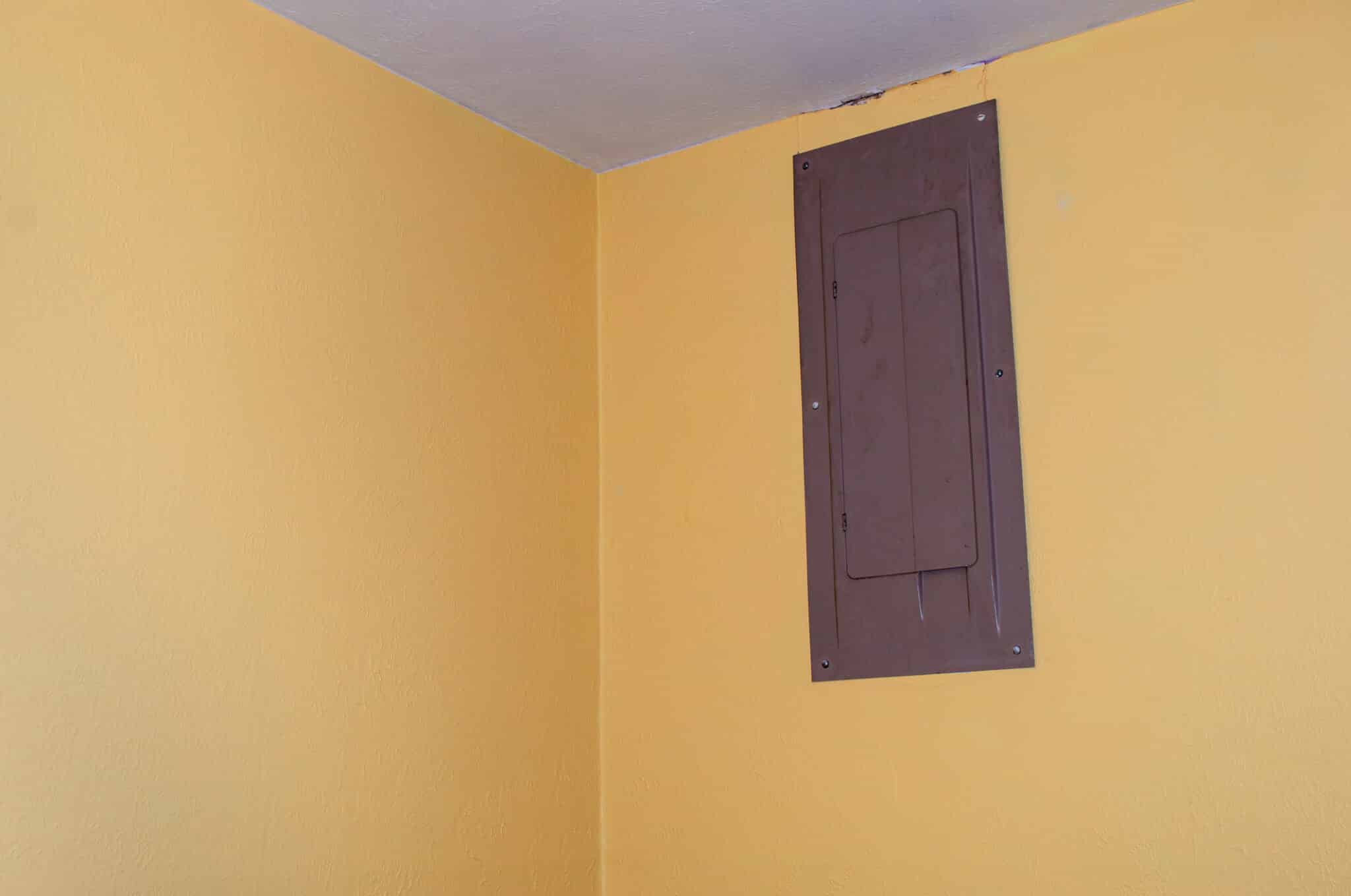
Noticeable signs include a consistently warm panel cover, buzzing sounds near breakers, or breakers that feel hot to touch. These symptoms can indicate loose connections or deteriorating bus bars that raise fire risk and require immediate evaluation. A professional will use a clamp meter and infrared camera to record temperature and current readings during inspection. If those readings show sustained overloads, replacement becomes a safer next step than repeated repairs.
Repeated nuisance trips during routine appliance cycles may mean the panel is undersized for modern simultaneous loads rather than individual appliance faults. An electrician will perform a written load calculation and take voltage snapshots under load to confirm whether capacity limits exist. They will also inspect grounding conductors, check AFCI and GFCI functionality, and test breaker trip characteristics during diagnosis. Those concrete tests determine if adding capacity or replacing the entire panel resolves the issue.
Visible corrosion, rust, or water stains inside the panel box is a clear sign that replacement is prudent to avoid future failures. Moisture speeds conductor corrosion and degrades insulation, which can lead to arcing or shorts when circuits carry heavy loads. During inspection, a technician documents corrosion with photos and continuity tests and may recommend a new enclosure and new breakers. For homeowners in Pearland, moisture-related damage often prompts immediate corrective planning because damage can progress quickly.
Frequent flickering lights tied to specific circuits or breaker handles that move when touched suggest internal wear or loose bus connections that need urgent attention. An electrician will map the affected circuits, perform spot voltage checks, and run continuity tests to isolate the fault source. If multiple breakers show similar symptoms, replacing the panel usually provides a longer-term, safer solution than swapping individual breakers. After diagnosis, homeowners often receive a written report showing measurements and recommended next steps.
Old service panels with obsolete breaker types, limited spaces for new circuits, or history of intermittent faults make upgrades more cost-effective than piecemeal repairs over time. A technician evaluates breaker types, available spaces, and potential for adding dedicated circuits for items like EV chargers during the visit. They will include recorded amperage readings and a load calculation in their recommendation to justify replacement when needed. Homeowners can review that documentation along with options for load management via a smart system such as the guide on home energy management.
When To Call A Professional For Smart Panel Upgrade
If you detect persistent electrical smells, buzzing, or breakers that trip under normal use, call a licensed electrician promptly. A professional will perform visual checks, take voltage snapshots, and run current measurements to confirm the cause. They will also inspect grounding conductors and test AFCI and GFCI operation during the visit to ensure safety. After diagnostics, expect a written report that outlines recommended repair or upgrade actions and timelines.
- Verify circuit labeling and mapping.
- Record voltage and current under load.
- Inspect grounding and bonding connections.
- Test AFCI and GFCI breakers for proper operation.
During an on-site evaluation, the technician will explain how a smart panel upgrade fits your home’s needs based on measured load and future plans. They use clamp meters and voltage testers to gather data and confirm whether load-shedding logic will prevent nuisance trips. If you plan to add devices like an EV charger or battery system, the electrician discusses integration steps and any service capacity changes. For homeowners in Pearland, documented test results help schedule work with minimal disruption.
Ask the professional about adding surge protection and coordinated breaker settings as part of the upgrade to protect electronics and motors. A whole-home surge device can reduce transient damage risk and pairs well with smart load centers for comprehensive protection. Request a clear estimate that lists parts, labor, permit needs, and expected timelines before authorizing work. If you live in Katy, TX, include permit coordination and utility notifications in planning to avoid delays.
Steps To Prepare Your Home For A Panel Upgrade
Clear the area around the panel to give the electrician safe, unobstructed access during the upgrade. Remove stored items, boxes, and tools from within three feet of the panel to allow testing and emergency access. Make sure pets are secured and children stay away from the work zone to avoid distractions during electrical testing. If the panel is in a closet or utility room, move clothing and linens to prevent dust and debris from settling on fabrics.
Label frequently used circuits before the technician arrives to speed mapping and final setup tasks. Walk through the home and note which breakers control key loads such as kitchen appliances, HVAC, and laundry appliances. Photograph existing breaker labels and the inside of the panel for records you can share with the electrician during diagnosis. These simple steps reduce on-site time and help the installer verify circuit priorities for load-shedding rules.
Plan for brief power interruptions by scheduling the work when occupants can temporarily relocate or pause sensitive activities. Turn off and unplug delicate electronics the morning of the upgrade to prevent unexpected surges during transfer and testing. If you rely on medical equipment, tell the electrician ahead of time so they can recommend timing and temporary measures. Homeowners in Pearland should arrange any necessary alternative power or space for activities during the short outage.
Gather useful documents such as prior electrical inspection reports, appliance manuals, and renovation permits to share with the installer. These records help the technician confirm existing service ratings and avoid unnecessary exploratory work during the visit. Ask the electrician to bring a written scope and timeline so you understand when the panel testing, breaker swaps, and communication setup will occur. After the job, request labeled photos and a simple written report showing final circuit mapping and test readings for future reference.
Verify parking and access for the technician to avoid delays on the scheduled day, and clear a path from the service entrance to the panel location. If you have separate subcontractors or a general contractor on site, coordinate timing to prevent overlapping trades near the panel during critical testing. Discuss permit expectations and whether the electrician will handle inspections so you know the process and any expected visits from authority inspectors. For properties in Katy, TX, confirm whether your homeowner association requires advance notice for exterior work near meters or service equipment.
Frequently Asked Questions
When does a smart panel upgrade make sense for my home?
A smart panel upgrade makes sense when you add major loads like an EV charger, HVAC mini-split, or workshop equipment that strain your panel. It also helps homes with frequent tripped breakers, unexplained power loss, or devices needing circuit-level monitoring. A professional will inspect the service panel, grounding conductor, load calculation, and test breakers to confirm a safe upgrade. If you see scorch marks, burning smells, or warm breakers, stop using circuits and contact a licensed electrician immediately for evaluation.
How does circuit-level monitoring reduce nuisance trips?
Circuit-level monitoring lets a smart panel upgrade see which breaker trips and why, separating overloads from transient faults. The panel logs amperage trends and short-duration spikes so electricians can spot true overloads. With that data professionals can adjust loads, change breaker types, or fix wiring to stop repeat nuisance trips. If you suspect wiring faults or frequent trips, caution is required—hire a licensed electrician to inspect and correct problems safely.
What does a pro check during a smart panel upgrade inspection?
A pro inspects the main service disconnect, grounding conductor, and bus connections for tightness and corrosion. They verify breaker types, AFCI/GFCI presence, labeling accuracy, and load distribution across phases. The technician tests voltage, measures circuit loading, and records readings with a voltage meter and written report. If they find overloaded wiring or unsafe connections, they caution against DIY work and recommend a licensed electrician.
How much should I budget for a smart panel upgrade project?
Budgeting for a smart panel upgrade depends on panel size, needed breakers, and any wiring changes in your home. A professional will inspect the service panel, run load calculations, and check grounding and bonding. Expect additional costs if an electrician finds outdated wiring, a need for extra circuits, or permit work; safety matters, so hire a licensed pro. Ask for a written estimate that lists parts, labor, permit fees, and an expected timeline before work begins.
Can a smart load center work with solar, batteries, or EV chargers?
Yes, many smart load centers can integrate with solar inverters, battery storage, and EV chargers to manage energy flow and prioritize circuits. They use load management, real-time monitoring, and programmable rules to shift power to batteries or EV charging when rates or production favor it. A Smart panel upgrade may require compatible inverters, transfer equipment, and wiring changes, so a licensed electrician should inspect system compatibility and perform the work. If installations involve batteries or vehicle chargers, follow safety rules and hire a professional to avoid electrical and fire hazards.