





Key Takeaways About Outlet Arc Protection
Outlet arc protection detects dangerous electrical arcs and opens the circuit to stop heat and fire. This guide helps homeowners and property managers diagnose recurring trips and decide when to call a licensed electrician.
- Identify loose terminals damaged insulation or scorched contacts quickly.
- Prevent fires by installing AFCI devices at outlets or breakers.
- Avoid repeated resets by isolating appliances and testing cords.
- Spot patterns by recording when trips occur and what loads run.
- Reduce nuisance trips with targeted diagnostics and proper repairs.
- Plan a professional inspection when burning smells visible damage or storms cause trips.
Introduction
Outlet arc protection matters when kitchen or bedroom receptacles trip repeatedly and you smell burning or see scorch marks. AFCI outlets and breakers detect dangerous electrical arcs that ordinary breakers miss. For homeowners a recurring trip often signals a hidden wiring fault or degraded cord connection. That risk can lead to heat buildup and, in some cases, a fire ignition.
Arc faults form when current jumps across gaps in conductors, damaged insulation, or loose connections inside a receptacle. AFCI devices analyze the electrical waveform and identify the specific signature of a hazardous arc. These devices then interrupt power before sustained heating occurs that can ignite nearby combustibles. Reducing that risk protects property and gives homeowners confidence in older wiring.
People often confuse nuisance trips with true faults because small arcs can come from normal appliance motors or lamp switches. Modern AFCI technology compares patterns to avoid tripping on harmless arcs while still responding to dangerous ones. When an outlet keeps tripping, further inspection is needed to find the underlying cause rather than simply replacing the device. A clear diagnosis prevents repeat interruptions and limits exposure to fire hazards.
Homeowners in Pearland and Richmond, TX notice recurring trips during high appliance use or after storms, so context matters when troubleshooting. A professional will check the outlet, junction box, grounding conductor, and circuit breaker during a targeted inspection. They will record voltage readings, test continuity, and look for visible damage to confirm the source of arcing. If a dangerous arc is present they can recommend the right AFCI solution to stop nuisance trips and reduce fire risk.
How Outlet Arc Protection Works In Receptacles
Outlet arc protection is the technology inside AFCI outlets and breakers that senses dangerous arcing and opens the circuit to stop heat and fire. These devices monitor the electrical waveform and look for rapid, irregular spikes that match series or parallel arc signatures. A homeowner might ask, “Will an AFCI trip for a lamp?” and the answer is it can trip if the arc pattern matches a hazardous fault. Professionals rely on waveform patterns rather than just current magnitude to tell safe switching from dangerous arcing.
- AFCIs compare current and voltage waveforms.
- They detect high-frequency noise from arcing events.
- Devices distinguish series versus parallel arcs.
- When dangerous arcs appear, they trip fast.
- Some units combine AFCI with GFCI protection.
Inside a receptacle-style AFCI a small circuit board analyzes incoming power and outgoing load signatures in real time. The device filters out expected signatures from motors and light switches so it avoids nuisance trips on normal loads. If the board sees the characteristic high-frequency burst of a degrading connection, it opens the internal contacts to cut power. That interrupt prevents sustained heating at a loose terminal or damaged conductor before insulation or nearby materials ignite.
Some AFCI breakers sit at the panel and protect the whole circuit instead of a single receptacle, so their sensing covers more wiring and devices. When trips keep happening at one outlet, a technician will isolate the branch by testing at the receptacle, in the junction box, and at the panel. They will record voltage readings and continuity, and they may bench-test suspect cords and appliances to rule out false sources.
Why Arcing Happens In Household Wiring
Loose connections at receptacles and junction boxes create small gaps where current must jump, producing heat and tiny molten metal. Over time vibration, corrosion, or a poor terminal screw allows the gap to widen and the arc energy to increase. Damaged insulation from nails, staples, or rodent chew exposes conductors and concentrates stress points where arcs can start. Homeowners often notice intermittent power or a faint burning odor before visible damage appears.
Wiring that runs through tight conduit bends or long cable routes can flex and fatigue, causing conductor strands to break and create series arcs. A series arc happens when current flows through a single damaged conductor, producing pulses that can escape simple overcurrent protection. Surge events and lightning-induced spikes can degrade insulation and leave latent weak spots that later arc during normal loads. Technicians check for these conditions because they can explain unexpected trips at otherwise healthy devices.
Appliance cords and plugs also cause arcs where the cord meets the device or plug blades. Repeated bending or pulling loosens the connection inside the plug and creates high-frequency noise signatures that AFCI sensing recognizes. A homeowner in Pearland might trace a recurring trip back to a lamp cord or heater plug that feels warm at the base. Professionals will bench-test suspect cords and measure continuity to confirm whether the cord produces the arcing signature.
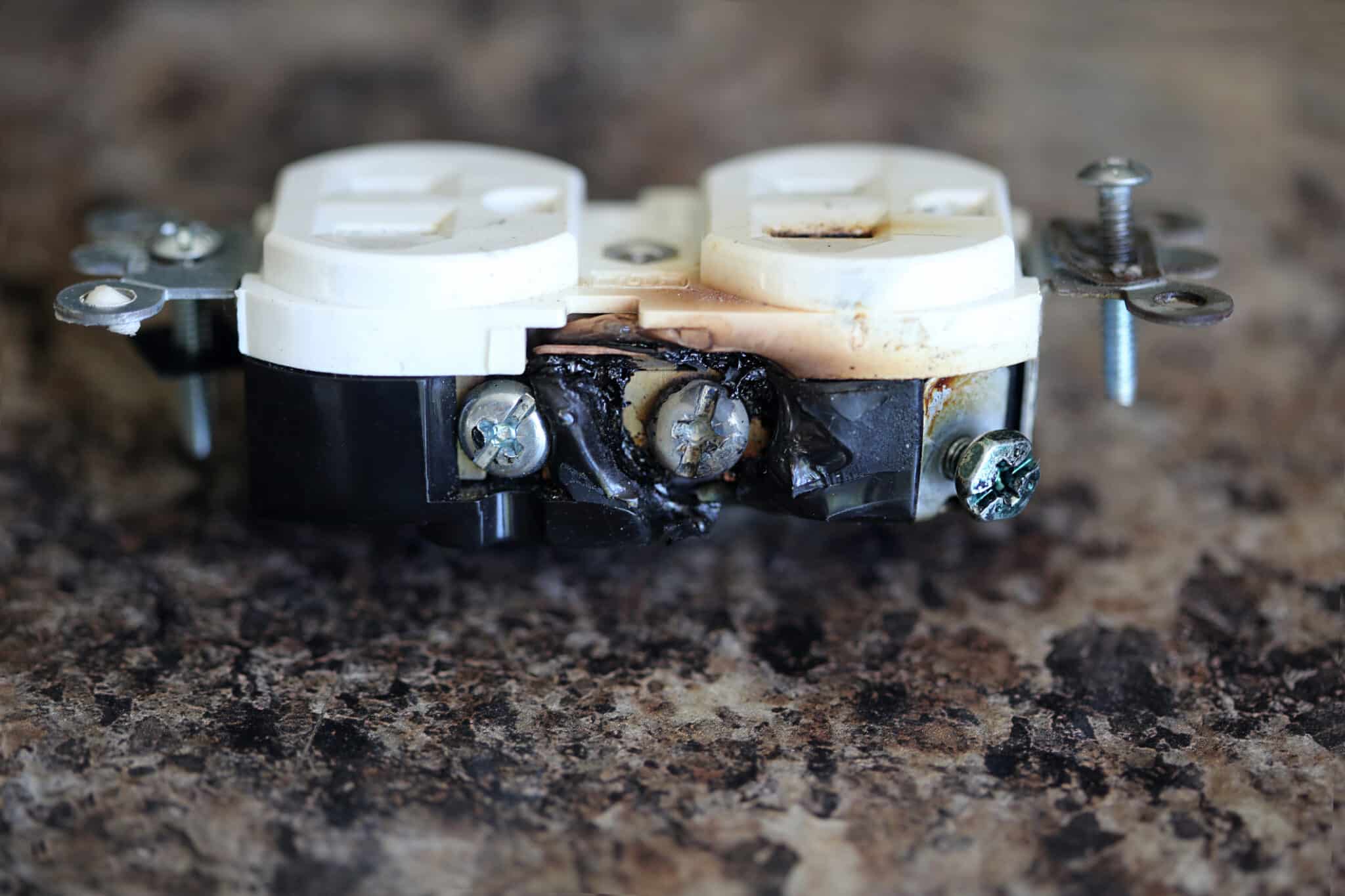
Parallel arcs occur when hot-to-neutral or hot-to-ground faults develop, often from pinched cable or foreign conductive debris in a box. These faults usually create larger, more sustained arcs that present a higher fire risk than brief series arcs. During inspection a technician looks for charred insulation, melted sheathing, or discoloration inside outlets and junction boxes as clear evidence. For more detail about device options and upgrades, see AFCI outlet upgrades, which explain how different products address these common arcing sources in home wiring.
Common Causes Of Nuisance Trips At Outlets
Loose terminal screws and back-stabbed receptacle connections remain one frequent cause of nuisance trips because they create intermittent arcs under load. Heat and tiny movement at a loose screw change the electrical signature enough to fool some AFCI electronics into tripping repeatedly. A technician will look for darkening, melted plastic, or a loose device that moves when the plug is wiggled to confirm this cause. Homeowners may notice a lamp that flickers or a plug that feels warm near the outlet.
Damaged appliance cords or aging plug blades often produce series arcs inside the plug or cord sheath when bent during use. Those arcs can happen away from the receptacle yet still trigger outlet arc protection because of the high-frequency noise conducted back to the circuit. Simple checks include swapping the appliance to another circuit and inspecting cord insulation for cuts, stiffness, or exposed wires. If the problem follows the appliance, bench-testing or replacing the cord usually resolves the nuisance trips.
Shared neutral or multi-wire branch circuits wired incorrectly can create unexpected differential patterns that an AFCI interprets as hazardous parallel arcing. This wiring fault may show as trips on multiple outlets or a breaker that trips with certain load combinations. An electrician will test line and load continuity and verify neutral connections in junction boxes and at the panel to confirm this condition. For guidance on panel-level troubleshooting and stepwise diagnosis, see breaker tripping diagnosis.
Corrosion, moisture, or conductive debris inside a box produce intermittent paths to ground that mimic dangerous arcs and cause nuisance trips during humidity or storm periods. Owners in Pearland might see trips after heavy rain if water intrusion reaches exterior-rated boxes or outdoor outlets. Inspecting for moisture, cleaning contacts, and replacing corroded receptacles usually removes the false signature and stops repeated interruptions. When visible damage or persistent moisture exists, contact a professional to avoid safety risks and ensure the repair meets code.
How To Diagnose Arc Faults With Simple Tests
Start by isolating the circuit at the panel and unplugging all devices from the affected receptacle before testing for outlet arc protection issues. With the breaker off, remove the cover and check for loose wire terminations or signs of heat without touching conductors. A visible gap, blackened insulation, or brittle sheathing points to a likely series arc at that location. If you find damage, stop and call a professional to avoid shock or further harm.
- Turn off and label the breaker before working.
- Use a non-contact voltage tester first.
- Look for loose screws and burned insulation.
- Swap the device to another outlet to isolate it.
- Check for moisture or corrosion in the box.
Next, perform simple live checks safely with the breaker back on and a non-contact voltage tester to confirm power presence. Plug a known-good lamp or phone charger into the receptacle and observe whether the AFCI trips under a light, stable load. If the device trips only with a particular appliance, bench-test the cord and plug for continuity and visible damage before replacing it. If the trip happens with any load, the fault likely lies in the branch circuit or outlet wiring.
Measure continuity and resistance with the breaker off using a multimeter to confirm neutral and grounding integrity along the branch. A professional would trace unexpected neutral paths using stepwise isolation and continuity checks described in neutral fault tracing resources. Record readings at the outlet, junction box, and panel to compare and find a change that indicates a hidden break or shared neutral condition. These measurements narrow whether the AFCI senses series or parallel arcing signatures.
Finally, document observations like smell, discoloration, or timing of trips and share them with a licensed electrician when calling for help in Pearland or Richmond, TX. A technician will use your notes plus voltage readings and continuity checks to confirm the source and recommend repair options. Do not attempt major repairs if you lack proper training, because errors can create greater fire risk. Scheduling a qualified electrical inspection gives the safest path to stop recurring nuisance trips.
When To Call A Professional For Outlet Arc Protection
Call a licensed electrician when trips happen under heavy load or when you smell burning but cannot see damage. A professional will perform controlled load tests and use a clamp meter to record current during trips. They will also inspect the service panel and junction boxes for hidden heat or loose neutrals that you cannot safely access. Avoid DIY repairs if testing requires rearranging neutrals or working inside the panel.
If trips follow a single appliance despite basic checks, a technician can bench-test cords and plugs with insulation and continuity tests to confirm the appliance as the source. They will also swap circuits at the panel and try a temporary known-good receptacle to isolate the branch. This step-by-step isolation reduces guesswork and prevents unnecessary replacements of functioning devices. Reporting observed smells, timings, and what you already tested speeds accurate diagnosis.
When multiple outlets on one circuit trip together, call a pro because this often indicates a shared neutral or multi-wire branch circuit issue that needs careful tracing. An electrician uses continuity tests, voltage readings, and stepwise disconnection to find where neutrals or hots combine improperly. They may calculate expected fault currents and load balances to confirm whether wiring errors create parallel arc signatures, referencing technical resources like fault current calculation. Correcting these faults often requires repairs at junctions or the panel to restore safe operation.
Request help if AFCI devices trip intermittently only during humidity or after storms, because moisture-driven leakage or corrosion can hide inside outdoor boxes. A pro will inspect outdoor-rated receptacles, test ground and bonding, and replace corroded devices to stop false arcs.
Practical Fixes To Stop Repeated Receptacle Trips
Start by swapping the suspect receptacle with a new outlet rated for AFCI protection to see if trips stop, because a faulty device sometimes causes repeat interruptions. Turn the breaker off first, verify no voltage with a tester, then replace the receptacle while keeping wire terminations tight and visible. After reinstalling, restore power and try a steady load like a phone charger to observe whether the AFCI still trips. If trips persist, the problem likely lies beyond the outlet and needs more tracing.
Check and tighten visible screw terminals and pigtails in accessible junction boxes to eliminate intermittent series arcs from loose connections. Use a torque approach consistent with common electrical practice and avoid back-stabbed connections, as those can loosen over time. If you find corrosion or charred insulation, replace the affected cable and device rather than reusing damaged parts. For stubborn or hidden wiring issues, a professional can perform controlled isolation and continuity tracing to locate the fault.
Swap the branch circuit’s load to a different AFCI-protected circuit temporarily to determine whether the fault follows the wiring or the panel device, which helps narrow diagnosis without invasive work. A licensed electrician may also test with a clamp meter and record current during simulated loads to reproduce the trip condition safely. When moisture seems involved, replace outdoor-rated receptacles and reseal boxes to remove leakage paths that mimic arcing signatures. Homeowners should note exactly when trips happened to help the technician correlate conditions and reproduce the fault.
If recurring trips occur only when multiple loads run together, consider redistributing high-draw appliances to other circuits and avoid extension-cord multipliers that overload a single branch. In cases of shared neutral or multi-wire branch circuits, the correct fix often requires reconfiguring wiring at the panel or junctions to eliminate abnormal differential currents. A pro will label circuits, test neutral continuity, and correct improper connections rather than relying on repeated device replacements. For stepwise troubleshooting guidance and what to expect during an electrical inspection, refer to electrical troubleshooting.
When replacement and basic repairs do not stop interruptions, installing a circuit-level AFCI breaker can provide broader protection and reveal whether the arc originates downstream. An electrician will isolate sections of the branch, bench-test suspect appliances, and use recorded voltage and continuity readings to confirm the source before recommending a panel upgrade. Homes with older panels may find panel-level protection resolves persistent nuisance trips tied to complex wiring. Prioritize scheduling a professional inspection instead of repeatedly resetting devices to prevent escalating fire risk.
Preventative Steps To Reduce Future Arc Risks
Inspect accessible wiring paths regularly for signs of heat, rubbing, or rodent damage to reduce arc chances before they start. Keep closets and storage areas clear so cords and cables do not get pinched under stored items. Replace damaged corded appliances promptly rather than taping or temporarily fixing insulation. Document any smell of burning or scorch marks and share that information with an electrician when scheduling an inspection.
- Secure loose cables away from sharp edges.
- Replace frayed appliance cords immediately.
- Use proper strain reliefs on plugs and cords.
- Keep junction boxes accessible and covered.
- Avoid overfilling boxes with too many splices.
Label circuits at the panel so future troubleshooting isolates branches quickly and avoids repeated resets that hide emerging faults. Install tamper-resistant and appropriately rated receptacles where cords plug in frequently to prevent loose contact over time. Consider routine maintenance checks of outdoor-rated outlets, especially after heavy weather, to catch moisture intrusion early.
Schedule periodic electrical inspections that include torque checks on terminals and thermal scans to find hot spots before failures occur. An electrician uses a clamp meter, multimeter, and sometimes an infrared camera to record temperatures and currents during inspections. Keep records of inspections and repairs to show trends that help professionals pinpoint intermittent or growing problems. For broader safety topics that relate to reducing arc risks, review common home electrical hazards resources when planning preventative work.
Choosing Between AFCI Outlets And Breakers
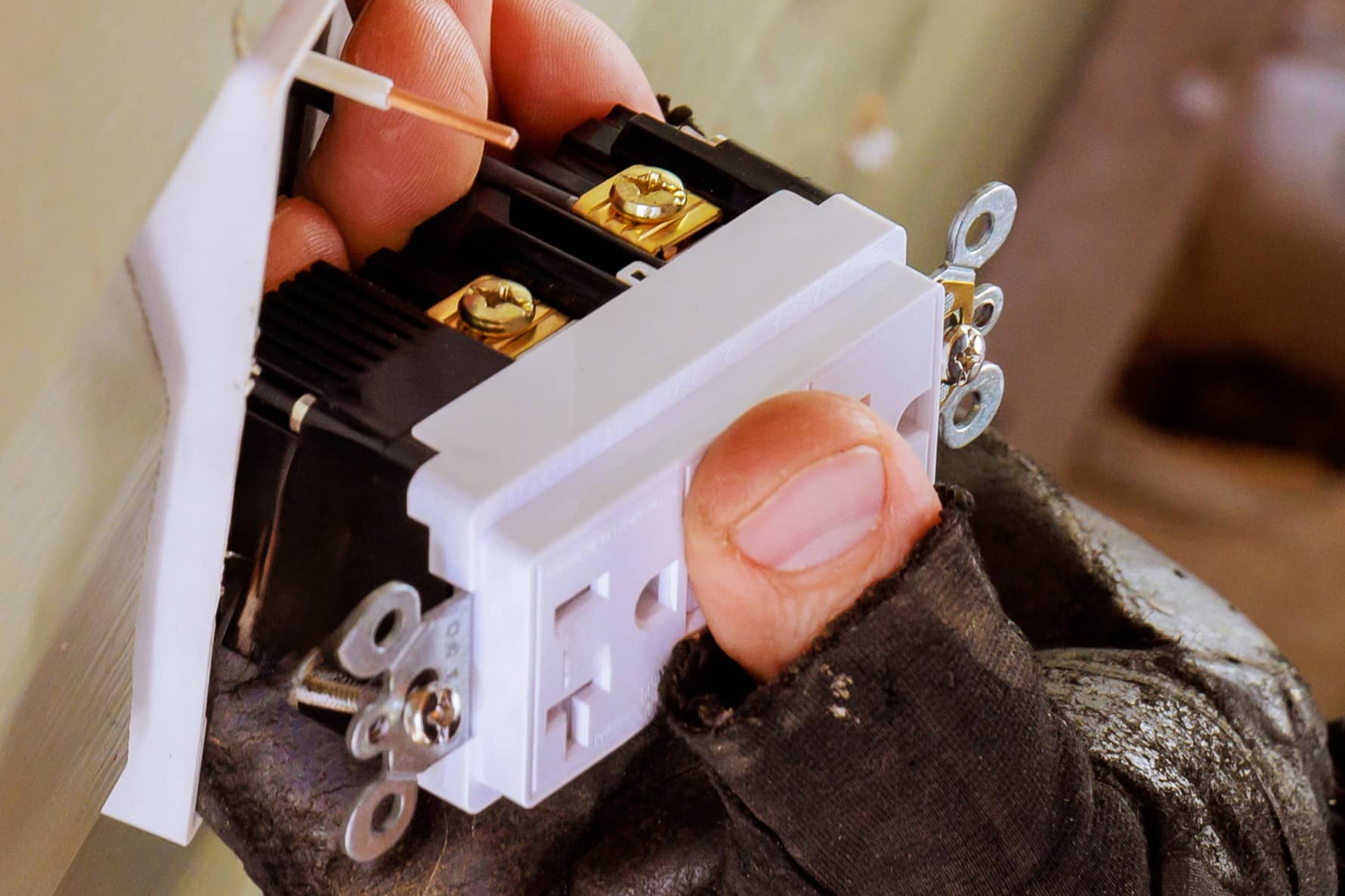
Deciding between an AFCI receptacle and a circuit-level AFCI breaker depends on where you want protection and how complex the wiring layout is. A receptacle-style AFCI protects that single device and downstream loads, while a breaker protects the entire branch circuit back to the panel. If your concern centers on one problem outlet or a small number of receptacles, a device at the receptacle can be a targeted fix. For broader or hard-to-locate faults, panel-level protection often makes more sense.
Consider access and future maintenance when choosing a solution, changing a breaker requires panel access and some homeowner discomfort with panel work. Installing an AFCI receptacle can be done at the device location and keeps the panel unchanged, which helps when panels are crowded or older. A professional will evaluate space in the panel and whether shared neutrals or multi-wire branch circuits exist before recommending breakers. That inspection reduces the chance of selecting the wrong protection type.
Durability and nuisance-trip history also affect the choice because some older receptacle-style units may be more prone to nuisance trips on certain motor loads. When recurring trips persist despite replacing the outlet, a technician may move to a circuit-level AFCI breaker to see if the arc originates upstream. This stepwise swap helps confirm fault location by changing where sensing occurs without replacing the entire branch wiring. Recording voltage and continuity readings before and after the swap gives clear diagnostic data.
Cost and convenience matter, but safety and diagnostic clarity should guide the decision more than price alone. A trained electrician will compare expected outcomes, document test readings, and explain trade-offs of receptacle versus breaker protection before performing work. For homeowners planning new work or upgrades, pairing outlet replacement with professional installation ensures correct wiring and reduces nuisance trips. For information on professional device replacement and proper wiring practices, see electrical outlet installation.
In some cases, the final recommendation changes after targeted diagnostics reveal hidden faults or shared neutral conditions that only panel-level sensing catches. A technician may perform isolation tests, continuity checks, and simulated loads to demonstrate which protection type stops nuisance trips. Homeowners should keep records of when trips occurred and what loads were running to help pros reproduce the condition. Prioritize scheduling a qualified inspection so the chosen AFCI solution stops trips and reduces fire risk effectively.
Frequently Asked Questions
How does outlet arc protection spot dangerous arcing?
AFCI electronics monitor current waveforms at the outlet and compare patterns to known arcing signatures. When the device detects high-frequency noise and irregular spikes that match dangerous arcing, it interrupts the circuit. Outlet arc protection also separates parallel and series arc patterns to reduce false trips while protecting wiring and connected devices. If you suspect persistent arcing or repeated trips, treat it as a fire risk and contact a licensed electrician for inspection and repair.
Why does an AFCI outlet keep tripping repeatedly?
An AFCI outlet can trip repeatedly when it senses arcing from a damaged cord, loose connection, or worn receptacle contact. Loose terminal screws, backstabbed wires in the box, or multi-outlet devices often cause intermittent arcing. A professional will inspect the receptacle, test continuity with a meter, and check the branch circuit and junction box for thermal or visible damage. If you smell burning or see scorch marks, stop using the circuit and call a licensed electrician because this is a fire risk.
Can outlet arc protection mistake lamp motors for faults?
Yes, Outlet arc protection can sometimes interpret lamp motors or electronic ballasts as dangerous arcing and nuisance-trip. Motors with worn brushes or intermittent connections produce high-frequency noise that mimics arcing signatures. If trips recur with the same lamp, have an electrician inspect the receptacle, wiring connections, and device to confirm the cause. If the device or wiring shows damage, stop using the outlet and contact a professional for repairs to reduce fire risk.
What should a pro check to diagnose recurring trips?
A pro first inspects the receptacle and wiring for loose connections, scorched contacts, or damaged sheathing that cause arcing. They test the circuit with a voltage reading and continuity checks at the outlet and panel to confirm wiring integrity. The electrician will swap or test the AFCI device and check neutral-to-ground connections that can cause nuisance trips. If live work is required, caution is essential—hire a licensed professional to avoid shock and ensure safe repairs.
When is a breaker-level AFCI better than an AFCI outlet?
Choose a breaker-level AFCI when multiple outlets or downstream wiring need protection from parallel and series arcing across an entire branch circuit. A panel-mounted device simplifies protection for older homes with many receptacles and no easy outlet replacement. Electricians can trace nuisance trips with voltage readings and load checks at the breaker to confirm whether a breaker AFCI solves recurring trips. If you suspect wiring faults or frequent trips, stop using the circuit and contact a licensed electrician because live testing can be hazardous.