




Quick answer
A home electrical inspection is a visual and instrument-based check of the service entrance, electrical panel, grounding and bonding, branch wiring, outlets, GFCI and AFCI protection, and smoke alarms, performed by a licensed electrician. Schedule one when buying or selling a home, when a house passes 25 to 30 years old, after a flood or storm, before a renovation, or whenever breakers trip, outlets warm up or lights flicker.
A home electrical inspection answers one question: is the wiring behind your walls still doing its job safely? Houses in Fort Bend and Harris County were built in waves, from the 1960s ranches of older Richmond to the 2000s master-planned sections of Katy, and each era left behind its own panel brands, wiring methods and shortcuts. An inspection sorts the harmless from the hazardous before a breaker fails to trip or a splice in a 130°F attic starts to smolder.
This guide explains what a licensed electrician actually looks at, how a safety inspection differs from the city's permit inspection, when the timing matters most, and what you can check yourself. If you already know you need one, our electrical inspection service covers homes across the west and southwest Houston suburbs.
Key Takeaways
- A home electrical inspection covers the service entrance, panel, grounding, branch wiring, outlets, GFCI and AFCI protection, and smoke alarms.
- A safety inspection by a licensed electrician is different from the permit inspection a city or county performs after permitted work.
- Houses more than 25 to 30 years old, homes with Federal Pacific or Zinsco panels, and homes that have flooded should be inspected first.
- The best times to inspect are before a purchase, before a renovation, after a storm, and when you see warning signs such as warm outlets.
- Homeowners can test GFCIs and read panel labels, but removing a panel cover or opening junction boxes is work for a licensed electrician.
- Most inspections take one to three hours and end with a written report that separates immediate hazards from recommended upgrades.
What Is a Home Electrical Inspection?
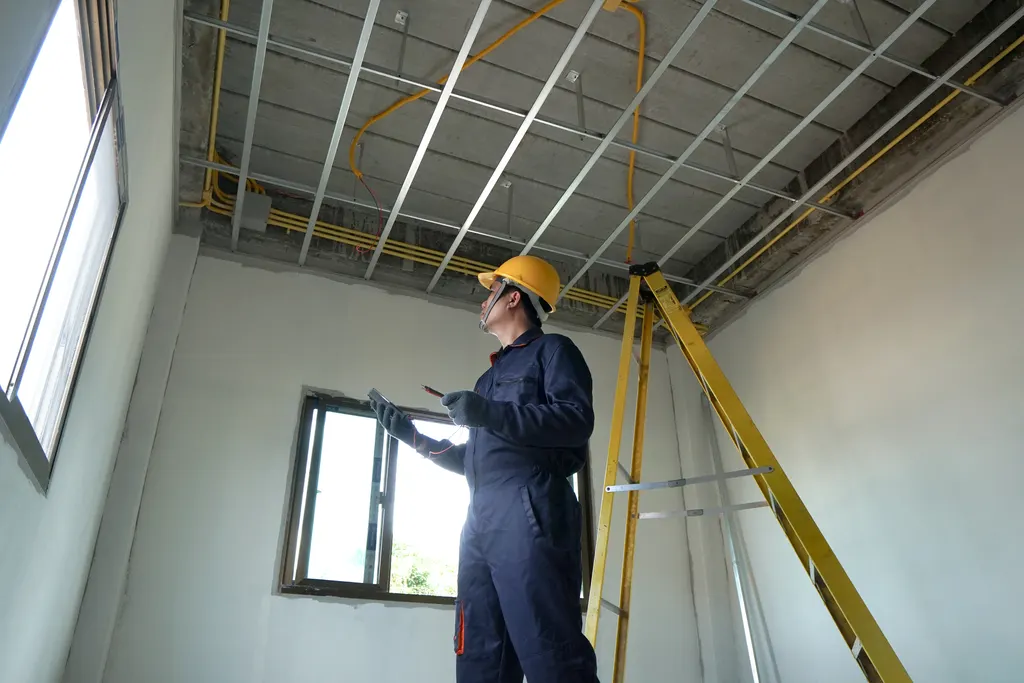
A home electrical inspection is a systematic review of every part of the electrical system a homeowner is responsible for, from the meter base and service mast down to the last outlet in the garage. The electrician looks for three things: damage, wear and installations that no longer meet the safety standards in the 2023 NEC as adopted in Texas. The result is a written report, not a pass-or-fail stamp.
It helps to know there are three different "inspections" people mean when they use the word:
- A safety inspection is the voluntary check described in this article, performed by a licensed electrician on a home of any age.
- A permit inspection is performed by the city building department inside city limits, or the county outside them, after permitted work such as a panel change, a new circuit or an EV charger. It verifies that specific job, not the whole house.
- A general home inspection during a real estate sale touches on electrical items but is limited in scope. A home inspector will often recommend a licensed electrician for anything beyond a visual check.
A safety inspection goes deeper than the other two because the electrician removes the panel dead front, tests devices under load and climbs into the attic where most of the wiring in a slab-foundation Houston home actually lives.
What Does the Electrician Actually Check?
A thorough inspection follows the path the power takes, from the outside in:
- Service entrance: the weatherhead, mast, meter base and service conductors you own, even though CenterPoint Energy owns the meter and the drop. Rust, a leaning mast or cracked insulation are flagged here.
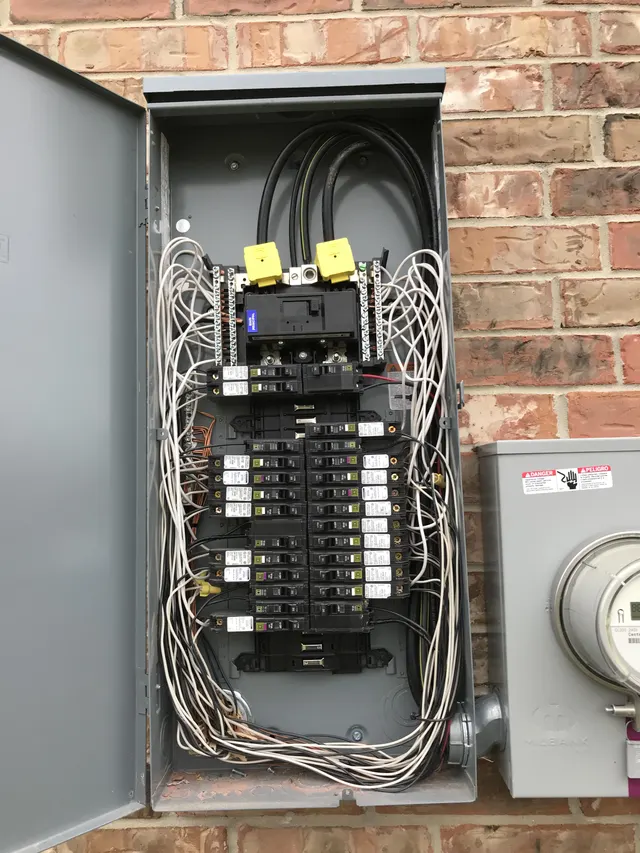
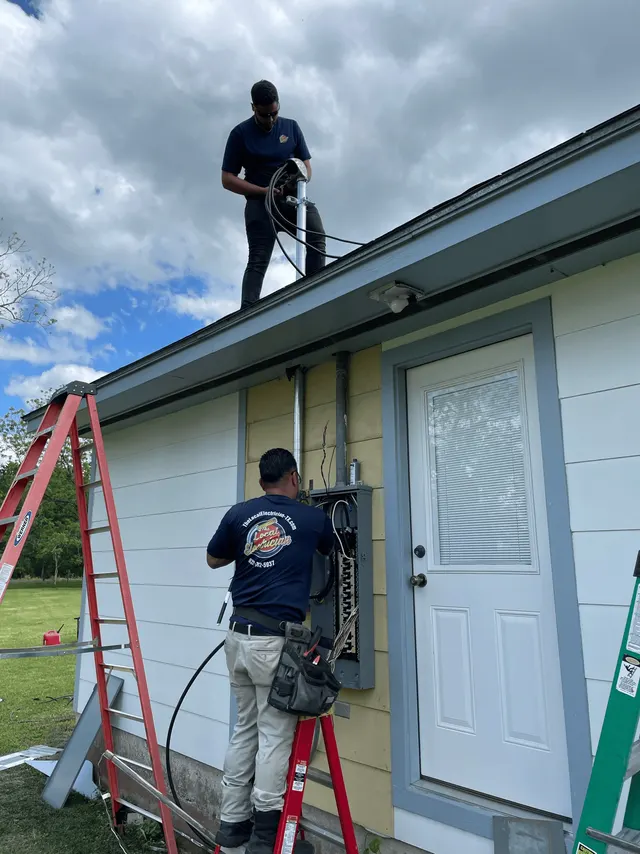
- Electrical panel: brand and breaker type (Federal Pacific Stab-Lok, Zinsco and early Challenger panels are noted as known hazards), double-tapped breakers, scorching, corrosion, loose lugs, missing knockouts, whether the main breaker rating matches the service, and whether circuits are labeled. The common causes of panel failure are all things an inspector can see once the cover is off.
- Grounding and bonding: the grounding electrode conductor, ground rods or concrete-encased electrode, the main bonding jumper, water and gas pipe bonding, and whether neutrals and grounds are correctly separated in any subpanel.
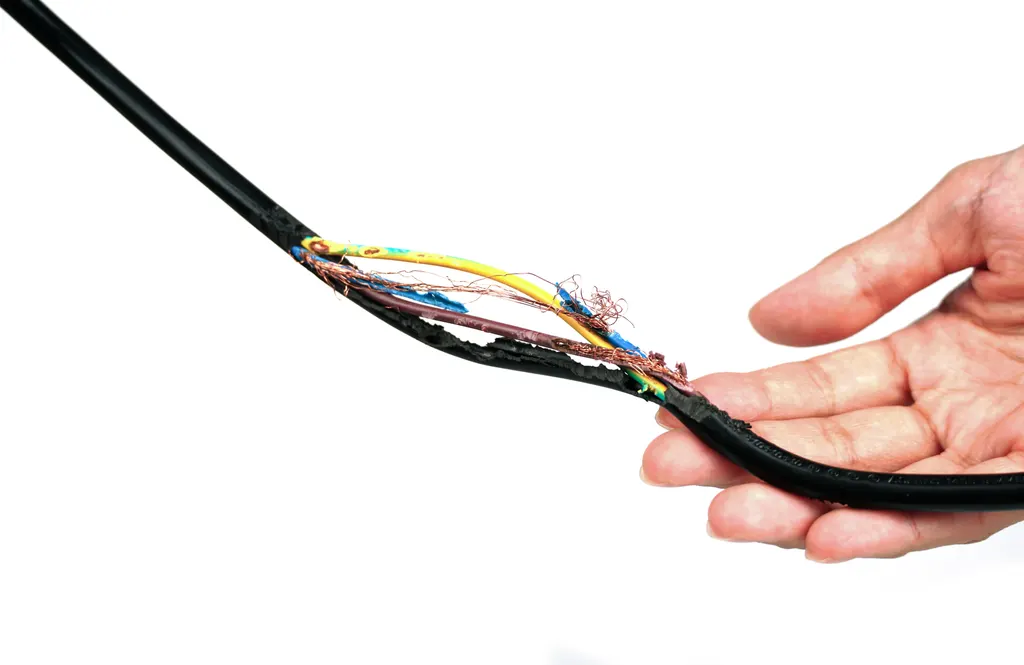
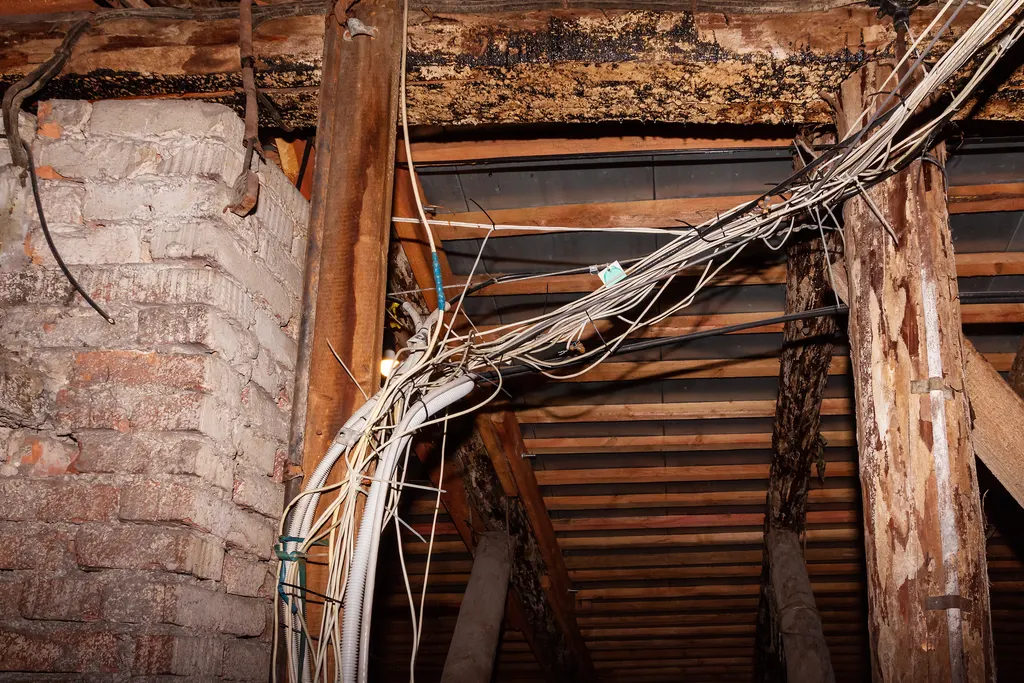
- Branch wiring: conductor type (copper or aluminum), insulation condition, open splices, uncovered junction boxes, cables lying unsupported across attic joists or crushed under storage.
- Outlets and switches: correct polarity, presence of a ground, tamper-resistant receptacles where children live, and GFCI protection in kitchens, bathrooms, garages, laundry areas and outdoors. AFCI protection is checked on bedroom and living-area circuits.
- Fixed equipment: HVAC disconnects, water heater wiring, pool and spa bonding, and the dedicated range, dryer and microwave circuits.
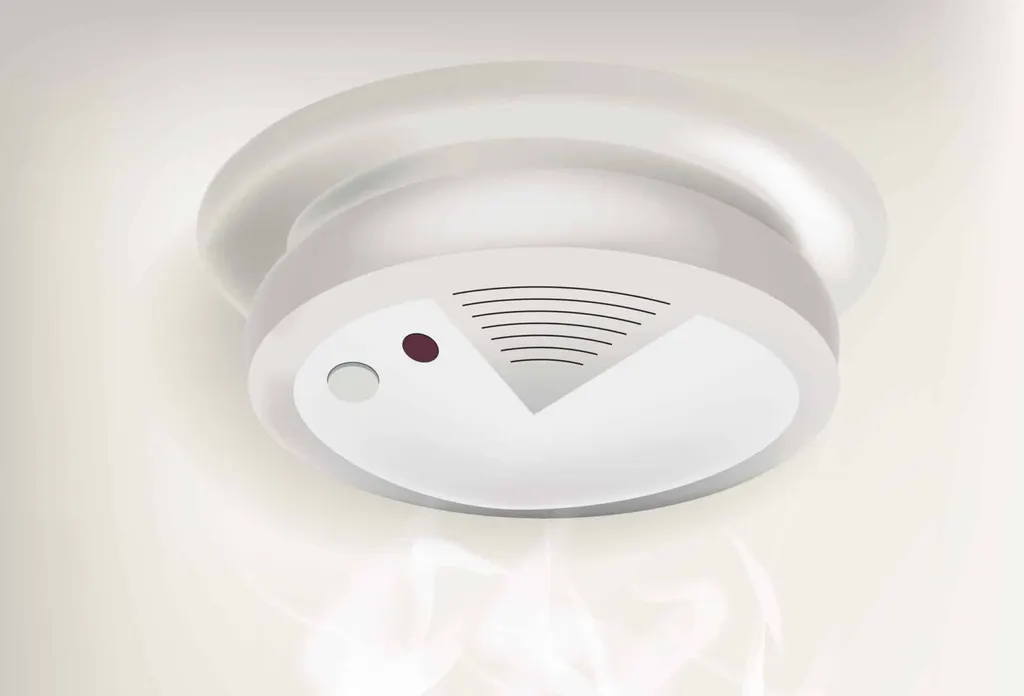
- Life safety: smoke and carbon monoxide alarm placement, age and interconnection.
Many electricians also scan the energized panel with a thermal camera. A warm breaker or lug shows up as a hot spot long before anything smells like it is burning.
When Should You Schedule a Home Electrical Inspection?
No law requires a homeowner to inspect a house on a schedule, so tie inspections to events and to the age of the house.
Event-driven inspections
- Before buying or selling. An electrical report gives a buyer leverage and a seller time to fix problems before negotiations.
- Before a renovation or a large new load. Kitchens, additions, EV chargers, standby generators and new HVAC equipment all change the load on the panel. Find out what the service can handle before the contractor starts.
- After a flood, hurricane or lightning strike. Water inside a panel or junction box, and surge damage after a nearby strike, are not always visible from the living room.
- When an insurer asks. Some carriers request a four-point or electrical inspection on older homes before writing or renewing a policy.
Age-driven inspections
- Homes built before about 1975 should be inspected now if they have not been, because of aluminum branch wiring and the panel brands of that era.
- Homes 25 to 40 years old benefit from an inspection every three to five years, because devices, breakers and attic cable insulation are all reaching the end of their service life at once.
- Newer homes rarely need one unless something changes or a warning sign appears.
Warning signs override any schedule. Tripping breakers, warm outlets, a buzzing panel or a burning smell are reasons to call the same week. Our year-round safety checklist for older Texas homes lists the symptoms room by room.
What Happens After the Inspection?
A good inspection ends with a written report that ranks findings, because not every item carries the same urgency. Expect three tiers:
- Immediate hazards. Scorched breakers, open splices, a missing main bonding jumper, an energized metal box, reversed polarity on a kitchen outlet, or a recalled panel. These are fixed first, sometimes the same day.
- Safety upgrades. Items that were legal when the house was built but fall short of current protection: ungrounded two-prong outlets, no GFCI in the garage, no AFCI on bedroom circuits, smoke alarms older than ten years. Existing installations are generally not required to be brought up to the current code unless they are altered, so these are recommendations, not citations.
- Capacity and planning notes. Spare breaker space, service size, whether the panel can take a generator transfer switch or a 50-amp EV circuit.
Ask for photographs with the report. A picture of a double-tapped breaker or a chewed cable in the attic is useful if you later negotiate with a seller or file an insurance claim. The report should also say which repairs are permit-required. Panel replacements, service upgrades and new circuits are permitted and inspected by the city or county, and a reputable electrician pulls the permit rather than asking you to skip it.
Home Electrical Inspections in Richmond, Katy and Pecan Grove Homes
The findings we see most often in Fort Bend County are tied directly to when and how the houses were built. In the older sections of Richmond and in Pecan Grove, which was developed largely in the 1970s and 1980s, we regularly open panels with Federal Pacific or Zinsco breakers and find branch circuits that were extended into attic junction boxes with no cover. In Katy subdivisions from the 1980s and 1990s, the usual findings are missing GFCI protection in garages and at outdoor outlets, backstabbed receptacles that have loosened, and ceiling fans hung from boxes never rated for them.
Climate adds its own wear. Almost every home in this area sits on a slab, so the wiring runs through the attic, where summer temperatures exceed 130°F for months. Heat ages cable insulation, loosens connections through expansion cycles and makes it uncomfortable enough that previous handymen sometimes left work half-finished. Humidity corrodes outdoor fixtures and meter bases, and the lightning that comes with Gulf Coast storms is why we look closely at surge protection and grounding.
Storm history matters too. After Hurricane Beryl and the May 2024 derecho, inspections turned up bent service masts, water-stained panels and generator cords plugged into dryer outlets. Newer master-planned communities such as Cinco Ranch, Aliana and Harvest Green are in far better shape, but even there we check for builder-grade shortcuts and for EV chargers added without a permit.
Can You Inspect Your Own Wiring?
Part of a home electrical inspection, yes. A homeowner can safely do a walk-through that catches the obvious problems and tells you whether a professional visit is urgent. What you should not do is remove the panel cover, open junction boxes or probe inside devices; the bus bars behind a dead front stay energized even with the main breaker off.
Safe checks you can do
- Press the test button on every GFCI outlet and breaker once a month. The power should cut off and come back with reset. A GFCI that will not trip is replaced, not ignored.
- Use a plug-in outlet tester on a few outlets in each room. It shows reversed polarity and open grounds without any tools.
- Feel outlet and switch covers after an appliance has run for a while. Warmth means a loose connection.
- Read the panel label and the breaker handles. Note the brand, the main breaker rating and any breaker that is unlabeled or has been replaced with a different brand.
- Look up in the attic from the ladder with a flashlight: cables draped over joists, boxes without covers, insulation packed around recessed lights, droppings or chewed insulation.
- Check the manufacture date printed on the back of each smoke alarm.
Anything that involves a conductor, a connection or a panel belongs with a licensed electrician. The Local Electrician performs inspections under TECL #34406, and the same technician who finds a problem can quote the repair with upfront pricing on the spot.
What Affects the Cost of an Inspection?
Home electrical inspection pricing is usually quoted as a flat fee for a typical house, with adjustments for scope. The factors that move it:
- Size and age of the home. A 1,600-square-foot 1990s house with one panel takes far less time than a 4,000-square-foot home with a subpanel, a pool and a detached workshop.
- Attic access and condition. Deep blown insulation, no decking or a tight scuttle hole slow the wiring inspection considerably.
- Thermal imaging and load measurement. Some electricians include these; others add them as options.
- Purpose of the report. An insurance four-point form or a real estate report with photographs takes more documentation time than a verbal walk-through.
- Bundled repairs. Many contractors credit the inspection fee toward work found during the visit, such as adding GFCI outlets or replacing a failed breaker.
The inspection itself is a small cost. The repairs it uncovers range from a single receptacle to a full panel replacement, and for the larger jobs, financing is available so a safety problem does not wait on a budget cycle. The Local Electrician provides free estimates on any installation work recommended in the report.
Frequently Asked Questions
What is a home electrical inspection?
A home electrical inspection is a documented check of the service entrance, panel, grounding, wiring, outlets, protective devices and smoke alarms, performed by a licensed electrician. It identifies damage, wear and installations that fall short of current safety standards, then ranks findings by urgency so you know what to fix first and what can wait.
How often should I get an electrical inspection?
For homes older than 25 years, every three to five years is a reasonable interval. Newer homes need one only when something changes. Regardless of age, schedule an inspection before buying or selling, before a renovation or large new load, after a flood or lightning strike, and whenever you notice tripping breakers, warm outlets or flickering lights.
What does an electrical inspector look for?
A licensed electrician looks for hazards and deficiencies: scorched or recalled breakers, double taps, loose lugs, missing grounding or bonding, aluminum wiring, open splices, uncovered attic junction boxes, ungrounded or miswired outlets, missing GFCI or AFCI protection, overloaded circuits and aging smoke alarms. Many also scan the panel with a thermal camera for hot connections.
Can I conduct an electrical inspection myself?
You can do a useful walk-through: test GFCIs, use a plug-in outlet tester, feel for warm outlet covers, read the panel label and look into the attic with a flashlight. Removing the panel cover, opening junction boxes or testing inside devices should be left to a licensed electrician because parts of the panel stay energized even with the main breaker off.
Do I need an electrical inspection by law in Katy or Richmond, TX?
No law requires a homeowner to inspect an existing house on a schedule. Inspections are legally required only for permitted work such as panel replacements, new circuits, generators and EV chargers, which the city or county inspects after installation. Insurers may request an inspection on older homes, and lenders sometimes ask for one on a purchase.
How long does a home electrical inspection take?
Most single-family homes take one to three hours. The time depends on square footage, the number of panels, attic access and whether thermal imaging and a written photo report are included. The Local Electrician reviews findings with you before leaving and provides upfront pricing for any repairs the inspection recommends.