







Quick answer
To lower your electric bill in the Houston area, work the biggest loads first: raise the cooling setpoint and keep the air conditioner and attic in shape, set the water heater to 120°F, run the pool pump fewer hours on a variable-speed motor, choose a fixed-rate retail plan that fits your usage, then cut phantom load in the office and media room. Lighting comes last; LEDs already did that work.
Most advice on how to lower your electric bill is written for a cold climate and starts with bulbs. In Richmond, Katy and Bellaire the bill is a cooling bill from May through October, with the water heater, pool pump and dryer behind it, and the plan you buy electricity on sitting underneath all of it. This guide is in the order that moves a Houston-area bill, with the honest electrical notes a licensed electrician would add about what actually wastes power and what just looks like it does.
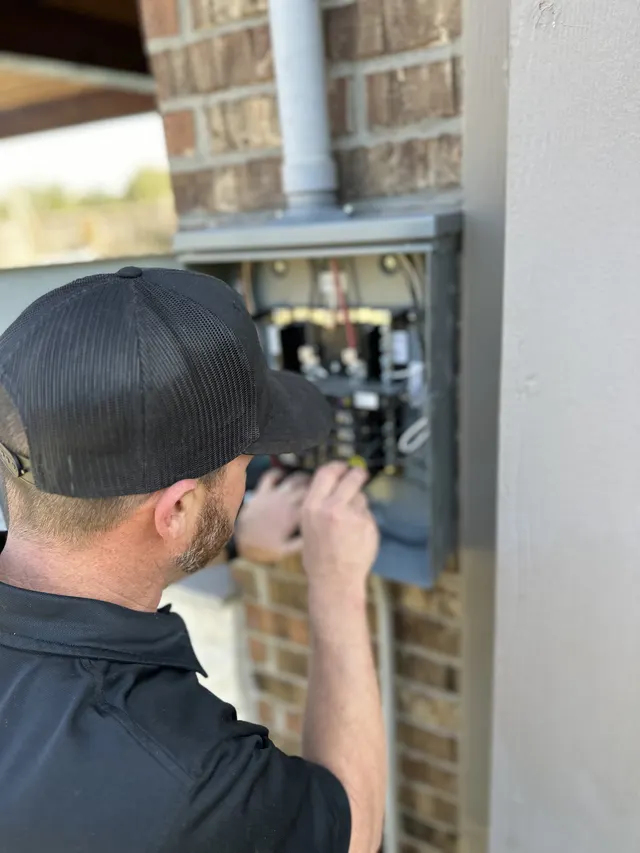
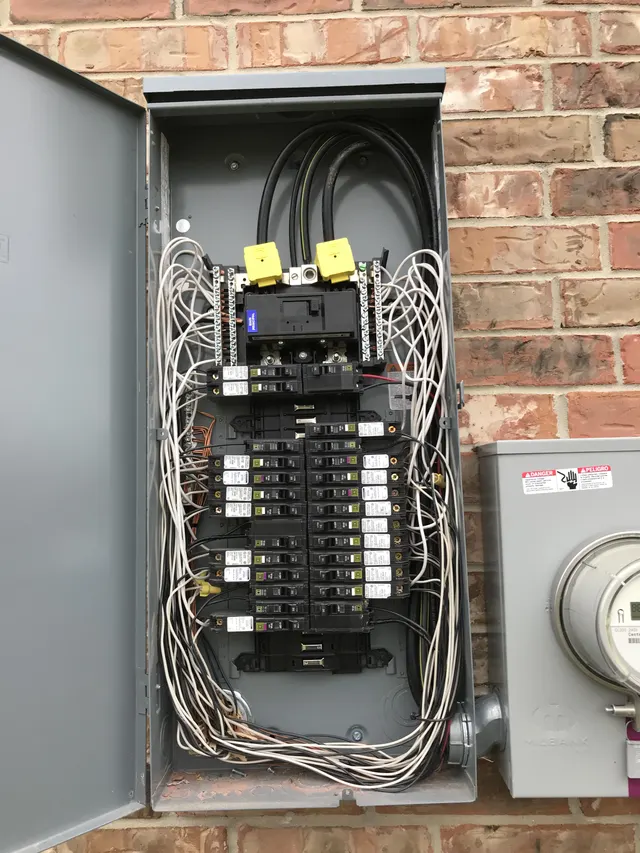
Where a fix involves the panel, a dedicated circuit or a device installation, our smart home device installation service handles it; most of what follows you can start this week.
Key Takeaways
- In the Houston area, cooling dominates the summer electric bill, so thermostat setpoint, filters, duct leaks and attic heat come before anything else.
- The water heater, pool pump and dryer are the next largest loads; a 120°F setting and a variable-speed pump on a shorter schedule cut them.
- Texas is a deregulated market: a fixed-rate retail plan matched to your actual monthly kWh beats a teaser rate with usage-tier penalties.
- Phantom load from office and media equipment runs all year; an advanced power strip or smart plug cuts it without unplugging anything.
- Ceiling fans cool people, not rooms; turn them off in empty rooms or they add to the bill.
- A failing compressor capacitor, a stuck water heater element or an old garage refrigerator can raise a bill by itself; an energy monitor finds it.
Why is your electric bill so high in the Houston area?
Start with how the bill is built. In the deregulated ERCOT market, you pay a retail electric provider for the energy you use, measured in kilowatt-hours, plus CenterPoint Energy delivery charges for the wires and meter, plus a base charge. You control the kilowatt-hours day to day and the plan once a year.
Where the kilowatt-hours go in a typical home here, roughly in order:
- Air conditioning. Long cooling seasons, humid air that the system has to wring out, and attics above 130°F that heat the ducts and the ceiling. In summer it is usually the largest share by a wide margin.
- Water heating, if electric.
- Pool pump, where there is a pool.
- Dryer, range and oven.
- Refrigerators and freezers, especially an old second unit in a hot garage.
- Always-on electronics: office, media, networking, chargers.
- Lighting.
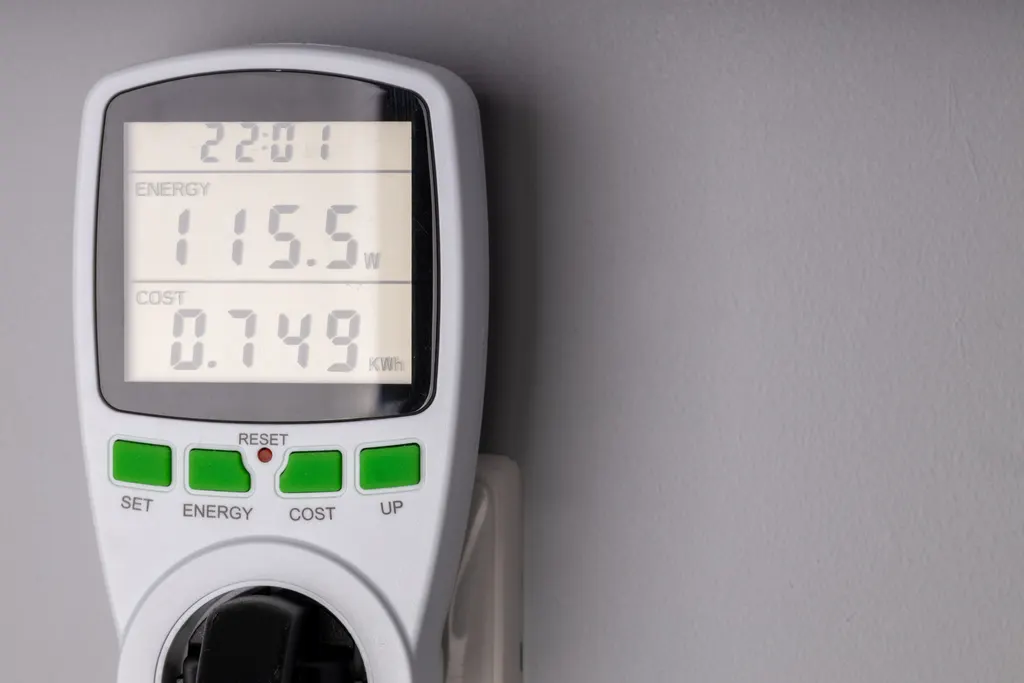
A bill that jumps without a change in habits usually traces to one of the first three, or to the plan rolling off a fixed rate onto a variable one. If you want to see your own ranking rather than a typical one, a home energy monitor shows it within a week; Smart Meter Texas interval data from your CenterPoint meter is a free, slower alternative.
How do you lower your electric bill without giving up cooling comfort?
Every item here is about making the system run fewer minutes per hour.
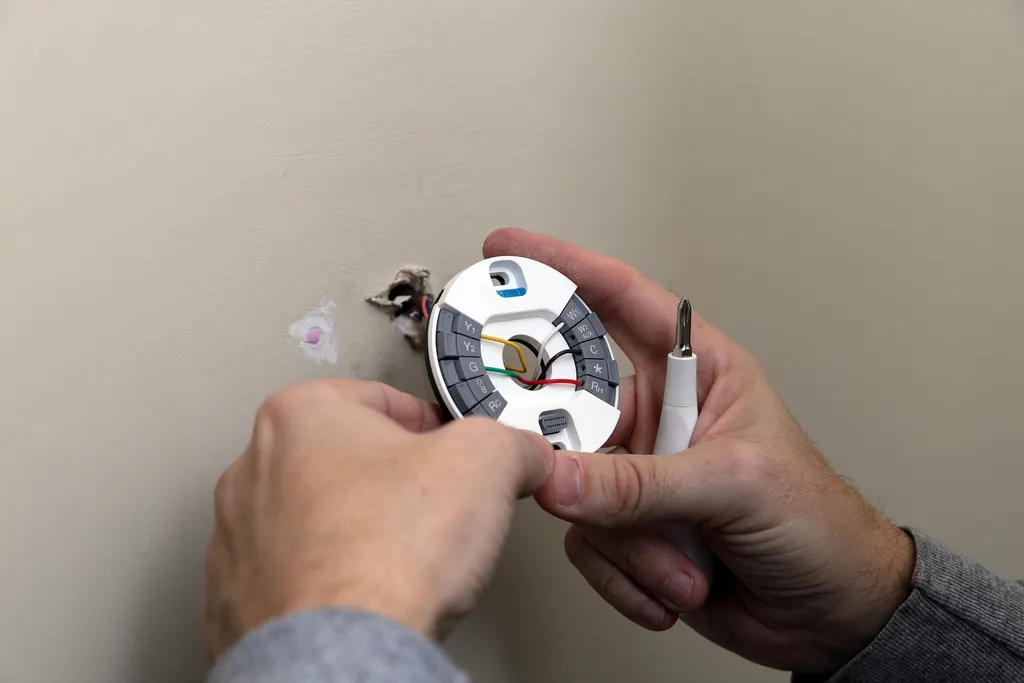
- Setpoint. Each degree you raise the thermostat in summer trims run time. 78°F when home, higher when away, with a smart thermostat handling the schedule so nobody has to remember. If your thermostat lacks a C-wire, our smart thermostat wiring guide explains the fix.
- Filters. A clogged filter starves the air handler and lengthens every cycle. Monthly in summer in a house with pets.
- Attic heat. Insulation depth, a radiant barrier and working attic ventilation are the biggest structural levers in this climate because the ducts and air handler live up there.
- Duct leaks. Cooled air blowing into the attic is the most common invisible waste in 1980s and 1990s homes. A duct test is worth it.
- Maintenance. Clean condenser coils, correct refrigerant charge and a healthy capacitor. A weak capacitor makes the compressor struggle to start and draw heavily each cycle; it is a cheap part and an electrical one.
- Shade and glass. West-facing windows without coverings add real afternoon load. Solar screens and closed blinds help.
- Ceiling fans used correctly. A fan lets you set the thermostat a couple of degrees higher in the room you are in. It does nothing for an empty room except add to the bill. Our guide to ceiling fans for Texas homes covers efficient DC-motor models.
If the upstairs system runs continuously while downstairs cycles, that is an attic and duct problem, not a reason to lower the setpoint.
Which retail electric plan actually lowers the bill?
In the ERCOT market you choose your retail electric provider, and the plan matters as much as any appliance. A few rules that hold regardless of provider:
- Know your monthly kWh for the last twelve months. It is on past bills or in Smart Meter Texas. Every plan comparison depends on it.
- Fixed rate, and compare at your real usage. Advertised rates are often quoted at one usage level and change sharply above or below it. Plans built around a bill credit at a usage threshold can cost more in the months you fall just under it. Read the Electricity Facts Label at 500, 1,000 and 2,000 kWh and at your own number.
- Free-nights and time-of-use plans only pay if you shift load. The daytime rate is higher to fund the free hours. They work for households that can run the pool pump, dryer, dishwasher and EV charger overnight, and badly for everyone else.
- Watch the contract end date. Rolling onto a month-to-month variable rate at the end of a term is one of the most common causes of a bill that suddenly climbs with no change in use.
- Delivery charges are the same on every plan. CenterPoint's charges pass through regardless of provider, so compare only the energy portion.
Changing plans takes a few minutes and no electrician. It is the one item on this list that can change the bill by a noticeable percentage with zero change to the house, which is why it sits above phantom load and lighting.
What does phantom load cost, and how do you stop it?
Phantom load, also called standby or vampire power, is electricity drawn by devices that are off but still plugged in. Individually the draws are small; together, running every hour of the year, they are a line item on every bill. The usual offenders in a home office and media room:
- Desktop computers in sleep mode, monitors, printers and docking stations.
- Game consoles, streaming boxes, receivers and soundbars on standby.
- Cable and satellite boxes, which are among the worst.
- Chargers left plugged in without a device.
- Older equipment generally; standby draw has improved in newer devices.
The fixes, in order of effort:
- Advanced power strips. A master-controlled strip senses when the TV or computer powers down and cuts the outlets feeding its peripherals. Timer and occupancy-sensing strips suit an office that is empty at night. Keep the router, DVR and anything that must stay on in the always-on outlets.
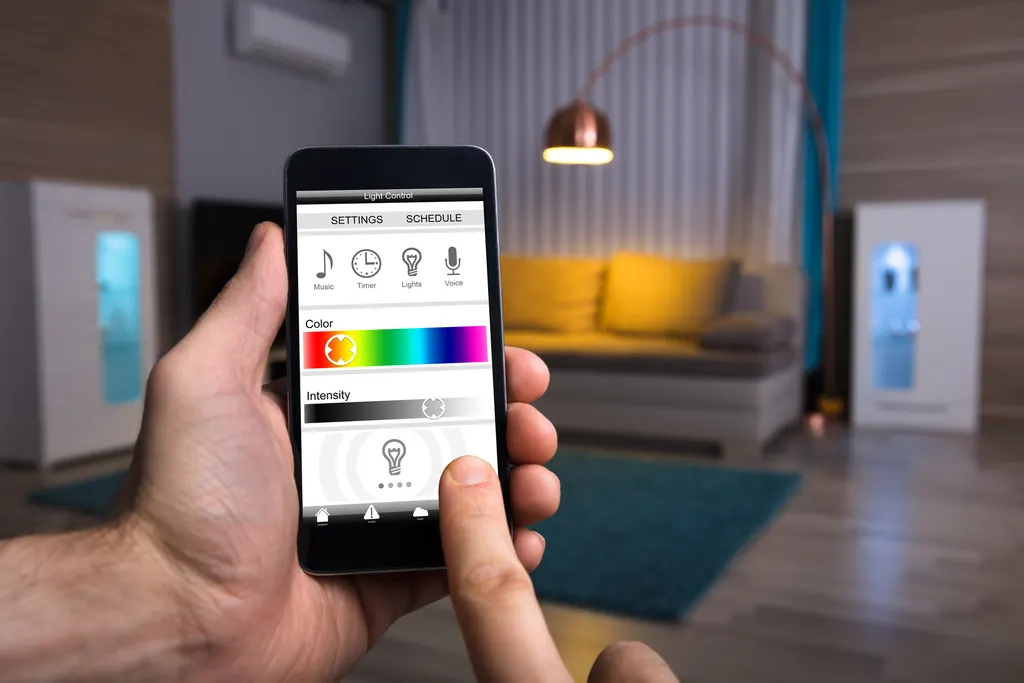
- Smart plugs with schedules for the media rack and the office, off from midnight to six.
- A metering smart plug to find out which device is the problem before you buy anything else.
- Replace the worst device rather than managing it.
Two cautions. Do not daisy-chain power strips or run a space heater, window unit or printer with a heater through one; those belong directly in a wall outlet, ideally on a dedicated circuit. And a power strip is not surge protection for a whole house; that is a panel device.
Water heater, pool pump and dryer: the loads after cooling
Once the air conditioner is under control, these three decide the rest of the bill.
Water heater
Set an electric tank to 120°F; higher settings waste standby heat and raise scald risk. Insulate the first few feet of hot pipe. If the tank is in a garage or attic, it is fighting the heat around it. A heat-pump water heater uses a fraction of the energy of resistance elements and does well in a warm garage, though it needs a dedicated circuit sized for it. A timer suits a time-of-use plan.
Pool pump
A single-speed pump running eight hours a day is often the second largest load in a home with a pool. A variable-speed pump on a longer, slower schedule moves the same water for far less energy and is quieter. Pool equipment is also where we see the most dangerous electrical shortcuts: missing bonding, non-GFCI circuits and corroded timers. Any pump replacement should include an electrical check.
Dryer
Clean the lint trap every load and the vent run yearly; a restricted vent doubles cycle times. Dry full loads, use the moisture sensor instead of timed dry, and run it in the evening on a time-of-use plan. A dryer on a 10-30 three-prong outlet works, but if the receptacle is warm or discolored, it is wasting energy as heat at the connection and needs replacing.
Finally, the old garage refrigerator. A 1990s unit in a 100°F garage can use more than the new kitchen one. Meter it for a week and decide.
How to lower your electric bill in Richmond, Cinco Ranch, Katy and Bellaire homes
The same house in different parts of our service area needs different first steps, and The Local Electrician sees the pattern repeat.
Bellaire, West University and Memorial. Many homes date from the 1950s to 1970s: thin attic insulation, original ductwork, single-pane windows in some, and panels and wiring near the end of their service life. Attic insulation and duct sealing move the bill more than any device, and an electrical inspection in Bellaire often finds an old garage freezer, a failing compressor capacitor or ungrounded outlets that complicate any smart upgrade.
Cinco Ranch, Grand Mission and Aliana. Two-story homes with two air-conditioning systems, radiant barrier and 200-amp service. The upstairs system is the usual culprit; a smart thermostat per zone, a filter schedule and a duct test are the first moves. Pools are common, so a variable-speed pump is often the second.
Older Richmond, Pecan Grove and Rosenberg. 1980s and 1990s single-story homes with 150-amp panels, electric water heaters in the garage, and attic air handlers. Water heater setting, attic ventilation and the plan choice do the most. Our Richmond office is in Grand Mission, so these are home calls.
Two area-wide notes. CenterPoint delivery charges are identical for everyone, so plan shopping is purely about the energy rate. And after Hurricane Beryl and the May 2024 derecho, many households added standby generators; a generator's weekly self-test and its battery charger are small but permanent additions to the base load, worth knowing about when the monitor shows a bump.
Which electrical problems raise your bill, and when should you call an electrician?
Some high bills are equipment quietly misbehaving, which an electrician or an energy monitor finds.
- A weak compressor capacitor or failing contactor. The outdoor unit hums, struggles to start, and draws heavily every cycle. Lights that dim when the condenser kicks on are the clue.
- A stuck water heater element or thermostat. The tank heats around the clock; the monitor shows a block of draw every few minutes overnight.
- A pool pump timer that failed on, running around the clock.
- Loose or corroded connections at a 240-volt receptacle, a breaker or the meter base. They waste energy as heat, and the heat is a fire risk; a warm outlet or breaker is a same-day call.
- Undersized or very long circuits feeding a window unit or workshop, where voltage drop makes motors run hot. The fix is a dedicated circuit sized for the load.
- Aluminum branch wiring with original connections, which develops resistive joints that waste power and start fires.
What a homeowner can do first: check the plan's end date, set the water heater and thermostat, clean filters, meter the garage refrigerator and the media rack, and switch off fans in empty rooms. What to hand to The Local Electrician: anything warm, buzzing or discolored; a thermostat that needs a C-wire; a circuit for a heat-pump water heater, mini-split or office; a panel-level energy monitor; and an electrical check when the bill has climbed and nothing above explains it. The Local Electrician offers upfront pricing, free estimates and financing for bigger items such as a panel. Call 832-271-1167.
Frequently Asked Questions
Why are my electric bills high even when I try to use less electricity?
Usually one of three things: the air conditioner is running long cycles because of attic heat, duct leaks, a dirty filter or a weak capacitor; a large load such as the water heater, pool pump or an old garage refrigerator is running more than you realize; or your retail electric plan rolled onto a variable rate or penalizes your usage tier. An energy monitor or Smart Meter Texas data shows which.
What is the easiest way to start lowering my electric bill?
Check your plan's contract end date and rate at your actual monthly kWh, then raise the summer thermostat setpoint and replace the air filter. Those three take an afternoon, cost nothing, and touch the biggest parts of a Houston-area bill. Next, set the water heater to 120°F and shorten the pool pump schedule. Phantom load and lighting come after.
How can smart thermostats help reduce electric bills?
They enforce the schedule you would otherwise forget: a higher setpoint while the house is empty, a return to comfort before you get home, and a humidity-aware fan setting. Some adjust automatically to retail plan peak hours. The savings come from fewer compressor minutes, not from the device itself, and the thermostat needs a C-wire to run reliably through a Houston summer.
Is it worth getting a professional energy audit?
For a home built before the 2000s, or any home whose bill has climbed without explanation, yes. An audit finds attic insulation gaps, duct leakage and air infiltration that no device fixes, and an electrician's side of it finds failing capacitors, stuck heating elements, overloaded circuits and warm connections. The Local Electrician performs the electrical portion and can install a monitor to measure the results.
Can changing my energy plan in Texas lower my bill?
Often, and it is the one change that needs no work on the house. Compare fixed-rate plans using the Electricity Facts Label at your real monthly usage, not the advertised rate, avoid plans whose bill credit disappears just below your typical usage, and treat free-nights plans as worthwhile only if you can move the pool pump, dryer and EV charging into the free hours. CenterPoint delivery charges do not change.
Which devices waste the most electricity when turned off?
Cable and satellite boxes, older game consoles, desktop computers in sleep mode, AV receivers and soundbars on standby, printers, and chargers left plugged in. Individually they are small, but together they run every hour of the year. A master-controlled advanced power strip or a scheduled smart plug on the media rack and office desk eliminates most of it without unplugging anything.
Do ceiling fans lower the electric bill?
Only when someone is in the room. A fan cools skin by moving air, which lets you set the thermostat two or three degrees higher comfortably; it does not lower the room temperature. Running fans in empty rooms adds to the bill. Newer DC-motor fans use far less power than older AC-motor models, and a wall control or smart switch makes it easy to turn them off on the way out.