





Outdoor outlet covers are essential for keeping your home’s exterior electrical outlets safe from rain and moisture. Many homeowners in Katy, TX, overlook how important the right cover can be for outdoor safety. Without proper protection, rainwater can trip your GFCI outlets and cause inconvenience or even hazards. Choosing the best outdoor outlet covers makes a big difference in how well your electrical system performs.
Homes in Pearland and Richmond, TX, face unpredictable weather that can affect outdoor electrical outlets. Rain, humidity, and storms all increase the risk of moisture getting into outlets. The right outdoor outlet covers are designed to shield outlets from these elements. This protection helps prevent dangerous electrical faults and keeps your home’s power running smoothly.
Understanding the differences between standard and in-use covers is key for outdoor safety. Standard covers provide basic protection but may not be enough for wet conditions. In-use covers, on the other hand, allow you to use your outlets even during rain without worry. They offer better sealing and coverage, which means your GFCI outlets stay protected at all times.
Weatherproof ratings and local electrical codes also play a big role in choosing outdoor outlet covers. Areas classified as wet or damp require covers that meet specific standards. Knowing these requirements ensures your home is up to code and safe. Choosing the right outdoor outlet covers gives you peace of mind, no matter the weather.
Why Outdoor Outlets Need Special Protection
Outdoor electrical outlets face more risks than indoor ones because of constant exposure to rain, humidity, and changing temperatures. Moisture can easily seep into unprotected outlets, causing GFCI outlets to trip or even fail. Outdoor outlet covers help block water, dirt, and debris from entering the outlet. This keeps your electrical system safe and reliable, especially during storms or heavy rainfall.
Without proper covers, water entering outlets can lead to short circuits or even electrical fires. Outdoor outlet covers are designed to create a tight seal, preventing dangerous moisture buildup. This is especially important in areas like Pearland, where sudden downpours are common. By using the right cover, you reduce the risk of accidental shocks and protect your family.
Standard indoor covers simply do not offer enough protection for outdoor use. Outdoor outlet covers are made from weather-resistant materials that can withstand harsh sun, rain, and wind. In-use covers provide even more security because they allow plugs to remain connected while still keeping the outlet shielded. This added protection is vital for homes in Richmond, TX, where weather can change quickly.
Local codes require outdoor outlets to have covers rated for wet or damp locations. These ratings ensure the covers can handle the demands of outdoor environments. Choosing covers that meet these standards keeps your home compliant and safe. Investing in proper outdoor outlet covers is a smart step for any homeowner looking to avoid electrical issues.
How Rain Causes GFCI Outlets to Trip
Rain is a leading cause of GFCI outlets tripping outdoors. When water enters an unprotected outlet, it creates a path for electricity to flow where it shouldn’t. This triggers the GFCI to shut off power, stopping potential shocks. Outdoor outlet covers help prevent this by blocking rain from reaching the outlet.
In Pearland, sudden storms can catch homeowners off guard. Even a small amount of moisture can cause a GFCI outlet to trip. With the right outdoor outlet covers, water stays out and your electrical system remains stable. This means fewer interruptions and greater safety for your family.
Outdoor outlet covers designed for in-use protection offer a tighter seal than standard models. They allow you to keep cords plugged in while still shielding the outlet from rain. This is especially important in Richmond, TX, where weather conditions can change quickly. In-use covers keep outlets dry and functional, even during heavy downpours.
Proper weatherproof ratings are crucial for outdoor outlet covers. Wet location covers must meet strict standards to ensure water cannot reach electrical parts. By choosing covers with the right rating, you reduce the risk of GFCI tripping during storms. This keeps your home’s exterior outlets safe and reliable, no matter the weather.
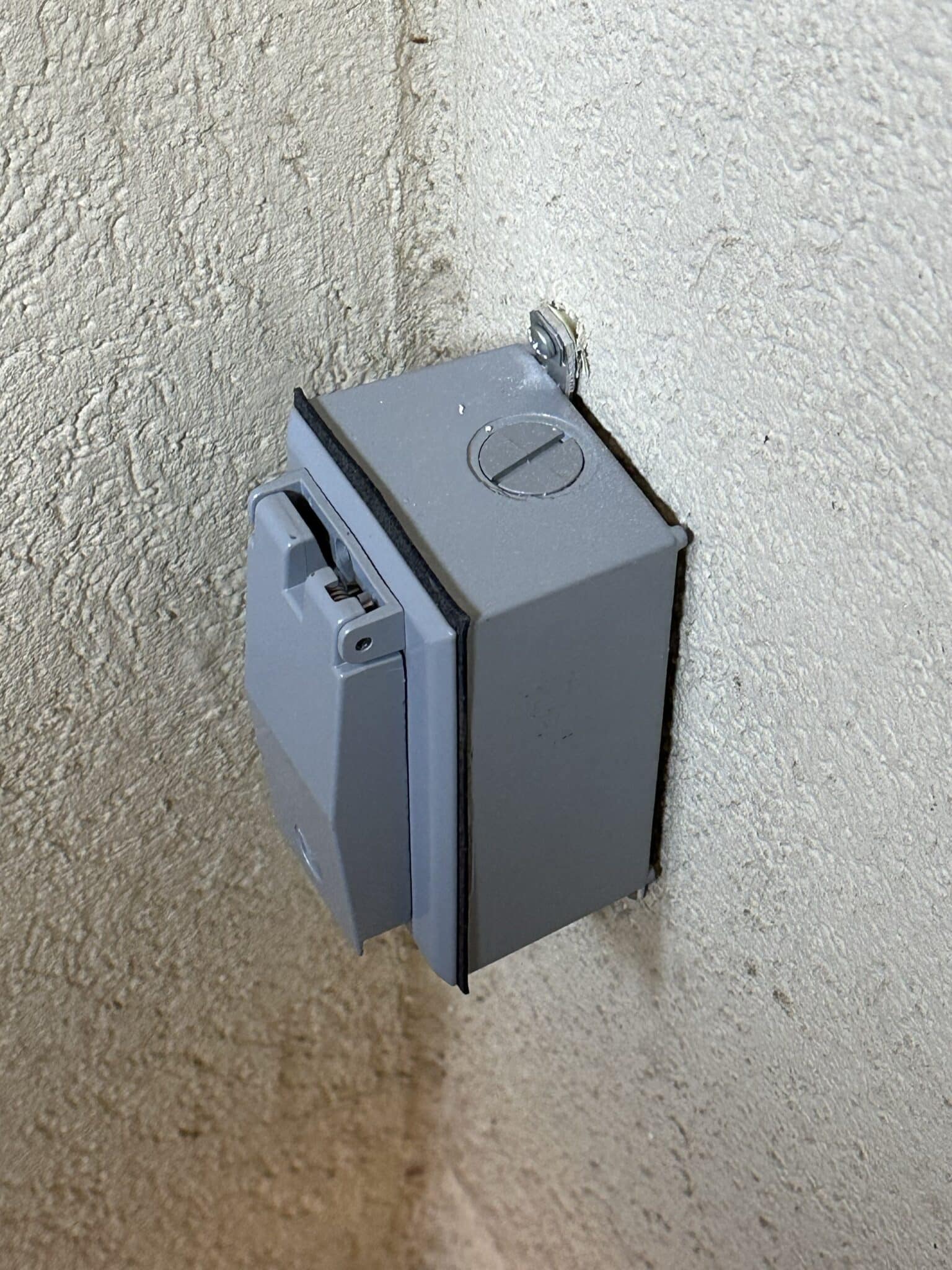
Outdoor Outlet Covers vs Standard Outlet Covers
Outdoor outlet covers offer much more protection than standard indoor covers. Standard covers are meant for dry, indoor spaces and lack weatherproof features. Outdoor outlet covers are specifically designed to seal out rain, dust, and debris. This difference is essential for homes in Pearland, where weather can be unpredictable.
In-use outdoor outlet covers provide extra security by allowing you to keep cords plugged in without exposing the outlet. These covers close tightly around the cord, blocking water from entering during storms. Standard covers cannot do this, leaving outlets vulnerable when in use. Choosing in-use covers helps prevent GFCI tripping and electrical faults.
Materials used in outdoor outlet covers are also more robust than those in standard covers. They resist cracking, fading, and damage from sun or moisture. Standard covers may break down quickly outside, losing their protective abilities. Outdoor outlet covers maintain their integrity, ensuring long-term safety for your electrical system.
Local codes in Richmond, TX, require outdoor outlets to have weatherproof covers rated for wet or damp locations. Meeting these requirements keeps your home safe and compliant. Outdoor outlet covers with proper ratings protect against electrical hazards in every season. Investing in the right covers helps keep your exterior outlets secure year-round.
Types of Outdoor Outlet Covers Explained
Outdoor outlet covers come in several types, each designed for specific outdoor conditions and uses. The most common options are flat covers, bubble covers, and in-use covers. Flat covers work well for outlets not in regular use, protecting them when closed. Bubble and in-use covers provide extra space, allowing cords to remain plugged in while keeping the outlet protected.
In-use outdoor outlet covers are the best choice for active outlets exposed to rain or moisture. These covers have a hinged, gasketed design that seals tightly around cords. This keeps water out, even during storms in Pearland. Their durable construction ensures reliable protection for homes facing unpredictable weather.
Standard flat outdoor outlet covers offer basic protection but are not ideal when outlets are in use. They shield the outlet only when closed and unused. For households in Richmond, TX, where outdoor appliances may stay plugged in, in-use covers are a safer option. Choosing the right cover type depends on how and when you use your exterior outlets.
Weatherproof ratings also help determine which outdoor outlet covers are suitable for your home. Covers rated for wet locations provide the highest level of moisture resistance. Damp location covers offer protection where direct exposure to rain is less likely. Always match the cover type and rating to your home’s specific outdoor conditions for the best results.
Weatherproof Ratings for Outdoor Outlet Covers
Weatherproof ratings are a key factor when choosing outdoor outlet covers for your home. These ratings help you understand how well a cover can block out moisture and withstand harsh weather. In Pearland, where storms are frequent, selecting covers with the right rating is essential for safety. Look for covers labeled for wet locations to ensure full protection.
Outdoor outlet covers with a “wet location” rating are designed to keep water away from electrical parts, even during heavy rain. These covers have tight seals and durable materials that resist cracking and fading. For areas that only get occasional moisture, “damp location” covers may be enough. However, wet-rated covers offer the best defense in unpredictable climates.
National and local codes require outdoor outlet covers to meet specific weatherproof standards. In Richmond, TX, inspectors look for covers that match the environment’s needs. Installing covers with the proper rating keeps your home compliant and reduces the risk of electrical hazards. Always check the label to confirm the cover’s weatherproof status before installation.
Properly rated outdoor outlet covers help prevent GFCI outlets from tripping during storms or high humidity. They protect outlets from water intrusion, which keeps your electrical system running smoothly. Choosing the correct rating means fewer electrical issues and greater peace of mind. Protect your home by investing in covers that meet or exceed safety standards.
GFCI Protection Requirements for Outdoor Outlets
GFCI protection is required for all outdoor outlets to prevent electrical shock and increase home safety. Outdoor outlet covers work together with GFCI devices to block moisture and stop accidental trips. In Pearland, local codes ensure that every exterior outlet has both GFCI protection and a weatherproof cover. This dual layer of safety helps protect families during storms and wet weather.
GFCI outlets detect ground faults and instantly cut power if water or debris causes a short circuit. Outdoor outlet covers shield the outlet, reducing the chance of moisture reaching sensitive parts. When both are installed, your exterior electrical system is much safer. Homeowners in Richmond, TX, benefit from this combination, especially in unpredictable weather.
National electrical codes specify that outdoor outlets must have covers rated for wet or damp locations. These standards apply whether the outlet is on a porch, patio, or exterior wall. Outdoor outlet covers with the right rating help keep GFCI outlets from tripping unnecessarily. Following these requirements ensures your home stays compliant and protected.
Proper installation is just as important as choosing the right equipment. Outdoor outlet covers should fit snugly and be checked regularly for wear or damage. GFCI outlets also need periodic testing to confirm they are working correctly. With both in place, you can trust your outdoor electrical system to stay safe year-round.
Electrical Code for Wet and Damp Locations
Electrical codes set clear requirements for outdoor outlet covers in wet and damp locations. These rules help keep homes safe by preventing moisture from reaching electrical parts. In Pearland, inspectors look for covers that meet wet location standards on patios, decks, and exterior walls. Using code-approved covers ensures your outlets stay protected during storms and high humidity.
For damp locations, such as covered porches or carports, the code allows for slightly different covers. These areas are not directly exposed to rain but still face moisture risks. Outdoor outlet covers rated for damp locations provide a tight seal against humidity and splashes. This keeps your electrical system safe and helps prevent nuisance tripping of GFCI outlets.
National codes require that all outdoor outlets have weatherproof covers, whether in-use or standard, depending on how the outlet is used. In Richmond, TX, local regulations follow these national guidelines closely to ensure consistent safety standards. In-use covers are required if cords remain plugged in while exposed to the weather. Installing the right cover type helps keep your home compliant and reduces the risk of electrical hazards.
Proper installation is just as important as choosing the correct cover. Outdoor outlet covers must fit securely and maintain their seal to block out water. Regular inspections help catch cracks or wear that could let moisture in. By following code requirements and maintaining your covers, you keep your home’s exterior outlets safe year-round.
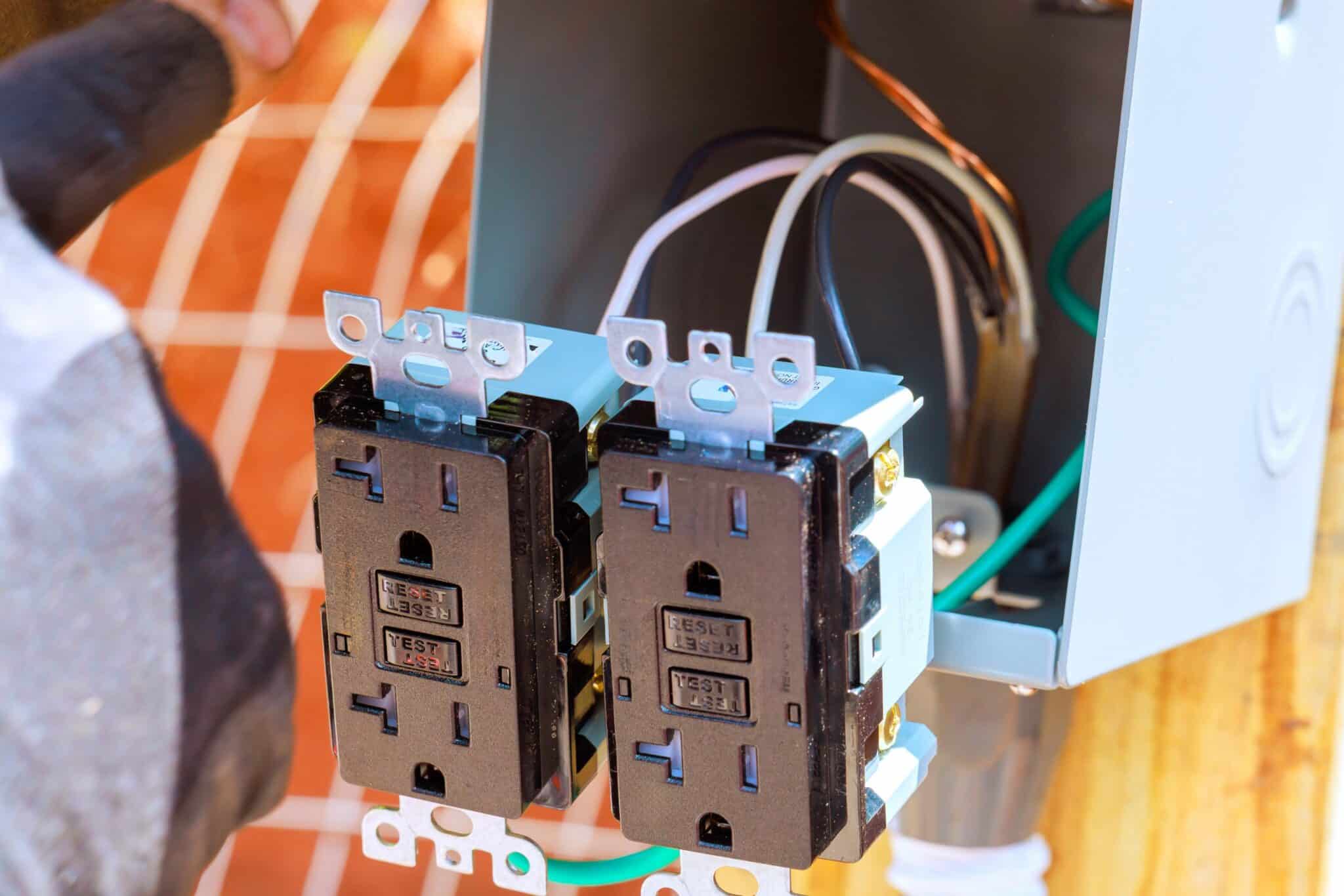
Installation Tips for Outdoor Outlet Covers
Proper installation of outdoor outlet covers is essential for reliable protection. Start by turning off the power at the breaker before working on any outlet. Remove the old cover and clean the area to ensure a tight, weatherproof seal. A clean surface helps the new cover fit snugly and block out moisture.
Choose outdoor outlet covers that match your outlet type and local code requirements. In Pearland, using in-use covers for outlets with plugged-in cords is especially important. Align the cover carefully and secure it with the provided screws. Make sure the gasket sits flat to prevent water from seeping in.
Test the cover by gently tugging on it and checking for gaps around the edges. Properly installed outdoor outlet covers should not move or wiggle. If you see any space, adjust the cover or replace the gasket. This step is crucial for keeping rain and humidity out, especially in Richmond, TX.
After installation, check outdoor outlet covers regularly for signs of wear, cracks, or loose screws. Replace damaged covers right away to maintain protection. Periodic inspection helps prevent future issues and keeps your electrical system safe. With the right installation and maintenance, your home’s exterior outlets will stay secure in any weather.
Frequently Asked Questions
How do outdoor outlet covers prevent rain from tripping GFCI outlets?
Outdoor outlet covers shield outlets from rain, helping prevent moisture from reaching the electrical contacts and tripping GFCI outlets. In-use covers offer extra protection, allowing cords to remain plugged in while blocking water. Proper GFCI protection and weatherproof ratings ensure safety in both wet and damp locations. Meeting code requirements, outdoor outlet covers help maintain reliable power and reduce the risk of electrical hazards.
What features should I look for in outdoor outlet covers?
Choose outdoor outlet covers with a weatherproof rating suitable for wet or damp locations to ensure lasting protection. In-use covers provide extra safety by allowing cords to stay plugged in while keeping moisture out. Look for covers made from durable materials that resist cracking and UV damage. Confirm the cover meets local electrical codes and works with GFCI outlets for maximum safety.
Can I install outdoor outlet covers myself?
Installing outdoor outlet covers may seem simple, but proper installation ensures lasting protection against rain and moisture. Local codes in Katy, TX, require covers to meet specific weatherproof and GFCI standards for safety. Incorrect installation can leave outlets exposed, increasing the risk of electrical hazards. For peace of mind and code compliance, trust a licensed electrician to install outdoor outlet covers correctly.
Why does rain cause GFCI outlets to trip?
Rainwater can seep into outdoor outlets, creating moisture that disrupts the electrical flow and triggers the GFCI to trip. Without proper outdoor outlet covers, water exposure increases the risk of short circuits and power loss. GFCI outlets respond quickly to any imbalance, shutting off power to prevent shocks and electrical fires. Using weatherproof outdoor outlet covers helps keep moisture out, maintaining reliable and safe operation in wet conditions.
Are there different types of outdoor outlet covers for various climates?
Outdoor outlet covers come in several types designed for different weather conditions and climates. In-use covers work well in areas with frequent rain, keeping outlets protected while in use. For harsher environments, choose covers with higher weatherproof ratings to handle extreme temperatures and moisture. Always select outdoor outlet covers that match your local climate and meet safety standards for reliable performance year-round.