





Understanding bathroom GFCI placement is essential for ensuring safety in homes across Katy, TX. These outlets are designed to protect against electrical shock in areas exposed to moisture. Proper installation is not just a recommendation, it’s a requirement set by electrical codes. Homeowners often have questions about where these outlets should be located, especially near sinks and tubs.
Electricians in Conroe and surrounding areas follow strict guidelines for bathroom GFCI placement. The right location minimizes risks and keeps your family safe. Knowing these rules can help you recognize safe and compliant electrical setups. It also gives peace of mind that your bathroom meets local safety standards.
Bathrooms are unique spaces with high humidity and frequent water use. That’s why bathroom GFCI placement requires special consideration compared to other rooms. Outlets near water sources must be installed with care to meet code requirements. This attention to detail helps prevent electrical hazards before they occur.
Whether you’re remodeling or building a new home, understanding bathroom GFCI placement is crucial. Working with qualified electricians ensures every outlet is up to code. By following these guidelines, your bathroom remains both functional and safe. Let’s explore the specific code-based locations for GFCIs in damp areas, sinks, and tubs.
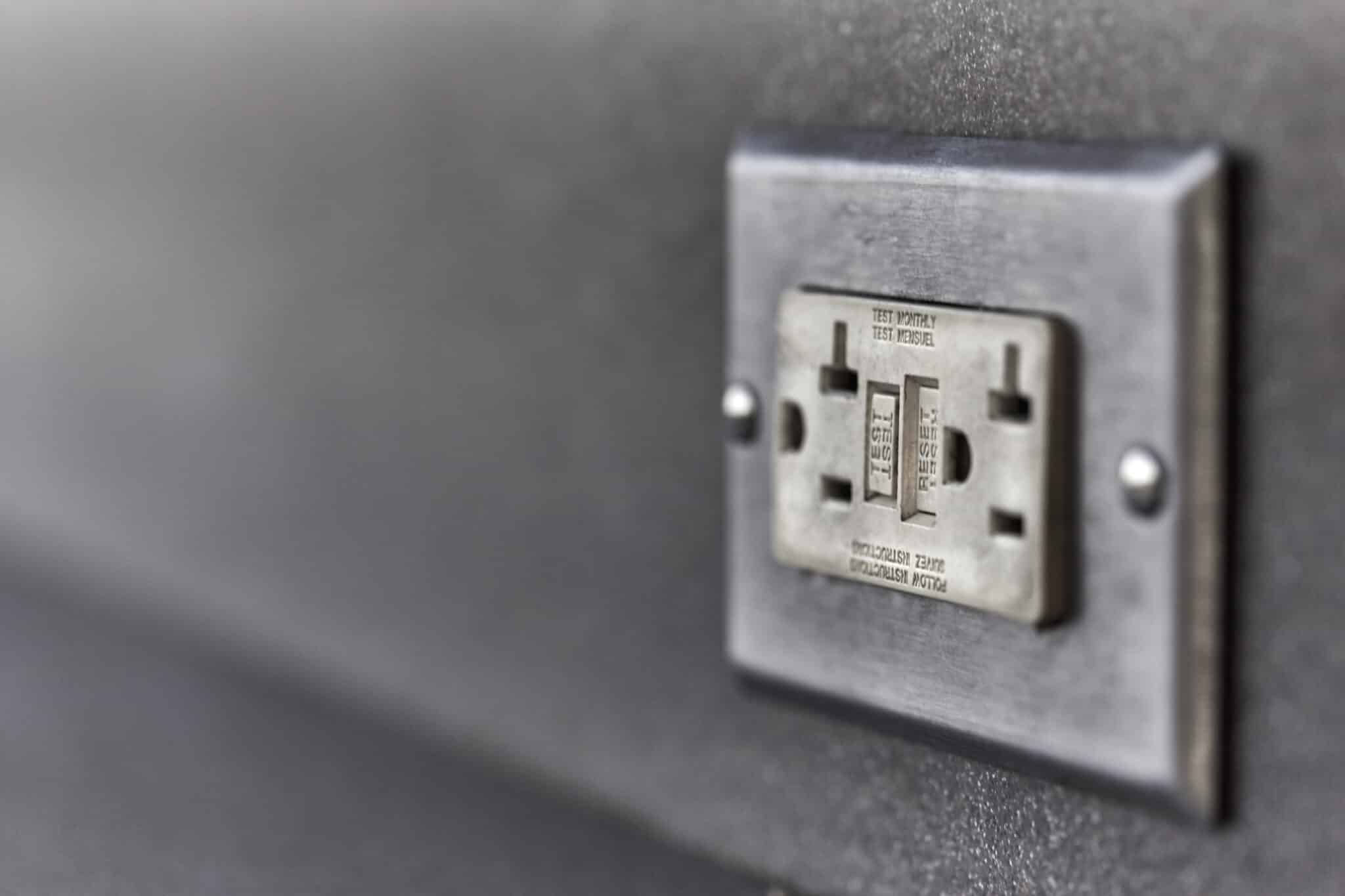
Understanding GFCI Outlets and Their Importance
GFCI outlets, or Ground Fault Circuit Interrupters, play a vital role in bathroom safety. These devices detect electrical imbalances and cut power instantly, reducing the risk of shock. Bathroom GFCI placement focuses on areas where water and electricity might meet. This includes spaces near sinks, tubs, and showers.
Electricians in Katy, TX, rely on national and local codes when installing GFCI outlets. Codes require GFCIs within a certain distance of water sources to ensure maximum protection. Proper bathroom GFCI placement keeps outlets accessible yet safe from splashing water. Following these guidelines helps maintain compliance and safety.
Understanding the importance of GFCI outlets goes beyond code adherence. GFCIs protect family members, especially children, from accidental electrical contact in damp environments. Their quick response time can prevent serious injuries or worse. This makes bathroom GFCI placement a top priority during any electrical project.
Homeowners in Conroe and nearby areas benefit from professional electrical installation and regular inspection of GFCI outlets. Electricians check for correct placement and test functionality to ensure continued safety. Regular maintenance guarantees that every outlet functions as intended. By prioritizing bathroom GFCI placement, you create a safer home environment for everyone.
National Electrical Code Requirements for Bathrooms
The National Electrical Code sets clear standards for bathroom GFCI placement. According to the code, any outlet within six feet of a sink must be GFCI-protected. This rule ensures that areas most likely to experience moisture have the highest level of electrical safety. Electricians in Katy, TX, always follow these guidelines during installation.
GFCI outlets are also required near bathtubs and showers. Any receptacle within the bathroom, not just those by the sink, must have GFCI protection. This comprehensive approach addresses all damp areas where electrical hazards are possible. Proper bathroom GFCI placement reduces the risk of shock in every part of the space.
The code also requires that GFCI outlets remain easily accessible. Outlets should not be placed behind fixtures or in hard-to-reach spots. Accessibility allows for regular testing and quick resets if needed. Homeowners in Conroe benefit from this convenience and added safety.
Bathroom GFCI placement rules apply to both new construction and remodels. Electricians update older bathrooms to meet current code requirements. This ensures every home remains safe, regardless of age. Following these rules protects families and keeps homes up to date with safety standards.
Bathroom GFCI Placement: Distance From Sinks
When it comes to bathroom GFCI placement near sinks, electricians follow precise code requirements for safety. Outlets must be installed within three feet of the sink’s edge to ensure protection where water is most present. This close proximity allows users to plug in devices without using extension cords, which can be unsafe. Electricians in Katy, TX, make sure every outlet near a sink meets this critical guideline.
The code also states that every outlet within six feet of a sink must be GFCI-protected, regardless of its intended use. This rule covers all possible locations where water and electricity could mix. Proper bathroom GFCI placement in these areas helps prevent accidental shocks during daily routines. Homeowners benefit from this added layer of safety every time they use their bathroom.
Accessibility is another key factor in bathroom GFCI placement around sinks. Outlets should remain easy to reach for regular testing and resetting. Placing them at standard counter height ensures convenience without sacrificing safety. Electricians avoid installing outlets behind mirrors or cabinets to maintain this accessibility.
In Conroe and surrounding communities, electricians update older bathrooms to meet current GFCI standards near sinks. This proactive approach keeps homes compliant with the latest safety codes. Regular inspections ensure that outlets remain in the correct locations and function as intended. By prioritizing bathroom GFCI placement, families enjoy safer and more reliable electrical systems.
Bathroom gfci placement Near Bathtubs and Showers
Bathroom GFCI placement near bathtubs and showers is crucial for protecting against electrical hazards in these high-moisture zones. Electricians follow code requirements that mandate GFCI outlets for any receptacle within six feet of a tub or shower. This ensures that water splashes or steam cannot create dangerous conditions around electrical devices. Homeowners in Katy, TX, benefit from these strict placement rules, which help keep bathrooms safe.
Outlets near bathtubs and showers must be installed in locations that avoid direct exposure to water. Electricians position GFCI outlets far enough from the tub or shower to prevent accidental contact with water. At the same time, they ensure the outlets remain accessible for use and testing. Proper bathroom GFCI placement in these areas provides peace of mind for families.
Accessibility is always a priority when placing GFCI outlets near wet areas. Outlets should not be hidden behind doors, towel racks, or any permanent fixtures. This allows for easy testing and quick resets if the outlet trips. In Conroe, electricians carefully assess bathroom layouts to find the safest and most convenient locations.
Regular inspections help confirm that bathroom GFCI placement near tubs and showers meets current code requirements. Electricians recommend testing outlets monthly to ensure they function as designed. Updating older bathrooms with new GFCI outlets can further enhance safety. These measures help prevent electrical accidents and support a secure home environment.
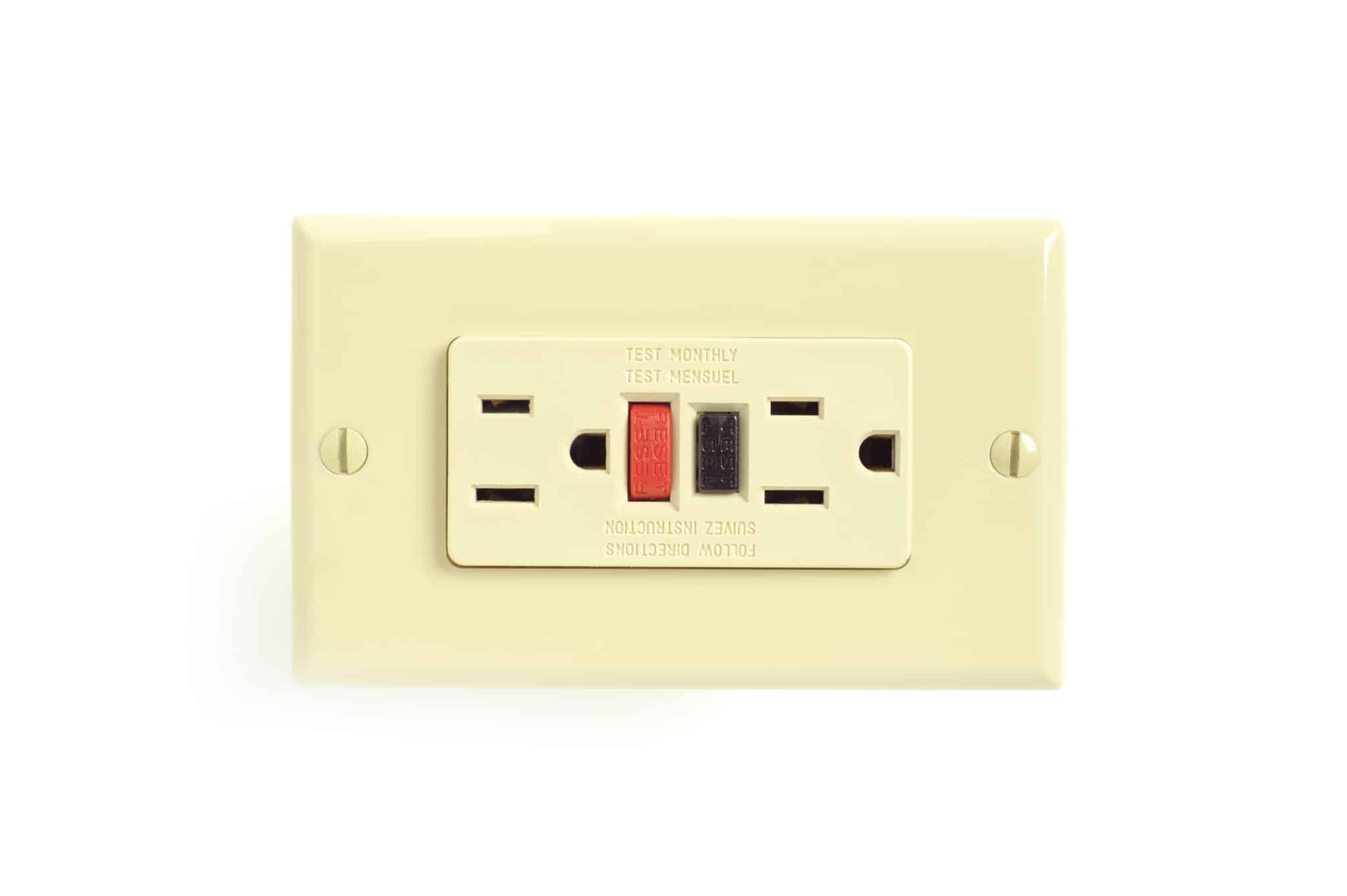
Rules for GFCI Protection in Damp and Wet Locations
Bathroom GFCI placement in damp and wet locations follows strict guidelines to ensure maximum safety. Electricians must protect all outlets in areas exposed to moisture, including those not directly near water sources. This rule covers spaces like vanity counters, toilet areas, and even near bathroom entryways. By meeting these standards, homes in Katy, TX, maintain consistent protection against electrical hazards.
Proper bathroom GFCI placement also includes outlets in less obvious damp locations, such as near windows or ventilation fans. Any area where condensation or splashing could occur requires GFCI protection. Electricians assess the entire bathroom to identify all possible damp or wet zones. This careful evaluation helps prevent overlooked risks and keeps every part of the bathroom safe.
Outlets installed in damp or wet locations must remain accessible for regular testing and maintenance. Electricians avoid placing GFCI outlets behind permanent fixtures or inside cabinets. This ensures homeowners can easily reach outlets for safety checks and resets. Regular access supports ongoing functionality and code compliance in homes across Conroe.
Routine inspections are essential for maintaining proper bathroom GFCI placement. Electricians recommend homeowners test each GFCI outlet monthly to confirm it works correctly. Updating older bathrooms with new GFCI outlets in all damp areas can further enhance safety. These practices help create a secure bathroom environment for every family member.
Multiple Outlets and GFCI Circuit Considerations
When planning bathroom GFCI placement, electricians must consider how multiple outlets are connected and protected. One GFCI outlet can safeguard downstream outlets on the same circuit if wired correctly. This approach ensures that all connected outlets receive the same level of protection from electrical hazards. Electricians in Katy, TX, determine the best configuration based on the bathroom’s layout and usage needs.
It is important to avoid overloading a single GFCI outlet with too many devices or outlets. Each bathroom should have enough GFCI-protected outlets to meet daily demands without compromising safety. Electricians assess the total load on each circuit to ensure reliable performance. Proper bathroom GFCI placement supports both safety and convenience for homeowners.
For larger bathrooms, separate circuits may be necessary to provide adequate protection and power. Electricians plan circuits so that each area, such as the vanity and shower, has its own GFCI protection. This design helps prevent a single tripped outlet from affecting the entire bathroom. In Conroe, professionals tailor bathroom GFCI placement to fit each home’s unique requirements.
Regular testing of all GFCI outlets remains essential, especially when multiple outlets share the same circuit. Homeowners should press the test button monthly to confirm each outlet functions properly. Electricians recommend routine inspections to verify correct wiring and placement. These practices ensure that bathroom GFCI placement continues to offer reliable protection for every family member.
Common Mistakes in Bathroom gfci placement
Many homeowners make mistakes with bathroom GFCI placement that can compromise safety. One common issue is installing outlets too far from sinks or tubs, reducing their protective benefits. Electricians in Katy, TX, always measure carefully to ensure outlets are within code-specified distances. Proper placement helps prevent electrical hazards in high-moisture areas.
Another mistake is placing GFCI outlets behind cabinets or mirrors, making them hard to access for testing and resetting. Accessibility is crucial for maintaining safety and meeting code requirements. Electricians avoid hidden locations to keep outlets easy to reach. Regular testing ensures each outlet continues to function as intended.
Improper wiring is another frequent error in bathroom GFCI placement. If outlets are not wired correctly, downstream protection may fail, leaving some areas unprotected. Electricians in Conroe check all wiring connections during installation and inspection. This thorough approach guarantees consistent safety throughout the bathroom.
Some homeowners overlook the need for GFCI outlets in less obvious damp spots, such as near windows or ventilation fans. Every potential moisture zone requires careful attention during bathroom GFCI placement. Electricians assess the entire bathroom to identify all required locations. This comprehensive strategy keeps every part of the bathroom safe for daily use.
Professional Tips for Safe Bathroom Electrical Installations
Electricians recommend planning bathroom GFCI placement before beginning any renovation or installation. Mapping out outlet locations helps avoid last-minute changes and ensures compliance with code requirements. Professionals in Katy, TX, suggest marking damp zones and measuring distances from sinks and tubs. This careful preparation leads to safer and more efficient electrical layouts.
Choosing the right GFCI outlet style for each location also matters. Some areas may benefit from tamper-resistant or weather-resistant models, especially near windows or ventilation fans. Electricians in Conroe advise selecting outlets that match the bathroom’s unique conditions. This approach strengthens protection and extends the life of your electrical system.
Proper labeling of GFCI outlets and circuits is another valuable tip from professionals. Clear labels help homeowners identify which outlets are protected and simplify troubleshooting if a reset is needed. Electricians ensure that every GFCI-protected circuit is easy to find and test. Organized labeling supports regular maintenance and enhances overall safety.
Routine maintenance is key to reliable bathroom GFCI placement. Electricians recommend testing each outlet monthly using the built-in test button. Promptly address any outlets that fail to reset or trip properly. By following these professional tips, you maintain a safe and code-compliant bathroom for years to come.
Frequently Asked Questions
What are the basic bathroom GFCI placement rules?
Bathroom GFCI placement rules require outlets near sinks, tubs, and showers to have ground fault protection for safety. Electricians install GFCIs within three feet of the sink to reduce shock risks from water exposure. Outlets in damp areas must follow code requirements to ensure proper bathroom GFCI placement at all times. Regular inspections help maintain compliance and keep your Katy, TX home safe and up to code.
How high should a GFCI outlet be installed in a bathroom?
Electricians usually install GFCI outlets between 15 and 48 inches above the floor to meet bathroom GFCI placement codes. This height keeps outlets accessible while protecting them from water splashes around sinks and tubs. Proper bathroom GFCI placement helps prevent electrical hazards and ensures compliance with safety regulations in Katy, TX. Always rely on a licensed electrician to confirm outlets are at the correct height for your bathroom.
Where is bathroom GFCI placement required by code?
Code requires bathroom GFCI placement for all outlets within six feet of sinks, tubs, or showers in Katy, TX homes. Electricians also install GFCIs near any spot exposed to moisture or potential water contact. This ensures every bathroom outlet in damp or wet zones meets safety standards. Following proper bathroom GFCI placement keeps your home protected and compliant with local electrical codes.
Can a bathroom GFCI protect multiple outlets?
A single bathroom GFCI can protect multiple outlets if wired correctly, following proper bathroom GFCI placement guidelines. Electricians often connect other outlets downstream from the main GFCI to extend protection throughout the bathroom. This setup ensures all connected outlets shut off if a ground fault occurs, keeping your Katy, TX bathroom safe. Always trust a licensed electrician to confirm correct bathroom GFCI placement and wiring for full code compliance.
Are there exceptions to bathroom GFCI placement requirements?
Most bathrooms in Katy, TX must follow strict bathroom GFCI placement rules, but a few exceptions exist for specific situations. Outlets far from water sources or in certain older homes may not require GFCI protection under current codes. However, updating to modern bathroom GFCI placement standards is always recommended for safety. Licensed electricians can review your home’s wiring and explain any exceptions that apply to your unique bathroom layout.