




Quick answer
A lighting installation covers everything from swapping a fixture on an existing box to running new circuits for recessed cans, under-cabinet strips or exterior floodlights. Like-for-like fixture swaps rarely need a permit; new circuits do and are inspected. Choose fixtures by lumens, color temperature and location rating, then have a licensed electrician handle anything involving new wiring, a switch loop without a neutral, or outdoor runs.
Most homeowners think about lighting installation only when a fixture fails or a room never quite feels right. The job is bigger than screwing in a new bulb: it is choosing the correct fixture for the space, confirming the box and circuit can carry it, and getting the control (switch, dimmer, sensor or timer) matched to the lamp. Done well, it changes how a kitchen, porch or driveway works after dark.
This guide walks through the decisions in the order an electrician makes them, with the specifics that matter in Fort Bend and Harris County homes: attic heat, humidity, hurricane-season exposure and permit rules. If you are planning indoor lighting upgrades or exterior work, start here.
Key Takeaways
- Plan every room around three layers: ambient light for the space, task light for work surfaces and accent light for features.
- Buy fixtures by lumens and Kelvin, not watts; 2700K to 3000K suits living areas, 3500K to 4000K suits kitchens and garages.
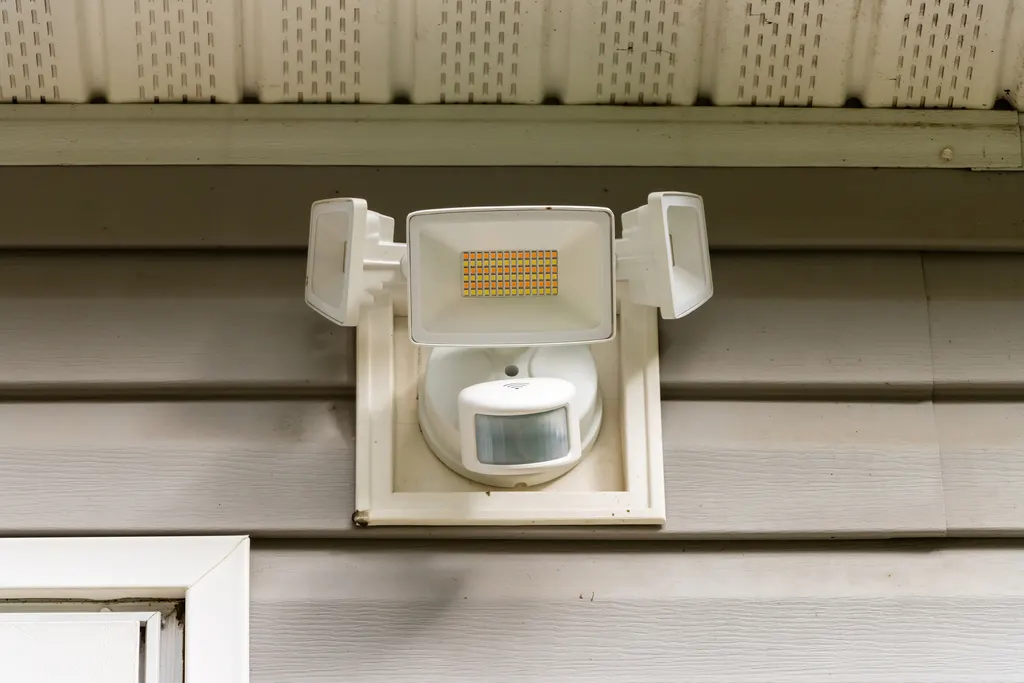
- Outdoor fixtures need a wet-location rating where rain reaches them and a damp rating under a covered porch.
- Replacing a fixture on an existing box usually needs no permit; adding a circuit is permitted and inspected in Fort Bend and Harris County.
- Smart switches and most dimmers need a neutral conductor at the switch box, which many pre-2011 switch loops do not have.
- Call a licensed electrician for new circuits, exterior runs, heavy fixtures and any wiring that shows scorching or aluminum conductors.
What Does a Lighting Installation Actually Involve?
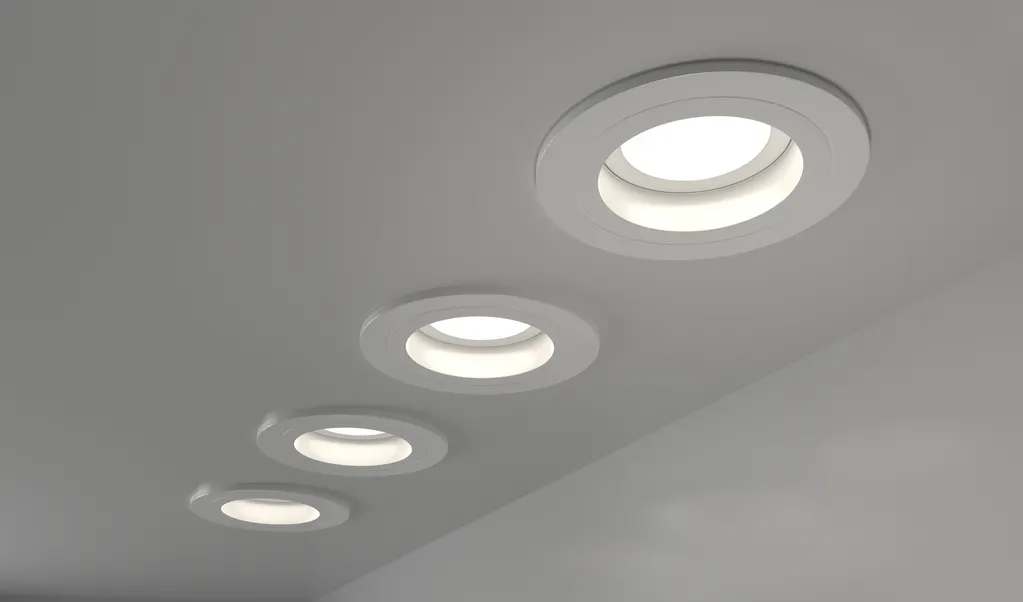
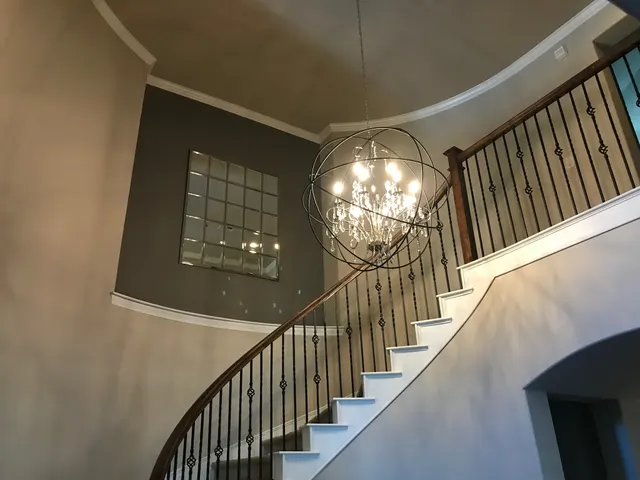
Electricians separate lighting into three layers, and a good installation plan addresses all three. Ambient light is the general fill from ceiling fixtures, recessed cans or a flush mount. Task light lands where you work: under-cabinet strips over counters, vanity bars at the bathroom mirror, a pendant over an island. Accent light draws the eye to a fireplace, art or the live oak in the front yard.
The physical work falls into four tiers of difficulty:
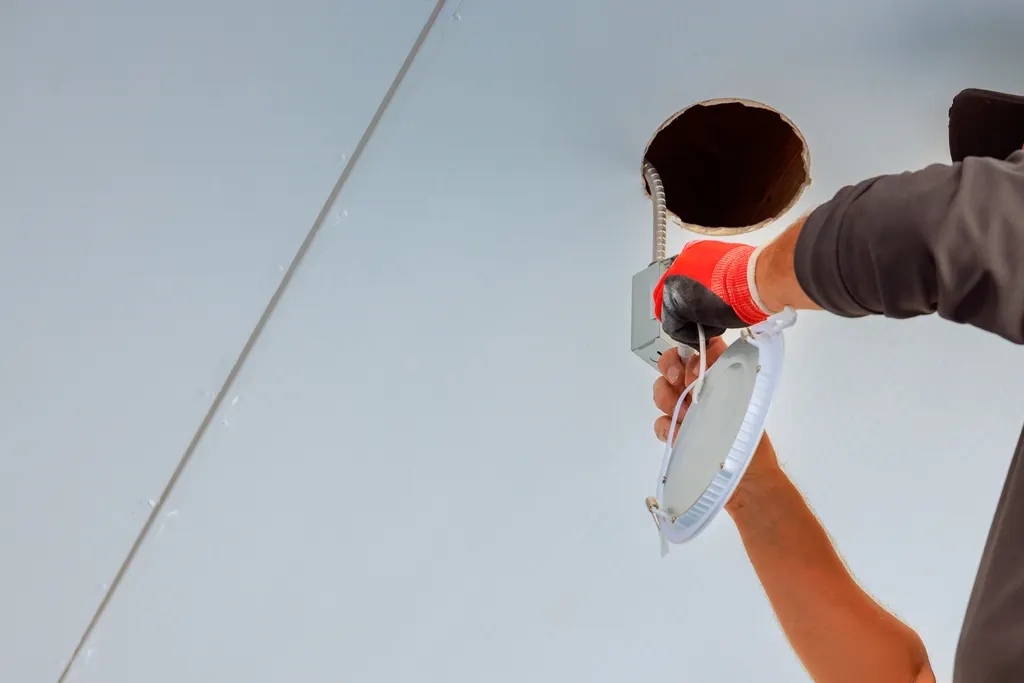
- Fixture swap on an existing box. Same location, same switch, new fixture. Power off at the breaker, confirm with a tester, transfer the conductors, secure the fixture.
- New fixture on an existing circuit. Adds a box, cable and often a switch. Requires fishing cable through walls or the attic and confirming the circuit has capacity.
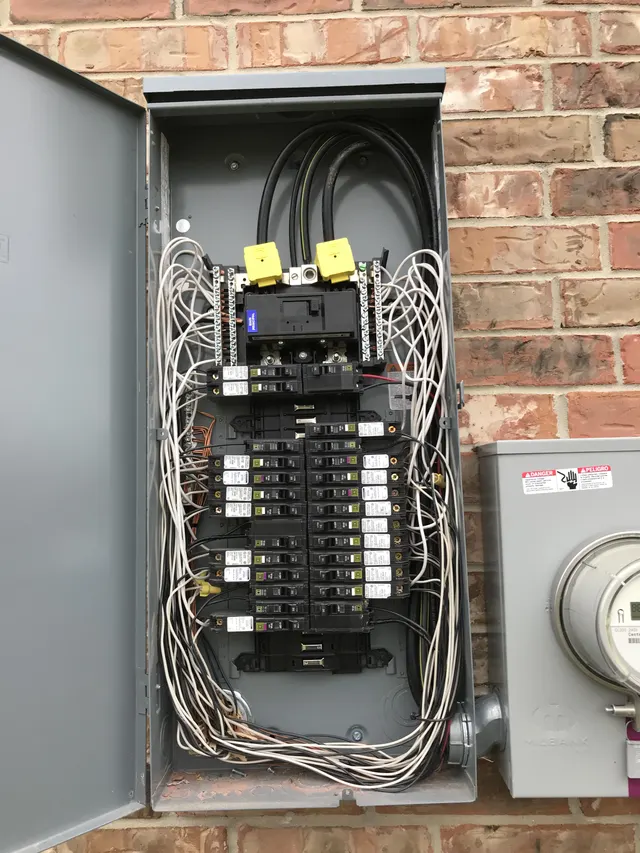
- New circuit from the panel. Needed for larger recessed layouts, exterior lighting runs or a detached structure. This is permitted and inspected work.
- Control upgrades. Dimmers, timers, photocells, occupancy sensors and smart switches. These depend on what conductors are present in the switch box.
Knowing which tier your project falls into tells you whether it is a weekend job or one for a licensed contractor. The tiers also drive the cost, which we cover later.
How Do You Choose the Right Fixtures and Bulbs?
Start with light output, not wattage. Lumens measure brightness; watts measure power draw. An LED producing 800 lumens replaces a 60-watt incandescent while drawing roughly 8 to 10 watts. A kitchen that felt dim with four 60-watt bulbs needs more lumens, not more fixtures that look bigger.
Next, pick a color temperature in Kelvin. The ranges electricians use most:
- 2700K: warm, incandescent-like. Bedrooms, living rooms, dining rooms, porches.
- 3000K: still warm but crisper. Hallways, bathrooms, most whole-house choices.
- 3500K to 4000K: neutral white. Kitchens, laundry rooms, garages, home offices.
- 5000K: daylight. Workshops and security floods; harsh inside a living space.
Keep one temperature per room and ideally per floor, or the mix looks like a mistake. Check the color rendering index (CRI) too: 90 or higher makes food, skin tones and paint look correct, while cheaper 80 CRI lamps are fine in a garage.
Location rating is the detail most often missed. Fixtures are listed for dry, damp or wet locations. A covered back porch is damp; a fixture on an open wall where rain blows in is wet. Bathrooms over a tub or shower need a damp or wet listing depending on placement. For a deeper comparison of bulb types, see our guide to LED lighting upgrades.
What Are the Signs Your Home Needs New Lighting?
Some lighting problems are design problems; others are electrical warnings. Learn to tell them apart.
Design problems worth fixing
- You turn on three lamps to read in the living room because the ceiling fixture lights the floor, not the chairs.
- Shadows fall across the counter when you stand at it, because the only kitchen light is behind you.
- The front entry is lit by a single bulb that leaves the steps dark.
- Rooms use different color temperatures and the house looks patchy from the street.
Electrical warnings that need an electrician
- Fixtures flicker when the air conditioner or dryer starts, which points to a loose neutral or an overloaded circuit.
- A fixture or switch plate feels warm, smells hot or shows brown discoloration.
- Bulbs burn out quickly in one location, often from a loose connection or an enclosed fixture running too hot.
- Lights dim throughout the house at the same time, which can indicate a failing service connection.
Design problems are a reason to schedule a lighting installation. Electrical warnings are a reason to stop using that circuit and call. Our article on warning signs of faulty wiring covers what the symptoms usually mean.
Do You Need a Permit or a New Circuit for a Lighting Installation?
In Fort Bend and Harris County, replacing a fixture on an existing box with a similar fixture generally does not require a permit. Adding a circuit, extending wiring to a new location in some jurisdictions, or installing exterior lighting on a new run is permitted and inspected by the city building department inside city limits and the county outside them. Your electrician pulls the permit; you should see the inspection record when the job closes.
Whether you need a new circuit depends on load and layout. General lighting circuits in most homes are 15 amps. A dozen 9-watt LED cans adds almost nothing, but exterior floods plus a landscape transformer plus holiday receptacles on one circuit will trip. We size by calculated load.
Three wiring details decide how smoothly the job goes:
- Neutral at the switch. The 2023 NEC as adopted in Texas requires a neutral conductor at most switch locations in new work. Older switch loops have only a hot and a switched leg, which rules out most smart switches and many dimmers until a neutral is run.
- Box rating. Fixtures over 50 pounds, and any ceiling fan, need a box listed for the weight, not a standard plastic nail-on box.
- Protection. Outdoor lighting receptacles and many bathroom locations need GFCI protection; bedroom and living-area lighting circuits in new work need AFCI protection.
If your project involves a separate circuit for a long outdoor run or a workshop, see what we do on dedicated circuit installations.
Lighting Installation in Richmond, Pecan Grove, Tomball and Houston Homes
Our office sits in the Grand Mission area of Richmond, TX, and much of our lighting work is within a short drive: Pecan Grove, Aliana, Harvest Green and the older Richmond neighborhoods near downtown. The housing stock shapes the job more than the fixture catalog does.
In 1970s and 1980s Pecan Grove and west Houston homes, we routinely open a ceiling box and find a switch loop with no neutral, an undersized box packed with wire nuts, and sometimes aluminum branch wiring that needs listed connectors before anything new goes in. In newer Tomball subdivisions and the master-planned communities west of the Grand Parkway, the wiring is usually sound but the builder-grade fixtures are not: thin housings, 80 CRI lamps and photocells that have already failed.
Climate is the other factor. Attic temperatures above 130°F in July cook the drivers in recessed lights that were not rated for insulation contact. Outside, Gulf humidity corrodes cheap die-cast fixtures within a few seasons; brass, copper and marine-grade stainless hold up. After Hurricane Beryl in July 2024 we replaced many coach lights and post lights that had simply blown apart, so for exposed locations we recommend glass or polycarbonate lenses and a secure mechanical mount rather than a friction fit.
CenterPoint Energy owns the service drop and meter; everything from the meter base inward is yours. If a voltage problem is making lights flicker across the whole house, we test at the panel to decide whose side the fault is on. Read more on our Richmond electrician and Tomball electrician pages.
What Should Small Businesses Know About Commercial Lighting?
Retail, office and restaurant lighting follows the same lumen and Kelvin rules, but the scale and the controls differ. Three points come up on nearly every commercial lighting call.
LED retrofits pay back fastest
Replacing fluorescent troffers with LED panels, or retrofitting the tubes with ballast-bypass LED lamps, cuts lighting load sharply and removes the ballasts that fail most often. Pair the new fixtures with occupancy sensors in restrooms, storage rooms and break rooms, and with daylight-responsive dimming near storefront glass, so the lights run only when they are useful.
Lighting contactors switch big loads safely
Parking-lot poles, sign lighting and warehouse rows are often controlled by a lighting contactor: a heavy-duty relay whose coil is driven by a low-voltage control circuit from a timer, photocell or building system. A contactor that buzzes loudly, chatters or makes lights flicker usually has a low coil voltage, pitted contacts or a loose termination. Those symptoms deserve a prompt service call because an overheating contactor can fail with the lights stuck on or off, and arcing contacts are a fire risk. Do not open a contactor enclosure yourself; the line side is live even when the control circuit is off.
Permits and inspections apply
Commercial lighting circuits, sign circuits and exterior pole lighting are permitted work. We handle the plan, the permit and the inspection as one job so a business owner is not chasing paperwork.
When Is the Best Time to Schedule Lighting Work?
Any season works, but two windows are practical in the Houston area. Late fall and winter bring the shortest days, so homeowners notice dark entries and dim kitchens, and the attic is cool enough that cable runs take less time and less strain on the crew. If you want the house lit well for the holidays and the early sunsets, book in October or November rather than the week before guests arrive.
Late spring, before hurricane season begins June 1, is the right time for exterior work. That is when we check that coach lights, soffit cans and post lights are mechanically secure, that photocells and timers work, and that exposed fixtures are rated for wet locations. Replacing a failing exterior fixture in May is far easier than doing it after a storm has taken it off the wall. Our post on outdoor lighting for Texas homes goes into fixture choices for the climate.
Mid-summer attic work is still possible; we simply start early in the day and plan attic runs in short stretches. If a project also needs panel work or a new circuit, lead time for permits and inspections is the real schedule driver, not the weather.
DIY vs Licensed Electrician: Which Lighting Jobs Can You Do Yourself?
Be honest about where the line is. A homeowner with basic tools can safely:
- Replace a lamp or an LED retrofit trim in an existing recessed can.
- Swap a plug-in fixture or a lamp cord.
- Replace a like-for-like ceiling fixture on an existing box, with the breaker off and a non-contact tester confirming the wires are dead.
We recommend a licensed electrician for everything else, and specifically for:
- Any job that adds a box, runs new cable or adds a circuit. This is permitted work and the inspection protects you at resale.
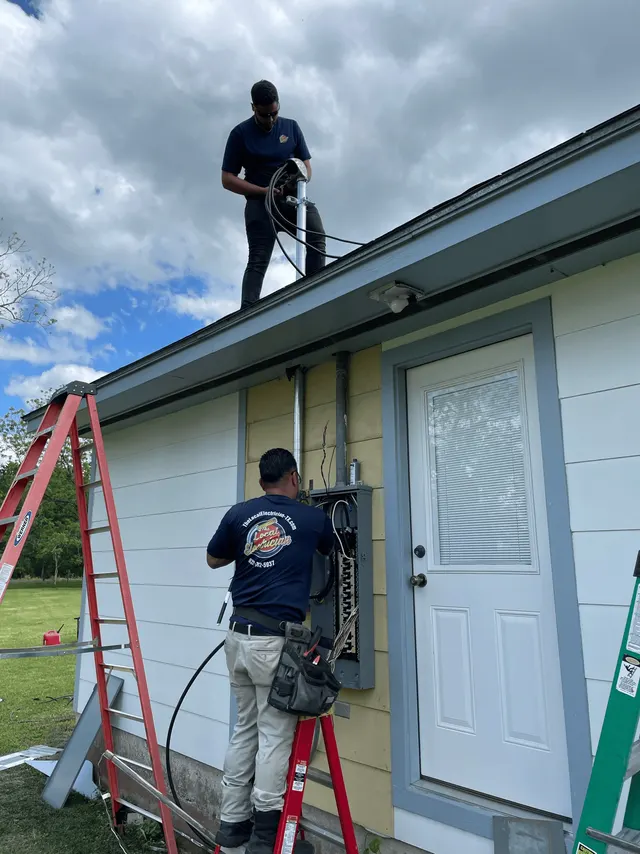
- Exterior runs, which need the right burial depth, wet-rated boxes and in-use covers, and GFCI protection.
- Dimmers and smart switches where the box has no neutral, or where the existing dimmer is a three-way or four-way setup.
- Any box where you find aluminum wire, scorched insulation, backstabbed connections that have loosened, or more cables than the box can legally hold.
- Fixtures heavier than the existing box is rated for, including chandeliers and fans.
We see the same DIY mistakes across Katy, Richmond and Houston: a neutral borrowed from another circuit to power a smart switch, a 60-watt-rated enclosed fixture running a hotter lamp, and exterior fixtures sealed with caulk instead of a proper gasket and box. Each one works for a while. The Local Electrician is licensed under TECL #34406, insured, and every installation we do is tested before we leave and covered by upfront pricing you agree to first.
What Affects the Cost of Installing New Lighting?
We quote lighting work after seeing the house, because the same fixture can be a quick swap in one home and a half-day of attic work in another. The factors that move the number:
- Tier of work. Swap, new fixture on existing circuit, or new circuit with permit and inspection.
- Access. First-floor ceilings under an attic are easy. Second-floor ceilings under a flat roof, or walls finished with stucco or brick, take longer.
- Number of locations. Six recessed cans in one room cost less per can than six fixtures in six rooms.
- Fixture choice. You supply or we supply; builder-grade versus brass exterior fixtures; standard versus IC-rated airtight cans.
- Controls. Each dimmer, timer, sensor or smart switch adds parts and setup time, and may require a neutral run.
- Condition of the existing wiring. Aluminum branch wiring, undersized boxes or a full panel add remediation before the new work can start.
- Permit and inspection for circuit-level work.
Estimates on installations are free, and larger projects such as a whole-house recessed layout or a full exterior lighting plan can be spread out with our financing options. For help deciding between recessed and track fixtures before you price the job, read recessed vs track lighting.
Frequently Asked Questions
Do I need a permit to install new light fixtures in Richmond or Katy?
Replacing a fixture on an existing box with a similar one generally does not require a permit. Adding a new circuit, running wiring to a new location or installing exterior lighting on a new run is permitted and inspected by the city building department inside city limits or the county outside them. Your electrician should pull the permit and schedule the inspection.
How many lumens do I need for a kitchen or living room?
Think in lumens per square foot rather than number of fixtures. Kitchens and work areas need more light than bedrooms, and under-cabinet task lighting matters more than a brighter ceiling fixture. As a rule of thumb, an 800-lumen LED replaces a 60-watt incandescent. Layer ambient, task and accent sources so you can run only what you need.
What color temperature should I use for indoor lighting?
Use 2700K to 3000K in living rooms, bedrooms and dining rooms for a warm look, and 3500K to 4000K in kitchens, laundry rooms, garages and offices where you want a cleaner white. Keep one temperature per room. Choose lamps rated 90 CRI or higher in kitchens and bathrooms so colors and skin tones look natural.
Can I install a smart light switch in an older home?
Only if the switch box has a neutral conductor. Many homes wired before the 2011 code cycle used switch loops with just a hot and a switched leg. A few smart switches are designed to work without a neutral, but most are not. An electrician can run a neutral or relocate the control to a box that has one.
Is it safe to install a ceiling light fixture myself?
A like-for-like swap is reasonable for a careful homeowner: turn off the breaker, verify the wires are dead with a tester, match conductors and secure the fixture. Stop and call a licensed electrician if you find aluminum wiring, scorched insulation, a crowded box, or if the fixture is heavier than the box is rated for.
Why do my lights flicker when the air conditioner starts?
A brief dip when a large motor starts is normal on a lightly loaded home, but noticeable flicker across several rooms points to a loose neutral, a corroded service connection or an overloaded circuit. Those conditions get worse with heat. Have the panel and service connections checked rather than replacing bulbs; the fixtures are rarely the cause.
How long does a lighting installation take?
A fixture swap takes well under an hour. A room of recessed lights on an existing circuit is usually a half to a full day depending on attic access. Exterior lighting on a new circuit, or any job needing a permit, runs a full day plus inspection scheduling. The Local Electrician gives a time estimate with the upfront price.