






Quick answer
EV charger maintenance is a short routine: look over the cable, connector and plug for heat damage or wear each month, clean the connector pins and check the mounting and receptacle every few months, keep the charger's firmware current, and have a licensed electrician inspect the circuit, breaker and terminations yearly or after a storm. Stop charging immediately if the plug is hot, discolored or the unit faults repeatedly.
A Level 2 charger runs at 32 to 48 amps for hours at a stretch, almost every night, in a Houston garage that stays above 90°F for half the year. No other appliance in the house works that hard that often. This guide covers the EV charger maintenance that keeps daily charging safe, which parts actually wear, what the warning signs look like, and the point at which a homeowner should stop and call a licensed electrician.
It applies to any plug-in or hardwired Level 2 unit in a house, whether it was installed with our EV charger installation service or by someone else, and to the portable Level 1 cord that came with the car.
Key Takeaways
- The parts that wear on a home EV charger are the cable, connector, plug, receptacle and breaker terminations; the electronics rarely fail.
- A plug-in charger on a NEMA 14-50 receptacle needs closer watching than a hardwired unit because the receptacle heat-cycles under 40 amps every night.
- A plug or receptacle that is hot to the touch, discolored or smells of warm plastic means stop charging and turn off the breaker.
- Houston heat, humidity and lightning shorten charger life; whole-home surge protection and shade for outdoor units help.
- Homeowners can clean, inspect and update; opening the charger, the receptacle or the panel is licensed-electrician work.
- An annual inspection of the circuit, breaker and terminations is the single most useful maintenance step.
What does EV charger maintenance actually involve?
A home charger is not a complicated machine. Inside the box is a contactor (a heavy relay), a ground-fault sensor, a controller that talks to the car, and the terminations where the circuit lands. Those rarely fail. What wears is everything that moves, flexes or carries heat:
- The cable, which is dragged across concrete, run over, coiled hot and uncoiled cold.
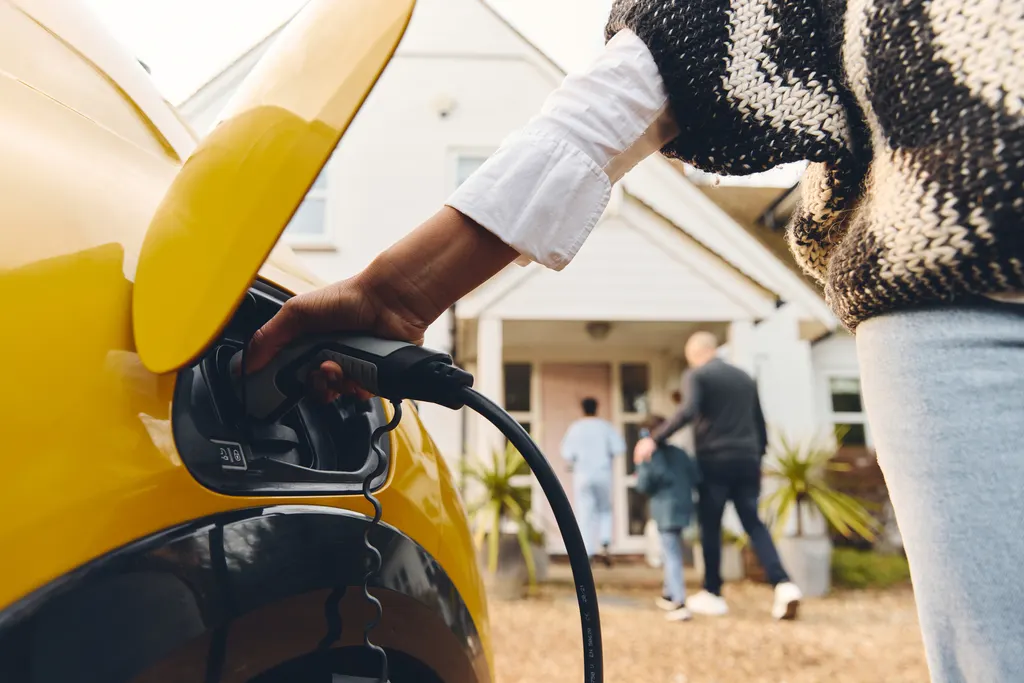
- The connector (J1772 or NACS), whose latch, pins and seal take a plug-and-unplug cycle every day.
- The plug and receptacle on plug-in units, which carry 40 amps through spring contacts that loosen with heat cycling.
- The terminations at the breaker and inside the charger, which can relax over time and start to heat.
- The enclosure and mounting, especially outdoors, where UV, humidity and expansion loosen screws and crack gaskets.
EV charger maintenance therefore means inspecting those five points on a schedule, keeping the connector clean and the firmware current, and having the electrical side checked by someone who can open the panel safely. Skipping it is how a warm plug turns into a melted one.
How often should you inspect a home EV charger?
A practical schedule for a charger that is used nightly:
Every time you plug in
Glance at the connector before it goes into the car. Debris in the pins, a cracked latch or a cable that has been pinched under a tire are things you will notice in two seconds and regret ignoring.
Monthly
Run your hand along the full cable looking for cuts, flat spots or stiff sections. Feel the plug and the face of the receptacle an hour into a charging session; warm is normal, hot is not. Check that the unit's status light is steady rather than flashing a fault.
Every three months
With the breaker off, wipe the connector pins and enclosure, check that mounting screws and the cable hanger are tight, and look at the receptacle face for browning around the slots.
Once a year, and after any major storm or flood
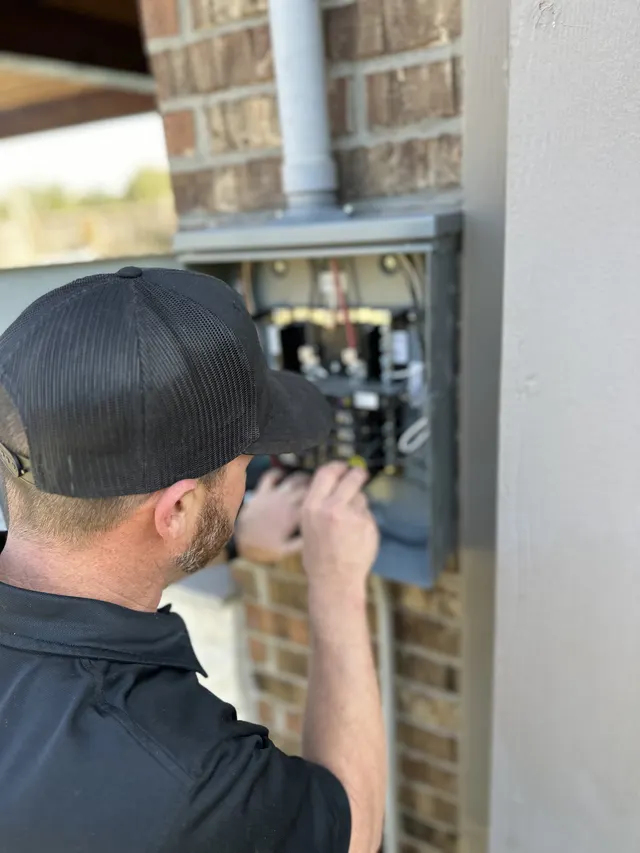
Have a licensed electrician inspect the circuit: breaker condition, torque on the terminations, conductor insulation where it enters the box, GFCI function, and voltage under load at the charger. Our electrical inspection service does this as a standalone visit. After Hurricane Beryl we found chargers that looked fine outside and had water in the enclosure or a surge-damaged ground-fault board.
How do you clean and inspect the charging cable and connector safely?
Turn the charger's breaker off at the panel first. The connector is not live until the car requests power, but the receptacle behind a plug-in unit is, and there is no reason to clean around energized parts.
- Connector pins. Use a dry microfiber cloth or a soft brush. No contact cleaner, no compressed air at close range, nothing wet. If a pin is pitted, blackened or recessed compared with its neighbors, the connector is done; arcing has already happened.
- Latch and release button. It should click positively and hold the connector in the car's port with no wiggle. A loose latch lets the pins make poor contact and heat.
- Cable jacket. Look for cracking at the strain reliefs where it leaves the charger and the connector. Those two points fail first. A cable that stays stiff after a cold night, or feels soft and tacky after a hot day, is aging.
- Storage. Hang the cable on its hook in loose loops. Tight coils and leaving it on the floor to be run over are the two habits that shorten cable life the most.
- Enclosure. Wipe dust from any vents and check that the cover gasket is intact, especially outdoors.
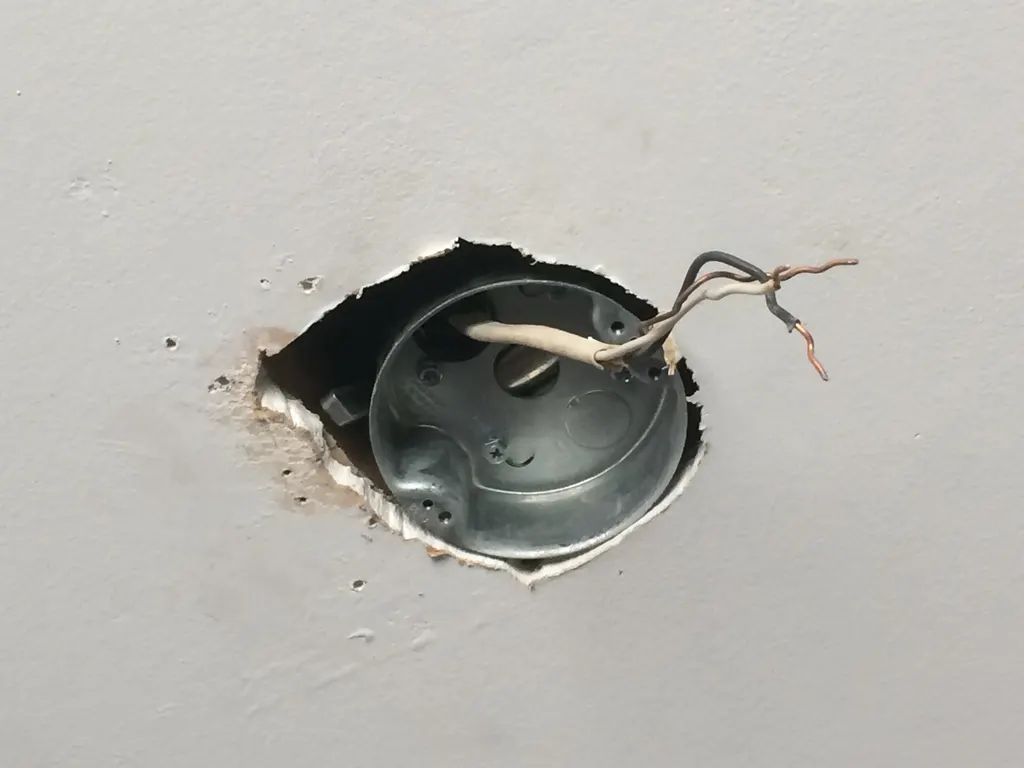
Do not open the charger's cover, pull the receptacle or remove the panel cover. Anything behind those surfaces is a job for The Local Electrician, not a cleaning task.
What are the warning signs of a failing EV charger or circuit?
These symptoms mean something is wrong, in rough order of urgency.
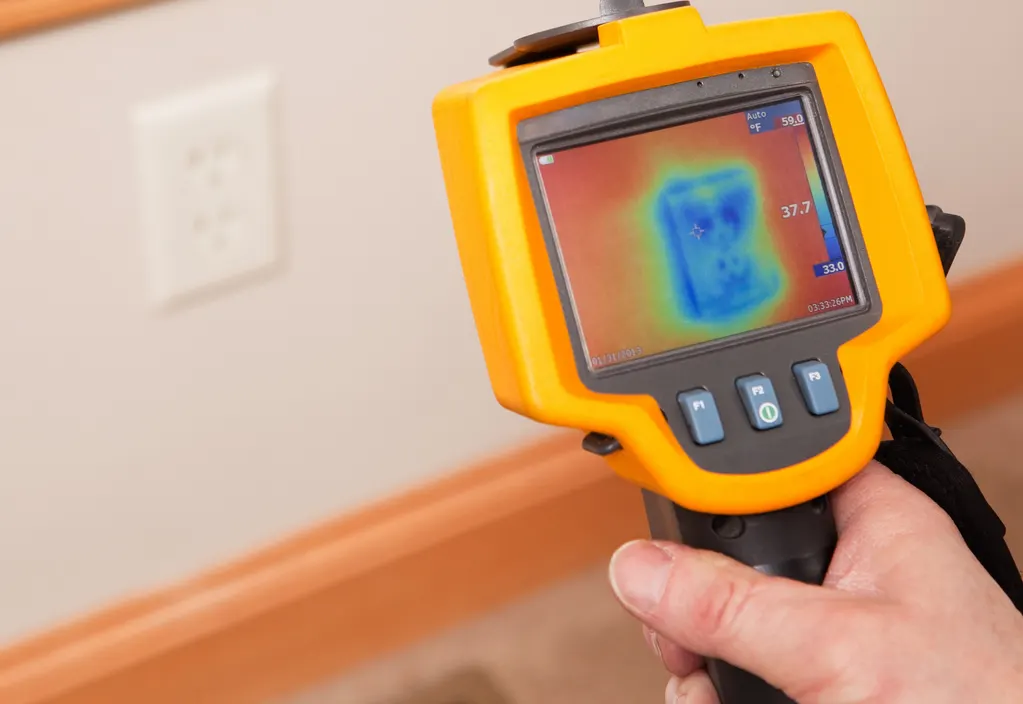
- A hot plug, receptacle or breaker. Turn off the breaker and stop using the circuit. Heat at a connection means resistance, and resistance at 40 amps becomes a fire.
- Discoloration or a warm-plastic smell at the receptacle face, the plug blades or the breaker. Same response: off, and call.
- The breaker trips repeatedly. One trip during a lightning storm can be a surge. Trips on ordinary nights point to a GFCI conflict, a loose termination, a failing breaker or a charger current setting above what the circuit allows. Our guide to why a breaker keeps tripping walks through the causes.
- Charging is slower than it used to be. If a 40-amp session now shows 24 amps on the car's display, the charger has probably derated itself because of heat at the plug (many portable units have a thermal sensor in the plug head) or the voltage at the charger is sagging.
- Fault lights, error codes or the app showing repeated ground faults. Occasional single faults happen; a pattern does not.
- Buzzing or clicking from the charger or the panel while charging. A contactor click at the start of a session is normal; a buzz during the session is not.
- The connector will not latch or the car refuses the handshake. Usually a worn connector, sometimes a damaged control pin.
None of these fix themselves. The time to act is when a plug is warm, not melted.
Why does a plug-in charger on a 14-50 outlet need more attention than a hardwired one?
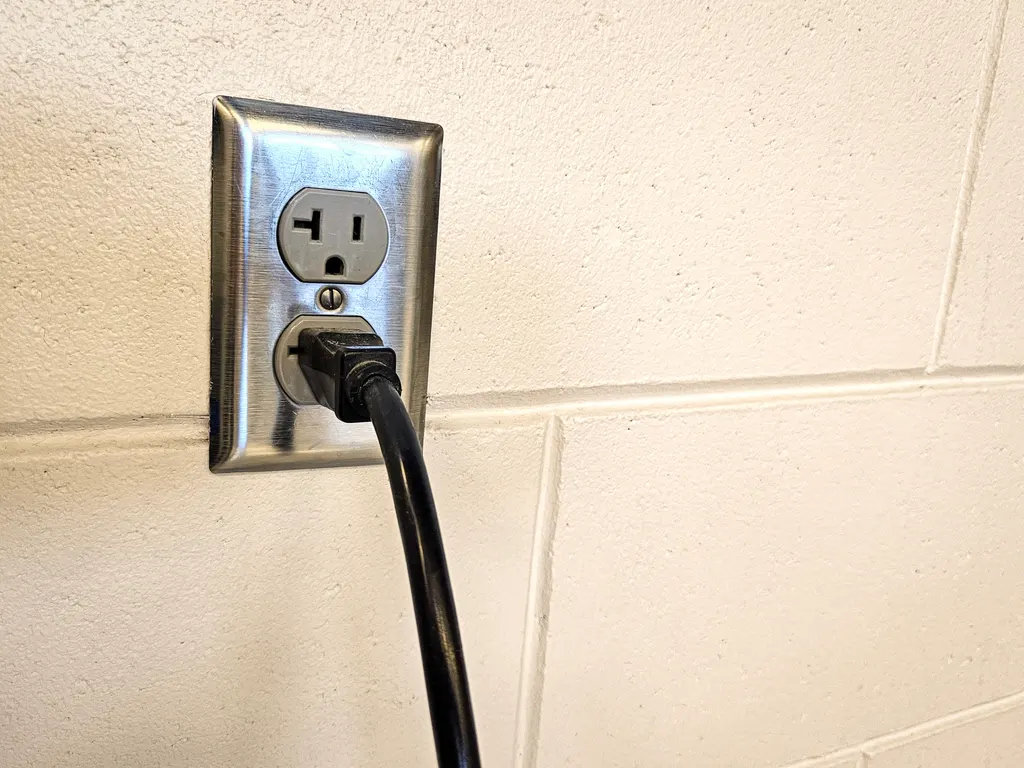
A NEMA 14-50 receptacle was designed for an electric range that is plugged in once and left alone. A plug-in EV charger asks it to carry 40 amps, continuously, every night. The spring contacts inside a standard-grade receptacle relax with that heat cycling, contact resistance rises, and the face starts to brown. The Local Electrician replaces far more of these receptacles than hardwired chargers.
If you have a plug-in unit, three things matter for maintenance:
- The receptacle should be an industrial-grade 14-50, not a hardware-store range outlet. If yours was installed with a budget receptacle, upgrading it is a small job.
- Leave the plug in. Each insertion wears the contacts. If you need the charger to travel, consider a second unit instead.
- Check the plug blades and receptacle face monthly for heat marks, and check that the plug sits fully seated; a plug that has backed out an eighth of an inch runs hotter.
A hardwired charger has none of those wear points. Its conductors land on screw terminals inside the unit, there is no GFCI breaker to conflict with the charger's own ground-fault protection, and the only maintenance item on the electrical side is an occasional torque check. Our post on 240-volt outlet options explains the receptacle grades, and the home EV charger installation guide covers when hardwiring is the better choice from the start.
EV charger maintenance in Katy, Pearland and Richmond homes
Our climate is the main reason this maintenance matters more here than in a mild part of the country.
Heat. An attached garage in Katy or Pearland sits well above 100°F on a July afternoon, and the attic the circuit runs through is hotter still. Chargers derate when the enclosure gets hot, cables age faster, and receptacle contacts relax sooner. Mounting the unit on the coolest wall, away from the water heater and the west-facing garage door, is a small decision with a long payoff. For driveway units, shade from a soffit extends the life of the enclosure and cable.
Humidity and water. Outdoor connectors need their dust caps on, and the enclosure gasket should be checked yearly. Garages that took water during Hurricane Beryl or the May 2024 derecho should have the charger and receptacle inspected before the next session, even if everything appears to work.
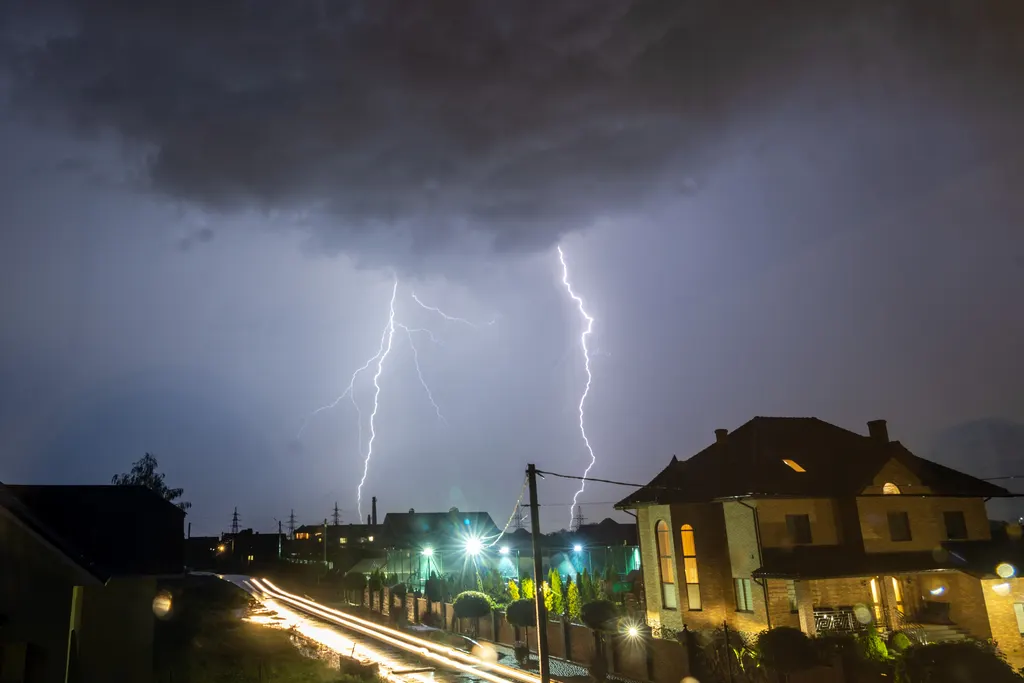
Lightning. Fort Bend and Harris County get frequent summer lightning, and a charger's ground-fault board is sensitive electronics sitting on a 240-volt circuit. A whole-home surge protector at the panel is the most cost-effective protection; our surge protection guide explains how it works.
We see the same pattern in older sections of Katy, Pearland and Richmond: a charger on a 1990s panel that was already near capacity runs warm because the breaker is marginal, not because the charger is faulty. There, the annual inspection should include the panel, not just the circuit.
Which firmware updates and app settings matter for a home EV charger?
Most Wi-Fi chargers update themselves overnight. It is still worth opening the app every few months to confirm the firmware is current, because updates fix ground-fault false trips and improve the handshake with newer vehicles. If an update fails repeatedly, note the error and have the charger looked at.
Three settings are maintenance items in their own right:
- Current limit. It must match the circuit: 32 amps on a 40-amp breaker, 40 on a 50, 48 on a 60. Never raise it to speed up charging. If a warm plug persists, lowering it is a reasonable test, but it treats the symptom; the connection still needs attention.
- Scheduling. Charging between late evening and early morning takes advantage of overnight retail electric plans in the ERCOT market and keeps the heaviest load off the panel while the air conditioner is working hardest.
- Wi-Fi. A charger that keeps dropping off the network is usually a signal problem in a garage full of metal, not a charger fault. A mesh node near the garage fixes most of it.
Keep the installation paperwork and permit number with the manuals; the next electrician will want the breaker and conductor size without opening walls.
Which EV charger maintenance can you do yourself, and when should you call an electrician?
Homeowner tasks: visual checks, cleaning the connector with the breaker off, hanging the cable properly, firmware updates, app settings, and feeling the plug and receptacle for heat during a session. Turning the charger's breaker off and on to reset it after a single fault is also fine.
Licensed-electrician tasks: anything that involves removing a cover. Replacing a receptacle, re-torquing terminations, replacing a breaker, testing voltage drop under load, diagnosing repeated ground faults, and replacing a charger or its cable assembly all fall here. In Texas the work is done under a contractor license, and replacing a receptacle or breaker on a charger circuit is not a permit-free swap when the circuit is being altered.
Call the same day if you see heat damage, smell warm plastic, hear buzzing, or the breaker trips more than once in a week. We treat a hot EV charger connection like any overheating 240-volt device: as an emergency call, not a scheduled one. The Local Electrician offers 24/7 emergency service, upfront pricing and free estimates if the fix turns out to be a replacement charger. Call 832-271-1167, and in the meantime leave that breaker off.
Frequently Asked Questions
What is EV charger maintenance and why is it important?
It is a routine of inspecting the cable, connector, plug, receptacle and mounting, cleaning the connector pins, keeping firmware current and having the circuit checked yearly by a licensed electrician. It matters because a home charger carries 32 to 48 amps for hours every night, and the connections that carry that current are the parts that loosen, heat and eventually fail.
How often should EV charger maintenance be performed?
Glance at the connector each time you plug in, inspect the cable and feel the plug for heat monthly, clean and check mounting hardware every three months with the breaker off, and schedule a licensed electrician to inspect the breaker, terminations and voltage under load once a year. Add an inspection after any storm, flood or lightning strike close to the house.
What are common signs of EV charger wear or damage?
A plug, receptacle or breaker that is hot rather than warm, browning around the receptacle slots, a warm-plastic smell, a cable cracking at the strain reliefs, a connector latch that no longer clicks, pitted or blackened pins, slower charging than the car used to report, repeated fault lights or ground-fault errors, and a breaker that trips on ordinary nights.
Why is my EV charger plug hot?
Heat at the plug means resistance at the connection: worn receptacle contacts, a plug that is not fully seated, a loose termination behind the receptacle, or a standard-grade range outlet being asked to carry 40 amps nightly. Stop charging, turn off the breaker and have the receptacle and wiring inspected. Many portable chargers reduce their output when the plug gets hot, which is the first clue.
How can I ensure safer daily charging at home?
Set the charger's current limit to match the circuit, schedule charging overnight when the air conditioner is running less, hang the cable in loose loops, keep the connector capped outdoors, leave a plug-in unit plugged in rather than cycling it, add whole-home surge protection at the panel, and book an annual circuit inspection. Stop at once if anything is hot or discolored.
Who should perform EV charger maintenance and inspections?
Homeowners handle the visual checks, cleaning with the breaker off, firmware and app settings. A licensed electrician handles anything behind a cover: receptacle replacement, breaker and termination checks, voltage-drop testing, ground-fault diagnosis and charger replacement. The Local Electrician performs those inspections across Katy, Pearland and Richmond and treats an overheating charger connection as an emergency call.