





Quick answer
Emergency electrical repairs are needed when a fault threatens fire, shock or an unsafe loss of power: burning smells, smoke or sparks from an outlet or the panel, a warm or buzzing panel, water in electrical equipment, lights brightening and dimming, a shock from a fixture or faucet, or storm damage to the service. Turn off the main breaker if it is safe to reach, then call a licensed electrician.
Not every electrical problem is an emergency, and knowing the difference saves you an after-hours call when a morning appointment would do, and saves your house when it would not. This guide sets out which problems need emergency electrical repairs tonight, what to do in the minutes before the electrician arrives, and what actually happens on an emergency visit. It is written for homeowners in Missouri City, TX, Richmond, Katy, Sugar Land and the rest of the Houston area, where summer heat, lightning and hurricane season create a predictable set of after-hours calls.
Our 24/7 emergency electricians dispatch from Richmond and answer the phone at 832-271-1167 around the clock.
Key Takeaways
- An electrical emergency is any fault that threatens fire or shock: burning smells, sparks, a hot or buzzing panel, water in equipment, or brightening lights.
- A single dead outlet, one tripped breaker that resets and holds, or a flickering lamp can usually wait for a daytime appointment.
- While waiting, switch off the main breaker if safe, keep everyone away from the fault, and never use water on an electrical fire.
- An emergency visit has three stages: make the home safe, find the cause, then repair it or secure it until permitted work follows.
- Houston-area emergencies peak in summer heat and after storms, when air conditioner circuits, flooded panels and damaged service masts fail.
- Choose an emergency electrician by Texas license, insurance, a live-answered phone and upfront pricing, not by who answers first.
What Qualifies as an Electrical Emergency?
The test is simple: is there a risk of fire or shock, or has the home lost power in a way the utility is not responsible for? If yes, it is an emergency. These are the emergency electrical repairs we take at any hour:
- Burning smell, smoke or scorch marks at an outlet, switch, light fixture or the panel, even if nothing is visibly burning now.
- Sparks or arcing from an outlet or inside the panel, or a breaker that trips with a bang or flash.
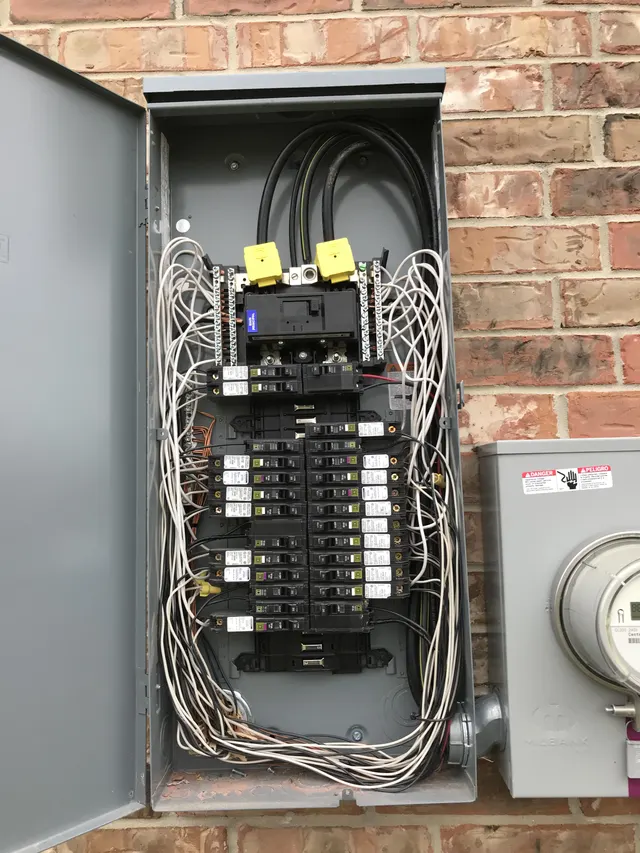
- A warm, buzzing or crackling panel, or a main breaker that is hot to the touch.
- Water in electrical equipment: a flooded panel, a leaking roof dripping onto a junction box, a submerged outlet after a storm.
- Lights brightening and dimming across the house, which signals an open neutral and can destroy appliances within minutes.
- A shock or tingle from a faucet, appliance, light switch or pool water.
- Exposed or damaged wiring from storm damage, a fallen branch or a renovation accident.
- Whole-house power loss when neighbors have power, or a main breaker that will not reset.
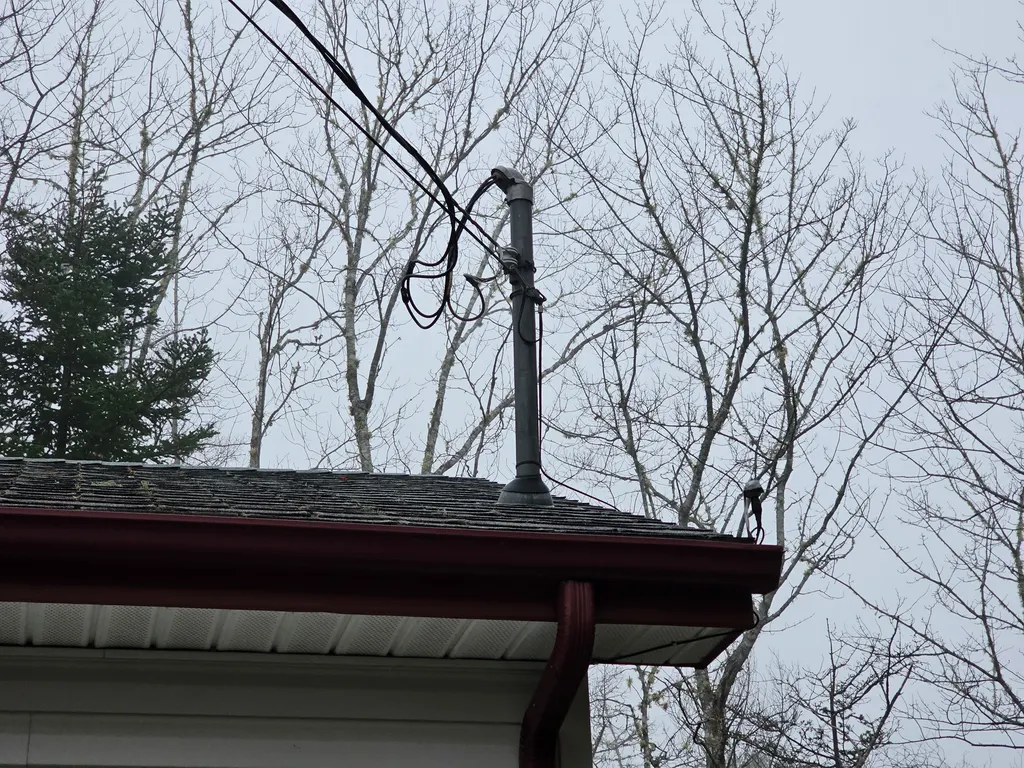
- Service damage: a mast pulled from the wall, a weatherhead torn loose, a scorched meter base.
By contrast, one dead outlet, a breaker that resets and holds, a ceiling fan that stopped, or a flickering lamp on a dimmer can almost always wait for a scheduled appointment with our general electrical repair team.
What Should You Do While Waiting for an Emergency Electrician?
The minutes before an electrician arrives matter more than anything we do afterward. In order:
- If there is fire or heavy smoke, get out and call 911. Do not try to find the breaker first. A Class C or ABC extinguisher is for a small, contained fire at an outlet or appliance; never use water on an electrical fire.
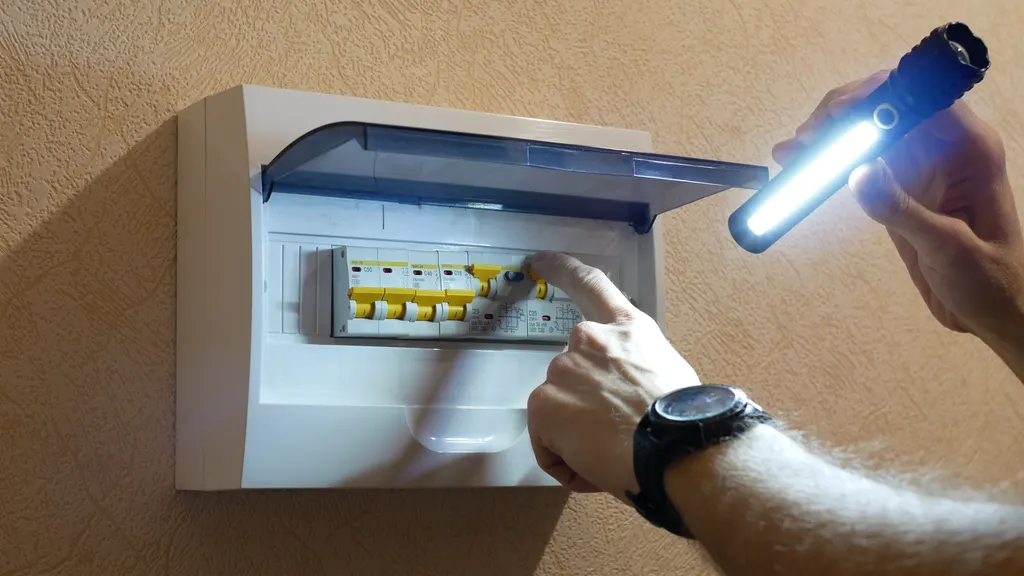
- Turn off the main breaker if the panel is dry, you can reach it without standing in water, and nothing at the panel is smoking or sparking. If the panel itself is the problem, leave it alone and keep your distance.
- Otherwise, turn off the breaker for the affected circuit and unplug anything on it.
- Keep people and pets away from the fault, from any water near electrical equipment, and from downed lines outside.
- Do not touch a sparking outlet, a buzzing panel or a hot fixture, and do not reset a breaker that tripped with a bang.
- Unplug sensitive electronics if lights are brightening and dimming, and switch the air conditioner off at the thermostat.
- Take photos once it is safe. They help us diagnose on the phone and support an insurance claim later.
Tell us what you smelled, heard or saw, which breakers are off and where the panel is. Report a downed drop or a dead street to CenterPoint Energy as well.
Know Your Electrical System Before an Emergency Happens
Most of the delay in an emergency is a homeowner who cannot find the main breaker in the dark. Spend half an hour on this before you need it.
- Find the main breaker and make sure the panel is reachable, with no shelving or storage in front of it. Keep a flashlight nearby.
- Label every breaker. Walk the house with a helper and mark what each one controls; our guide to labeling a breaker panel shows a method that takes an hour.
- Locate every GFCI, including garage, outdoor and under-sink ones, and press TEST and RESET on each monthly.
- Know your capacity. A 100-amp service in a 1980s home with two air conditioners, a pool pump and a kitchen remodel is running at its limit on an August afternoon, and that is when breakers and connections fail.
- Keep a Class C extinguisher in the kitchen and garage, and working smoke alarms on every level.
- Note the age of the panel. Federal Pacific, Zinsco and early Challenger panels can fail to trip on a fault, so a burning smell in one of those homes is treated as a higher-priority call.
What Happens During an Emergency Electrical Visit?
An emergency visit follows a fixed sequence, whether it is a smoking outlet at 2 a.m. or a flooded panel after a storm.
1. Make it safe
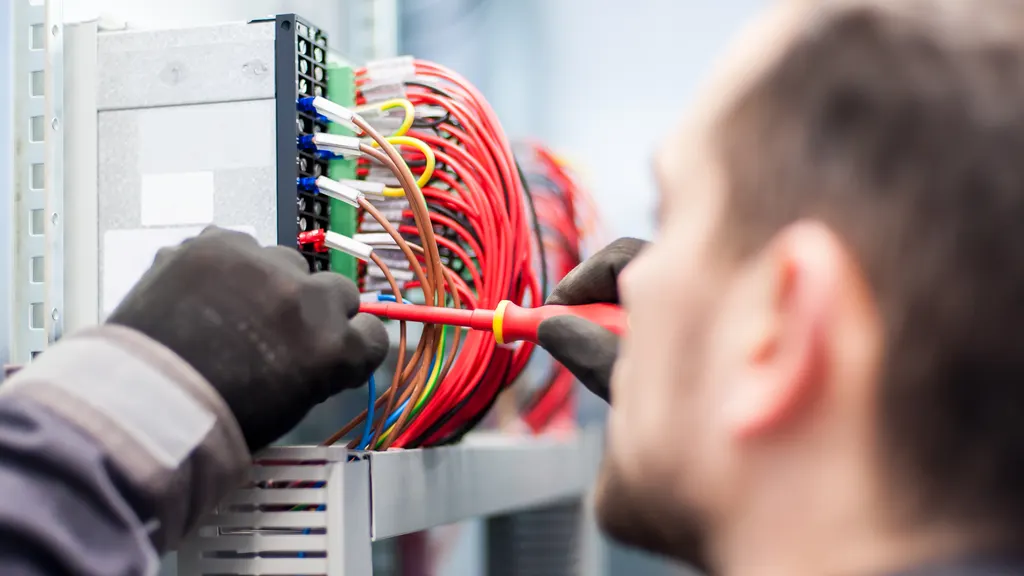
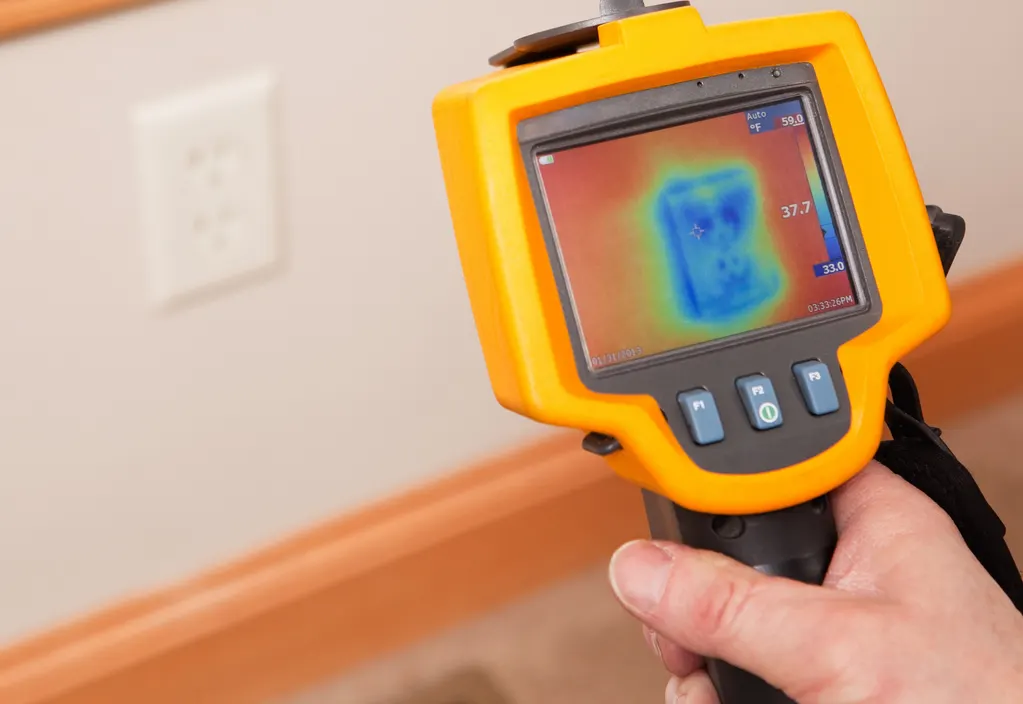
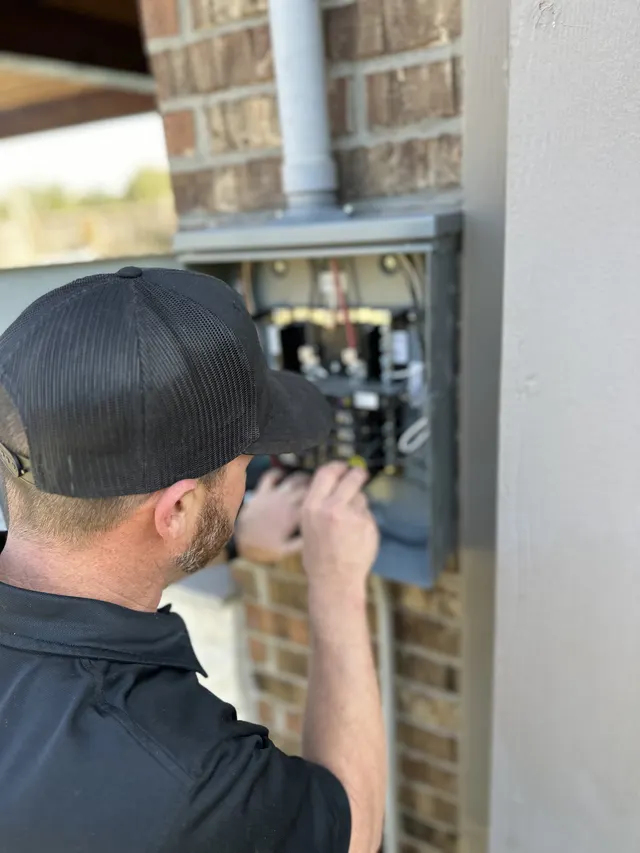
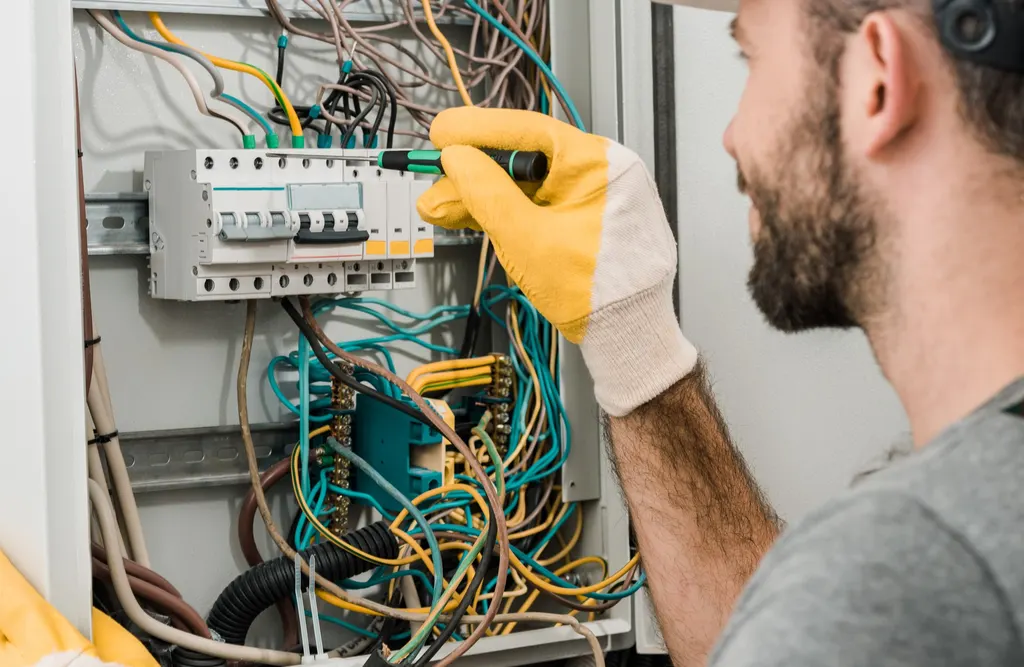
The electrician confirms power is off where it needs to be, checks for heat with a thermal camera, and isolates the faulted circuit or the whole service. If the main breaker or panel is the problem, that may mean coordinating a disconnect with CenterPoint Energy.
2. Find the cause
Voltage and resistance readings, a look inside the affected boxes and the panel, and a walk of the circuit find the burned connection, the failed breaker, the open neutral or the water path.
3. Repair or secure
Most emergency faults are repaired on the spot: a burned outlet replaced and re-terminated, a failed breaker swapped, a neutral lug cleaned and torqued, a damaged section of cable replaced. Some cannot be finished that night. A panel full of floodwater or a mast torn off the house needs new equipment, a permit and an inspection before the utility reconnects, so the electrician secures the home, provides temporary power to essentials where possible, and schedules the permitted work. Either way the price is quoted before the repair begins, and you receive a written description of the work for your records or an insurance claim.
What Are the Most Common Emergency Electrical Repairs in the Houston Area?
After-hours calls here follow the calendar. These are the repairs we make most often:
- Burned outlets and switches. A loose backstab connection arcs for months, then finally chars the device. Usually found by smell.
- Failed air conditioner circuits in summer. A 240-volt breaker that has been running at its limit through July gives out, or the disconnect at the condenser melts. With indoor temperatures climbing past 90°F, this is a genuine emergency for elderly residents and infants.
- Open neutrals. Lights brightening and dimming after a storm or a utility switching event. We isolate the service, find the failed connection and coordinate with CenterPoint if it is on their side. Our post on partial power outages explains the symptoms.
- Flooded or water-damaged panels after heavy rain, a roof leak or a burst pipe in a freeze.
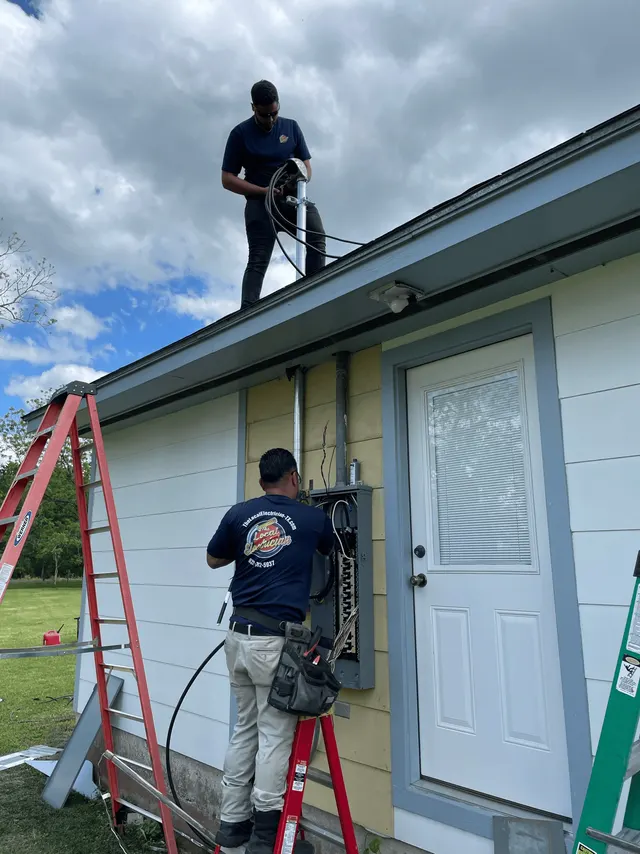
- Storm damage to the service. Masts and weatherheads torn down by wind and falling limbs, as happened across the area in the May 2024 derecho and Hurricane Beryl.
- Main breaker failures that leave the whole house dark while the street has power.
- Generator mistakes. A portable generator backfed through a dryer outlet, which can energize the utility lines and burn out the generator when power returns.
- Shock reports from pool water, a faucet or an appliance, which usually trace to a bonding or neutral problem.
Emergency Electrical Repairs in Missouri City, Richmond and Katy
We dispatch emergency electrical repairs from our office in Richmond, TX, which puts Missouri City, Sugar Land, Katy, Rosenberg, Fulshear and Pecan Grove within a short drive at any hour, and the Memorial, Energy Corridor, Bellaire and West University neighborhoods of Houston well within reach. Missouri City, TX gives a good picture of what we see: 1970s and 1980s homes in Quail Valley and along FM 1092 with original panels and backstabbed devices, next to 2000s construction in Sienna and Riverstone with 200-amp services and AFCI protection that is doing its job.
The after-hours pattern across all of these areas is driven by weather. From June through September the calls are failed air conditioner circuits and overloaded 100-amp services. During hurricane season they are storm damage, flooded garages and open neutrals when power is restored. The February 2021 freeze brought a week of space heaters on bedroom circuits and burst pipes dripping into panels. In every case, repairs to the meter base, service mast or panel are permitted and inspected by the city inside Missouri City, Richmond or Katy and by Fort Bend or Harris County outside city limits, and CenterPoint Energy reconnects only after that inspection passes. The Local Electrician handles the permit and the utility coordination for Missouri City and Katy homeowners.
Can I Do Emergency Electrical Repairs Myself?
You can make the home safe. Emergency electrical repairs themselves are not a homeowner job. Switching off breakers, unplugging equipment, resetting a GFCI once and using an extinguisher on a small contained fire are all appropriate. Opening the panel, replacing a burned outlet, splicing cable or wiring a generator are not, for three reasons: the fault that caused the emergency is usually hidden upstream of what you can see, the work is often permit-required, and an insurer who finds unpermitted repair behind a later loss can deny the claim.
In our experience the after-hours DIY mistakes that make things worse are resetting a breaker repeatedly until the wire insulation fails, swapping in a bigger breaker, taping a burned outlet back into service, and plugging a generator into a wall outlet. Each one turns a contained problem into a fire or a shock hazard.
What an emergency repair costs depends on the time of the call, the scope of the fault, the parts needed, and whether a permit, inspection and utility disconnect are involved. The Local Electrician quotes the price upfront before work begins, and larger repairs such as a panel or service replacement qualify for financing. For insurance, keep the written diagnosis, the photos and the permit record together.
How Do You Find a Reliable Emergency Electrician?
At 11 p.m. with a smell of hot plastic in the hallway, you are not in a position to research. Decide now, and keep the number somewhere visible. The things that matter:
- A Texas electrical contractor license. Ask for the TECL number and check it with TDLR. Ours is TECL #34406.
- Insurance that covers work in your home.
- A phone answered by a person at night, not a voicemail that is checked in the morning.
- Local dispatch. An electrician who is forty minutes away in normal traffic is longer than that in a storm.
- Upfront pricing quoted before the repair, with the after-hours rate explained on the phone.
- Permit handling. Service and panel work must be permitted and inspected, and the contractor should pull the permit, not ask you to.
- Storm experience. After Beryl the difference between electricians who knew the reconnect sequence and those who did not was measured in days without power. Our post on electricians in disaster recovery explains that sequence.
The Local Electrician is family-owned, licensed and insured, and answers 832-271-1167 24 hours a day with same-day service when available. If the problem turns out not to be an emergency, we will say so and book a daytime visit instead.
Frequently Asked Questions
What are emergency electrical repairs?
Emergency electrical repairs are after-hours or same-day repairs for faults that threaten fire, shock or an unsafe loss of power: burned or sparking outlets, a hot or buzzing panel, water in electrical equipment, open neutrals, shocks from fixtures or plumbing, and storm damage to the service. The visit makes the home safe first, finds the cause, then repairs it or secures it until permitted work can follow.
How do I know if I need an emergency electrical repair?
Ask whether there is a risk of fire or shock or whether the home has lost power while the street has it. A burning smell, sparks, a warm panel, brightening lights, a shock from a faucet or exposed wiring after a storm all say yes. One dead outlet or a breaker that resets and holds can wait for a daytime appointment. When unsure, call and describe it.
What should I do while waiting for an electrician during an emergency?
Leave and call 911 if there is fire or heavy smoke. Otherwise turn off the main breaker if the panel is dry and reachable, or the breaker for the affected circuit, and unplug devices on it. Keep everyone away from the fault and from any water near equipment, do not touch sparking or hot components, and take photos once it is safe.
Can I perform emergency electrical repairs myself?
You can make the situation safe by switching off breakers and unplugging equipment, but the repair itself should be done by a licensed electrician. The cause is usually hidden upstream of the visible damage, much of the work is permit-required, and unpermitted repairs can void insurance coverage. Never reset a breaker repeatedly, install a larger breaker or plug a generator into a wall outlet.
How quickly can you respond to an emergency in Missouri City?
The Local Electrician dispatches from Richmond, and Missouri City, Sugar Land and Katy are a short drive at any hour under normal conditions. We answer 832-271-1167 live around the clock. After a major storm, response times across the whole area stretch as every electrician works through a backlog, so call as early as you can and describe the damage so we can prioritize safety hazards.
How do I find a reliable electrician for emergency electrical repairs?
Look for a Texas electrical contractor license you can verify with TDLR, proof of insurance, a phone answered by a person at night, local dispatch, upfront pricing with the after-hours rate explained, and a contractor who pulls permits for service and panel work. Decide before you need one and keep the number where the whole household can find it.
Are your electricians licensed for emergency work?
Yes. The Local Electrician holds Texas Electrical Contractor License TECL #34406, is insured, and performs emergency repairs under the same license and the same 2023 NEC as adopted in Texas that govern scheduled work. Emergency repairs to panels, meter bases and service masts are permitted and inspected afterward just like any other, and we handle that paperwork and the CenterPoint reconnection.