





Quick answer
The most common home electrical repairs are dead outlets, tripping breakers, flickering lights, failed switches and fixtures, GFCIs that will not reset and overloaded circuits. Resetting breakers, testing GFCIs and swapping bulbs are homeowner tasks. Anything involving the panel, aluminum wiring, burned devices, new circuits or repeated faults needs a licensed electrician, and panel, circuit and service work must be permitted and inspected.
Every house produces a steady trickle of small electrical problems, and most homeowners handle them the same way: reset the breaker, jiggle the switch, hope. This guide to home electrical repairs is meant to replace the hoping. It explains how a home's electrical system is put together, lists the repairs that come up most often, draws a clear line between what a careful homeowner can do and what needs a licensed electrician, and explains what drives the cost. It is written for homeowners in Richmond, TX, Rosenberg, Stafford and the greater Houston area.
If a problem on this list is already happening in your house, our residential electrical repair team handles all of them with upfront pricing.
Key Takeaways
- The most frequent home electrical repairs are dead outlets, tripping breakers, flicker, failed switches and fixtures, and GFCIs that will not reset.
- A 15-amp circuit carries about 1,440 watts continuously and a 20-amp circuit about 1,920; most repeat trips are simple overloads.
- Resetting breakers, testing GFCIs, replacing bulbs and plug-in devices are homeowner jobs; panel work, new circuits and burned devices are not.
- Always switch off the breaker and verify the circuit is dead with a tester before touching any wiring, even for a light switch.
- Adding circuits, replacing a panel or service, and installing generators or EV chargers must be permitted and inspected in Fort Bend and Harris County.
- Repair cost depends on diagnosis time, the number of devices, hidden damage, aluminum wiring and whether a permit is required.
How Does a Home Electrical System Work?
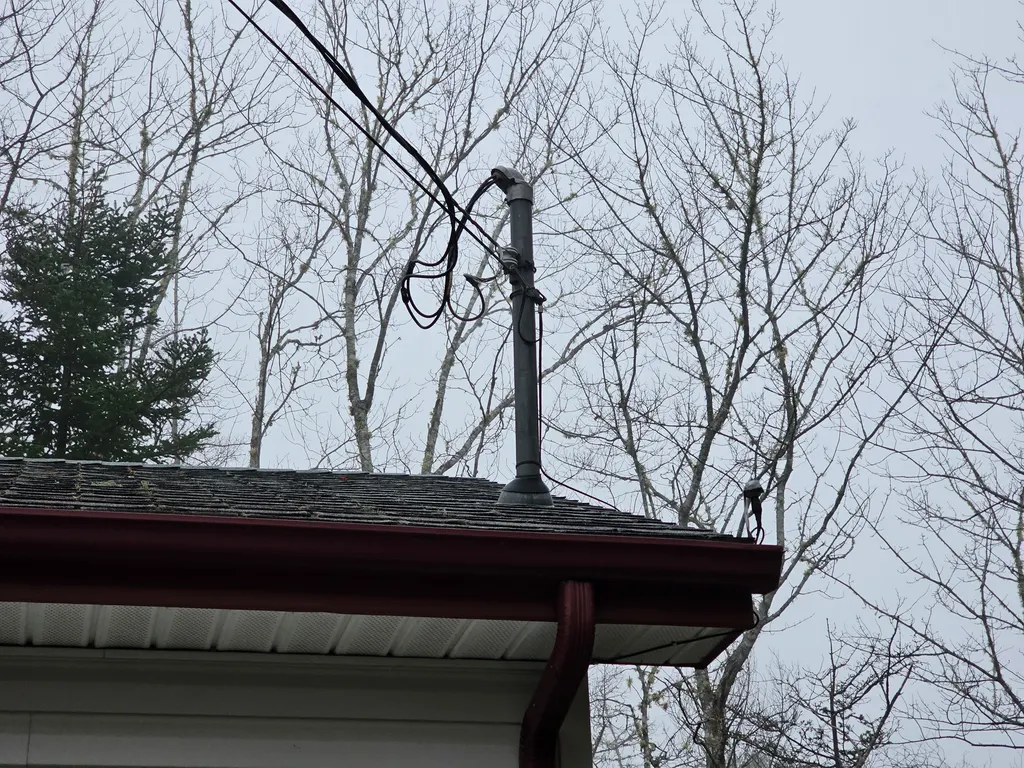
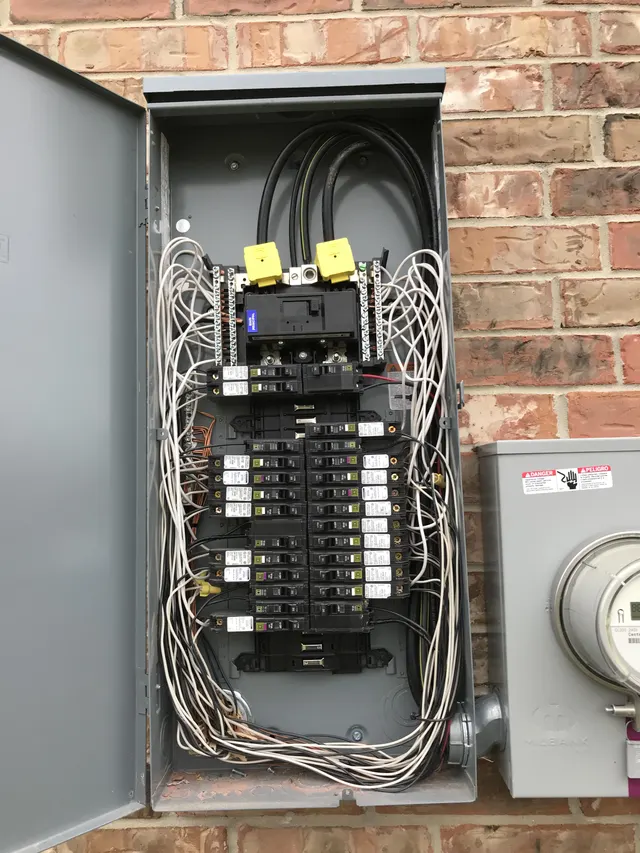
A little vocabulary makes every repair conversation shorter. CenterPoint Energy delivers two 120-volt legs and a neutral to the meter; the meter base, mast and everything inside the house belong to you. The service panel splits that supply into circuits, each protected by a breaker sized to its wire: 15-amp breakers on 14-gauge wire for lighting and bedroom outlets, 20-amp breakers on 12-gauge wire for kitchens, baths, laundry and garages, and double-pole 30- to 60-amp breakers for 240-volt loads such as the air conditioner, range, dryer and water heater.
Inside each circuit there are three conductors. The hot (black or red) carries current out, the neutral (white) carries it back, and the ground (bare or green) carries fault current safely to the panel so a breaker trips instead of a person. Three protective devices sit on top of that:
- Breakers trip on overload and short circuit. Older homes may still have fuses, which do the same job but must be replaced rather than reset.
- GFCI outlets and breakers trip on tiny leakage to ground, protecting people in wet locations.
- AFCI breakers trip on arcing, protecting against fire in living areas.
When something fails, it is almost always a connection, a device or a load problem, not the wire in the middle of the wall.
What Are the Most Common Home Electrical Repairs?
These are the home electrical repairs we make most often across Fort Bend and Harris County, with the usual cause of each.
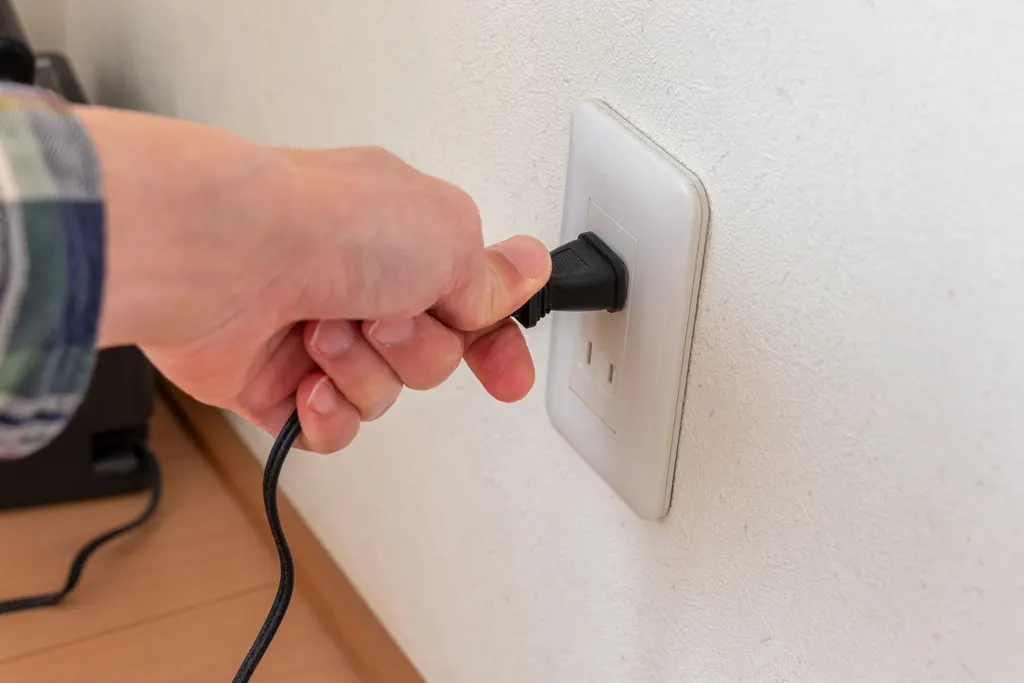
- Dead outlet. A tripped GFCI upstream, a loose backstab connection, or a worn receptacle. Our guide to why an outlet stops working covers the full diagnosis.
- Breaker that keeps tripping. Overload from too much on one circuit, a failing appliance, a short, or a worn breaker. See why a breaker keeps tripping.
- Flickering or dimming lights. A loose connection, an LED on a dimmer not rated for it, an overloaded circuit, or, if the whole house is affected, a neutral problem.
- Switch that stopped working. Worn contacts, a loose terminal, or a three-way switch pair wired wrong during a past repair.
- Light fixture failure. A failed LED driver, a corroded socket, or a loose splice in the ceiling box.
- GFCI that will not reset. No power to it, a real ground fault downstream, or a device killed by a surge.
- Buzzing dimmer or warm switch. Overloaded dimmer, incompatible bulbs, or a loose connection heating up.
- Ceiling fan that wobbles or stops. A box not rated for fan support, a failed capacitor, or a bad pull-chain switch.
- Outdoor outlet or fixture failure. Water in the box, corrosion from humidity, or a cover left open in a storm.
- Two-prong outlets and missing GFCI protection in kitchens, baths and garages of older homes, which are safety upgrades rather than breakdowns.
Why Does Circuit Load Cause So Many Electrical Problems?
A large share of repeat problems, from tripping breakers to warm outlets to flicker, come down to one number: how much is running on the circuit. Breakers are rated for continuous loads at 80 percent of their face value, so a 15-amp circuit at 120 volts should carry about 1,440 watts for any length of time and a 20-amp circuit about 1,920. Here is how quickly that fills up:
- A space heater uses 1,500 watts on high, which is an entire 15-amp circuit by itself.
- A hair dryer draws 1,200 to 1,875 watts.
- A window air conditioner draws 500 to 1,500 watts, with a larger surge at start-up.
- A microwave draws 1,000 to 1,500 watts, a toaster oven about the same.
Builders in the 1970s and 1980s often put two bedrooms and a bathroom on one 15-amp circuit, or ran the whole kitchen counter on a single 20-amp circuit. The signs of an overloaded circuit are breakers that trip after a few minutes of use, lights that dim when an appliance starts, warm cover plates and a faint buzz at the panel. The permanent fix is not a bigger breaker, which lets the wire overheat; it is moving the heavy appliance to a dedicated circuit, which is permitted and inspected work.
Which Home Electrical Repairs Can You Safely Do Yourself?
We are honest about this: a careful homeowner can handle a short list of home electrical repairs, and the list is shorter than most online guides suggest.
Reasonable for a homeowner
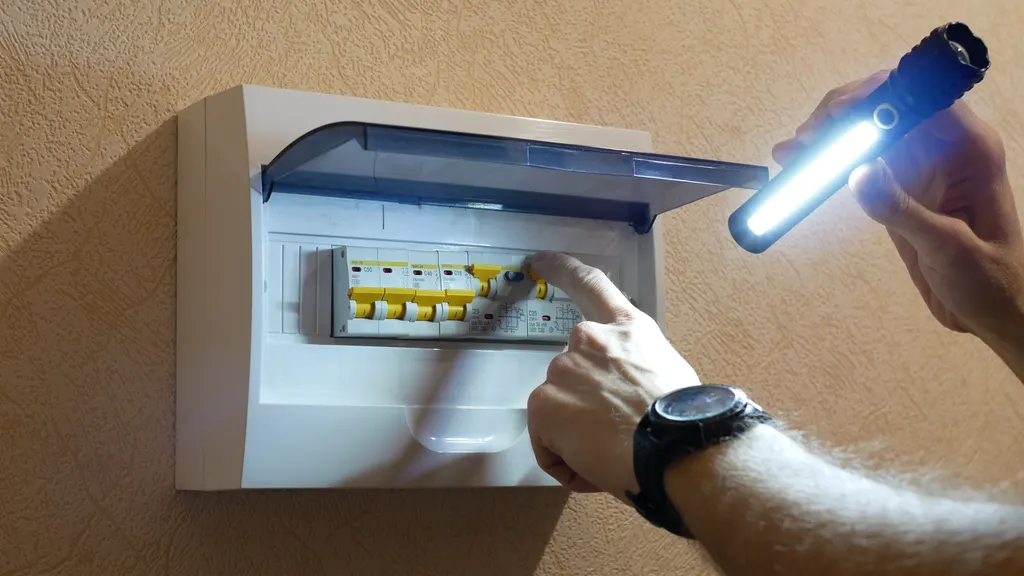
- Resetting a tripped breaker once, and resetting GFCIs.
- Replacing bulbs, and choosing dimmer-compatible LEDs to stop buzzing and flicker.
- Replacing a plug-in device, a lamp cord or a cord-connected ceiling fan remote.
- Testing outlets with a plug-in tester and GFCIs with their test buttons.
- Replacing a standard single-pole switch or a receptacle on copper wiring, if you turn off the breaker, verify the circuit dead with a tester, photograph the existing connections, land wires on the screw terminals rather than push-in holes, and the existing device shows no heat damage.
Not for a homeowner
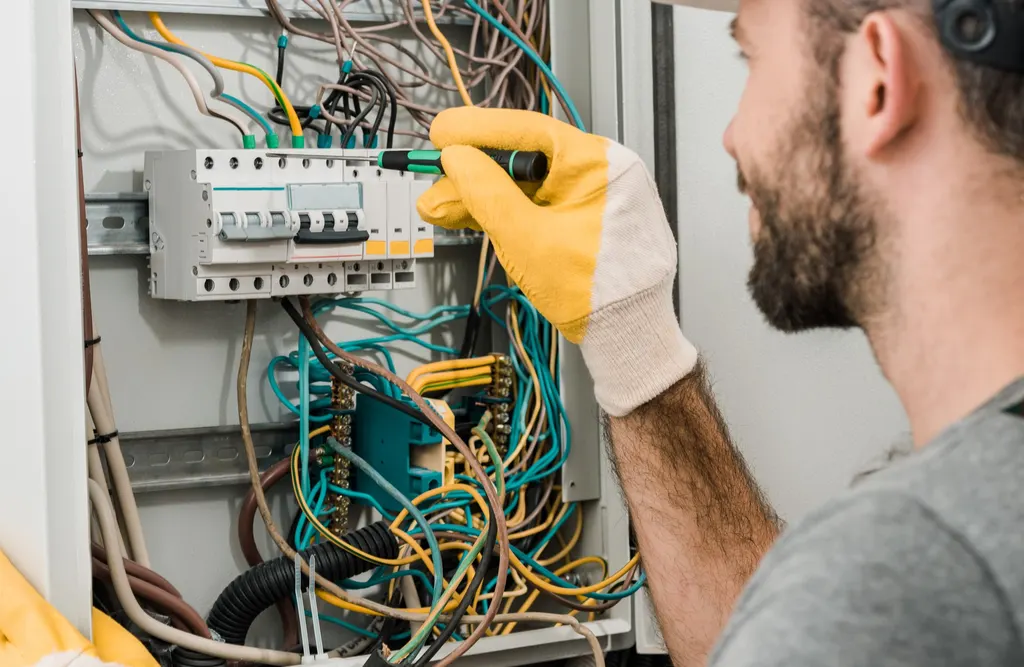
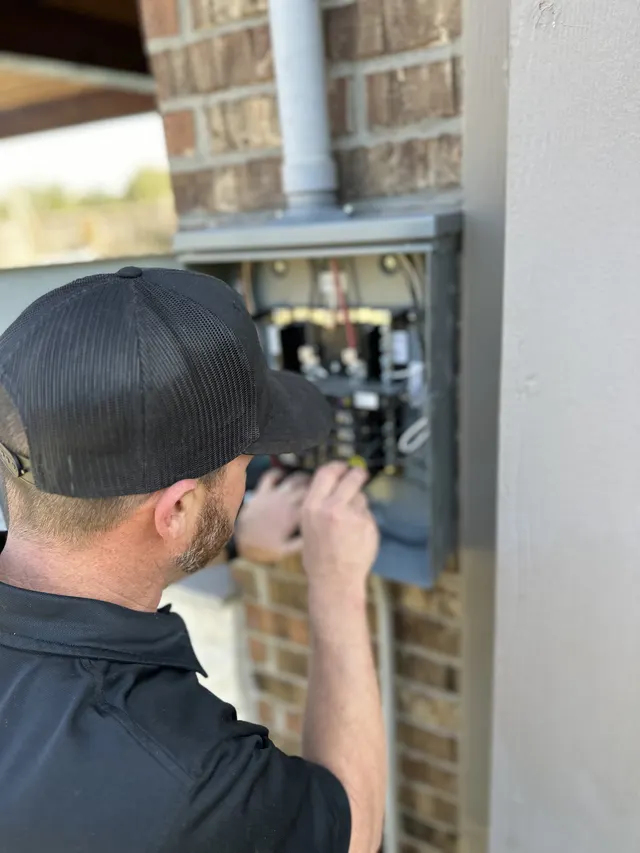
- Anything inside the panel, including replacing a breaker.
- Any device in a home with aluminum branch wiring.
- Any outlet, switch or box with scorching, melting or a burning smell.
- Three-way and four-way switches, GFCI line and load wiring, and anything with more than one cable in the box you cannot identify.
- Adding a circuit, extending a circuit, or any work in a wet location.
In our experience the DIY repairs that come back to us as larger problems are an outlet with reversed polarity or no ground, a GFCI wired backwards so it never protects, and a switch replaced in a box with a burned connection nobody recognized.
When Should You Call a Licensed Electrician for Home Electrical Repairs?
Call when any of the following is true, because the visible problem is usually a symptom of a hidden one:
- A breaker trips a second time after one reset, or trips with nothing plugged in.
- An outlet, switch, cover plate or breaker is warm, discolored, buzzing or sparking.
- More than one room is affected, or lights brighten and dim together.
- A GFCI will not reset after you have unplugged everything on it.
- The home has a Federal Pacific, Zinsco or early Challenger panel, aluminum branch wiring or two-prong outlets.
- Water has reached any electrical equipment.
- You want to add an outlet, a circuit, a ceiling fan where no fixture existed, an EV charger or a generator.
The last item is also where permits enter. Under the 2023 NEC as adopted in Texas, adding circuits, replacing a panel or service, and installing generators, EV chargers and pool electrical are permitted and inspected by the city building department inside Richmond, Rosenberg, Stafford or Houston and by the county outside city limits. A licensed contractor pulls the permit and meets the inspector. Every electrician on our crew works under Texas Electrical Contractor License TECL #34406, and a whole-home electrical inspection is the right first step when a house has several problems at once.
Home Electrical Repairs in Richmond, Rosenberg and Stafford
Our office is in the Grand Mission area of Richmond, TX, and the houses we repair within a few miles of it tell the whole local story. Richmond itself ranges from early-1900s homes near the Fort Bend County courthouse to 2010s construction in Aliana and Harvest Green. Rosenberg, TX has a large stock of 1960s through 1980s homes between US 59 and the rail line, where we find fuse boxes, backstabbed outlets, aluminum branch wiring and panels that were never upgraded. Stafford, TX is similar, with many 1970s homes that have had several owners and several rounds of unpermitted work.
Climate shapes the repair list in all three. Attic temperatures above 130°F loosen connections in junction boxes and dry out cable insulation. Gulf humidity corrodes outdoor outlets, fixtures and meter bases. Lightning season brings surge-damaged GFCIs and dimmers, and hurricane season brings flooded garage outlets and storm-damaged service masts, as it did across Fort Bend County during Hurricane Beryl in July 2024. The February 2021 freeze added a wave of space-heater overloads and burst pipes over panels.
The Local Electrician reaches most of Richmond and Rosenberg in under twenty minutes and offers same-day service when available, which matters when the dead outlets are in the only bathroom.
What Affects the Cost of Home Electrical Repairs?
Homeowners understandably want a number before the visit, and for a simple device replacement we can often give one on the phone. For most home electrical repairs the cost depends on a few factors that are only clear once the electrician has looked:
- Diagnosis time. A dead outlet with a loose backstab takes minutes to find; an intermittent fault that only appears when the dryer runs can take an hour of testing.
- Number of devices. Replacing one receptacle costs less than replacing every outlet on a chain that has backstab failures waiting to happen.
- Hidden damage. A burned device often means a burned conductor behind it that must be cut back and re-spliced.
- Aluminum wiring. Approved connectors and pigtails on every device add material and time.
- Permits and inspection. New circuits, panel work and service repairs carry permit fees set by the city or county and an inspection visit.
- Timing. After-hours emergency calls cost more than a scheduled daytime visit.
The Local Electrician diagnoses first, explains what we found, and quotes the repair upfront before any work starts. Bundling several small repairs into one visit lowers the cost per item, and larger projects such as rewiring or a panel replacement are eligible for financing.
How Do You Prevent Repeat Electrical Repairs?
Most of the repairs on this list are preventable with a few habits and a periodic professional look.
- Test every GFCI monthly with its TEST button, and replace any that fail to trip or reset.
- Keep heavy loads apart. One space heater, window unit or hair dryer per circuit, and nothing heavy on an extension cord for more than a day.
- Use the right bulbs. Match LED bulbs to the dimmer rating and never exceed a fixture's wattage label.
- Replace cracked outdoor in-use covers before storm season.
- Watch for warmth. Cover plates, switches and the panel door should never feel warm.
- Replace known-hazard equipment on a schedule rather than after a failure: Federal Pacific, Zinsco and Challenger panels, two-prong outlets, and aluminum terminations.
- Add whole-home surge protection if lightning or utility switching has already cost you a GFCI or a dimmer.
- Schedule an inspection every few years for homes over twenty years old, and before buying, selling or renovating.
Our year-round electrical safety checklist for older Texas homes turns these into a season-by-season routine. When something on this list does fail, The Local Electrician is at 832-271-1167, seven days a week.
Frequently Asked Questions
What are the most common home electrical repairs?
Dead outlets, breakers that keep tripping, flickering lights, switches and light fixtures that stop working, GFCIs that will not reset, buzzing dimmers, wobbling ceiling fans and failed outdoor outlets make up most residential repair calls. Nearly all of them trace back to a loose connection, a worn device or too much load on one circuit rather than to damaged wire inside the wall.
Can I do my own electrical repairs in Texas?
A careful homeowner can reset breakers, test and reset GFCIs, replace bulbs and plug-in devices, and in a copper-wired home replace a simple switch or receptacle with the breaker off and the circuit verified dead. Panel work, new circuits, aluminum wiring, burned devices and anything in a wet location should go to a licensed electrician, and permit-required work must be inspected regardless of who does it.
Do I need a permit for electrical repairs in Richmond or Fort Bend County?
Like-for-like replacement of a switch, outlet or fixture generally does not need a permit. Adding or extending circuits, replacing a panel or service equipment, and installing a generator, EV charger or pool electrical do, with the city building department inside Richmond, Rosenberg or Stafford and the county outside city limits. A licensed contractor pulls the permit and meets the inspector for you.
How much does it cost to have an electrician fix a problem at home?
It depends on diagnosis time, how many devices need replacing, whether there is hidden damage behind a burned device, whether the home has aluminum wiring, whether a permit is required and whether the call is after hours. The Local Electrician quotes the repair upfront after diagnosing it, offers same-day service when available, and provides financing for larger projects such as panel replacement or rewiring.
Why do lights flicker when an appliance turns on?
A brief dip when a refrigerator, air conditioner or dryer starts is the motor's inrush current pulling voltage down on a shared or heavily loaded circuit, and is usually harmless. Flicker that is frequent, affects several rooms or makes lights brighter rather than dimmer indicates a loose connection or a neutral problem and should be checked by an electrician promptly.
How often should a home electrical system be inspected?
Homes more than twenty years old benefit from a licensed inspection every few years, and any home should be inspected before purchase, before a major renovation, after flooding or storm damage, and when several small problems appear at once. An inspection checks the panel, grounding, GFCI and AFCI protection, outlets and visible wiring, and produces a prioritized list rather than a single repair.