





In Katy, TX, the conversation around home energy is shifting towards a more sustainable and efficient future, thanks to residential battery systems. These innovative systems are redefining how homeowners manage their energy use, offering a path to not only save on costs but also to contribute to a greener planet. With the ability to store excess energy, either from the grid or renewable sources, residential battery systems present a practical solution to the age-old problem of energy wastage. This marks a significant leap forward in our journey towards energy independence.
Richmond residents are also recognizing the potential of residential battery systems to transform their homes into power-saving hubs. By harnessing and storing electricity during off-peak hours, these systems allow homeowners to use energy as needed, reducing reliance on the grid during peak times. This not only leads to lower energy bills but also lessens the strain on our power infrastructure, a benefit that extends beyond individual households to the community at large. The appeal of residential battery systems lies in their simplicity and the control they offer over one’s energy consumption.
The adoption of residential battery systems is on the rise, fueled by advancements in technology and a growing awareness of their benefits. Homeowners are now more informed about how these systems work and the long-term savings they can bring. As a result, the conversation is no longer about if these systems will become a mainstay in homes but rather about when. This shift is indicative of a broader move towards more sustainable living practices, with residential battery systems at the forefront.
The future of home energy in cities like Katy and Richmond looks bright, with residential battery systems leading the charge. This technology offers a promising solution for managing and optimizing home energy use, making it an exciting time for homeowners looking to make the switch. As we continue to embrace these systems, we move closer to a future where energy efficiency and sustainability are not just ideals but realities for all.
Understanding Residential Battery Systems
Understanding how residential battery systems work is essential for homeowners in Katy and beyond who are considering making the switch to a more sustainable energy solution. These systems store electricity, allowing households to use it on demand, especially during peak hours when energy costs are higher. This not only provides significant savings on utility bills but also ensures a steady supply of power during outages, enhancing home energy independence.
In Richmond, the interest in residential battery systems is growing, driven by their compatibility with renewable energy sources like solar panels. When combined, these technologies can create a virtually self-sustaining home energy ecosystem. During the day, solar panels capture and convert sunlight into electricity, which can be stored in the battery system for use at night or during cloudy days, reducing the home’s reliance on the grid.
One of the key benefits of residential battery systems is their ability to improve the overall efficiency of the home’s energy use. By monitoring and managing energy consumption, these systems can identify the most cost-effective times to draw from the stored power, thereby optimizing energy use. This smart technology not only cuts down on waste but also contributes to a reduction in the carbon footprint of the household.
The future of home energy management looks promising with the adoption of residential battery systems. As technology advances, we can expect these systems to become even more efficient and user-friendly, offering homeowners in Katy, Richmond, and beyond greater control over their energy consumption. This shift towards more sustainable living practices is not just good for the wallet, it’s a significant step forward in our collective effort to protect the environment.
The Evolution of Home Energy Storage Solutions
The evolution of home energy storage solutions has seen remarkable progress, with residential battery systems at the forefront of this transformation. In Katy, the adoption of these systems reflects a growing trend towards sustainable living. Homeowners appreciate the autonomy these systems provide, allowing them to manage energy consumption more effectively. This shift not only supports personal savings but also promotes a healthier environment.
Richmond’s journey towards energy efficiency mirrors this trend, with residents embracing the benefits of residential battery systems. These innovative solutions offer a way to harness and store renewable energy, making households less dependent on traditional power sources. The impact extends beyond individual homes, contributing to a broader initiative of reducing carbon emissions. It’s a step forward in the quest for a more sustainable and resilient energy infrastructure.
As technology advances, residential battery systems continue to evolve, becoming more sophisticated and accessible. These systems now offer enhanced capabilities to monitor and manage energy use, making them an integral part of modern smart homes. Their ability to seamlessly integrate with other smart home technologies further enhances their appeal. This integration represents a significant leap towards creating more energy-efficient and self-sufficient homes.
Looking ahead, the potential for residential battery systems to revolutionize home energy management is immense. With ongoing improvements in technology and a growing awareness of their benefits, these systems are set to become a staple in homes across the country. They not only promise a future of reduced energy bills and increased sustainability but also mark a significant step towards achieving energy independence. This evolution is a clear indicator of the shifting paradigms in home energy storage solutions, paving the way for a greener, more efficient future.
How Residential Battery Systems Work
In Katy, residents are discovering that residential battery systems offer more than just energy savings. These systems empower homeowners with the ability to generate, store, and manage their electricity. This newfound control over energy resources is transforming how people think about their power consumption. It’s a step towards self-sufficiency, reducing the community’s carbon footprint.
Richmond homeowners are also embracing the benefits of residential battery systems, integrating them with renewable energy sources like solar panels. This combination creates a powerful, eco-friendly energy solution that can significantly lower dependence on traditional power grids. The synergy between solar energy and battery storage is paving the way for cleaner, more sustainable living environments. It’s an innovative approach to tackling modern energy challenges.
The technology behind residential battery systems is advancing rapidly, making them more efficient and user-friendly. These systems now come equipped with smart features that allow for real-time energy management and optimization. Homeowners can monitor their energy usage and make adjustments to maximize savings. This level of control is revolutionizing home energy management, offering a glimpse into the future of residential power.
Looking forward, the potential of residential battery systems to reshape the energy landscape is immense. As more people in cities like Katy and Richmond adopt this technology, we’ll see a significant shift towards greener, more resilient communities. These systems are not just about saving money, they’re about creating a sustainable future for generations to come. It’s an exciting time for homeowners ready to embrace this change.
Benefits of Installing Residential Battery Systems
Installing residential battery systems in homes offers a multitude of benefits, significantly enhancing the way homeowners in Katy manage and use energy. These systems provide a reliable backup power source, ensuring that homes remain powered during outages. This level of energy security is invaluable, particularly in areas prone to severe weather. Moreover, the peace of mind that comes from having a dependable power reserve cannot be overstated.
In Richmond, the environmental benefits of adopting residential battery systems are compelling. By storing excess energy generated from renewable sources, these systems reduce the household’s carbon footprint. This shift towards cleaner energy usage aligns with broader environmental goals, contributing to the fight against climate change. It’s a proactive step that homeowners can take to support a more sustainable future.
Financial savings are another significant advantage of residential battery systems. Homeowners can avoid peak energy rates by drawing on stored power when grid prices are high. Over time, this can lead to substantial cost savings on energy bills. It’s a smart investment that not only pays off financially but also increases the home’s value, making it an attractive feature for potential buyers.
Furthermore, residential battery systems offer unparalleled convenience and control over home energy use. With smart technology integration, homeowners can monitor and adjust their energy consumption with ease. This ability to optimize energy use not only maximizes efficiency but also enhances the overall home management experience. It’s a forward-thinking approach to energy that puts homeowners in the driver’s seat.
Comparing Residential Battery Systems to Traditional Power Sources
When comparing residential battery systems to traditional power sources, the advantages become clear, especially in terms of efficiency and sustainability. In Katy, homeowners are turning to these systems as a way to reduce reliance on the grid. This shift not only supports a more sustainable lifestyle but also offers a reliable energy solution that can adapt to personal consumption patterns. The contrast with conventional energy sources, which are often less flexible and more environmentally taxing, is stark.
Residential battery systems also stand out for their ability to provide energy security in a way that traditional sources cannot match. In Richmond, for instance, the integration of these systems into homes means that residents can maintain power even during outages, a common issue with conventional energy reliance. This level of autonomy and security is a significant step forward in how we think about powering our homes, moving away from the unpredictability of traditional power sources.
Financially, the benefits of residential battery systems over traditional power sources are becoming increasingly apparent. By allowing homeowners to store and use energy on demand, these systems help avoid peak energy rates, leading to noticeable savings on utility bills. This contrasts with the constant rate fluctuations associated with traditional power sources, where consumers have less control over their energy costs and usage.
Moreover, the environmental impact of choosing residential battery systems over traditional power sources cannot be overstated. These systems promote the use of clean, renewable energy, significantly reducing the carbon footprint of a household. This shift towards greener energy solutions is in line with global efforts to combat climate change, showcasing a responsible choice for homeowners in both Katy and Richmond who are looking to make a positive impact on the planet.
Integration with Renewable Energy Sources
Residential battery systems seamlessly integrate with renewable energy sources, marking a pivotal advancement in home energy solutions. In Katy, this integration allows homeowners to harness solar or wind power, storing excess energy for later use. This not only maximizes the efficiency of renewable installations but also ensures a constant energy supply, regardless of weather conditions. The synergy between these systems and renewable sources is transforming how we think about energy storage and usage.
Richmond homeowners are also leveraging the power of residential battery systems to create more sustainable living environments. By pairing these systems with solar panels, they can significantly reduce their reliance on the grid. This combination not only lowers utility bills but also decreases the household’s carbon footprint. It’s a practical approach to eco-friendly living, offering a clear path to energy independence.
The adaptability of residential battery systems to work alongside renewable sources is a testament to their versatility. These systems automatically adjust to energy needs, drawing from stored power during peak times or when renewable sources are not generating. This smart energy management enhances the overall efficiency of home power use, providing a reliable and cost-effective energy solution.
Looking ahead, the potential for residential battery systems to revolutionize home energy management is immense. As more people in cities like Katy and Richmond adopt renewable energy, the demand for efficient storage solutions grows. These systems are at the heart of a sustainable energy future, enabling homeowners to take full advantage of renewable resources. It’s an exciting time for energy innovation, with residential battery systems leading the way towards a greener, more efficient world.
Installation and Maintenance of Home Battery Systems
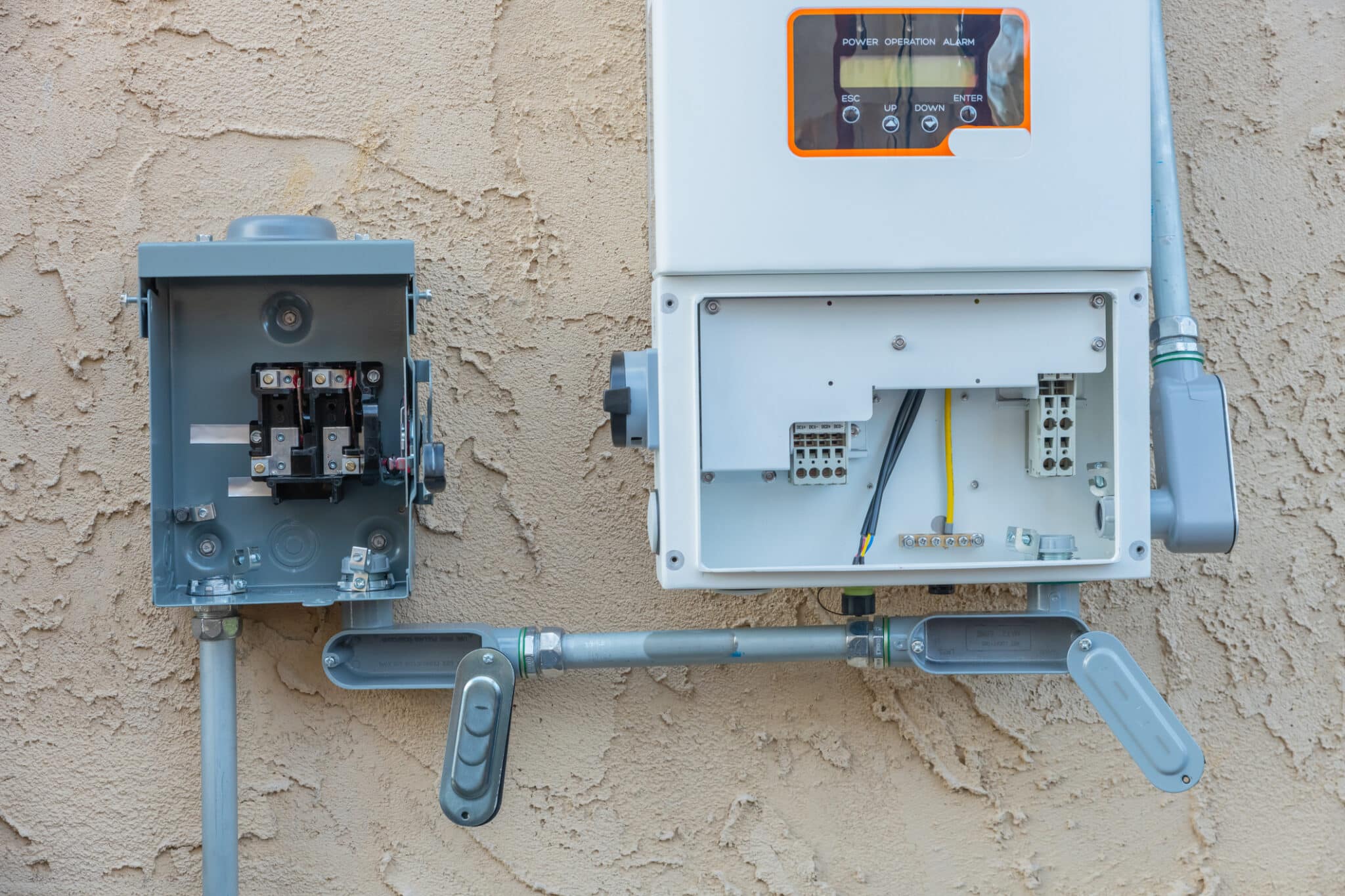
Installing residential battery systems in homes is a straightforward process that brings long-term benefits. In Katy, certified technicians ensure that these systems are set up correctly, optimizing their efficiency and reliability. This professional installation is crucial for maximizing the system’s potential to save energy and reduce costs. Homeowners can rest easy knowing their system is tailored to their specific energy needs.
Maintenance of residential battery systems is minimal, making them an attractive option for busy households. Routine checks in Richmond, for instance, can keep these systems running smoothly for years. These checks include monitoring the system’s performance and updating software to ensure optimal operation. Such low-maintenance requirements make residential battery systems a practical choice for modern living.
Technological advancements have made residential battery systems more durable and efficient. Improvements in battery technology mean that these systems can store more energy and last longer. This is good news for homeowners, as it translates into fewer worries about replacement costs and more focus on enjoying the benefits. As technology continues to evolve, these systems will only become more integral to home energy solutions.
Finally, the support from manufacturers and technicians for residential battery systems is readily available. Whether it’s a question about operation or a need for technical support, help is just a call away. This ongoing support ensures that homeowners in both Katy and Richmond can maximize the use and benefits of their systems. It’s a reassuring aspect of owning a residential battery system, knowing that expert advice and assistance are always within reach.
Future Trends in Residential Energy Storage
As we look towards the horizon, the trajectory of residential battery systems in Katy suggests a future where energy storage becomes as common as home internet. Innovations in battery technology promise to enhance storage capacity and efficiency, making these systems more appealing to homeowners. This evolution stands to significantly reduce our carbon footprint, aligning with global sustainability goals. The integration of these systems with smart home technologies further underscores their role in the next generation of energy management.
In Richmond, the push for renewable energy sources finds a perfect partner in residential battery systems. The ability to store excess energy generated from solar panels during peak production times revolutionizes how we think about energy use and conservation. This synergy not only maximizes the utility of renewable resources but also offers a practical approach to achieving energy independence. It’s a compelling narrative that positions residential battery systems as a cornerstone of future home energy solutions.
The growing awareness and acceptance of residential battery systems point to a future where energy self-sufficiency becomes a tangible goal for many households. As communities become more conscious of their environmental impact, the demand for these systems is expected to soar. This shift is likely to spur further advancements in technology, making residential battery systems even more accessible and user-friendly. It’s an exciting time for energy innovation, with homeowners at the forefront of adopting these sustainable practices.
Finally, the economic benefits of residential battery systems cannot be overlooked. Homeowners in Katy and Richmond are already witnessing the cost savings associated with reduced reliance on grid electricity, especially during peak demand times. As battery systems become more efficient and affordable, the financial incentives for adopting this technology will only grow stronger. This economic advantage, coupled with environmental benefits, makes residential battery systems a smart choice for future-forward homeowners.

Frequently Asked Questions
What are residential battery systems?
Residential battery systems store electricity for later use in homes. They capture energy from solar panels or the grid when rates are low. This stored power can then be used during peak hours, reducing reliance on traditional energy sources. These systems are key for managing household energy efficiently and sustainably.
How do they impact energy bills?
Residential battery systems can significantly lower energy bills. They allow homeowners to use stored electricity during peak hours when rates are high. This reduces the need to buy expensive grid power. Over time, the savings add up, making these systems a smart investment for energy management.
Can they power a home during outages?
Yes, residential battery systems can keep a home powered during outages. They switch on automatically when the grid goes down, ensuring lights and essential appliances stay on. This feature provides peace of mind to homeowners, especially in areas prone to power cuts. By offering a reliable backup, these systems enhance home energy independence and security.
What is the lifespan of residential battery systems?
Residential battery systems typically last between 10 to 15 years before needing replacement. Their longevity depends on usage, maintenance, and the technology behind them. As they age, their capacity to hold a charge may decrease, affecting performance. However, advancements in technology are steadily increasing their lifespan and efficiency, making them a more reliable energy solution for homes.
Are they environmentally friendly?
Residential battery systems are indeed environmentally friendly. They store clean energy from solar panels, reducing reliance on fossil fuels. This storage cuts down on greenhouse gas emissions, helping to protect the environment. By promoting sustainable energy use, these systems play a crucial role in combating climate change.