



Key Takeaways About 240V Outlet Upgrade
A 240V outlet upgrade means installing a properly sized two‑hot‑leg circuit with correct wiring and protection. This guide is for homeowners and property managers planning high‑demand kitchen or garage installations and when safety and permits matter.
- Identify appliance nameplate voltage and amperage before planning work.
- Prevent overheating by matching conductor gauge to breaker capacity.
- Avoid wiring mistakes by using a dedicated two pole breaker.
- Spot warning signs like warm outlets buzzing or burning smells.
- Reduce permit delays by preparing nameplate photos and panel readings.
- Plan for panel capacity and possible subpanel or service upgrade.
Introduction
When a kitchen range, wall oven, large EV charger, or workshop equipment needs more power, a 240V outlet upgrade becomes necessary. Homeowners often notice frequent breaker trips, slow appliance cycles, or outlets that feel warm to the touch. Those signs point to circuit limits, wrong receptacle types, or inadequate wiring. Addressing these issues matters because improper connections raise fire and equipment risks.
Installing a 240V outlet requires specific wiring, a correctly sized circuit breaker, and the right receptacle and plug configuration. A professional will consider wire gauge, grounding conductor, and whether a dedicated circuit is required for the appliance. Appliance manuals and nameplate ratings guide the required amperage and wiring. Matching those components keeps the outlet safe and functional over time.
Permits and inspections matter because they confirm the work meets safety standards and local code intent. Municipalities like Tomball and Richmond, TX enforce permit rules to ensure proper grounding and breaker sizing. A permitted job produces inspection records and reduces liability when you sell the property. Skipping permits can lead to failed inspections and costly retrofits later.
Homeowners noticing burning smells, buzzing outlets, or repeated tripping should view those as warning signs needing professional diagnosis. An electrician will test voltage, inspect the service panel, and verify continuity and grounding. Photos, voltage readings, and a written report help document the condition and recommended changes. Getting the right diagnosis early avoids larger electrical failures and safety hazards.
When A 240V Outlet Upgrade Is Necessary
A 240V outlet upgrade means installing a dedicated two-hot-leg circuit with the correct breaker, wiring, and receptacle for higher-demand appliances. Homeowners often ask, “Do I need a 240V outlet for this appliance?” The direct answer is to check the appliance nameplate for voltage and amperage ratings. If the nameplate lists 240 volts or a high amp draw, an upgrade is usually required to meet safe operation.
- Appliance nameplate shows required voltage.
- Frequent breaker trips occur on the existing circuit.
- Plug and receptacle types do not match the appliance.
- Wire gauge is too small for the load.
Typical signs that trigger an upgrade include persistent tripping, warm outlet faces, and slow appliance cycles under load. A homeowner might notice a humming sound from a breaker box or a slight burning odor near an outlet. These symptoms suggest the current circuit is stressed or connections are poor. Addressing them promptly reduces fire and equipment damage risk.
A professional diagnosis starts with visual inspection of the panel, wiring, receptacle, and appliance connection. An electrician will take voltage readings, test continuity, and confirm grounding using a multimeter and continuity tester. They will also compare nameplate amperage to circuit breaker size and conductor gauge. A written report with photos and readings helps homeowners decide next steps.
Local considerations matter for permitting and safe installation, so homeowners in Tomball and Richmond, TX should plan for inspections and paperwork. For kitchen upgrades, reviewing kitchen circuit planning resources can clarify circuit separation and load expectations. If the appliance manual requires a dedicated 240V circuit, follow that guidance and get a professional estimate. When in doubt, hire a licensed electrician to confirm whether a 240V outlet upgrade is necessary and permitted.
How 240V Circuits Work And Why It Happens
240V circuits deliver two hot legs out of phase so appliances see the voltage difference between them. Each hot leg carries current to the load while the neutral may be absent or used only for certain ranges. A proper circuit balances load across both legs to reduce neutral current and prevent overheating of conductors. Grounding and a separate grounding conductor protect against faults and reduce shock risk.
At the panel, a two-pole breaker ties the hot legs together so the breaker trips both legs simultaneously on overload. The breaker rating matches the conductor ampacity to protect wiring from overheating. An electrician will verify wire gauge and breaker sizing with a load calculation rather than guessing. That calculation helps determine whether a subpanel or upgraded service is necessary for larger loads.
Wiring arrangements differ by appliance type and cord configuration, so matching the receptacle and plug is essential for safe connections. Many appliances require a dedicated circuit to avoid shared neutral or overloaded branch circuits, which can cause nuisance trips. Learn more about planning dedicated circuits in the linked guidance on dedicated circuits. Proper receptacle choices prevent mismatched plugs that can lead to dangerous improvisations.
Diagnosing a problematic 240V supply starts with observable cues like buzzing breakers or intermittent appliance shutdowns during peak use. A professional will take voltage readings across both hot legs and from each leg to neutral, inspect the junction boxes, and perform continuity tests on grounding conductors. They may record voltage under load to see drops that indicate loose connections or inadequate wire sizing. Homeowners in Tomball and property managers in Richmond, TX should keep recorded readings and photos for permit inspections and repair planning.
Common Appliances That Require 240V Power
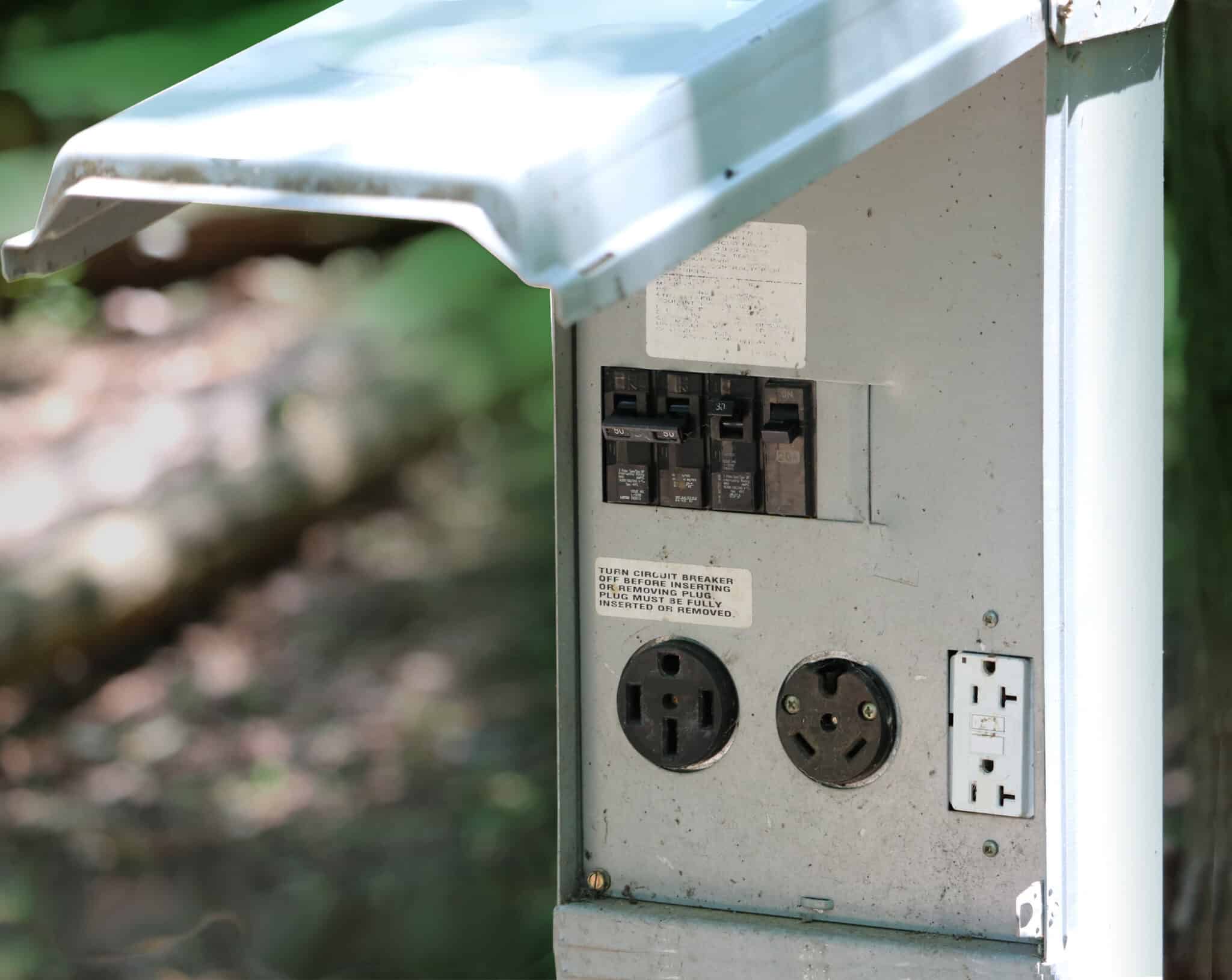
Many large kitchen and garage appliances require a true 240V supply rather than standard 120V circuits. Examples include electric ranges, wall ovens, and most stand-alone electric dryers that list 240 volts on their nameplate. Shop tools like welders and heavy-duty air compressors also commonly need 240V for reliable operation. Confirming the appliance nameplate and cord type tells you whether the device expects a two-hot-leg connection without relying on neutral.
EV chargers and dedicated electric vehicle equipment often need a 240V circuit sized for continuous load and specific amperage ratings. A professional will check the charger documentation, nameplate, and expected continuous current to determine breaker and conductor sizing. Installation may require a separate subpanel or upgraded feeder when existing service is near capacity. Homeowners in Tomball should keep installation paperwork and amperage details handy for inspection and future planning.
Certain garage workshop machines such as table saws, dust collectors, and stationary grinders can draw high currents that exceed typical 120V branch circuits. An electrician will inspect motor nameplates, measure locked-rotor and running currents, and recommend appropriate breaker protection and conductor gauge. They may also advise on disconnect locations and conduit routing for safer use in a garage environment. Properties in Richmond, TX with multiple heavy loads might need coordinated panel planning to avoid overloads.
Some newer cooktop and range installations require a 240V outlet plus a neutral for clock and vent electronics or optional 120V accessories. During diagnosis, a technician will verify whether the appliance needs a four-wire circuit and will test continuity and grounding before finalizing connections. They will also confirm receptacle type and plug orientation to prevent mismatches that could cause poor contact or arcing. Proper documentation of nameplate readings and photos supports permit inspections and future service decisions.
Wiring Requirements For Safe 240V Outlet Installation
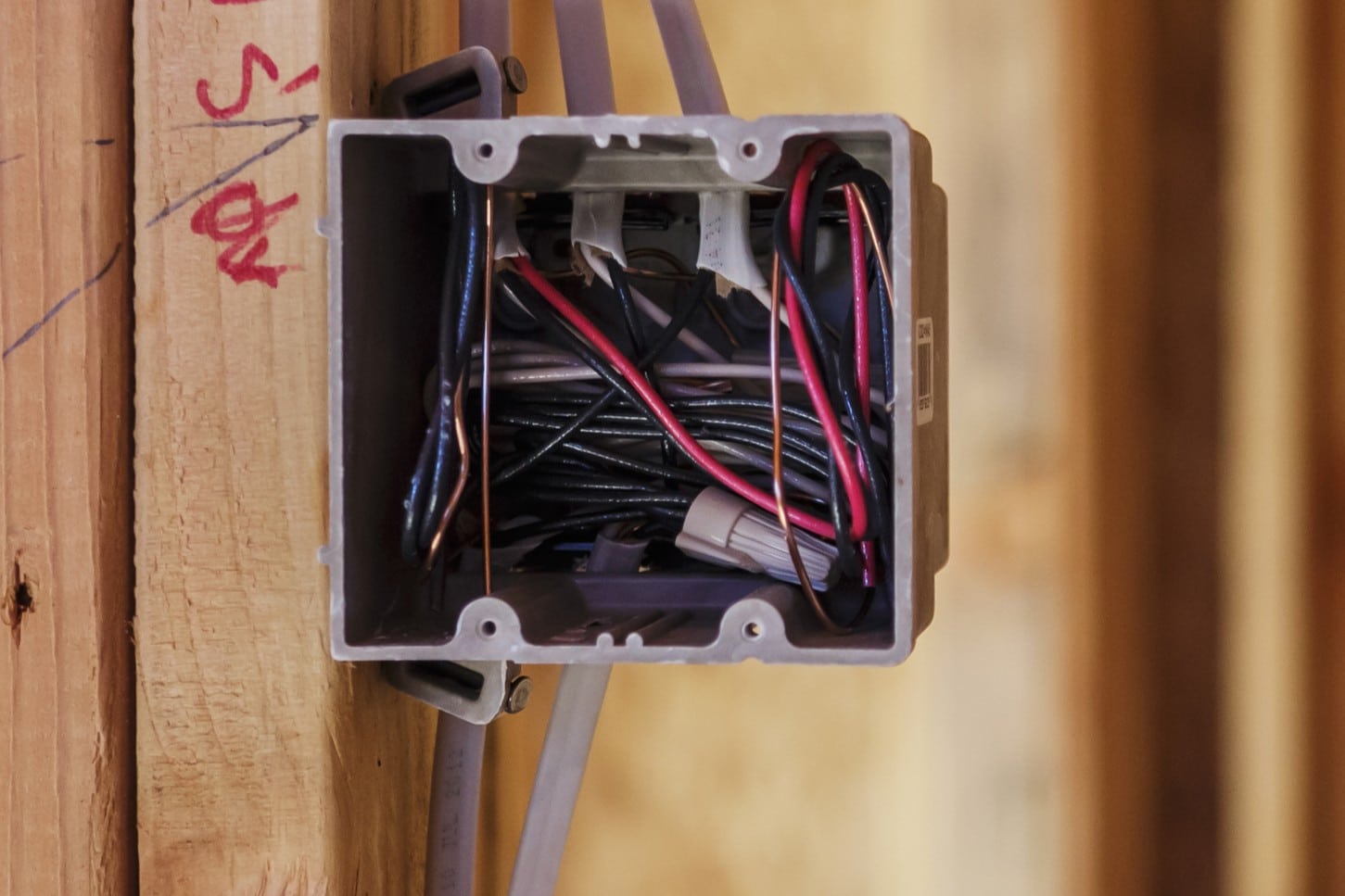
A safe 240V outlet upgrade starts with selecting the correct conductor gauge and a two-pole breaker that matches the appliance amperage. An electrician checks nameplate amperage, measures expected continuous load, and selects wire size to match breaker protection. Grounding requires a separate grounding conductor back to the panel and secure connections in a listed junction box. If the installation needs a neutral, the wiring must include an insulated neutral conductor sized for the circuit.
- Use copper conductors sized for the breaker rating.
- Install a two-pole breaker with handle tie or common trip.
- Run a separate equipment grounding conductor to the panel.
- Mount receptacles in listed boxes with strain reliefs.
Routing and protection of the cable matter for safety and code compliance during the 240V outlet upgrade. Cables running through garages or kitchens should have proper support and be protected from physical damage. Where required, conduit or armored cable protects conductors from abrasion and accidental impact. Junctions must remain accessible and spliced inside approved enclosures with proper covers.
Testing and verification follow wiring and before final energizing to ensure safe operation and correct connections. A professional will perform voltage checks across hot legs and from each leg to neutral to confirm expected readings. Continuity tests on the grounding conductor and torque checks on breaker and terminal screws prevent loose connections and arcing. Photographs and recorded meter readings support permit inspections and future troubleshooting needs.
Panel capacity and circuit placement influence whether a new 240V branch can be added without larger upgrades to the service. An electrician assesses available breaker spaces, load balance, and overall panel capacity and may recommend a panel or service upgrade when needed. For installations that require more panel capacity, consider planning ahead with an electrical panel upgrade to avoid repeated changes later. Homeowners in Tomball and property managers in Richmond, TX often keep documentation of these decisions for inspections and resale.
Permit Rules And Inspection Steps Homeowners Need
Before starting work, most jurisdictions require a permit for new 240V branch circuits and receptacle changes, especially in kitchens and garages. The permit process ensures an inspector can verify conductor sizing, breaker protection, and proper grounding. Homeowners should prepare appliance nameplate data and panel photos to attach to permit applications for faster review. In some areas, inspectors also want evidence of correct neutral termination when a four-wire circuit is involved.
After pulling a permit, the inspection sequence usually begins with a rough-in inspection before devices and covers are installed. The inspector checks cable routing, box fill, conduit use, and that junctions remain accessible for future service. An electrician will often provide recorded voltage readings and written notes to clarify compliance questions during inspection. For long cable runs, professionals may also include calculations for voltage drop to support conductor choices.
Once wiring is complete and devices are mounted, a final inspection confirms torque on connections, proper breaker labeling, and functional testing of GFCI or AFCI protection where required. The inspector may ask for a load test or for documented voltage readings under load to confirm acceptable performance. If adjustments are needed, the inspector will list corrections rather than approving the work outright. Completing corrections and requesting reinspection closes the permit and produces the official record of compliance.
To diagnose permit-related failures, a professional will gather observable symptoms such as warm outlet faces, tripped breakers, or intermittent appliance shutdowns during inspection. The technician will then perform voltage and continuity tests, inspect grounding conductor continuity, and photograph problem areas for the homeowner and inspector. For complex runs, they may run a voltage drop calculation and include results in the inspection packet to justify larger conductor sizes. Homeowners in Tomball and property managers in Richmond, TX benefit from keeping inspection reports and test readings for resale or future upgrades.
When To Call A Professional For 240V Outlet Upgrade
Call a licensed electrician when you see repeated breaker trips that persist after resetting the panel and unplugging appliances. A professional will perform a load calculation and inspect panel bus capacity to see if adding a circuit overloads service. They will also check for signs of overheated insulation or loose terminal connections that indicate immediate hazards requiring shutdown. If you smell burning near outlets or breakers, stop using the circuit and call an electrician right away.
An electrician will diagnose by taking voltage readings across both hot legs and from each leg to neutral under load conditions. They will use visual inspection, torque checks on terminals, and continuity testing on grounding conductors to confirm safety. Professionals compare recorded meter readings to appliance nameplate amperage and calculate voltage drop for long runs to decide conductor size. Photographs and written measurements help document findings for permit submissions and homeowner records.
Call before starting any work that changes breaker size, panel wiring, or service capacity to ensure permit requirements are met and inspections pass. Permit officers often require proof that an installer followed local electrical code, which professionals can provide by referencing standard practices and documentation. For permit guidance and code context, review relevant requirements in the residential electrical codes resources. Homeowners in Tomball should keep the electrician’s test records for the inspection and future property transactions.
Choose a pro when the project involves panel modifications, adding multiple high-demand circuits, or installing an EV charger to ensure safe coordination of loads. A qualified electrician will recommend whether a subpanel, service upgrade, or dedicated breaker is needed based on measured demand and panel space. They will also complete permit paperwork and arrange inspections so work closes correctly in municipal records. Property managers in Richmond, TX benefit from documented compliance when planning upgrades for multiple units.
DIY Preparations And Decisions Before Upgrading
Deciding whether to proceed yourself starts with a clear assessment of skills and tools you actually own and use safely. Measure the circuit area, identify existing breaker spaces, and confirm the appliance nameplate amperage before planning any work. If conduit, a subpanel, or multi-wire branch circuits are involved, consider whether your experience covers those tasks and the required connectors. Keep in mind that incorrect torque or poor terminations create heat and fire risks even when wiring looks tidy.
- Check the appliance nameplate for voltage and amperage.
- Confirm available breaker spaces in the panel.
- Verify you have the correct wire gauge and tools.
- Plan wiring routes to avoid physical damage paths.
- Prepare photos and readings for permit applications.
Gathering documentation before work helps streamline decisions and the permit process later on at the inspector’s desk. Take clear photos of the panel, breaker labels, and any tight cable access points you will use for routing. Record voltage readings under no-load conditions if you can safely access the panel and shut off the main when changing wiring. These records make it easier to explain your plan to an inspector and reduce surprises during inspections.
Make practical choices about receptacle type, cord compatibility, and whether a neutral or four-wire feed is required for your appliance. Verify the plug orientation and the required breaker trip characteristics listed in the appliance instructions before buying materials. If you must interrupt other circuits to free a breaker space, plan temporary power arrangements safely and label everything clearly. Consider that some installations need GFCI or AFCI protection and plan to provide them if local rules require.
Decide how you will demonstrate compliance during permitting and inspection to avoid delays when the inspector arrives at your property. Keep nameplate copies, meter readings, and photos organized to show conductor runs and terminations clearly. If you feel unsure at any step, schedule a consult with a licensed electrician who can review your prep and perform final connection and testing. Homeowners in Tomball and property managers in Richmond, TX often find that a short professional check prevents rework and inspection failures.
Cost Factors Timeline And Practical Maintenance Tips
A few cost factors drive a 240V outlet upgrade estimate, including conductor length, breaker type, and whether a neutral conductor is required. Long cable runs increase material and labor time because electricians must account for voltage drop and route protection. Access difficulty raises labor costs when panels sit in cramped or obstructed locations that slow work. For projects needing a subpanel, expect additional parts and inspection steps that add time to completion.
Typical timeline elements include site assessment, permit approval, material procurement, and the actual installation and inspection. Permit turnaround varies by jurisdiction and can add days or weeks before work begins, affecting scheduling. Electricians often schedule the physical work within a few business days after permits clear, but complex jobs take longer. Coordinate appointment availability and allow time for inspector rechecks if corrections are required.
Practical maintenance helps extend the life and safety of a new 240V outlet and its circuit components. Periodic visual checks should note discoloration, loose faceplates, or a persistent buzzing sound that indicates a connection issue. An electrician can perform torque checks on terminals and test grounding continuity during routine service visits. Keep voltage readings and photos from the original installation to compare if problems appear later on.
Diagnosing emerging problems follows a simple professional workflow that homeowners can expect during a service call. The technician will observe symptoms like warm receptacles, intermittent trips, or odd smells, then take voltage readings across both hot legs under load. They will inspect the breaker, test continuity on grounding conductors, and document findings in a written report with photos. For guidance on planning dedicated runs for specific equipment, review the dedicated circuits service information before final decisions are made.
Frequently Asked Questions
When do I need a 240V outlet upgrade for kitchen or garage gear?
You need a 240V outlet upgrade when an appliance specifies 240 volts, draws high continuous current, or requires dedicated circuits. Common examples include electric ranges, wall ovens, and some high‑capacity EV chargers or air compressors. If you notice tripped breakers, warm receptacles, or dimming lights when equipment runs, stop use and get an inspection, this signals wiring or panel issues. Electrical work carries shock and fire risks, so hire a licensed electrician to confirm load calculations, install proper breakers, and pull permits if required.
What wiring and breaker size does a 240V outlet upgrade need?
Most 240V outlet upgrades use two hot conductors plus a grounding conductor, and sometimes a neutral if the appliance needs it. Typical wire sizes run from 10 AWG for 30A circuits to 6 AWG for 60A circuits depending on appliance load. Breaker sizes match the circuit ampacity and device rating, so pick a breaker that protects the chosen wire and appliance. Working on 240V circuits carries shock and fire risk, so hire a qualified electrician to inspect load, install wiring, and pull permits.
How will an electrician diagnose a stressed 240V circuit?
An electrician starts by interviewing the homeowner about symptoms like tripping, buzzing, or warm outlets to narrow the issue. They measure voltage on both hot legs and neutral with a multimeter and record readings under load. Next they inspect the panel, breakers, connections, and wiring continuity, looking for loose terminals, corrosion, or undersized conductors. If signs of overheating or arcing appear, stop use and hire a licensed pro immediately for safe repair and any permit work needed for a 240V outlet upgrade.
Do permits and inspections apply to a 240V outlet upgrade?
Yes, most jurisdictions require permits and inspections for a 240V outlet upgrade to ensure wiring and breaker sizing meet code. An inspector will verify wire gauge, grounding conductor, dedicated breaker, and secure junction boxes. Work on 240V circuits carries shock and fire risk, so hire a licensed electrician for safety and compliance. The electrician can pull permits, schedule inspections, and provide the required paperwork if the installation fails initial review.
What signs indicate a failing 240V outlet or loose connection?
Visible burn marks, melted plastic, or discoloration around the receptacle often indicate overheating or a failing 240V outlet. You may notice intermittent power, appliances losing power, or breakers tripping unpredictably during use. A hot or tingling sensation on the faceplate, buzzing sounds, or a burning smell are serious warning signs, stop use immediately and power down the circuit. For safety, avoid DIY repairs and call a licensed electrician to inspect connections, test voltage, and recommend a 240V outlet upgrade if needed.