





A safe home starts with a solid electrical foundation. Ground rod testing is essential for protecting families from electrical hazards. This process ensures that grounding electrodes meet safety codes and reduce the risk of electric shock. Homeowners in Katy, TX, rely on experts to keep their systems secure.
Electricians use ground rod testing to confirm that the grounding system works as designed. It’s a critical step for both new homes and older properties. Proper grounding keeps appliances and electronics safe during power surges or storms. Many residents in nearby Rosenberg also benefit from regular testing.
Local electricians understand the unique soil and weather conditions in this region. Ground rod testing helps identify potential issues before they become dangerous. By following strict standards, professionals give homeowners peace of mind. Reliable grounding means fewer worries about unexpected electrical faults.
In Richmond, TX, families trust qualified electricians to verify their home grounding systems. Testing is not just about meeting code, it’s about safety. Regular checks help prevent electrical fires and equipment damage. Choosing ground rod testing is a smart investment in your home’s protection.
Why Proper Grounding Matters in Home Electrical Systems
Proper grounding is the backbone of every safe electrical system. Ground rod testing ensures that any excess electricity can safely travel into the earth. Without reliable grounding, homes in Katy, TX, face higher risks during lightning strikes or electrical faults. This protection is especially important for families with sensitive electronics or major appliances.
When electricians perform ground rod testing, they check the resistance between the rod and the surrounding soil. High resistance can signal poor connections or issues with the ground itself. Catching these problems early helps prevent dangerous shocks and system failures. Homeowners in Richmond, TX, benefit from this proactive approach to electrical safety.
Local codes require grounding systems to meet strict standards for performance and safety. Ground rod testing verifies compliance, reducing the risk of code violations or insurance issues. Electricians use specialized tools to measure the effectiveness of each grounding electrode. This process gives homeowners confidence that their systems are up to date and secure.
Residents in Rosenberg appreciate the peace of mind that comes from regular ground rod testing. A properly grounded home protects against electrical fires and costly damage. By investing in professional testing, families safeguard their property and loved ones. Grounding is more than a technical requirement, it’s a commitment to long-term safety.

What Is a Grounding Electrode and Its Role
A grounding electrode is a metal rod or plate buried in the earth near your home. Its job is to safely direct stray electrical currents away from your electrical system. Without this crucial component, electricity could build up and create dangerous situations for your family. Ground rod testing verifies that the electrode performs its role effectively.
Electricians in Katy, TX, use ground rod testing to check the connection between the grounding electrode and the earth. The test measures how easily electricity flows from the home into the ground. If the resistance is too high, it signals a problem that needs attention. Reliable grounding helps protect against shocks and electrical fires.
Grounding electrodes play a vital role during lightning storms or power surges. They provide a safe path for excess electricity to leave your home. In Richmond, TX, homeowners trust professionals to ensure their grounding systems work as intended. Regular ground rod testing confirms that the system remains in top condition.
Families in Rosenberg benefit from understanding how grounding electrodes keep their homes safe. Testing ensures the electrode is still effective after years of use. Electricians recommend periodic ground rod testing to maintain a secure electrical foundation. This simple step helps prevent costly repairs and keeps everyone protected.
Ground Rod Testing: Key Steps and Procedures
Ground rod testing begins with a visual inspection of the grounding electrode and its connections. Electricians check for corrosion, loose clamps, or visible damage that could affect performance. Any issues found during this step are addressed before further testing. This careful approach helps prevent future electrical hazards in homes across Katy, TX.
Next, electricians use specialized meters to measure the resistance between the ground rod and the earth. A low resistance reading confirms the grounding system can safely carry away excess electricity. If the reading is too high, adjustments or repairs are made right away. This ensures the home’s electrical system remains safe and code-compliant.
Testing often includes disconnecting the grounding electrode from the electrical panel to isolate it. This step gives an accurate measurement of the rod’s effectiveness without interference. Electricians in Richmond, TX, rely on this method for precise results. Homeowners benefit from knowing their grounding system is thoroughly checked and functioning well.
After completing ground rod testing, professionals document their findings and recommend any needed improvements. They explain the results so homeowners understand their system’s safety. In Rosenberg, families appreciate this clear communication and expert care. Regular testing keeps homes protected and gives everyone lasting peace of mind.
Tools and Equipment Needed for Ground Rod Testing
Ground rod testing requires specialized tools to ensure accurate results. Electricians use clamp-on ground resistance testers, which quickly measure resistance without disconnecting the system. These meters are designed for precision and reliability, making them ideal for both new and existing homes. Proper calibration of the equipment ensures every test reflects the true condition of the grounding system.
A digital multimeter is another essential tool for ground rod testing. Electricians use it to check voltage and continuity in the grounding circuit. This helps identify potential faults or weak connections that could compromise safety. Regular use of these meters keeps electrical systems in Richmond, TX, up to code and functioning safely.
Insulation resistance testers also play a role in ground rod testing. These devices measure the insulation level between the ground rod and earth, revealing hidden issues that may not be visible. Electricians rely on these readings to catch problems early and recommend effective solutions. This proactive approach keeps homes in Rosenberg safe from electrical hazards.
In addition to meters, electricians carry specialized clamps, grounding leads, and protective gear. These tools allow for safe and thorough ground rod testing in any environment. Proper use of equipment ensures every home receives a detailed and accurate assessment. Homeowners benefit from knowing their grounding system has been tested with the best tools available.
Interpreting Ground Rod Test Results
After ground rod testing, electricians carefully review the resistance readings to determine if the grounding system meets safety standards. A low resistance value means the ground rod can safely carry away excess electricity, reducing shock risks. If resistance is too high, it signals poor soil contact or a faulty connection that needs fixing. This evaluation is crucial for keeping homes in Rosenberg safe and secure.
Electricians look for resistance readings that fall within code requirements, ensuring the grounding system will perform during power surges or storms. When results are outside the acceptable range, immediate action is taken to correct the issue. This may involve improving soil contact or replacing corroded clamps. Homeowners in Richmond, TX, benefit from these prompt solutions that maintain electrical safety.
Understanding ground rod testing results helps homeowners make informed decisions about their electrical systems. Electricians explain the findings in clear language, so families know what steps are needed for improvement. This transparency builds trust and confidence in the work performed. Regular communication ensures everyone understands the importance of a reliable grounding system.
Proper interpretation of test results also guides future maintenance and inspections. Electricians keep records of each ground rod testing session for ongoing reference. These reports help track changes over time and identify any emerging issues early. Staying proactive with testing and interpretation keeps homes protected year after year.
Common Issues Found During Ground Rod Testing
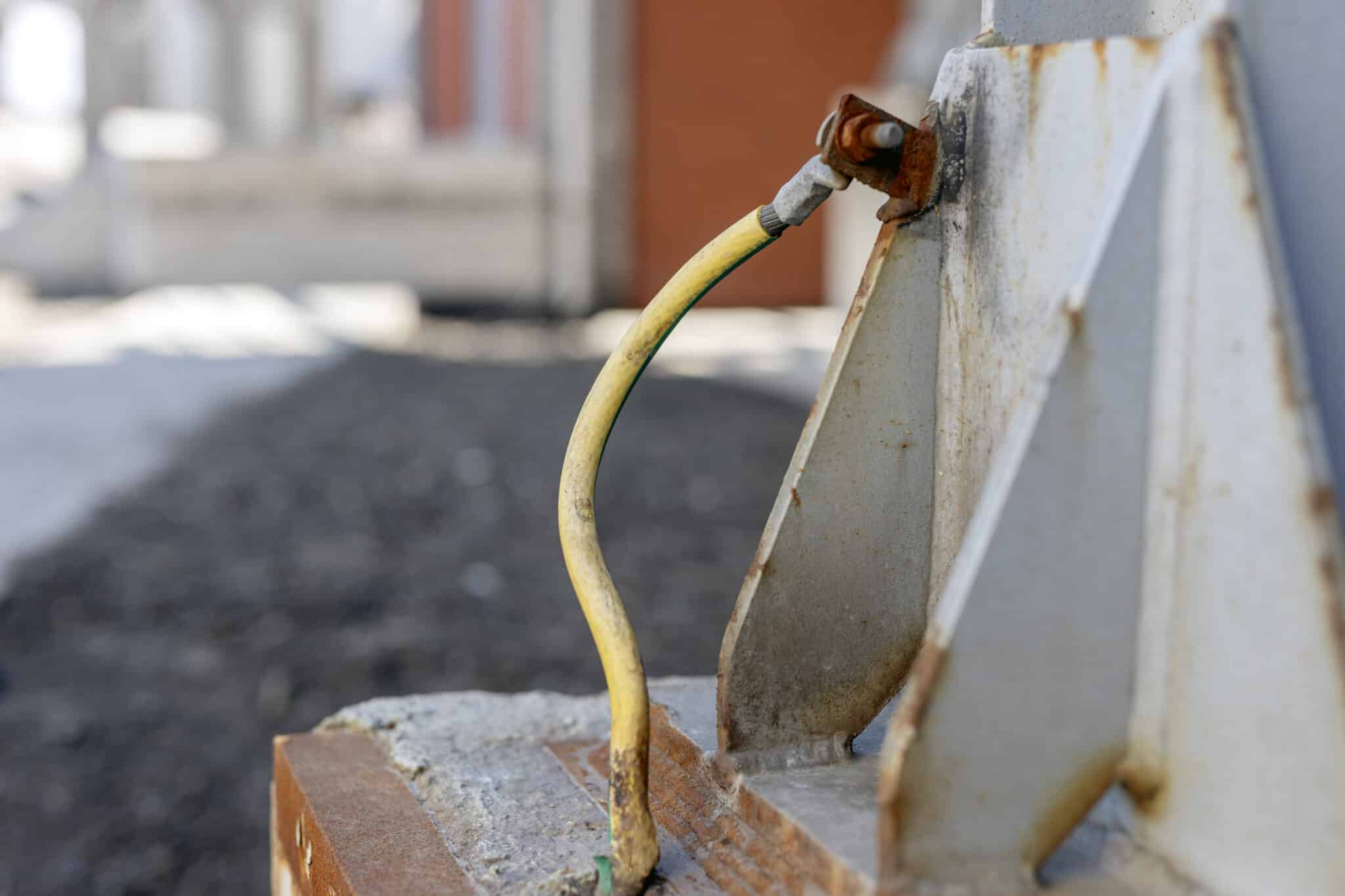
During ground rod testing, electricians often find loose or corroded connections at the grounding electrode. These issues prevent electricity from flowing safely into the earth and increase shock risk. In Rosenberg, many older homes develop corrosion over time, especially in damp soil conditions. Prompt repairs restore the effectiveness of the grounding system and keep families safe.
Another common problem is high resistance readings caused by poor soil contact around the rod. Clay or rocky soil in Richmond, TX, can limit the rod’s ability to dissipate electricity. Electricians may recommend adding moisture or installing additional rods to improve grounding. These solutions ensure the home remains protected during electrical surges or storms.
Sometimes, ground rod testing reveals damaged or undersized rods that no longer meet safety codes. Physical damage from landscaping or construction can weaken the electrode’s performance. Electricians replace or upgrade these rods to maintain compliance and safety. Regular inspections help catch these issues before they lead to electrical hazards.
Improper bonding between the ground rod and electrical panel is another issue found during testing. A weak bond can interrupt the safe path for electricity, putting appliances and people at risk. Electricians correct these faults to restore a continuous and secure connection. Ongoing ground rod testing helps prevent these problems from returning and supports long-term electrical safety.
Ensuring Code Compliance with Ground Rod Testing
Ground rod testing is a critical step in ensuring every home meets the latest electrical codes. Electricians follow strict guidelines to verify that grounding systems provide reliable protection. In Rosenberg, homeowners trust professionals to document each test and address any code violations quickly. This attention to detail keeps properties safe and up to standard.
Accurate ground rod testing helps avoid costly penalties and failed inspections. Electricians check that resistance levels fall within code requirements for maximum safety. If readings are too high, they recommend immediate repairs or upgrades. Richmond, TX, residents benefit from this proactive approach to electrical compliance.
During each visit, electricians keep detailed records of ground rod testing and any corrective actions taken. These reports are valuable during home sales or insurance reviews, proving the electrical system is up to code. Homeowners gain confidence knowing their investment is protected by thorough documentation. Regular testing ensures long-term code compliance and peace of mind.
Code requirements can change over time, but ground rod testing keeps your system current. Electricians stay informed about local updates and adjust their methods as needed. This commitment to ongoing education means your home remains safe under the latest standards. Trusting experts for regular testing supports a secure and compliant electrical foundation.
Professional vs. DIY Ground Rod Testing
Ground rod testing requires skill and the right equipment to ensure accurate results. Many homeowners consider DIY methods, but these often lack the precision of professional testing. Without proper tools, it’s easy to miss hidden issues that could compromise safety. In Rosenberg, electricians have the training to detect problems that might go unnoticed during a DIY inspection.
Professional ground rod testing includes thorough checks and detailed documentation. Electricians use calibrated meters and follow strict procedures for every test. This approach guarantees that your grounding system meets local codes and offers full protection. Homeowners in Richmond, TX, benefit from the expertise and reliability that professionals provide.
Attempting ground rod testing without experience can lead to errors or incomplete results. DIY tests may overlook corrosion, loose connections, or incorrect resistance levels. These oversights increase the risk of electrical hazards in your home. Relying on a qualified electrician ensures every aspect of your grounding system is properly assessed.
Choosing professional ground rod testing brings peace of mind and long-term safety. Electricians address any issues right away and explain their findings in clear language. This transparency helps homeowners understand the importance of reliable grounding. Trusting experts with this task supports a safer and more secure electrical system for your family.
Frequently Asked Questions
What is ground rod testing and why is it important?
Ground rod testing checks if your home’s grounding system safely directs electricity into the earth, reducing shock risk. Electricians use specialized tools to measure resistance and ensure the ground rod meets safety standards. Reliable ground rod testing helps prevent electrical hazards and protects your appliances from power surges. Regular testing keeps your home compliant with electrical codes and ensures long-term safety for your family.
How often should ground rod testing be performed at home?
Electricians recommend ground rod testing every three to five years to maintain a safe and effective grounding system. Extreme weather, soil changes, or home renovations can affect grounding, so more frequent checks may be needed. Regular ground rod testing ensures your system continues to meet electrical code requirements and reduces shock risk. Scheduling routine inspections gives homeowners peace of mind and helps prevent electrical hazards before they occur.
What tools are needed for reliable home grounding tests?
Electricians use a ground resistance tester for accurate ground rod testing, ensuring your home’s grounding system meets safety standards. This device measures resistance between the ground rod and earth, revealing any issues with conductivity. Additional tools like clamp meters and soil probes help verify connections and assess soil conditions around the rod. Together, these tools allow for thorough ground rod testing and reliable protection against electrical hazards.
What are common signs of poor home grounding?
Flickering lights, frequent breaker trips, or mild shocks from outlets often signal poor grounding in your home. Unusual buzzing sounds or burning odors near electrical panels can also indicate grounding issues. Ground rod testing helps electricians identify these problems and confirm your grounding system works properly. Prompt testing and repairs protect your family and keep your electrical system safe and reliable.
Can I perform ground rod testing myself or hire a professional?
While some homeowners attempt ground rod testing, it requires specialized equipment and electrical knowledge for accurate results. A licensed electrician understands local codes and ensures your grounding system meets safety standards. Professional ground rod testing also detects hidden issues that untrained eyes might miss. Hiring an expert keeps your home safe and compliant with electrical regulations.