





Key Takeaways About Motion Sensor Lights
Motion sensor lights detect movement and switch exterior lighting to improve safety and save energy. This guide helps homeowners and property managers pick sensors and settings when reliability and wiring matter.
- Identify the correct sensor type for each detection zone.
- Prevent false triggers by adjusting sensitivity and aim.
- Avoid wiring errors by using weatherproof boxes and connectors.
- Spot coverage gaps with walk tests and recorded activation logs.
- Reduce nuisance activations by trimming vegetation and shielding sensors.
- Plan upgrades with a professional for load and grounding checks.
Introduction
Motion sensor lights can stop surprises at your property by reducing dark spots and unexpected entry points. Homeowners often notice uneven coverage, false triggers, or lights that fail at night. These failures create safety concerns for families and increase energy waste from lights left on. In Katy, TX properties a reliable setup matters for both security and utility bills.
Choosing the right sensor type affects how lights respond to people, pets, and vehicles approaching a home. Passive infrared, microwave, and dual-technology sensors behave differently around shrubs, driveways, and porches. Wrong sensor placement leads to constant activation or dead zones that leave areas unlit. That unreliable behavior undermines the security purpose of motion sensor lights.
Wiring and power choices also drive long term reliability and safe operation of exterior fixtures. Poorly protected connections, overloaded circuits, or absence of proper grounding can cause flicker or failure under weather stress. A professional will check the circuit breaker, junction box, and grounding conductor during inspection. Addressing wiring issues reduces nuisance trips and improves consistent light performance.
Settings such as sensitivity, time delay, and dusk to dawn thresholds determine how a sensor reacts at different hours. Misadjusted sensitivity creates false alarms from trees or small animals while improper delay leaves areas dark too quickly. For homeowners in Pearland and surrounding neighborhoods, consistent lighting means clearer surveillance and fewer surprises. If you notice frequent false triggers, flicker, or dead spots, contact a licensed electrician for a proper diagnosis.
How Motion Sensor Lights Work And Why It Happens
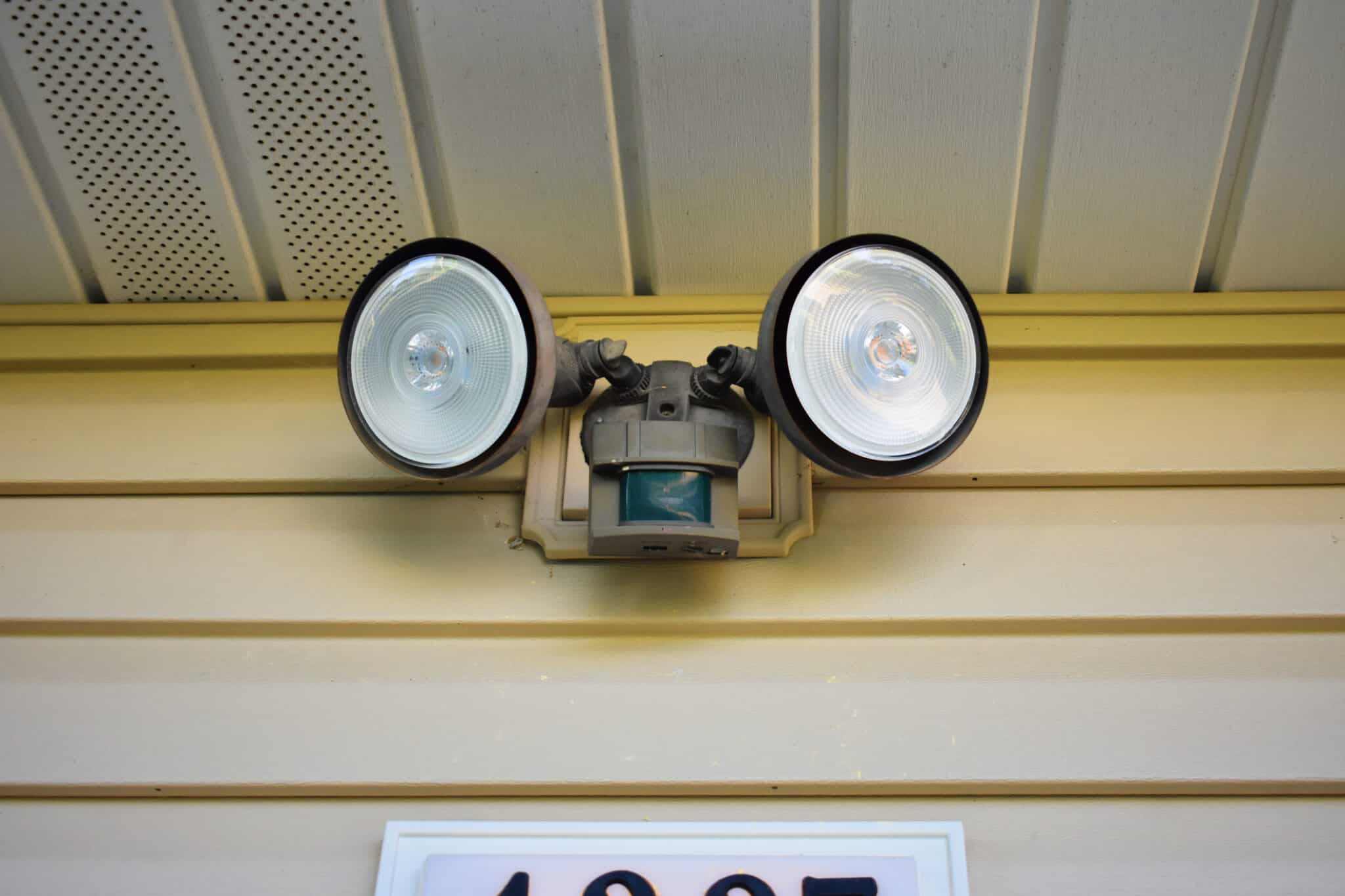
Motion sensor lights are devices that detect movement and switch lighting on to improve security and save energy. They use sensors to spot changes in infrared energy, radar reflections, or both, then trigger a light fixture. Homeowners ask whether sensors work in rain and snow, many sensors function in light weather but need weatherproof housings for wet conditions. A quick way to tell if a sensor sees motion is to walk across its coverage while the power is on and watch for activation.
- PIR sensors detect body heat.
- Microwave sensors use radio waves.
- Ultrasonic sensors detect sound and motion.
- Dual sensors combine two methods for fewer false triggers.
PIR sensors react to warm bodies crossing their field and stay off for static heat sources. Microwave sensors emit radio waves and trigger on moving objects, including through thin materials. Dual-technology sensors require both methods to trigger, which cuts down false activations from wind-blown branches. For many homes, choosing dual sensors reduces nightly nuisance activations while keeping intended detection reliable.
Typical failure patterns include no response, constant on, or frequent short activations that drain power. A professional diagnosing recurring failures will inspect the fixture, junction box, and grounding conductor for loose connections or corrosion. They will use a voltage reading at the fixture and check the circuit breaker and GFCI for trips or faults. Photocell faults often mimic sensor failure when ambient light keeps the fixture from switching on at dusk.
For homeowners comparing models, consider coverage angle, detection range, and mounting height relative to intended targets. If you want more detail on models and installation basics, see the discussion at motion sensor lights. In Pearland and on properties in Katy, TX, correct sensor choice and placement reduce false alerts and improve nighttime visibility. If wiring or persistent false triggers worry you, contact a licensed electrician for a focused inspection and safe repairs.
Best Sensor Types For Security And Energy Savings
Passive infrared sensors work well for spotting people and warm animals because they respond to changes in heat. They use a lens and sensor element to compare infrared levels across the scene. PIR units tend to use less power and have fewer nuisance triggers from small wind-driven objects. Homeowners often prefer PIR for porches and entryways where clear human detection matters.
Microwave sensors use radio waves to detect motion and can cover larger areas than PIR alone. These sensors work through thin materials and can detect movement behind light foliage or lattice. They are more likely to trigger from vehicles or moving branches, so homeowners should weigh coverage needs against false activation risks. Combining microwave with proper mounting reduces blind spots near driveways on properties in Katy, TX.
Dual-technology sensors require both PIR and microwave confirmation before switching lights on, which cuts false triggers significantly. They add complexity but provide a good balance when installed where animals, traffic, or reflective surfaces cause issues. A professional will inspect lens alignment, wiring in the junction box, and test both sensor channels to confirm proper operation. Diagnostic steps include a voltage reading at the fixture and observing activation with controlled test movements.
Photocells and dusk-to-dawn controls help save energy by preventing daytime activation, but they must match the sensor type to avoid conflicts. Adjustable sensitivity and time-delay settings let you tune the sensor for local conditions without rewiring. If a homeowner needs model guidance or wants an installation quote, the blog on motion sensor lighting covers practical options and trade-offs. For lingering doubts or safety concerns, contact a licensed electrician familiar with residential fixtures in Pearland for an on-site check.
Ideal Placement Strategies For Maximum Coverage
Place sensors to cover arrival paths and likely approach vectors rather than aiming at wide open space, which wastes detection capacity. Mount sensors at heights that match the expected target height to improve detection and reduce ground-level false triggers. Aim PIR sensors slightly downward to limit sky and distant heat sources from creating false activations. When using multiple fixtures, stagger sensors so their fields overlap a little instead of lining up edge to edge.
For driveways, position sensors to detect lateral movement along the vehicle path rather than directly head-on where range can be inconsistent. Avoid pointing microwave-only sensors at busy streets to reduce nuisance triggers from passing cars. Where sightlines are blocked by landscaping, use a secondary sensor placed to cover the gap and confirm motion before lighting engages. A professional can test coverage with recorded footage or a photo showing activation zones for verification.
At entry doors and porches, keep sensors within three to eight feet of the doorway for reliable human detection without tripping from distant heat sources. Use lower sensitivity and narrower detection cones in these zones to prevent activation from passing pedestrians on a sidewalk. Install sensors away from vents, HVAC discharge, or reflective glass that can confuse PIR elements. If coverage still misses a spot, swapping to a dual-technology sensor often resolves intermittent detection problems.
For corner mounting, position the sensor so its long axis follows the approach route to catch movement along the length of the property rather than across it. Check that the chosen fixture has weatherproofing for the mounting location and protected wiring inside a junction box. During a diagnostic visit, a technician will perform a voltage reading at the fixture and walk the area to map dead zones and oversensitive sectors. For broader planning and fixture examples, homeowners can review guidance on outdoor security lighting, and consider local conditions in Pearland and typical layouts in Katy, TX when finalizing placement.
Wiring Basics Homeowners Should Know And When To Act
Exterior wiring must use weatherproof junction boxes and rated cable to keep connections dry and safe. Use a voltage reading at the fixture to confirm power rather than guessing from a flicker. Ensure the circuit includes a properly sized circuit breaker and that nearby outlets use GFCI protection. If grounding conductor condition is unclear, have a pro verify continuity and bonding at the panel.
- Use outdoor-rated cable only.
- Keep junction boxes accessible.
- Secure all wire nuts and clamps.
- Label the circuit at the panel.
Many homeowners can replace a bulb or swap a fixture without rewiring, but changing sensor type often requires wiring changes. Switching from a basic fixture to a sensor with a separate photocell or timer can need a neutral or an extra conductor. A professional will check for a neutral in the junction box and test for shared neutrals affecting other circuits. If you notice flicker when multiple fixtures activate, it may indicate a shared neutral or an overloaded circuit.
Loose or corroded connections show up as intermittent operation, buzzing, or heat at the fixture and should prompt action. During diagnosis, a technician will perform a continuity test and measure voltage under load at the fixture and panel. They may open the junction box to inspect wire nut tightness, conductor insulation, and the grounding conductor termination. If corrosion or water intrusion is present, replacement of the fixture and box with proper sealing is the safest repair.
For retrofit installs, ensure the existing box can support the new fixture’s weight and mounting pattern before drilling. If routing new cable is needed, professionals use conduit and staples to protect runs and meet box fill requirements. Homeowners in Pearland should plan for a short inspection if unsure about box condition or run protection. For planning help and fixture examples, review the guidance on outdoor lighting and consult a licensed electrician experienced with residential setups in Katy, TX.
Common Causes Of False Triggers And How To Fix
Wind-blown vegetation and nearby traffic often cause unwanted activations when sensors sit too close to moving shrubs or a roadway. Trim branches and relocate plantings that enter a sensor’s field to reduce false activations from leaves or small animal movement. If trimming does not help, a technician can adjust the sensor’s detection pattern or swap to a different lens to tighten the coverage cone. Homeowners in Pearland sometimes solve repeated nuisance triggers simply by moving the fixture three to six feet laterally.
Reflections from windows, shiny siding, or car headlights can create sudden heat or light changes that confuse some sensors. Reposition the sensor away from reflective surfaces and aim it so glare does not cross its field during typical vehicle approaches. Installing a hood or small shield over the sensor can block incidental reflections without changing wiring. For complex glare issues, consider a model change or professional evaluation through smart-home device installation options for coordinated control.
Improper sensitivity settings commonly cause frequent short activations from insects, birds, or nearby pets moving through the detection area. Reduce sensitivity and lengthen the time delay in small steps while testing to balance detection and nuisance control. If your sensor uses PIR alone and still trips, switching to a dual-technology unit often separates insect and thermal noise from true human movement. A pro can perform diagnostic checks using a voltage reading and observed activation logs to confirm whether settings or hardware need changing.
Electrical noise from shared circuits, loose neutrals, or corroded connections can mimic false triggers by causing flicker or unintended resets. Inspect the junction box for tight wire nuts and clean ground connections, and measure voltage under load to reveal unstable supply. Corrosion or water intrusion may require replacing the fixture and box with a weather-rated alternative such as those listed among outdoor lighting fixtures. If intermittent electrical causes are suspected, hire a licensed electrician to run continuity tests and repair the panel wiring on properties in Katy, TX.
Optimal Settings For Reliability And Nighttime Safety
Start by setting sensitivity low enough to ignore small animals but high enough to catch a walking adult approaching a doorway. Test adjustments at night with a friend making typical approach paths and note where the sensor fails or overtriggers. If motion sensor lights still activate from distant traffic glare, reduce the detection angle or install a small shield over the sensor window. For complex installs, a professional can confirm settings and recommend a different lens pattern for better nighttime behavior.
Time-delay controls should match the location: short delays near pathways so lights reset quickly, and longer delays for driveways to keep vehicles lit while parked. Change the delay in small steps and record results across several nights to capture different traffic patterns and animal activity. Use the sensor’s manual override sparingly to avoid leaving fixtures on for long periods, which defeats the energy-saving purpose. When auto modes behave inconsistently, technicians check voltage stability and circuit loads as part of a diagnosis.
Photocell thresholds must align with local dusk levels so lights do not come on during twilight when neighbors are still moving about. Adjust the photocell so it activates after true darkness for reliable nighttime safety without daytime false on cycles. If your fixture combines a photocell and motion sensor, make sure the photocell does not prevent motion response during dusk tests. A pro can test the photocell and motion channel separately using a voltage reading and simulated ambient light changes.
For smart-enabled sensors, schedule rules that reduce nuisance activation during predictable times like garbage pickup or late-night street activity. Use zoning in the smart app to exclude vehicle lanes while keeping walkways active, improving both security and energy use. Record a short activation log or video clip during testing so a professional can match symptoms to settings changes. If settings adjustments do not fix issues, consider replacing the sensor with a model proven for residential exterior reliability and consult a licensed electrician for proper installation guidance.
Preventive Maintenance Tips To Extend Lifespan
Inspect lenses and sensor windows every three months to remove dust, cobwebs, and insect residue that reduce sensitivity. Wipe housings with a damp cloth and check seals for cracking or hardening from sun exposure. Replace silicone gaskets or foam seals showing wear to prevent moisture intrusion and corrosion at electrical contacts. If you notice persistent condensation inside the fixture, schedule a professional inspection to evaluate the junction box and fixture integrity.
- Check mounting screws for tightness.
- Confirm seals are intact at joints.
- Clean lenses with a nonabrasive cloth.
- Test motion activation after cleaning.
Test activation and time-delay settings seasonally to match changing foliage and human traffic patterns around the property. Record a short activation log or take photos during tests to compare performance over time and spot gradual declines. During each check, observe whether the fixture flickers or hums, which can indicate loose connections or voltage instability. If electrical symptoms appear, have a licensed electrician perform a continuity test and load voltage reading at the fixture and panel.
Inspect wiring and junction boxes annually for corrosion, pest damage, or water entry that shortens component life. Ensure wire nuts are tight and that grounding conductor terminations remain secure and free of rust. Replace any weather-damaged cable with outdoor-rated conductors and reseal boxes with silicone-rated caulk after repairs. For homeowners planning upgrades that change load profiles, consult lighting load calculations to confirm circuit capacity before adding fixtures.
Rotate bulbs and test lamp sockets during routine maintenance to prevent sudden failures from old filaments or loose bases. Prefer LED replacements rated for enclosed fixtures and outdoor use to reduce heat and extend lifespan compared with other lamp types. Keep spare compatible bulbs and a basic tool kit accessible so small fixes do not delay repairs at night. If motion sensor lights repeatedly fail after bulb replacement, ask a professional to inspect the sensor module and control wiring for hidden faults.
When To Call A Professional For Sensor Issues
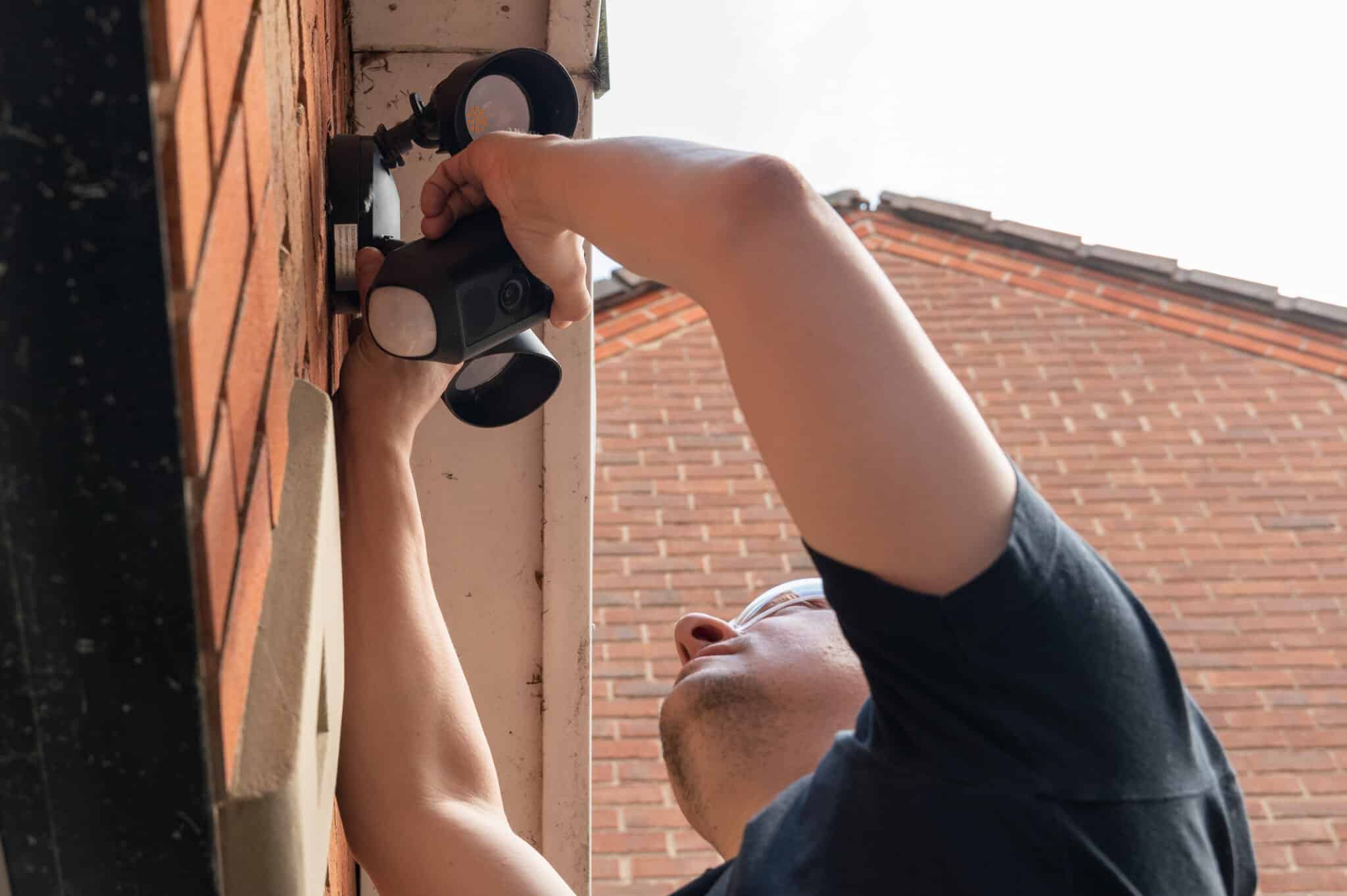
If lights repeatedly fail to respond after you try basic troubleshooting, call a licensed electrician to diagnose underlying faults. A professional will perform a continuity test and take a voltage reading at the fixture and panel. They will inspect the junction box, grounding conductor, and look for water intrusion or corroded connections requiring repair. For safety reasons, complex electrical faults should not be handled by homeowners without proper training.
When sensors trigger erratically at specific times or only in certain weather, a technician will recreate conditions and monitor activation logs with you. They may use an infrared camera or handheld meter to spot thermal sources or voltage swings causing false triggers. If sensor replacement is needed, the electrician will check the neutral and conductor count in the box before swapping in a new unit. Proper testing helps prevent repeated callbacks and confirms the chosen sensor type will suit the location.
If you plan to add multiple fixtures or change sensor types, consult a professional to evaluate circuit capacity and load balancing before installation. An electrician will run a load calculation and inspect breakers and shared neutrals to avoid overloads and nuisance trips. They can also upgrade the junction box or install conduit to protect new runs and meet local safety practices. For homeowners wanting a full security layout and installation, review professional security lighting services and options with an electrician familiar with residential needs.
Call a pro immediately if you observe buzzing, burning smells, or visible sparking from an exterior fixture, as these signs indicate hazardous wiring problems. Technicians will isolate the circuit, test for loose connections, and replace damaged cables or fixtures to eliminate fire risk. In less urgent cases, schedule a diagnostic visit to collect photos, voltage readings, and activation test results for a written repair plan. Homeowners in Pearland and properties in Katy, TX often find this approach prevents small issues from becoming safety hazards.
Frequently Asked Questions
Which sensor type best reduces false alarms with motion sensor lights?
Passive infrared sensors (PIR) generally produce the fewest false alarms by detecting body heat rather than small movements. Dual-technology sensors combine PIR with microwave sensing to confirm detections and further reduce nuisance triggers. Proper aiming and mounting height also matter to avoid moving branches and passing cars setting off Motion sensor lights. If wiring or sensor placement involves rooftop or ladder work, exercise caution and hire a professional electrician.
Where should I place motion sensor lights for driveway coverage?
Mount lights at the top of the garage or a roof eave aimed down the driveway to cover approach paths and vehicle space. Place a secondary sensor near the property line to catch movement before vehicles enter the driveway. Keep sensors 6 to 10 feet high for reliable detection and avoid nearby heat sources or reflective surfaces that trigger false alarms. If wiring runs outside or near electric panels, use a licensed electrician to install and verify grounding and connections for safety.
How do I diagnose wiring issues causing flicker or intermittent operation?
Start by observing when flicker or intermittent operation occurs, noting time, weather, and nearby appliance use to find patterns. Check visible components like the fixture, junction box, and conduit for loose wires, burn marks, or corrosion without touching energized parts. Use a non-contact voltage tester and a multimeter to confirm steady voltage at the fixture and continuity at the switch, and record readings for a professional. If you suspect loose connections, repeated trips, or arcing, stop and call a licensed electrician because these risks can cause fire or shock.
What sensitivity and delay settings stop animal triggers at night?
Lower the sensitivity to a mid or low setting so small animals like cats or raccoons typically don’t trigger the beam. Use a short detection range and narrow angle where possible to focus on human-sized movement farther from landscaping. Set the light delay to 10–30 seconds so brief animal movements don’t keep lights on all night. If adjustments don’t stop false triggers, contact a professional electrician to inspect sensor type, wiring, or mounting height for safer, reliable operation.
Do photocells and motion sensors conflict on dusk-to-dawn fixtures?
Photocells and motion sensors can conflict when both control dusk-to-dawn fixtures, causing lights to behave unpredictably at night. Photocells turn lights on with low ambient light while motion sensors switch lights based on movement, and their logic can overlap. A qualified electrician can inspect the fixture wiring, test photocell and sensor outputs, and recommend wiring or control changes. If you see flickering, lights staying off, or unexpected on/off cycles, stop and call a professional to avoid electrical hazards.