





Key Takeaways About Surge Risk Assessment
Surge risk assessment evaluates how surges travel into a home and where protection is needed. This guidance is for homeowners and property managers who notice repeated equipment issues or live where storms and utility work cause concern.
- Identify where power and data lines enter the building.
- Prevent surge damage by improving grounding and bonding connections.
- Avoid misplaced SPDs by matching device location to grounding paths.
- Spot early signs like burning smells flicker lights and reset devices.
- Reduce residual voltage with short bonding jumpers and proper terminations.
- Plan layered protection with whole-home and point-of-use devices.
Introduction
Surge risk assessment matters because sudden voltage spikes can damage appliances and the service panel in a home. Lightning strikes and grid disturbances create high-energy surges that travel along power lines and wiring. Poor grounding and misplaced surge protective devices let that energy reach sensitive electronics. Homeowners often only notice the damage after a fridge, HVAC control board, or breaker fails.
Assessing surge exposure means looking beyond single devices to the whole electrical path into the house. You need to know where surges can enter, how the grounding system behaves, and where an SPD will do the most good. Visible signs like scorch marks, tripped breakers, or recurring electronics failures point to a bigger problem. In areas near Tomball, TX homeowners report storms and older infrastructure that make assessment worthwhile.
Grounding quality directly affects how surge energy is diverted away from equipment and occupants. A poor grounding conductor or loose connection raises the risk that surge energy will travel through appliances. Surge protective device placement must match those grounding realities to reduce stress on breakers and circuits. For properties in Rosenberg, TX the same principles apply to prevent repeated equipment replacement.
Professional assessment combines observation and measurement to confirm exposure and plan protection upgrades. An electrician will inspect service panels, grounding conductors, and likely SPD mounting locations during the evaluation. They use voltage and continuity checks and document findings with photos and written notes. Acting on a clear assessment reduces the chance of costly, unpredictable failures.
Understanding Surge Risk Assessment And Causes
Surge risk assessment is the process of evaluating how likely electrical surges will reach and damage a building’s wiring and equipment. Assessments look for entry points where surges travel, such as the service entrance, cable lines, or telephone and data lines. A clear homeowner question is whether my appliances need protection now, and an assessment answers that by comparing exposure to current protection. Professionals judge urgency by frequency of nearby lightning, grid instability, and recorded equipment failures at the property.
- Identify where power enters the structure.
- Check bonding and grounding conductor condition.
- Inspect service panel layout and available spaces.
- Locate sensitive electronics and their wiring paths.
- Review past incidents and reported device failures.
Assessors examine specific components such as the service panel, grounding conductor, and junction boxes to map surge pathways. They check continuity of the grounding conductor and measure resistance where accessible using standard meters. Visible clues like burn marks on the panel buss, melted insulation, or repeatedly tripped breakers tell an inspector where to focus next. A common homeowner question is whether surge protective devices near the meter help, and the answer depends on measured grounding resistance and panel layout.
Surge causes include external grid events and nearby lightning, but internal switching transients also matter when large motors start. Evaluators note appliances with motors or large inductive loads that generate switching spikes and can weaken protection over time. In many houses, SPD placement must consider the grounding conductor length and bond points to avoid ringing or residual voltage. For more on types and mounting locations of protective gear, see the article about surge protective devices for practical examples.
During diagnostics, a professional documents symptoms and performs simple confirmatory checks before recommending changes. They will record voltage readings, take photos of loose or corroded connections, and test continuity between panel and ground rod or electrode. Based on those findings, they decide whether whole-home SPD installation, point-of-use protectors, or grounding improvements will reduce risk. Homeowners in Tomball, TX and Rosenberg, TX should keep these inspection steps in mind when planning a surge risk assessment.
How Lightning And Grid Events Create Surges
When lightning strikes near a service line it creates a fast, high-voltage pulse that travels along conductors toward the house. That pulse couples into cables and metal piping, creating brief but very high energy at points where wiring changes impedance. Grid events send slower, often higher-energy surges from utility switching or equipment failure through the same entry points as lightning. Both types can follow power, cable, or phone lines and then spread through branch circuits to sensitive electronics.
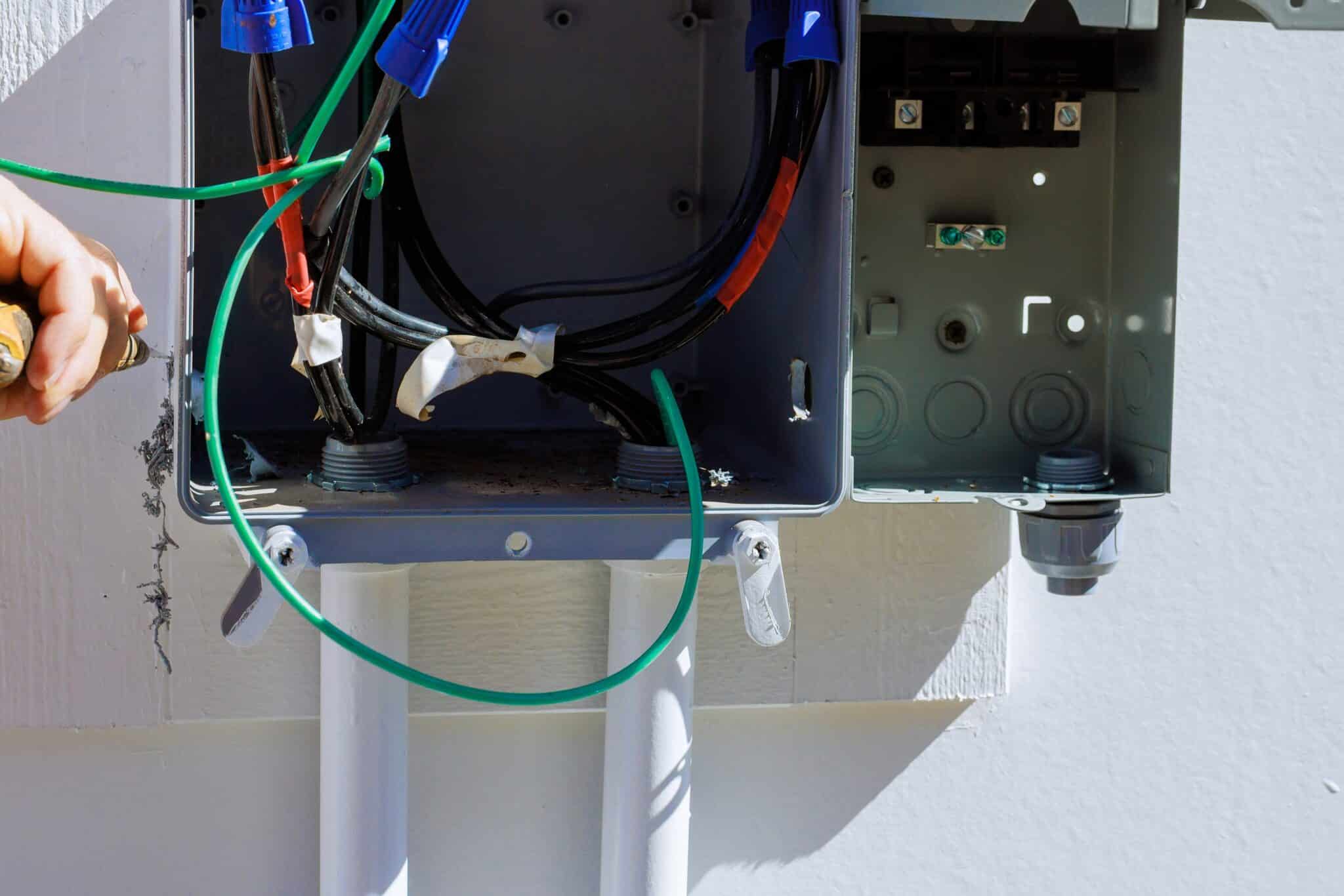
As surge energy moves into a building it seeks low-impedance paths to ground and to other conductors. At junctions, meters, or panel lugs the energy can concentrate and cause arcing, melted insulation, or blown circuit components. The length and routing of the grounding conductor affect how quickly and cleanly that energy is diverted away from equipment. A proper surge risk assessment checks these paths and inspects termination points for tight connections and minimal loop length.
Voltage difference between grounded conductors and exposed metal can create damaging currents during a surge event. Bonding between the service neutral, grounding electrode, and any cable or phone ground reduces those differences and limits equipment stress. An assessor looks for separate bonding points or long bonding runs that could let damaging voltage develop during a surge. They may recommend relocating an SPD or adding a local bonding jumper near the panel to shorten surge paths and reduce voltage rise.
Professionals confirm surge sources by correlating device failure timing with recent storms or utility work and by measuring continuity and resistance in grounding systems. They use voltage readings, continuity tests, and photos to document weak points and explain recommendations. For homes weighing whole-home protection versus point-of-use devices, a clear report helps homeowners decide how to proceed with upgrades and installation. Homeowners can reference a detailed guide when considering a whole-home surge protector as part of their protection plan.
Why Grounding Matters How It Protects Circuits
Good grounding gives surge energy a defined path away from equipment, reducing the chance of voltage differences that damage electronics. Inspectors check grounding conductor attachment points, electrode continuity, and visible corrosion to confirm a low-impedance route. A professional will measure resistance and continuity and compare readings to expected behavior rather than rely on appearance alone. Homeowners can notice loose meter covers or rusted connectors that deserve a measured check.
Tight connections matter because a loose ground can turn a transient into a destructive arc at a panel lug or appliance chassis. During a diagnostic, an electrician will perform continuity tests between the neutral, grounding electrode, and panel enclosure to find high-resistance joints. They also look for long grounding loops that let surge currents develop voltage along branch circuits. If tests show elevated resistance, the fix often involves shortening or replacing the conductor and reterminating with proper hardware.
Bonding other metallic systems to the electrical grounding network reduces step and touch potential during surges and limits equipment stress. Inspectors confirm bonds at water piping, cable TV, and phone entrance points to ensure all bonded conductors have low-resistance paths. Proper bonding shortens the circuit a surge would otherwise use through appliances or panel components. For panels, evaluators also consider the panel’s surge rating and compatibility when recommending an SPD location.
Deciding SPD placement depends on grounding performance and measured surge paths, not only convenience or available space. A technician will record voltage readings and photos, then recommend mounting the SPD as close to the service or load it protects as grounding geometry allows. That diagnostic helps determine whether a device belongs at the main panel or at individual subpanels near critical loads. Homeowners should request a written report with measurements and suggested SPD positions after an assessment, and can compare panel options like surge ratings in the linked guidance to make decisions.
Identifying Warning Signs Of Surge Exposure Early
Early clues often show up at specific appliances and at the service panel with subtle signs homeowners can notice. Look for appliances that fail shortly after storms or display flickering lights before a complete failure. Smells of ozone or burnt plastic near outlets or the panel deserve immediate attention and a professional check. An electrician will compare those reports to meter readings and connection photos during a surge risk assessment.
- Frequent unexplained breaker trips.
- Burn marks on outlet faces or cords.
- Repeated electronic device malfunctions.
- Unusual buzzing from the panel enclosure.
Inspectors use simple diagnostic steps to confirm whether those symptoms come from surges or other faults at the property. They will record voltage at receptacles and at the panel during normal load and under controlled load conditions. Continuity tests between the grounding conductor and electrode help reveal high-resistance joints that raise surge vulnerability. Photos and measured readings form the basis of recommendations for corrective grounding or SPD placement.
For example, a homeowner notices their smart thermostat and router restart after every heavy storm and sometimes hear a pop from the panel. A technician would look for melted insulation, test neutral-to-ground voltage, and check bonding continuity next. If measurements show transient spikes or poor grounding continuity, the assessor documents causes and suggests targeted fixes rather than blanket replacements.
Choosing And Placing Surge Protection Devices Effectively
Start by matching the SPD type to the service arrangement and expected surge energy, considering both fast lightning pulses and slower utility events. Professionals compare SPD nominal discharge current ratings and response time to the measured exposure during a surge risk assessment. They prefer devices listed by recognized test labs and select enclosures that fit the panel layout without obstructing breakers. Homeowners in Tomball, TX should ask for the SPD spec sheet and a clear explanation of its expected protection level.
Placement matters because the protective device must create a short, low-impedance path to the existing grounding system to work effectively during a surge. Technicians aim to mount a Type 1 or Type 2 SPD as close to the service disconnect or main lug as allowed by panel spacing and wiring rules. They measure the conductor length from SPD to the grounding electrode and avoid long bonding runs that raise residual voltage during discharge events. If grounding improvements are needed first, the crew documents required changes and sequences installation accordingly.
For critical loads, assessors recommend layered protection with an upstream whole-home SPD and point-of-use units near sensitive electronics to limit residual transients. An electrician will inspect subpanel locations and evaluate whether local SPDs near HVAC control boards or server racks reduce risk more than a single device at the main panel. During the diagnostic, they test continuity from subpanel enclosures back to the main grounding electrode and note any elevated resistance that weakens SPD performance. This approach balances equipment cost, installation complexity, and measured surge pathways.
Professionals confirm final placement with simple checks after installation to ensure the SPD clamps and grounds function as intended under test conditions. They record voltage readings, continuity tests, and photos in the written report used to verify proper bonding and device termination. For more background on grounding improvements that may be required before SPD installation, review the electrical grounding guidance at electrical grounding. In Rosenberg, TX properties, these confirmation steps help homeowners decide whether layered protection is necessary for sensitive systems.
When To Call A Professional For Surge Risk Assessment
Call licensed electricians in Rosenberg, TX when you observe repeated unexplained equipment failures or signs suggesting damage beyond a single device. A professional assesses circuit breaker behavior, insulation condition, and neutral-to-ground voltage to confirm surge-related issues. They will use voltage readings, continuity tests, and photos to document dangerous conditions before recommending changes. If you notice burning smells or visible panel damage, an on-site evaluation should happen without delay.
If a homeowner wants formal confirmation of grounding performance, a technician can perform ground rod and electrode checks not usually done by homeowners. These checks include resistance and continuity testing under controlled conditions and visual inspection of connections and clamps. For more detailed ground electrode testing procedures, ask the assessor to reference ground rod testing during the visit. The report will state whether grounding improvements are necessary before installing or relocating SPDs.
Call a pro when planning layered protection for critical systems that need coordinated SPD placement and bonding updates. The electrician evaluates subpanel runs, service conductor layout, and possible bonding modifications to ensure SPDs operate without causing residual voltage across sensitive loads. They may recommend targeted protections near HVAC controls or main panels based on measured grounding paths.
If you experience intermittent surges tied to utility work or storms, schedule an assessment to capture timing and correlate device failures with events. A technician can install temporary monitoring or take timed voltage logs to record transient activity and identify weak points. That data helps prioritize repairs or investments and supports warranty claims for damaged appliances.
Maintenance Steps To Prevent Future Surge Damage
Create a simple maintenance schedule to inspect grounding connections and SPD condition at least once a year. Check tightness of terminal screws, clamps, and visible bonding jumpers for corrosion or looseness. Note any new electronics added to the home and update protection priorities accordingly. If you smell burning or see discoloration, stop and call a professional immediately for a safety check.
- Inspect panel and SPD exterior for physical damage.
- Record neutral-to-ground voltage readings annually.
- Clean and tighten exposed grounding terminations.
- Test GFCI and AFCI devices on a schedule.
Keep a log of any transient events, including date, time, and perceived cause to spot patterns over months. Photographs of panel labels, SPD model numbers, and junctions help a technician assess changes later. Consider periodic power quality monitoring to collect objective transient data for decision making. A formal power quality audit can turn anecdotal events into measured evidence for upgrades.
When replacing or relocating equipment, verify SPD coordination with the updated load and bonding layout to avoid performance gaps. Ensure any added subpanels have clear short bonding paths back to the main grounding electrode. Ask your electrician to include recorded voltage readings and photos in the service report for future reference.
Train household members to report odd sounds, smells, or device resets promptly so issues surface quickly for diagnosis. Share the maintenance log with the electrician during visits to speed troubleshooting and reduce repeat trips. If you want objective data collection, request a power quality audit to capture transient behavior and verify mitigation effectiveness.
Practical Homeowner Checklist For Surge Risk Assessment
Start by walking the exterior where service lines, cable, and phone enter the building and note visible bonding points. Photograph the meter area, panel exterior, and any corrosion or loose clamps for the electrician to review. Record dates and times of recent storms or utility work that coincided with device failures to help correlate events. Keep those notes with panel photos to streamline the professional diagnostic visit.
Inside, identify critical equipment like refrigerators, HVAC controls, and network gear and mark their circuits on a simple diagram. Use a non-contact voltage pen and outlet tester to confirm receptacles are live and correctly wired before reporting issues. Note intermittent resets or unexplained reboots with the time of day to reveal patterns linked to grid activity. Share this diagram and symptom log with the electrician during the surge risk assessment appointment.
Check grounding accessibility and label visible grounding conductors and clamps so a technician knows where to measure continuity and resistance. If you find paint covering clamps or buried connectors, photograph and point them out rather than attempting work yourself. Request specific diagnostic checks such as neutral-to-ground voltage readings and photos of panel terminations during the professional visit. Those measurements help determine whether grounding upgrades are needed before SPD installation.
Decide on protection priorities by listing equipment replacement costs and tolerance for downtime to guide SPD placement choices during the assessment. Ask the electrician about layered protection and whether a whole-home SPD at the service makes sense for your layout and risk profile. For homeowners considering that option, review whole-house surge protector installation details during your consultation to understand location and bonding requirements. In Tomball, TX and Rosenberg, TX properties, these preparation steps speed diagnosis and improve outcome clarity.
Frequently Asked Questions
What is a surge risk assessment and why get one?
A surge risk assessment evaluates how vulnerable your home’s electrical system and appliances are to power surges from the grid or lightning. It identifies weak points like poor grounding, missing SPDs, long service leads, and shared neutrals that increase damage risk. A qualified electrician inspects panels, grounding conductors, and service entrance, and may recommend SPD placement and upgrades, do not attempt high-voltage testing yourself. If you suspect previous surge damage or live near frequent storms, contact a licensed professional to avoid shock or equipment hazards.
How do grounding issues increase surge exposure?
Poor or missing grounding raises voltage differences between metal parts and earth, letting surge currents travel through appliances and panels. Ground conductor corrosion, loose connections, or improper bond points increase impedance and reduce the path for surge energy to reach ground. Unequal grounding between utility neutral, panel ground, and equipment grounds can drive dangerous touch and step voltages during grid or lightning events. If you suspect grounding problems, exercise caution and hire a licensed electrician to test connections, continuity, and grounding electrode resistance.
Where should SPDs be placed for best protection?
Install SPDs at the service entrance (main panel) to stop large incoming surges before they reach house wiring and appliances. Place secondary SPDs at subpanels or near major loads like HVAC, water heater, or home office equipment to limit residual surge energy. For sensitive electronics, add point-of-use SPDs at outlets or power strips to catch small, fast transients close to the device. Working on panels and grounding involves shock risk, so hire a licensed electrician to evaluate locations and perform the installation.
How does a technician diagnose surge pathways?
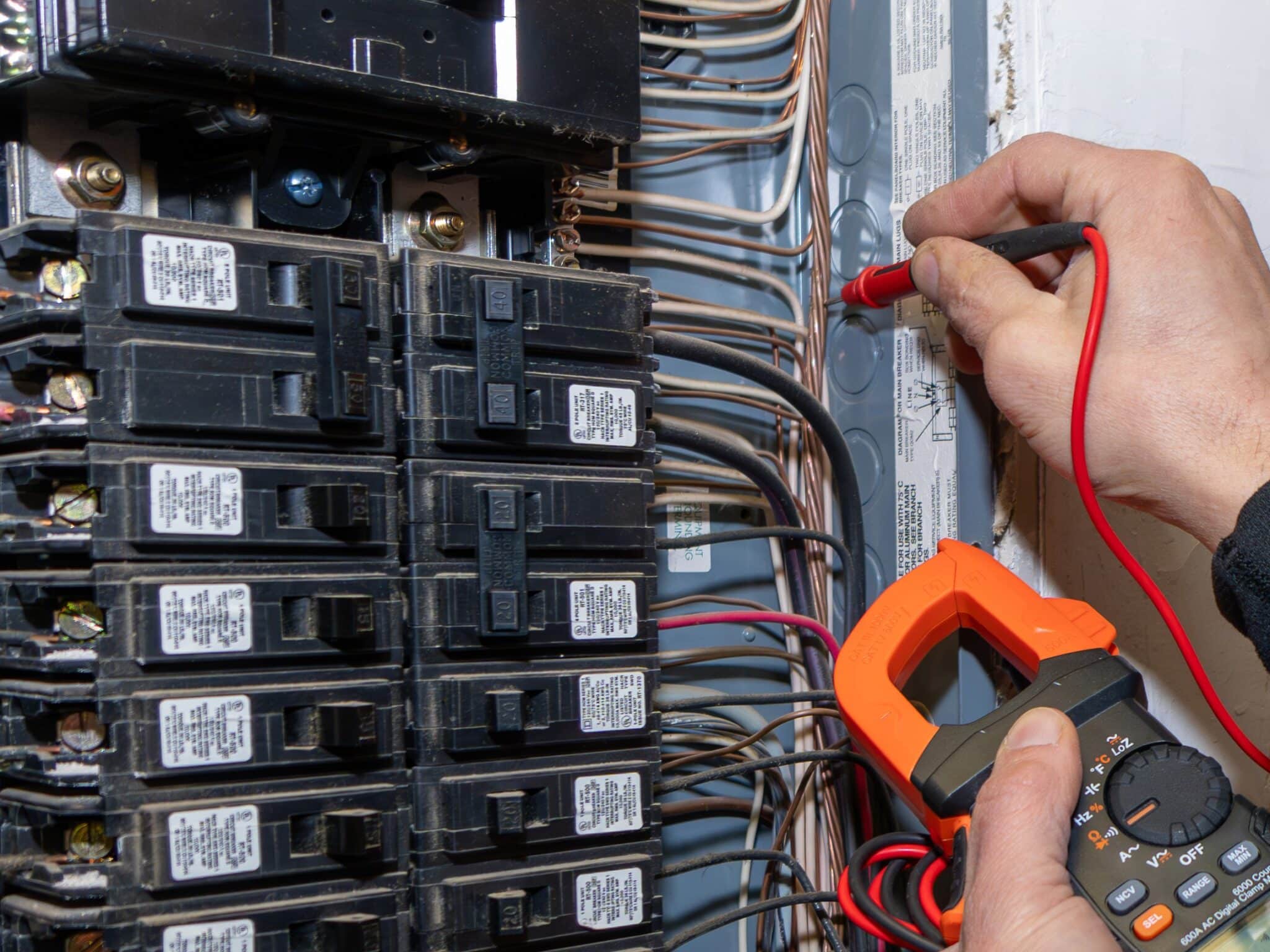
A technician traces likely surge pathways by inspecting service entrance conductors, meter connections, and the main service panel for visible damage. They use a multimeter and clamp meter to record voltage transients and neutral-to-ground potential during different load conditions. Grounding and bonding reviews include measuring ground rod resistance and checking continuity of grounding conductors, this can reveal weak paths. Work near service equipment is hazardous, so always hire a licensed electrician for testing and repairs.
What signs suggest I need a surge risk assessment?
Frequent unexplained appliance failures, flickering lights during storms, or burned outlets suggest you need a surge risk assessment. Visible scorch marks on plugs or a tripped main breaker after storms also indicate elevated surge exposure. If your home lacks a clear grounding conductor or older panels, a professional should evaluate grounding and SPD placement. For safety, avoid DIY electrical work and hire a qualified electrician to inspect and recommend protective upgrades.