





Key Takeaways About Breaker Coordination Study
A breaker coordination study shows how breakers are set so only the device nearest a fault trips. This information helps homeowners and property managers decide when to call a professional for recurring trips or before adding major loads.
- Identify which breaker should clear a given fault first
- Prevent cascading trips that cause whole house outages
- Avoid nuisance trips that mask underlying wiring problems
- Spot overheating connections with visual or thermal inspection
- Reduce risk to appliances motors and sensitive electronics
- Plan targeted panel upgrades with documented test results
Introduction
Breaker coordination study explains how electricians set circuit breakers so only the device nearest a fault trips. When breakers trip together they cause cascading outages that cut power to large parts of a home. That can shut down critical equipment and create confusion during an electrical emergency. Homeowners notice intermittent resets, repeated outages, and nuisance trips that often point to lack of coordination.
Selective clearing keeps the smallest possible portion of the system off during a fault. A properly coordinated panel isolates the fault and leaves other circuits running for safety and convenience. This reduces overheating risk in wiring that is left carrying unexpected loads. It also lowers the chance of nuisance trips that mask real problems.
Signs that your system needs a coordination study include frequent tripping and trouble identifying the problem circuit. An electrician will look at breaker types, trip curves, and load distribution to diagnose the issue. They use voltage and current readings and a visual inspection of the panel and wiring. For homeowners in Pearland or Richmond, TX these symptoms often prompt a professional inspection to prevent future outages.
Addressing coordination improves safety for appliances, motors, and sensitive electronics during faults. It also helps first responders and occupants by keeping essential lighting and alarms powered. If you notice repeated or unexplained trips contact a licensed electrician to evaluate your panel and circuits. A coordinated protection scheme can make your home electrical system more reliable and safer.
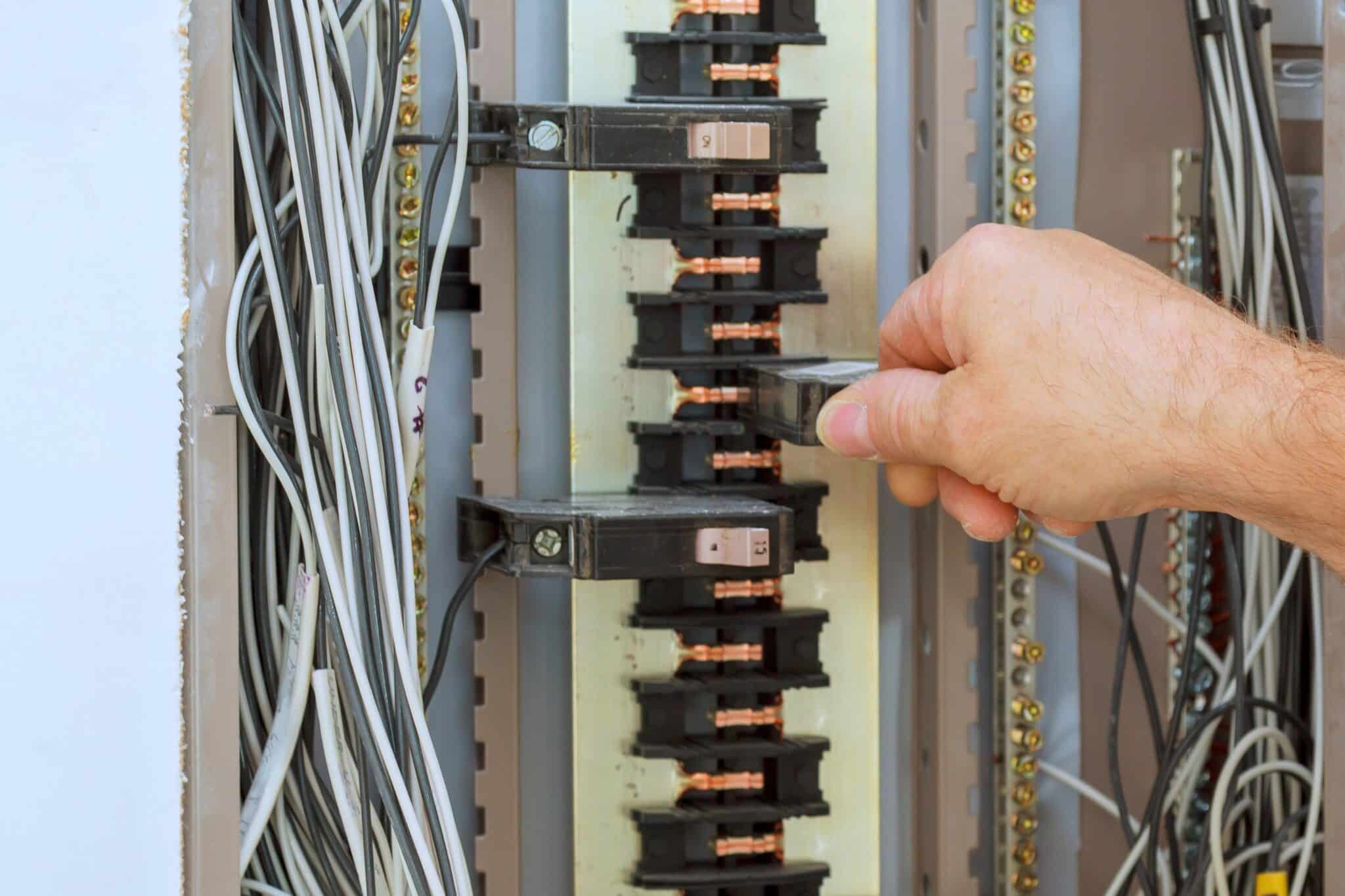
What A Breaker Coordination Study Is And Why It Matters
A breaker coordination study is a technical review that ensures breakers clear faults in a planned, selective order. The study shows which device should open first for different fault levels and why that matters. Homeowners often ask whether coordination prevents whole-house outages, and the clear answer is yes when done correctly. This work reduces unnecessary trips and keeps critical circuits powered during localized faults.
- Identify which breaker clears a fault
- Compare breaker trip characteristics
- Adjust settings or recommend replacements
- Document recommended protective settings
Technicians use equipment-level data to match breaker performance with actual home loads and wiring. They review trip curves, short-circuit current levels, and cable ampacity to make decisions. A common homeowner question is whether breakers need replacement, and a study can point to specific parts that fail to coordinate. When breakers lack coordination, small faults can open upstream devices and widen outages unnecessarily.
Part of the study may include a calculation of available fault current at the panel to size and select protective devices. That calculation links directly to whether a breaker will trip selectively under high fault currents and helps avoid cascading trips. Professionals often provide a report with test readings and recommended actions for safe selective clearing.
The study also considers downstream devices like GFCI and AFCI breakers and their interaction with main breakers and feeders. Electricians inspect panel layout, grounding conductors, and junction boxes to confirm practical coordination. In some cases they recommend device swaps or different trip settings to achieve selective clearing.
How Breaker Coordination Study Works For Selective Clearing
A breaker coordination study starts by mapping fault paths so each breaker’s role becomes clear. Technicians trace how current would flow during different faults and note which protective device should act first. They compare time-current curves from equipment data with measured short-circuit levels at the panel. This mapping prevents multiple breakers from opening for a single fault and keeps outages localized.
Next, electricians simulate scenarios using calculated fault currents and practical measurements from the site. They may perform short-circuit tracing to confirm which branch feeds carry fault current and how upstream devices will respond. Simulation helps reveal whether an upstream breaker would trip before a closer breaker, creating a cascading trip. The study then identifies specific breakers whose characteristics need change to achieve selective clearing.
Adjustments can include replacing mismatched breakers or changing settings on adjustable trip units where permitted. Professionals check interactions between GFCI, AFCI, and thermal-magnetic breakers to avoid unintended coordination gaps. They document recommended changes in a written report and show which components to update to meet selective clearing goals. Homeowners receive clear steps to fix coordination issues and reduce nuisance trips around critical loads.
During this process, inspectors record voltage and current readings and may test feeder and branch conductors for continuity and ampacity. For properties in Pearland and for property managers in Richmond, TX, this level of detail makes planning upgrades practical and cost-effective. After corrective actions, technicians verify results with final measurements and a simple sequence test to confirm only the nearest breaker clears faults. If you notice persistent cascading trips, contact an electrician who can perform a full coordination study and follow-up testing.
Common Causes Of Cascading Trips In Home Circuits
Loose or corroded connections in panels and junction boxes often start a chain reaction by raising resistance and heat. Homeowners might smell hot insulation or see darkening near terminals before multiple breakers trip together. An electrician checks connection torque, looks for oxidation, and takes infrared camera readings to find overheating points. If you notice burning smells around a panel, contact a professional right away for inspection.
Motor startups and large appliance inrush currents can overwhelm a branch breaker and then cause upstream devices to trip. Professionals diagnose these events by measuring startup current and comparing it to breaker trip characteristics with a clamp meter. A coordination study will flag circuits with frequent motor starts so technicians can recommend dedicated breakers or different trip curves.
Incorrect breaker types or mismatched trip curves let upstream devices respond too quickly during a little fault, widening outages. Technicians identify this by comparing the manufacturer time-current curves to measured fault currents at the panel. They also check interactions with GFCI and AFCI devices, since those protective functions sometimes trip faster and affect coordination. Homeowners can share records of repeated nuisance trips to help prioritize which breakers to test first.
Damaged or undersized wiring increases fault levels and can trigger multiple protective devices at once, creating cascading trips. An electrician will perform continuity checks, measure conductor ampacity, and inspect insulation for visible damage during diagnosis.
Warning Signs Homeowners Should Never Ignore
A sudden buzzing or crackling from the panel often signals an electrical fault that can lead to wider trips if ignored. Homeowners may notice lights dimming briefly before several breakers open at once, which deserves prompt testing. A qualified electrician will check for loose connections, take voltage readings, and use an infrared camera when appropriate. If you smell burning near the panel, shut off affected circuits and call a professional immediately.
- Unusual noises near breakers
- Repeated trips at the same time
- Visible scorch marks or discoloration
- Frequent resets after power surges
- Lights dimming during motor starts
Intermittent resets on critical circuits like furnaces or refrigerators may hide coordination gaps that broaden outages during faults. A technician would inspect GFCI and AFCI devices and perform current measurements to identify whether protective devices interact improperly. Sharing notes about when trips occur helps prioritize diagnostics and replicate conditions safely. For homeowners in Pearland keeping a simple log of time and appliance use speeds problem discovery.
Breaker handles that feel warm to touch or breakers that trip shortly after being reset indicate persistent faults or overloads. An electrician will perform continuity tests and clamp-meter readings to locate high-resistance connections or overloaded conductors. They may also review breaker types and time-current characteristics to determine if selective clearing is possible. For property managers in Richmond, TX documenting these signs supports planning for upgrades and reducing emergency calls.
What Professionals Check During A Coordination Study
A technician first verifies service ratings and gathers equipment data sheets for each breaker and upstream device to compare trip behavior. They measure available short-circuit current at the panel using clamp meters and voltage readings to confirm calculations. The inspector records grounding conductor condition and panel bus temperature with a non-contact thermometer or infrared camera when safe. Findings go into a written log that shows measured values and recommended next steps for selective clearing.
Next, professionals inspect coordination with sensitive devices such as GFCI and AFCI breakers to ensure selective response without nuisance trips. They perform selective trip tests on individual circuits where safe, using controlled loads to observe which device operates first. Technicians also check conductor ampacity and routing to confirm that wiring size matches breaker protection and load demands. These checks help determine whether breaker replacement or different trip characteristics are necessary.
Technicians look for interaction problems between main breakers and branch breakers by overlaying time-current curves from manufacturer data with site readings. They may photograph panel layouts and label breakers to document fault paths and potential miscoordination points. A written report often includes suggested changes, such as replacing thermal-magnetic devices with adjustable-trip breakers where appropriate. For properties in Pearland this documentation helps owners plan targeted upgrades without guessing.
As part of confirming results, electricians verify that protective devices still meet UL and NFPA expectations for selective clearing after any changes. They perform final measurements and a simple sequence test to show only the nearest breaker trips under simulated fault conditions. Photographs, readings, and a clear recommendation list provide property managers in Richmond, TX with actionable information. If a homeowner notices repeated trips or smells, the professional advises contacting an electrician rather than attempting DIY fixes.

When Homeowners Should Call A Professional Service
Call a licensed electrician when trips happen during specific appliance use or when you cannot safely identify the fault location. A professional will collect targeted data like voltage readings, clamp-meter currents, and device nameplate information during the initial visit. They can also perform panel checks and document thermal hotspots using thermal imaging when needed. If you smell burning near equipment, stop using affected circuits and arrange an inspection promptly.
Schedule service when multiple breakers trip together despite resets, or when breakers feel unusually warm after brief loads. During the visit, the technician inspects grounding conductors and junction boxes and tests continuity of suspect conductors. They may record time-current behavior with simple sequence tests to see which protective device responds first. Bringing recent trip timing notes helps the electrician reproduce conditions safely.
If you plan panel upgrades or add large loads, call before work begins so the electrician can include coordination in the design phase. The professional evaluates existing breaker trip curves and recommends devices or settings that achieve selective clearing without overprotection. They will produce a written list of required changes and verify results after installation with targeted tests. For homeowners in Pearland, this reduces chances of avoidable outages during future faults.
Contact an electrician for recurring nuisance trips affecting critical circuits like HVAC, refrigeration, or security systems in Richmond, TX. A tech will examine interactions among AFCI, GFCI, and thermal-magnetic breakers and confirm selective operation through on-site measurements. They may also photograph and label panel circuits and include thermal images in their report to show problem areas. If safety concerns exist, let the professional secure affected circuits and advise on next steps.
Practical Steps To Improve Circuit Coordination At Home
Start by making a simple map of which breakers feed important loads and note any recurring trip patterns. Take clear photos of the panel layout and label circuits for future reference. A professional can compare your map to manufacturer time-current curves during a site visit.
- Label each breaker clearly.
- Record when trips occur and which appliances run.
- Note breaker types like GFCI or AFCI.
- Keep photos of panel interiors for technicians.
Reduce nonessential loads on circuits that trip often and test whether nuisance trips decrease after load redistribution. Swap heavy appliances across different circuits temporarily to see if trips follow the appliance or the circuit. If a circuit still trips, a technician will perform clamp-meter readings and continuity checks to pinpoint the fault. Avoid running multiple large motors on the same branch when possible to limit inrush interactions.
Schedule a qualified electrician to perform targeted inspections and any recommended adjustments to trip settings or device replacements. They will check grounding conductors, junction boxes, and conductor ampacity during the visit. A written list of suggested repairs and a follow-up verification test help confirm improved coordination.
Preventive Maintenance To Reduce Future Faults
Regular panel inspections catch small issues before they cause faults that trigger multiple breakers. A technician examines terminal torque, insulation condition, and conductor routing to reduce hidden resistance points. They also test grounding and bonding connections to ensure fault currents follow intended paths during an event.
Thermal imaging during preventive visits reveals hotspots that predict future failures and cascading trips if left unaddressed. An electrician records temperature differences and recommends targeted repairs like tightening lugs or replacing damaged conductors. They may also perform load balancing across phases to lower chronic overload risks on single feeders. This work reduces the chance that a single fault forces upstream protection to clear too broadly.
Service technicians often update documentation and labeling as part of maintenance so future coordination studies start from accurate records. Clear labels let professionals identify feeder paths quickly and plan selective clearing adjustments without extra site work. During maintenance they might verify GFCI and AFCI function with standard test procedures to confirm proper selective behavior.
Following a maintenance schedule extends component life and makes future breaker coordination studies more effective and affordable. Timely repairs prevent recurring nuisance trips that can mask developing faults and complicate diagnostics. Ask your electrician for a simple maintenance plan that includes inspection intervals and key checks like torque and thermal scans. Keeping these records alongside manufacturer data supports accurate recommendations, including equipment choices linked in the article about choosing circuit breakers.
Frequently Asked Questions
What is a breaker coordination study and why get one?
A breaker coordination study analyzes your home’s electrical panel and upstream protection to set breakers so only the nearest device clears a fault. It reduces cascading trips by ensuring smaller breakers trip before larger upstream breakers during short circuits or overloads. Technicians confirm findings with load calculations, breaker time-current curves, voltage readings, and a written report. Working near live panels carries risk, so contact a licensed electrician to inspect and implement any changes safely.
How does selective clearing prevent whole-house outages?
Selective clearing isolates the faulted branch so only the breaker nearest the problem opens, keeping other circuits powered. A Breaker coordination study sets trip thresholds and timing so upstream breakers stay closed during downstream faults. This targeted response prevents cascading trips that would otherwise shut down the whole house. If a panel shows repeated miscoordination or nuisance trips, stop using affected circuits and contact a licensed electrician for diagnosis and correction.
When should homeowners schedule a coordination study?
Schedule a breaker coordination study when you add major electrical loads like an EV charger, panel upgrade, or new subpanel. Homeowners should also act after repeated nuisance trips or after replacing breakers or key equipment. A licensed electrician will inspect panels, take load and trip curves, and recommend selective settings to prevent cascading outages. If you suspect wiring faults or burn smells, stop using affected circuits and call a professional immediately for safety.
Can a breaker coordination study reduce nuisance trips?
Yes. A breaker coordination study can reduce nuisance trips by assigning selective trip settings so only the closest breaker clears a fault. A study reviews breaker types, time-current curves, and load paths and recommends adjustments or replacement. If you suspect miscoordination or frequent trips, contact a licensed electrician for inspection and testing to avoid safety risks.
What inspections confirm coordination issues in a panel?
An electrician inspects trip history and recorded nuisance trips to identify cascading patterns in the panel. They measure branch and feeder fault currents with clamp meters and compare values to breaker time-current curves. Technicians check coordination by reviewing device ratings, protective relays, GFCI/AFCI behavior, and selective trip settings. If live testing is needed, exercise caution and hire a professional to avoid shock or equipment damage.