





Lighting load calculations are essential for any home remodel, especially in growing cities like Conroe. Understanding these calculations helps ensure your electrical system is safe and reliable. Homeowners in Katy, TX, also benefit from properly sized circuits and wiring. With the right approach, you can avoid overloaded circuits and future electrical issues.
Every remodel brings unique lighting needs, making calculations crucial for each project. The process involves more than just counting fixtures or bulbs. It considers the total expected electrical demand in each room. This careful planning keeps your home comfortable and efficient.
Lighting load calculations help electricians determine the correct size for breakers and wires. Accurate calculations prevent overheating and reduce the risk of electrical fires. They also ensure your lighting performs at its best, no matter the design. Proper planning supports both safety and style in your remodeled space.
Whether you’re updating a kitchen or adding a new room, lighting load calculations are a key step. They provide peace of mind that your electrical system can handle your new lighting. Working with a professional ensures everything meets local codes and standards. Investing time in these calculations leads to a safer, brighter home.
Why Lighting Load Calculations Matter in Remodels
Lighting load calculations play a vital role in any remodel, ensuring your updated space is both functional and safe. Without proper planning, new lighting can strain your existing electrical system. This can lead to tripped breakers or even long-term damage. Homeowners in Conroe and Katy, TX, benefit from calculations that match their home’s unique requirements.
Remodels often add new fixtures or change room layouts, increasing the total electrical demand. Lighting load calculations help identify how much power each circuit needs to handle. This step prevents overloading, which can shorten the lifespan of your wiring. Careful calculations keep your home running smoothly as your needs change.
Accurate lighting load calculations also support compliance with local electrical codes. These codes exist to protect your home and family from potential hazards. By following them, you avoid costly mistakes and future repairs. Electricians use these calculations to guide safe, code-compliant installations.
Beyond safety, lighting load calculations help you achieve your design goals. The right electrical setup supports everything from bright kitchens to cozy bedrooms. Properly sized circuits ensure your lights work reliably, no matter how often they’re used. Investing in this process brings lasting comfort and peace of mind to your remodel.

Understanding Electrical Loads in Residential Projects
Understanding electrical loads is crucial when planning a remodel, as each room has different lighting and power needs. Lighting load calculations help determine the total wattage required for every space. These calculations factor in fixture types, bulb wattage, and how often the lights will be used. By considering these elements, you can create a balanced and efficient electrical system.
Residential projects often involve combining general, task, and accent lighting. Each type adds to the total electrical demand in your home. Lighting load calculations ensure every circuit can safely handle the combined load. This step is essential for preventing issues like dimming or flickering lights.
Electricians use lighting load calculations to select the right wire gauge and breaker size. Properly sized wiring supports long-term safety and reliability. In cities like Conroe, these calculations are especially important to meet growing energy needs. They also help you plan for future upgrades without costly rewiring.
For homeowners in Katy, TX, understanding electrical loads leads to smarter remodeling decisions. Lighting load calculations allow you to prioritize both style and safety. With the right approach, your home’s lighting will function flawlessly for years to come. This careful planning supports a comfortable and secure living environment.
Key Factors Affecting Lighting Load Calculations
Several key factors influence lighting load calculations during a remodel. The type and number of fixtures in each room play a major role. Different spaces, like kitchens or living rooms, require varying amounts of light. Considering these needs ensures your electrical system is properly balanced and efficient.
Fixture wattage is another important factor in lighting load calculations. LED bulbs use less power than traditional incandescent bulbs, impacting the overall electrical demand. Choosing energy-efficient options helps reduce the load on your circuits. This approach supports both safety and lower energy bills for your home.
Room size and layout also affect lighting load calculations. Larger rooms often need more fixtures or higher wattage to achieve the desired brightness. Unique layouts, such as open floor plans, may require additional circuits. Proper planning guarantees each area receives adequate and reliable lighting.
Lifestyle and future needs should be considered when performing lighting load calculations. If you plan to add more fixtures or upgrade appliances, your electrical system must be ready. In Conroe, this foresight prevents costly changes down the road. Homeowners in Katy, TX, benefit from a system designed for both current and future comfort.
Step-by-Step Guide to Lighting Load Calculations
Lighting load calculations begin with a careful assessment of your remodel’s lighting plan. Start by listing every fixture and noting the wattage for each one. Add up the total wattage for each room to understand the electrical demand. This step ensures your circuits can handle the expected load safely.
Next, divide the total wattage by the voltage of your electrical system, typically 120 volts. This calculation gives you the total amperage needed for each circuit. Lighting load calculations help you determine if a dedicated circuit is required for larger rooms or high-demand areas. Properly sized circuits prevent tripped breakers and maximize reliability.
After finding the amperage, compare it to the rating of your existing breakers and wiring. Lighting load calculations guide you in choosing the correct breaker size and wire gauge. If the load exceeds the current capacity, upgrades may be necessary for safety. This approach protects your home and supports long-term performance.
Finally, consider future needs or possible upgrades when performing lighting load calculations. Planning ahead avoids costly changes if you add more fixtures later. Homeowners in Conroe and Katy, TX, benefit from this proactive approach. A well-calculated system delivers safe, efficient, and flexible lighting for any remodel.
Sizing Circuits and Breakers for Lighting Loads
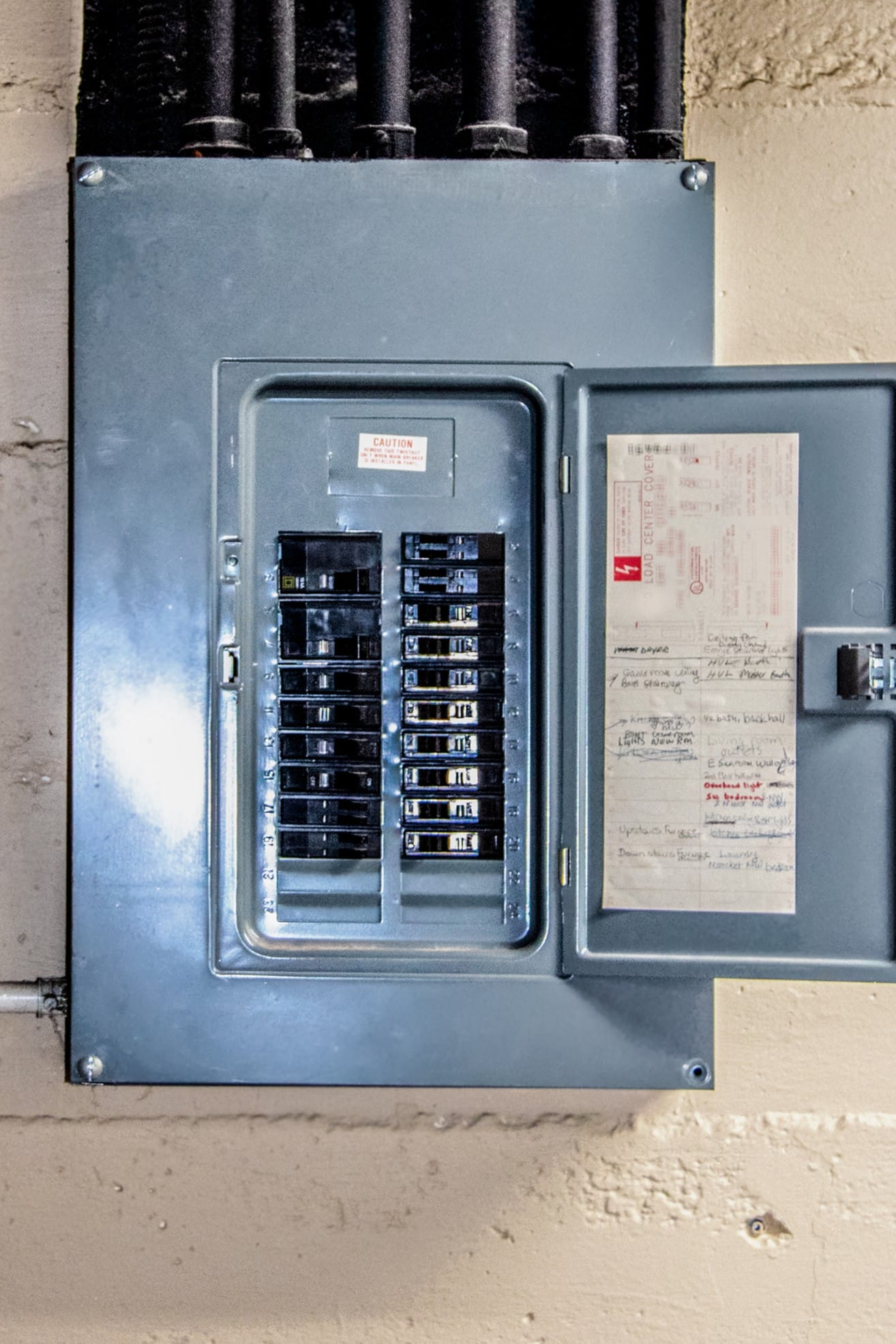
Once you have completed your lighting load calculations, the next step is to size your circuits and breakers accurately. This process ensures your home’s electrical system can handle the lighting demand without risk. Electricians use the calculated amperage to select the right breaker size for each circuit. Choosing the correct breaker prevents overloads and supports long-term safety.
Wire gauge selection is equally important after lighting load calculations are complete. The total amperage determines the minimum wire size needed for safe operation. Using undersized wires can cause overheating and potential hazards in your remodeled space. Properly matched wiring and breakers keep your lighting running smoothly every day.
In Conroe, local codes require that circuits are not loaded beyond 80% of their rated capacity. Lighting load calculations help you stay within these limits, ensuring compliance and peace of mind. This careful approach also allows for a margin of safety if you add more fixtures later. Following these guidelines protects your investment and your family.
Homeowners in Katy, TX, benefit from professional help with lighting load calculations and circuit sizing. Experienced electricians consider both current and future needs during the planning phase. This ensures your remodel meets safety standards and adapts to changing requirements over time. Reliable circuits and breakers support a bright, worry-free living environment.
Choosing the Right Wiring for Your Lighting Load
Selecting the right wiring is a critical step after completing your lighting load calculations. The wire gauge must match the amperage calculated for each circuit. Using the correct wire size prevents overheating and electrical hazards in your remodeled space. This attention to detail ensures your lighting operates safely and efficiently.
Lighting load calculations help electricians choose wiring that meets both current and future needs. If you plan to add more fixtures, selecting a slightly larger wire gauge offers extra capacity. This approach reduces the risk of needing costly upgrades later. Proper wiring supports reliable lighting performance throughout your home.
In Conroe, local codes guide the selection of wiring based on calculated loads. Electricians use lighting load calculations to confirm that wires meet or exceed these requirements. This careful planning keeps your remodel compliant with safety standards. Homeowners benefit from a system built to last and adapt to future changes.
For residents in Katy, TX, professional electricians rely on lighting load calculations when choosing wiring for remodels. They consider room size, fixture types, and anticipated usage patterns. This ensures every lighting circuit is properly supported by safe, durable wiring. The result is a bright, dependable home environment for years to come.
Common Mistakes in Lighting Load Calculations
Even with careful planning, mistakes in lighting load calculations can happen during a remodel. One common error is underestimating the total wattage needed for each room. This oversight can lead to overloaded circuits and unreliable lighting performance. Proper calculations help prevent these issues and ensure your system operates safely.
Another frequent mistake is ignoring future lighting needs when performing lighting load calculations. Homeowners sometimes forget to account for possible additions or upgrades down the road. Planning for extra capacity avoids costly rewiring if you decide to add more fixtures later. This foresight keeps your electrical system flexible and ready for changes.
Incorrectly matching breaker size to calculated loads is also a risk during lighting load calculations. Using a breaker that is too small can cause nuisance tripping, while one that is too large poses safety hazards. Electricians in Conroe know that precise calculations are key to choosing the right breaker for each circuit. This attention to detail protects your home and family from electrical problems.
Finally, some remodels overlook local code requirements when completing lighting load calculations. Missing these details can result in failed inspections or unsafe installations. Professional electricians in Katy, TX, always follow local codes and standards to ensure compliance. Relying on expert guidance helps you avoid costly mistakes and keeps your remodel on track.
Ensuring Code Compliance in Lighting Load Calculations
Ensuring your remodel passes inspection starts with accurate lighting load calculations that follow local electrical codes. These codes set standards for safe wiring, breaker sizing, and overall system design. Electricians use lighting load calculations to confirm every circuit meets the required safety margins. This careful approach protects your home and ensures long-term reliability.
Lighting load calculations must account for both national and local code requirements. In Conroe, codes specify maximum circuit loads and wiring standards for residential projects. Following these guidelines prevents overloaded circuits and electrical hazards in your remodeled space. Compliance also streamlines the inspection process and avoids costly delays.
Professional electricians in Katy, TX, rely on lighting load calculations to create safe, code-compliant electrical systems. They stay updated on changes to local regulations and best practices. This expertise ensures your remodel meets all safety and performance standards. Working with a qualified electrician brings peace of mind and confidence in the final result.
Accurate lighting load calculations also support future flexibility and upgrades. By meeting code requirements from the start, you avoid unexpected issues down the road. Proper planning means your electrical system can adapt as your needs change. Investing in code compliance ensures your remodel remains safe, efficient, and worry-free for years to come.
Frequently Asked Questions
What are lighting load calculations and why are they important?
Lighting load calculations help determine the total electrical demand for lighting in a remodeled space. Electricians use these calculations to size circuits, breakers, and wiring accurately. This ensures your electrical system can safely handle lighting needs without overloading. Proper lighting load calculations also support energy efficiency and reduce the risk of electrical hazards.
How do I perform lighting load calculations for my Conroe remodel?
Start by listing every light fixture and estimating the wattage for each one in your Conroe remodel project. Next, add up all the wattages to find your total lighting load for accurate lighting load calculations. Divide this total by the voltage, usually 120 volts, to determine the required amperage for your circuits. Finally, use these lighting load calculations to select proper circuit breakers and wire sizes that meet local electrical codes.
What factors affect lighting load in a home renovation?
Several factors impact lighting load calculations during a home renovation, including fixture types, bulb wattages, and room sizes. The number of fixtures and their placement also influence the total electrical demand for lighting. Adding dimmers or smart controls can change how much power your system needs. Always consider local codes and future upgrades when planning lighting load calculations for safe and efficient results.
Do local codes in Conroe impact lighting load requirements?
Local codes in Conroe play a key role in shaping lighting load calculations for any remodel. These regulations set minimum standards for wiring, circuit sizing, and fixture placement. Electricians must follow these codes to ensure safe and compliant lighting load calculations. Staying updated with local requirements helps prevent issues and supports long-term electrical safety in your home.
How can I ensure my remodel meets lighting safety standards?
To meet lighting safety standards in your remodel, always rely on accurate lighting load calculations before installing new fixtures or wiring. Hire a licensed electrician who understands local codes and best practices for safe installations. Regular inspections during and after your project help catch any issues early. Consistent lighting load calculations and code compliance keep your home safe and efficient for years to come.