





When it comes to ensuring a quiet and efficient bathroom, the role of properly installed exhaust fan wiring cannot be overstated. In Katy, TX, where the climate can contribute to higher humidity levels, having an exhaust fan that works effectively is crucial for maintaining comfort and preventing mold. This is where understanding the basics of exhaust fan wiring becomes essential. Not only does it improve air quality, but it also protects the structural integrity of your home.
Exhaust fan wiring is a task that, while seeming straightforward, involves a number of critical considerations. From choosing the right switch options to adhering to local code rules, each step plays a significant role in the fan’s performance. Homeowners in Friendswood and the surrounding areas will find that proper installation ensures their bathroom exhaust fans operate quietly and efficiently, without becoming an annoyance.
Moreover, ducting considerations are an integral part of exhaust fan wiring. Ensuring that the ductwork is correctly installed and vented outside can dramatically affect the fan’s efficiency and the overall air quality in your bathroom. It’s a detail that might seem minor but can have a major impact on the functionality of your exhaust system.
Lastly, keeping up with the latest code rules in Katy, TX, and understanding the various switch options can seem daunting. However, these elements are crucial for safety and efficiency. By focusing on these aspects, homeowners can ensure their exhaust fan wiring supports a bathroom environment that is not only comfortable but also safe and compliant with local regulations.
Understanding the Basics of Exhaust Fan Wiring
Understanding the basics of exhaust fan wiring is essential for homeowners in Katy, TX, looking to enhance their bathroom’s comfort and efficiency. Proper wiring ensures that the exhaust fan operates quietly, efficiently removing humidity and odors. This process begins with selecting the right type of wire and ensuring it is correctly connected to both the fan and the power source. By doing so, homeowners can avoid common issues such as excessive noise or inadequate ventilation.
Switch options play a significant role in the functionality and convenience of bathroom exhaust fans. There are several types of switches available, including timers, humidity sensors, and standard switches, each offering different benefits. For instance, a timer can help control the fan’s operation time, ensuring it runs long enough to effectively reduce humidity without wasting energy. Choosing the right switch allows for better control over the fan’s operation, contributing to a more efficient and user-friendly bathroom environment.
Ducting is another critical aspect of exhaust fan wiring that requires careful consideration. The ductwork must be properly installed and lead outside to prevent moist air from being recirculated within the home. In Friendswood and other areas, ensuring that the ducting is correctly sealed and vented can significantly impact the fan’s efficiency and the overall air quality in the bathroom. Proper ducting not only supports the fan’s performance but also helps in maintaining a mold-free and healthy bathroom environment.
Lastly, adhering to local code rules in Katy, TX, is crucial when wiring a bathroom exhaust fan. These codes are designed to ensure safety and efficiency, addressing everything from the type of wiring used to how the fan is installed and vented. Homeowners should familiarize themselves with these regulations or consult a professional to ensure their exhaust fan system is compliant. By paying attention to these details, homeowners can enjoy a bathroom that is not only comfortable and efficient but also safe and up to code.
Choosing the Right Switch for Your Bathroom Exhaust Fan
Choosing the right switch for your bathroom exhaust fan is a pivotal step in the exhaust fan wiring process. In Katy, TX, homeowners have a variety of switch options to consider, each designed to enhance the functionality and convenience of their bathroom exhaust fans. Options like timers, humidity sensors, and standard switches cater to different needs and preferences. A timer switch, for example, can significantly contribute to energy efficiency by ensuring the fan operates only as long as necessary.
Humidity sensor switches offer another level of convenience and efficiency in managing bathroom ventilation. These switches automatically activate the exhaust fan when humidity levels rise, making them ideal for maintaining optimal air quality without manual intervention. In humid climates, like that of Friendswood, this feature can be particularly beneficial. It helps in preventing mold growth and ensuring a comfortable bathroom environment.
For those preferring simplicity, standard switches remain a popular choice. They allow for manual control over the exhaust fan, giving homeowners in Katy, TX, the flexibility to operate the fan as needed. While lacking the automated features of timers or humidity sensors, standard switches provide a straightforward solution for exhaust fan operation. This option suits those who prioritize direct control over their bathroom’s ventilation system.
Ultimately, the decision on which switch to use for your bathroom exhaust fan should be informed by your specific needs and the unique conditions of your home. Whether you opt for the advanced technology of a humidity sensor, the energy-saving benefits of a timer, or the simplicity of a standard switch, each choice plays a crucial role in the overall efficiency and comfort of your bathroom. By carefully considering your options, you can ensure that your exhaust fan wiring supports a quiet, efficient, and comfortable bathroom environment.
The Importance of Proper Ducting for Efficient Operation
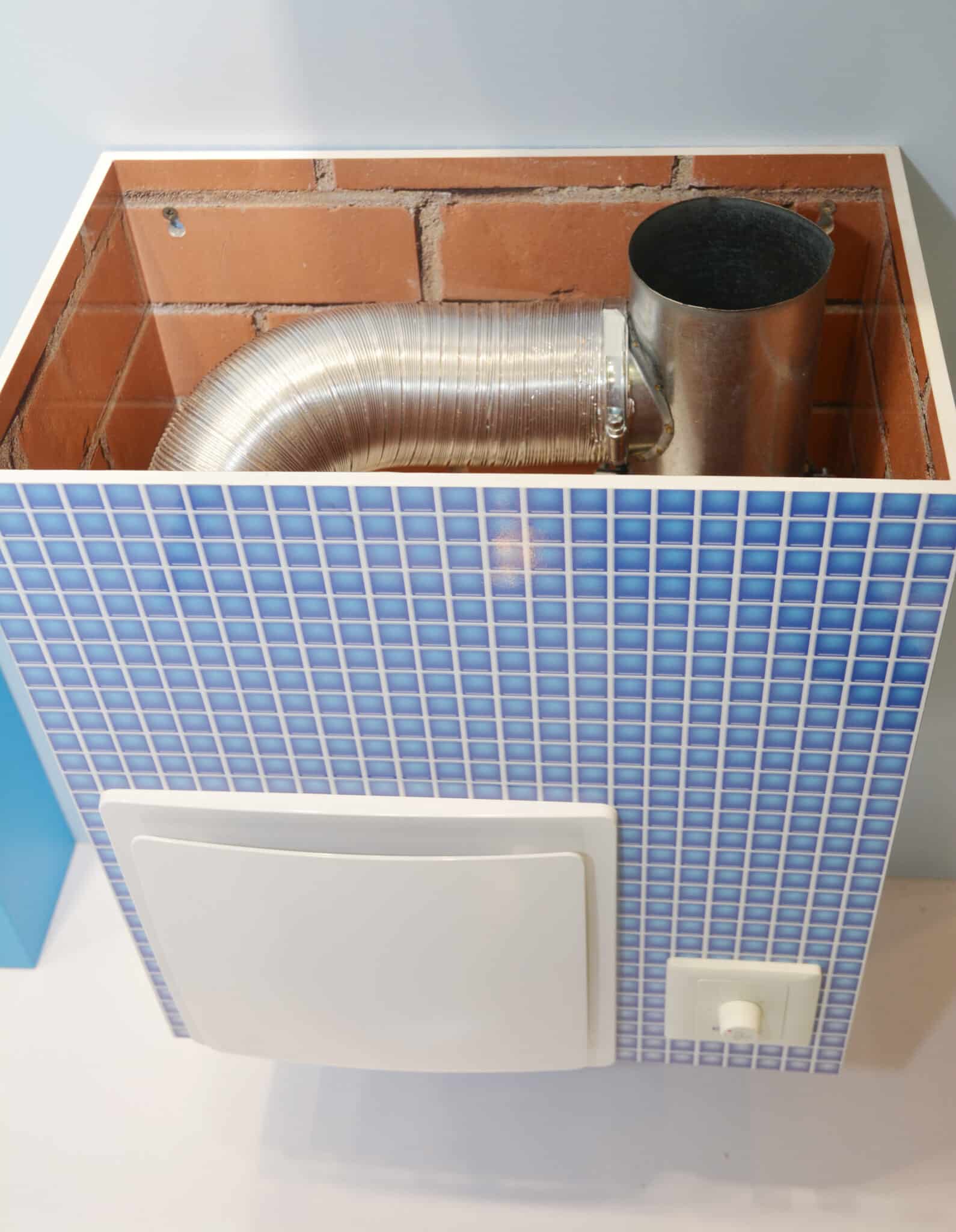
Proper ducting is crucial for the efficient operation of bathroom exhaust fans, especially in areas like Katy, TX, where humidity can be a concern. Without correct duct installation, moisture can remain trapped, leading to potential mold issues and decreased air quality. Ensuring that ductwork leads outside and is free from leaks maximizes the exhaust fan’s ability to remove humid air efficiently. This step is essential in maintaining a healthy and comfortable bathroom environment.
In Friendswood, the importance of ducting extends beyond just mold prevention. Properly installed ductwork also contributes to the overall efficiency of the exhaust fan, allowing it to operate quietly and effectively. By reducing the resistance the fan faces in expelling air, well-planned ducting ensures that the fan doesn’t need to work as hard, thereby extending its lifespan and conserving energy.
Choosing the right materials and ensuring a smooth path for the ductwork are key factors in the installation process. Flexible ducts, while easier to install, may not provide the same efficiency as smoother, rigid ducting options. Homeowners should consider the length of the duct run and the number of bends required, as these can impact the fan’s performance. Opting for the most direct route to the outside helps in minimizing potential efficiency losses.
Finally, adhering to local building codes in Katy, TX, when installing ductwork is not just a legal requirement but also a safety measure. These regulations ensure that exhaust fan wiring and ducting are done correctly, promoting efficient operation and preventing issues related to moisture damage. By following these guidelines, homeowners can enjoy a quieter, more efficient bathroom exhaust system that stands the test of time.
Electrical Code Requirements for Exhaust Fan Wiring
Understanding the electrical code requirements for exhaust fan wiring is essential for any homeowner in Katy, TX. These codes ensure that the wiring is safe, reducing the risk of fire and electrical hazards. By adhering to these guidelines, homeowners can ensure their exhaust fan operates efficiently and safely. It’s important to consult with a local electrician who is familiar with Katy’s specific codes to guarantee compliance.
In Friendswood, the electrical codes might differ slightly, emphasizing the importance of local knowledge. These regulations cover various aspects of exhaust fan wiring, including the type of wire, connections, and circuit requirements. Following these codes not only ensures safety but also optimizes the fan’s performance. Homeowners should always prioritize meeting these standards to avoid potential issues down the line.
Proper grounding and circuit protection are crucial components of exhaust fan wiring that are often outlined in electrical codes. This includes using ground fault circuit interrupter (GFCI) protection in areas with moisture, like bathrooms. Such measures prevent electrical shock and are a key part of the code requirements. Ensuring your bathroom exhaust fan is correctly grounded and protected can offer peace of mind and enhanced safety.
Finally, regular inspections and updates to the exhaust fan wiring can help maintain compliance with local codes in Katy, TX. As codes evolve, what was once compliant may need adjustments to meet new standards. Staying informed about these changes and seeking professional advice when upgrading or installing new exhaust fans is wise. This proactive approach can help homeowners maintain a safe, efficient, and code-compliant bathroom environment.
Step-by-Step Guide to Wiring Your Bathroom Exhaust Fan
Wiring your bathroom exhaust fan correctly is a key step in ensuring efficient ventilation in your Katy, TX home. First, turn off the electrical power to the area where you’ll be working to ensure safety. Identify the location where you want to install the fan and make sure it’s near an external wall or the ceiling connected to an outdoor vent. Using the right tools and protective gear, cut a hole that matches the size of your exhaust fan’s housing.
Next, prepare the electrical wiring for the exhaust fan. If you’re not familiar with basic electrical work, consulting a professional is wise. Run a dedicated circuit from your bathroom’s electrical box to the fan location, ensuring you use the correct wire type as per local codes. Secure the wiring to the fan’s junction box, carefully following the manufacturer’s instructions to avoid any missteps.
Now, connect the exhaust fan to the ductwork, ensuring a tight seal to prevent moisture from leaking back into your bathroom. Use aluminum tape or a clamp to secure the duct to the fan’s outlet. This step is crucial in Friendswood and similar areas where humidity is a concern, as proper ducting helps maintain optimal air quality and prevents mold growth. Ensure the duct leads directly outside for the most efficient ventilation.
Finally, install the switch that controls the fan. Whether you choose a standard switch, a timer, or a humidity sensor, make sure it’s easily accessible. Connect the switch to your home’s electrical system, double-checking all connections for safety. Once everything is in place, restore power and test the fan to ensure it operates smoothly and quietly. This step-by-step approach ensures your exhaust fan wiring supports a comfortable and healthy bathroom environment.
Exhaust Fan Wiring: Single Switch vs. Dual Switch Options
When considering exhaust fan wiring in your bathroom, deciding between a single switch and a dual switch setup is crucial. A single switch controls the fan and the light together, simplifying the operation but limiting flexibility. In Katy, TX, where efficiency and convenience are key, some homeowners prefer this straightforward approach. It makes turning on the fan and light as easy as flipping a single switch.
On the other hand, a dual switch option offers greater control by allowing the fan and light to operate independently. This setup is particularly useful in Friendswood, where varying humidity levels might require the fan to run longer than the light. With a dual switch, you can keep the fan running to combat moisture without wasting electricity on unnecessary lighting. It’s an ideal choice for those who prioritize energy efficiency and personalized comfort.
Installing a dual switch might seem daunting, but it’s a straightforward process that enhances bathroom functionality. By separating the controls, you can better manage ventilation and lighting according to your needs. This flexibility is especially beneficial in areas with high humidity, ensuring that your bathroom remains comfortable and mold-free. Plus, it adds a modern touch to your bathroom’s design, increasing both its appeal and functionality.
Ultimately, the choice between a single switch and a dual switch for exhaust fan wiring depends on your specific needs and preferences. Consider the humidity levels in Katy, TX, your daily routine, and how you use your bathroom space. Whether you value simplicity or flexibility, there’s an option that will suit your lifestyle and enhance your bathroom’s efficiency and comfort.
Troubleshooting Common Exhaust Fan Wiring Issues
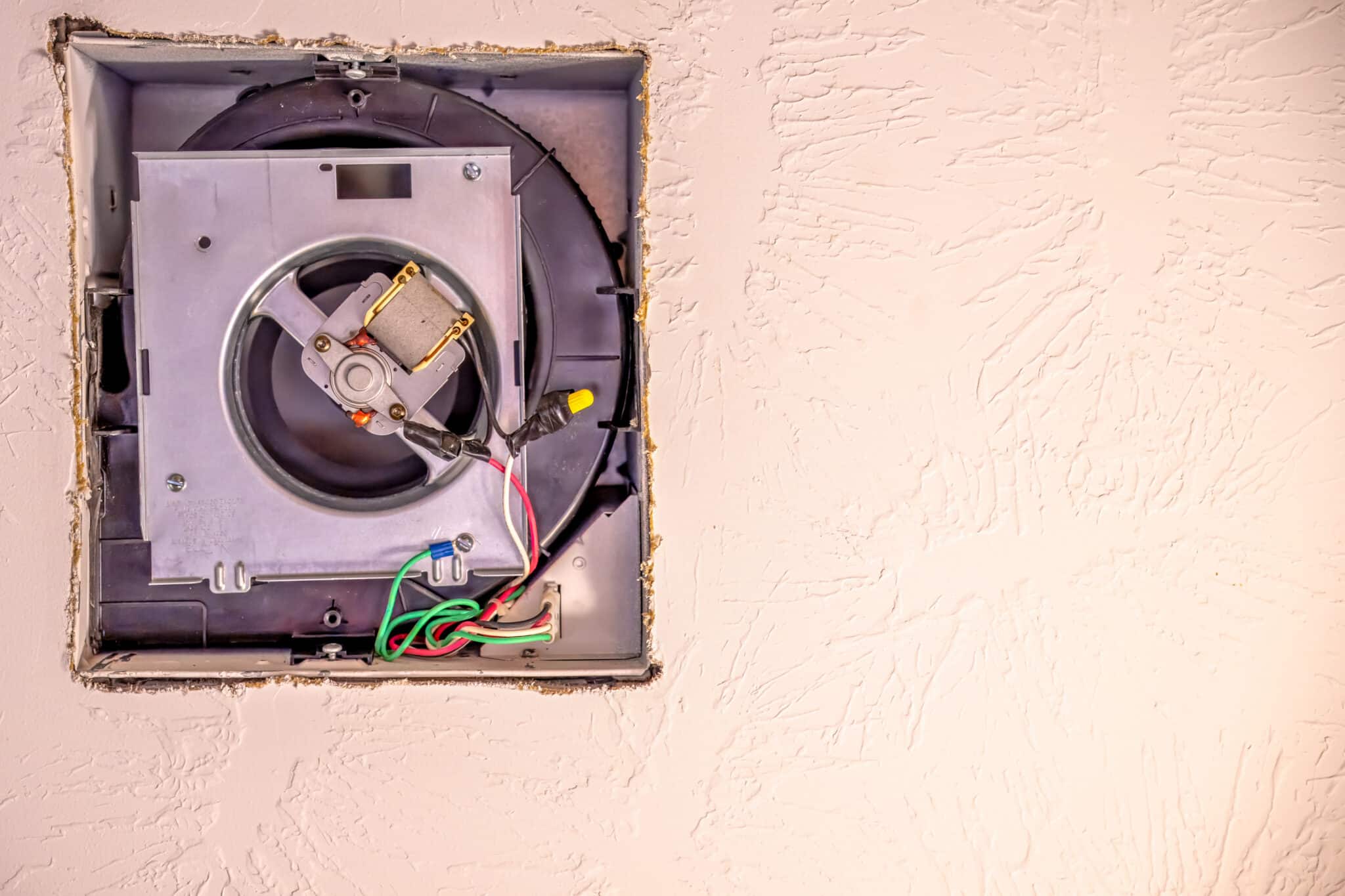
Even the best-installed exhaust fan wiring can encounter issues, leading to inefficiencies in your bathroom’s ventilation system. In Katy, TX, where humidity is a constant battle, a malfunctioning exhaust fan can quickly lead to discomfort and mold growth. Identifying common problems like loose connections or faulty switches is the first step in troubleshooting. Regular checks can prevent these issues from escalating, ensuring your bathroom remains a comfortable space.
One frequent issue homeowners in Friendswood might face is a fan that runs continuously without switching off. This could be due to a problem with the switch or a miswiring during installation. Checking the switch for proper function and ensuring the wiring matches the manufacturer’s diagram can often resolve this problem. Such simple fixes can save energy and reduce wear on the fan’s motor, extending its lifespan.
Another common challenge is a fan that doesn’t turn on, which could stem from a tripped circuit breaker or a disconnected wire. Before attempting any repairs, always ensure the power is turned off for safety. A quick inspection of the circuit breaker and the fan’s wiring can often reveal the source of the problem. Reconnecting any loose wires or resetting the breaker can quickly get your exhaust fan back in operation.
Lastly, if your exhaust fan is unusually noisy, it might indicate an obstruction in the ductwork or an issue with the fan blades. In Katy, TX, debris or dust accumulation in the ducts is not uncommon and can impede airflow, causing the fan to work harder and produce more noise. Cleaning the ducts and checking the fan blades for damage can significantly reduce noise, making your bathroom a quiet and peaceful space again.
Enhancing Bathroom Ventilation with the Correct Wiring Practices
Enhancing your bathroom’s ventilation through the correct exhaust fan wiring practices is essential for maintaining a comfortable and mold-free environment, especially in humid areas like Katy, TX. By ensuring that your exhaust fan is properly wired, you can significantly improve the air quality and efficiency of your bathroom’s ventilation system. This involves not only selecting the appropriate wire gauge and type according to local codes but also ensuring that connections are secure and correctly configured to prevent overheating and potential hazards.
In Friendswood, the emphasis on proper ducting in conjunction with exhaust fan wiring cannot be overstated. The ductwork should be as straight and short as possible to facilitate efficient air flow. Moreover, using rigid ducting instead of flexible types can minimize air resistance, thereby enhancing the fan’s performance. This approach not only supports the fan’s efficiency but also contributes to a quieter operation, making for a more pleasant bathroom experience.
The choice of switch for controlling your exhaust fan also plays a pivotal role in optimizing ventilation. Whether you opt for a simple switch, a timer, or a humidity sensor, the key is to ensure it is wired correctly to respond to your needs. For instance, a humidity sensor can automatically control the fan based on the moisture level in the air, a feature that is particularly useful in maintaining optimal conditions within your bathroom without manual intervention.
Lastly, staying informed about the latest electrical codes in Katy, TX, and ensuring your exhaust fan wiring complies, is crucial for both safety and functionality. Regular inspections and maintenance can help identify and rectify any wiring issues before they escalate into bigger problems. By adopting these correct wiring practices, homeowners can enjoy a bathroom that not only stays dry and mold-free but also serves as a tranquil retreat.
Exhaust Fan Wiring Frequently Asked Questions
What tools are needed for exhaust fan wiring?
For exhaust fan wiring, a few essential tools are needed. A wire stripper, screwdriver, and voltage tester are crucial for safe installation. Additionally, a drill might be necessary for securing the fan properly. These tools help ensure the wiring process is smooth and efficient, keeping bathrooms well-ventilated.
How do I choose the right exhaust fan?
Choosing the right exhaust fan involves considering room size and usage. Look for a fan with enough power to circulate air efficiently. Noise level and energy efficiency are also key factors. Finally, ensure it meets all local code requirements for safe exhaust fan wiring.
Can I wire an exhaust fan myself?
Wiring an exhaust fan can be a DIY project if you have electrical knowledge. Ensure you understand local codes and safety guidelines. Gather the necessary tools and follow manufacturer instructions carefully. However, hiring a professional electrician is advisable for optimal safety and efficiency.
What are the safety precautions for exhaust fan wiring?
When wiring an exhaust fan, always turn off the power to ensure safety. Use a voltage tester to confirm no current is present before starting. Keep wiring connections tight and secure to prevent electrical hazards. Lastly, follow all local electrical codes to ensure the installation meets safety standards.
How often should exhaust fan wiring be checked?
Exhaust fan wiring should be inspected at least once a year to ensure it remains in good condition. This regular check helps identify any potential issues before they become serious problems. A professional electrician can perform these inspections, looking for signs of wear or damage. Keeping up with these checks maintains the fan’s efficiency and safety.