
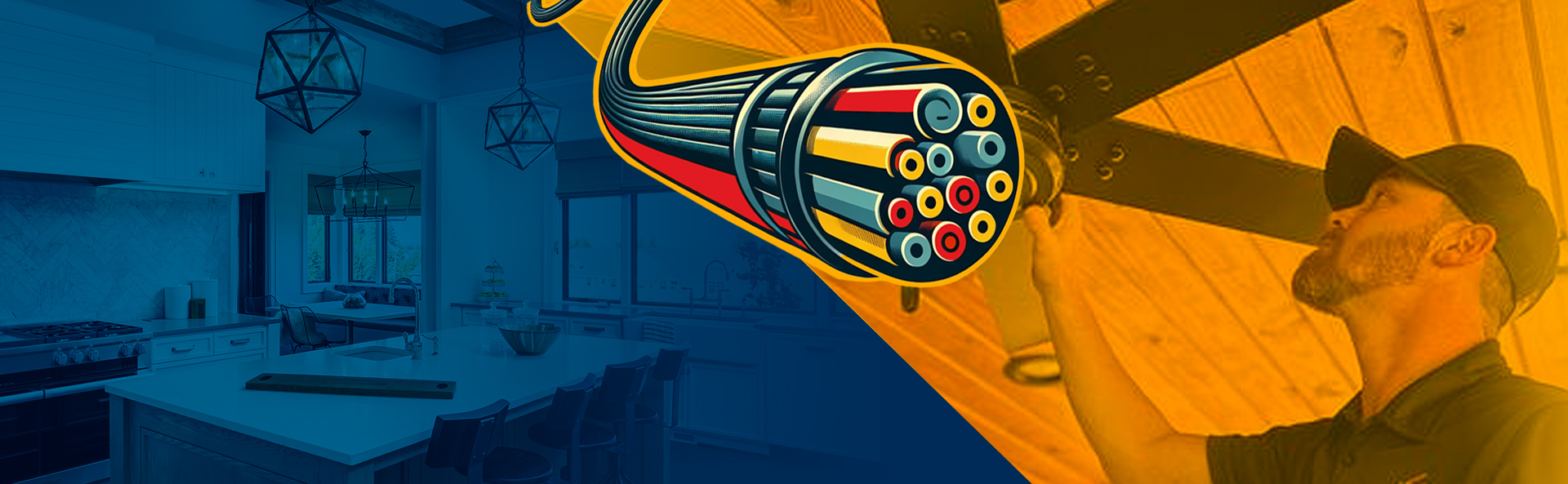




Choosing the right ceiling box support is essential for safely installing heavy fixtures in your home. Many homeowners in Katy, TX, and nearby areas like Conroe, want peace of mind when upgrading their lighting or ceiling fans. A properly rated box prevents accidents and ensures your fixtures stay securely attached over time. Understanding your options helps you make informed decisions for every room in your house.
Heavy fixtures, such as chandeliers and large ceiling fans, require extra support beyond standard electrical boxes. Not all ceiling boxes are designed to handle significant weight, making selection critical for safety. Using the wrong type can lead to fixture failure or damage to your ceiling. A fan rated box is specifically engineered to provide the necessary ceiling box support for these applications.
Local building codes in Katy, TX, and Conroe often require specific standards for ceiling box support. Meeting these requirements keeps your home safe and compliant. Professional electricians are familiar with these codes and can recommend the best solution for your needs. This expertise ensures your heavy fixtures remain secure for years to come.
If you are considering a new ceiling fan or light fixture, start by evaluating your current ceiling box support. Upgrading to a fan rated box can prevent future headaches and costly repairs. Proper installation is just as important as choosing the right box. With the right approach, you can enjoy safe, stylish lighting and fans in any room.
Understanding Ceiling Box Support for Heavy Fixtures
Ceiling box support plays a crucial role when installing heavy fixtures like large ceiling fans or ornate chandeliers. Unlike standard boxes, fan rated boxes are built to handle greater weight and vibration. This added strength protects your ceiling and reduces the risk of fixture movement over time. Homeowners in Katy, TX, benefit from choosing boxes specifically designed for these demanding applications.
A ceiling box support system must anchor securely to the ceiling joists or framing. This ensures the box remains stable, even when the fixture is in use. Over time, vibrations from fans or shifting weight can weaken inadequate supports. Using a properly rated box helps avoid these issues and keeps your fixtures firmly in place.
Not all ceiling boxes are created equal, so it’s important to check the manufacturer’s ratings. Fan rated boxes are tested to hold heavier loads and meet strict safety standards. In Conroe, local codes often specify the type of support required for heavy fixtures. Meeting these standards protects your home and your investment.
Proper ceiling box support also simplifies future upgrades or maintenance. If you ever want to change your fixture, a strong box makes the process safer and easier. It provides a reliable anchor point for both current and future installations. Investing in the right support today gives you peace of mind for years to come.
Why Standard Boxes Aren’t Enough for Heavy Fixtures
Standard electrical boxes are not designed to handle the weight and movement of heavy fixtures. Most are made for lightweight lighting and simple ceiling fans, lacking the strength required for larger installations. Ceiling box support becomes critical when dealing with heavy chandeliers or high-powered ceiling fans. Relying on a standard box can put your fixture and ceiling at risk.
Over time, the vibrations from a heavy ceiling fan or a moving chandelier can loosen a standard box. This can lead to sagging, wobbling, or even falling fixtures, which pose safety hazards. Ceiling box support systems are engineered to prevent these issues, offering reinforced construction and secure mounting. Homeowners in Katy, TX, should always choose a box rated for their fixture’s weight.
Building codes in Conroe and surrounding areas recognize the limitations of standard boxes for heavy fixtures. These codes require specific ceiling box support to ensure safety and compliance. Ignoring these requirements can result in costly repairs or failed inspections. Upgrading to a fan rated box eliminates these concerns and protects your investment.
A properly installed ceiling box support system also extends the life of your fixture and ceiling. It minimizes wear and tear caused by constant movement or weight. This investment provides long-term stability and reduces the need for future repairs. Choosing the right support gives you confidence in every installation.
Types of Fan Rated Boxes for Ceiling Box Support
Several types of fan rated boxes provide reliable ceiling box support for heavy fixtures. Metal fan boxes are a popular choice for their strength and durability, making them ideal for large ceiling fans or chandeliers. Plastic fan rated boxes offer a lightweight option that still meets safety standards for many installations. Both types are designed to anchor securely to ceiling joists or framing.
Some fan rated boxes feature adjustable brackets, allowing for flexible installation between joists. These brackets help distribute the weight of the fixture evenly, increasing overall ceiling box support. Adjustable boxes are especially useful in older homes where joist spacing may not be standard. They ensure your heavy fixture remains stable, even with frequent use.
In Katy, TX, fan rated boxes with mounting bars are commonly used for new construction or remodels. These bars provide added stability and make it easier to align the box precisely. Homeowners appreciate the peace of mind that comes with enhanced ceiling box support. Proper installation with these boxes helps prevent issues like wobbling or sagging over time.
Conroe residents often choose retrofit fan boxes when upgrading existing fixtures. Retrofit boxes are designed to fit securely into an existing ceiling opening without major renovations. They offer strong ceiling box support and meet local code requirements for heavy fixtures. Selecting the right type of box ensures your ceiling fan or chandelier stays safe and secure for years.
How to Select the Right Ceiling Box Support
Selecting the right ceiling box support starts with knowing the weight and size of your fixture. Check the manufacturer’s specifications for both the box and the fixture before making a choice. Heavy ceiling fans or large chandeliers need boxes rated for higher weight limits. This step ensures your installation will be safe and long-lasting.
Consider the structure of your ceiling when choosing a ceiling box support. Some ceilings have closely spaced joists, while others have wider gaps or unique framing. Adjustable fan boxes with mounting bars work well in these situations, providing flexibility and secure anchoring. This approach helps prevent future issues like wobbling or sagging.
In Katy, TX, homeowners should always look for boxes labeled as “fan rated” or “heavy-duty.” These boxes meet strict safety standards and local building codes. For older homes or unique layouts, retrofit boxes offer an easy upgrade without major renovations. This ensures your ceiling box support matches both your fixture and your home’s structure.
Residents in Conroe benefit from consulting a licensed electrician when selecting ceiling box support. An expert can assess your ceiling, recommend the best box, and ensure proper installation. This extra step adds peace of mind and guarantees code compliance. With the right support, your heavy fixtures remain secure and safe for years to come.
Tools and Materials Needed for Installation
Having the right tools and materials makes installing ceiling box support much easier and safer. Start with a sturdy ladder that allows you to reach the ceiling comfortably. A voltage tester ensures the power is off before you begin working. Safety glasses and gloves protect you during the installation process.
Gather essential hand tools, including a screwdriver, drill, and wire stripper. These tools help you remove the old box, prepare the wires, and secure the new support. A stud finder is useful for locating ceiling joists or framing. This step is important for anchoring the ceiling box support securely.
For materials, select a fan rated box that matches your fixture’s weight and type. Have mounting bars or adjustable brackets ready if your ceiling structure requires extra support. Wire nuts and electrical tape are necessary for safe electrical connections. Double-check that your ceiling box support kit includes all required hardware for a smooth installation.
Homeowners in Katy, TX, and Conroe should review the fixture instructions before starting. This helps ensure you have every tool and material needed. Being prepared prevents delays and reduces the risk of mistakes. With the right tools and materials, your ceiling box support installation will be efficient and secure.
Step-by-Step Installation Guide
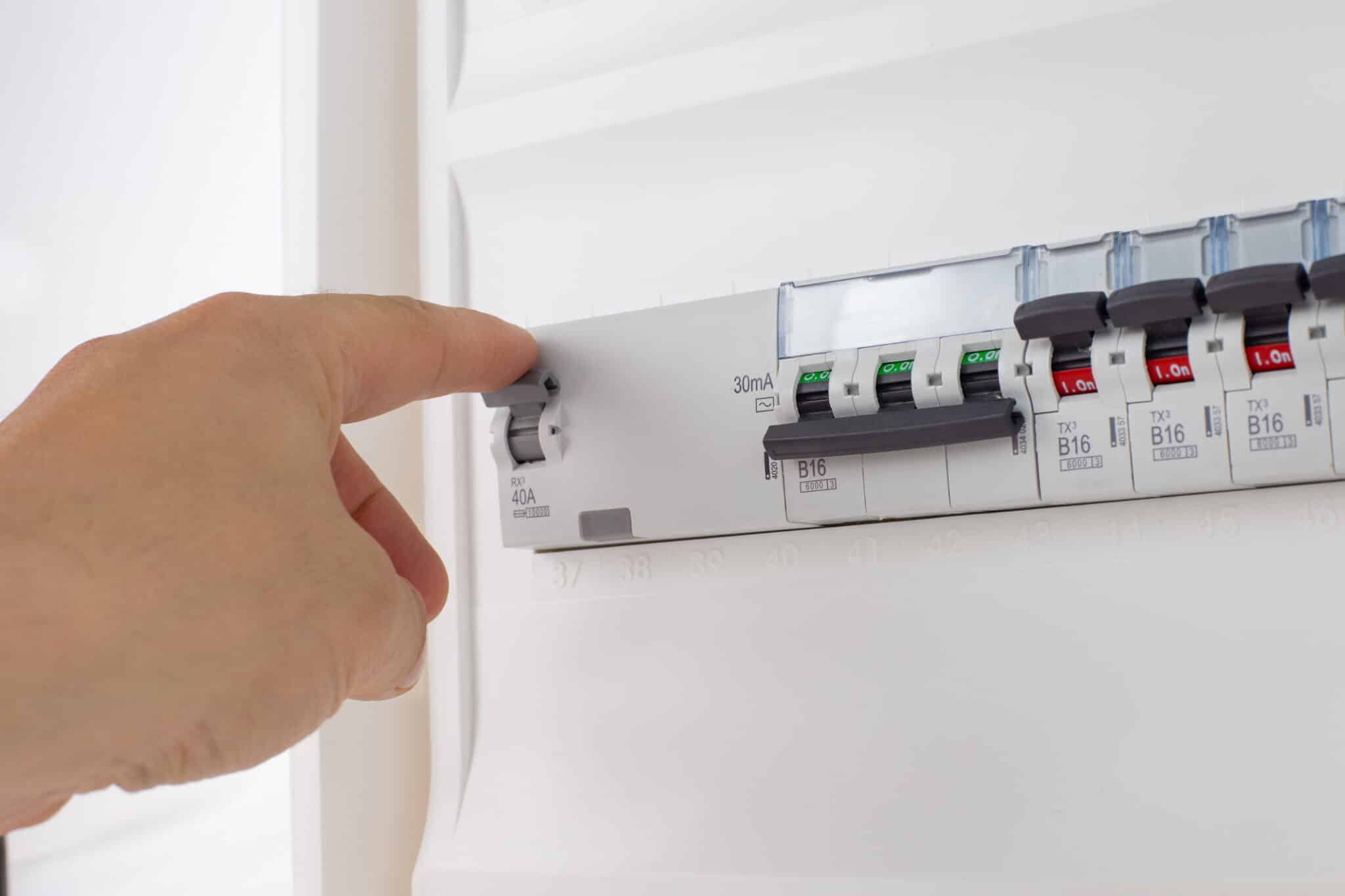
Begin by turning off the power at the circuit breaker to ensure safety before starting your ceiling box support installation. Remove the existing fixture and box, carefully disconnecting all wires and setting them aside. Use a stud finder to locate the ceiling joist or framing where the new support will anchor. This step ensures your ceiling box support attaches securely and can handle the weight of your fixture.
Position the fan rated box so it aligns with the joist or mounting bar, following the manufacturer’s instructions. If your ceiling requires an adjustable bracket, extend it until it fits snugly between joists. Secure the ceiling box support using the provided screws or bolts, tightening them until the box feels stable. In Katy, TX, this anchoring method meets local safety standards for heavy fixtures.
Next, connect the fixture wires to the house wiring using wire nuts, matching each color as directed in the instructions. Tuck the wires neatly into the box, making sure nothing is pinched or exposed. Attach the fixture mounting bracket to the ceiling box support, ensuring it is level and secure. This step provides a strong base for your ceiling fan or chandelier.
Finally, mount your fixture onto the bracket, double-checking all fasteners for a tight fit. Restore power at the breaker and test the fixture for proper operation. If you live in Conroe, this process ensures compliance with local codes for ceiling box support. With careful installation, your heavy fixture will remain safe and secure for years to come.
Common Mistakes When Installing Ceiling Box Support
Many homeowners make the mistake of using a standard electrical box instead of a fan rated ceiling box support. Standard boxes are not designed to handle the weight or movement of heavy fixtures. This oversight can lead to loose or unstable installations over time. In Katy, TX, always verify that your box is specifically rated for ceiling fans or chandeliers.
Another common error is failing to anchor the ceiling box support securely to a joist or appropriate framing. Relying on drywall or weak supports can cause the fixture to sag or even fall. Proper anchoring is essential for both safety and code compliance. Taking shortcuts during installation puts your home and family at risk.
Incorrectly connecting wires inside the ceiling box support is also a frequent issue. Loose or exposed wires can create electrical hazards and affect fixture performance. Always match wire colors and secure connections with wire nuts. Double-checking your work helps prevent future problems and ensures a safe installation.
Some homeowners in Conroe skip reading the manufacturer’s instructions, leading to improper assembly of the ceiling box support. Missing key steps or using the wrong hardware can compromise stability. Carefully follow all provided guidelines for best results. A careful approach guarantees your heavy fixture remains secure for years to come.
Safety Tips for Working with Heavy Fixtures
Safety is the top priority when installing ceiling box support for heavy fixtures. Always turn off power at the breaker before starting any electrical work. Use a voltage tester to confirm there is no electricity at the ceiling box. This simple step helps prevent shocks and keeps your project safe.
Wear safety glasses and gloves to protect yourself from falling debris and sharp edges during installation. Use a sturdy ladder that allows you to work comfortably at ceiling height. Keep tools and materials within easy reach to avoid unnecessary movements. Being prepared reduces the risk of accidents while working overhead.
When installing ceiling box support, always anchor the box directly to a ceiling joist or use a secure mounting bar. This ensures the box can handle the weight and vibration of heavy fixtures. In Katy, TX, this method meets local safety standards and helps prevent future problems. Double-check all fasteners for a tight, stable fit before mounting your fixture.
After installation, inspect all wire connections to confirm they are tight and properly insulated. Avoid overcrowding the ceiling box support with excess wiring or hardware. Test the fixture for stability and proper operation before restoring power. Homeowners in Conroe can trust these steps to keep their heavy fixtures safe and secure for years.

Frequently Asked Questions
What is a ceiling box support for heavy fixtures?
A ceiling box support is a sturdy device designed to hold heavy fixtures like ceiling fans or large light fixtures safely. It attaches securely to ceiling joists, providing extra strength and stability for the mounted fixture. Using a proper ceiling box support helps prevent accidents and ensures your fixture stays in place over time. Always choose a fan-rated box when installing anything heavier than a standard light fixture.
How do I choose the right ceiling box support?
To select the right ceiling box support, check the weight rating to match your fixture’s needs. Choose a fan-rated box for ceiling fans or heavy lights to ensure safety. Look for a support that fits securely between your ceiling joists for maximum stability. Always verify compatibility with your ceiling type and local building codes before installation.
What weight can a standard ceiling box hold?
A standard ceiling box support typically holds up to 50 pounds when installed correctly. However, many heavy fixtures or ceiling fans require stronger, fan-rated boxes for proper support. Using the right ceiling box support helps prevent sagging or damage over time. Always check the manufacturer’s weight rating before mounting any fixture to ensure lasting safety.
Are special tools needed to install heavy fixture supports?
Most ceiling box support installations only require basic hand tools like a screwdriver, pliers, and a drill. For some projects, you might also need a stud finder to locate ceiling joists and ensure proper placement. A level helps keep the ceiling box support straight and secure for heavy fixtures. These common tools make the process efficient and help guarantee a safe, stable installation.
Can I install a heavy fixture on any ceiling box?
Not every ceiling box support can safely hold a heavy fixture, especially if it is not rated for extra weight. Always use a fan-rated ceiling box support specifically designed for ceiling fans or heavy lighting fixtures. Installing a heavy fixture on a standard box may lead to instability and potential safety hazards. For peace of mind, choose the correct support to ensure your fixture remains secure over time.