





As summer temperatures soar in Katy, TX, attic wiring safety becomes even more important for homeowners. High heat can put extra stress on electrical systems tucked away in attic spaces. Properly maintained wiring helps prevent hazards like overheating, short circuits, and even potential fires. Focusing on attic wiring safety gives you peace of mind all season long.
Many homes in nearby Pearland also face similar challenges with summer heat and attic electrical systems. Attics can become extremely hot, making it crucial to ensure all wiring is up to code and safely routed. Taking preventive steps can help protect your property and everyone inside. Awareness and regular inspections are key to maintaining a safe environment.
Attic wiring safety involves more than just checking for visible issues. It includes best practices for how cables are routed and secured, as well as ensuring junction boxes are accessible. Insulation and temperature ratings must be considered to avoid dangerous overheating. Protecting wiring from pests and moisture is also essential for long-term safety.
Homeowners in Richmond, TX, know that summer can bring unique risks to attic wiring. Addressing these concerns now can help avoid costly repairs or emergencies later. By following a comprehensive attic wiring safety checklist, you can identify and fix potential problems early. A proactive approach keeps your home and loved ones safe throughout the hottest months.
Understanding Summer Heat Risks in Attic Wiring
Attic wiring safety becomes critical as summer temperatures climb, especially in areas like Katy, TX. Extreme heat in attics can push electrical components beyond their intended limits. Overheated wires may degrade faster, increasing the risk of insulation breakdown or electrical shorts. Proper precautions help prevent these issues before they become serious hazards.
Cables running through hot attic spaces must be rated for high temperatures to ensure attic wiring safety. Using the wrong type of wire can lead to dangerous overheating during summer. Homeowners should verify that all attic wiring meets local code requirements for temperature ratings. This step is especially important for older homes, which may have outdated wiring.
Moisture and pests can also threaten attic wiring safety during the summer months. Humid conditions in attics create an environment where mold, corrosion, or insects can damage cables. Regular inspections help catch these problems early, before they compromise the electrical system. Homeowners in Pearland should pay close attention to signs of moisture or pest intrusion.
Junction boxes play a vital role in attic wiring safety by providing secure connections and easy access for maintenance. Boxes must remain accessible and free from insulation or debris that could trap heat. In Richmond, TX, ensuring that junction boxes are visible and properly covered helps prevent accidental damage or fire risks. Taking these steps keeps your attic electrical system safe throughout the hottest part of the year.
Attic Wiring Safety: Proper Routing and Securing of Cables
Attic wiring safety starts with careful planning of cable routes to minimize exposure to extreme heat. Wires should be kept away from areas where insulation can trap heat and cause overheating. Running cables along rafters or joists helps prevent sagging and damage from foot traffic. This approach also makes future inspections and repairs much easier for homeowners.
Securing cables properly is essential for maintaining attic wiring safety during the hot summer months. Use approved fasteners to keep wires snug against framing without pinching or damaging the insulation. Avoid letting cables hang loosely, as this increases the risk of accidental contact or abrasion. Secure routing also helps deter pests from nesting near or chewing on electrical wires.
Homeowners in Pearland should ensure that no wiring is buried under heavy insulation, which can cause dangerous heat buildup. Attic wiring safety improves when cables remain visible and accessible for regular checks. Keeping wires above insulation also reduces the risk of moisture collecting around electrical components. This simple step helps prevent both overheating and hidden damage.
In Richmond, TX, it’s important to check that all splices and connections are inside accessible junction boxes. This practice supports attic wiring safety by reducing fire risks and making maintenance straightforward. Clearly marked and uncovered junction boxes allow quick response if issues arise during the summer. Proper routing and securing of cables provide a strong foundation for a safe attic electrical system.
Ensuring Easy Access to Junction Boxes
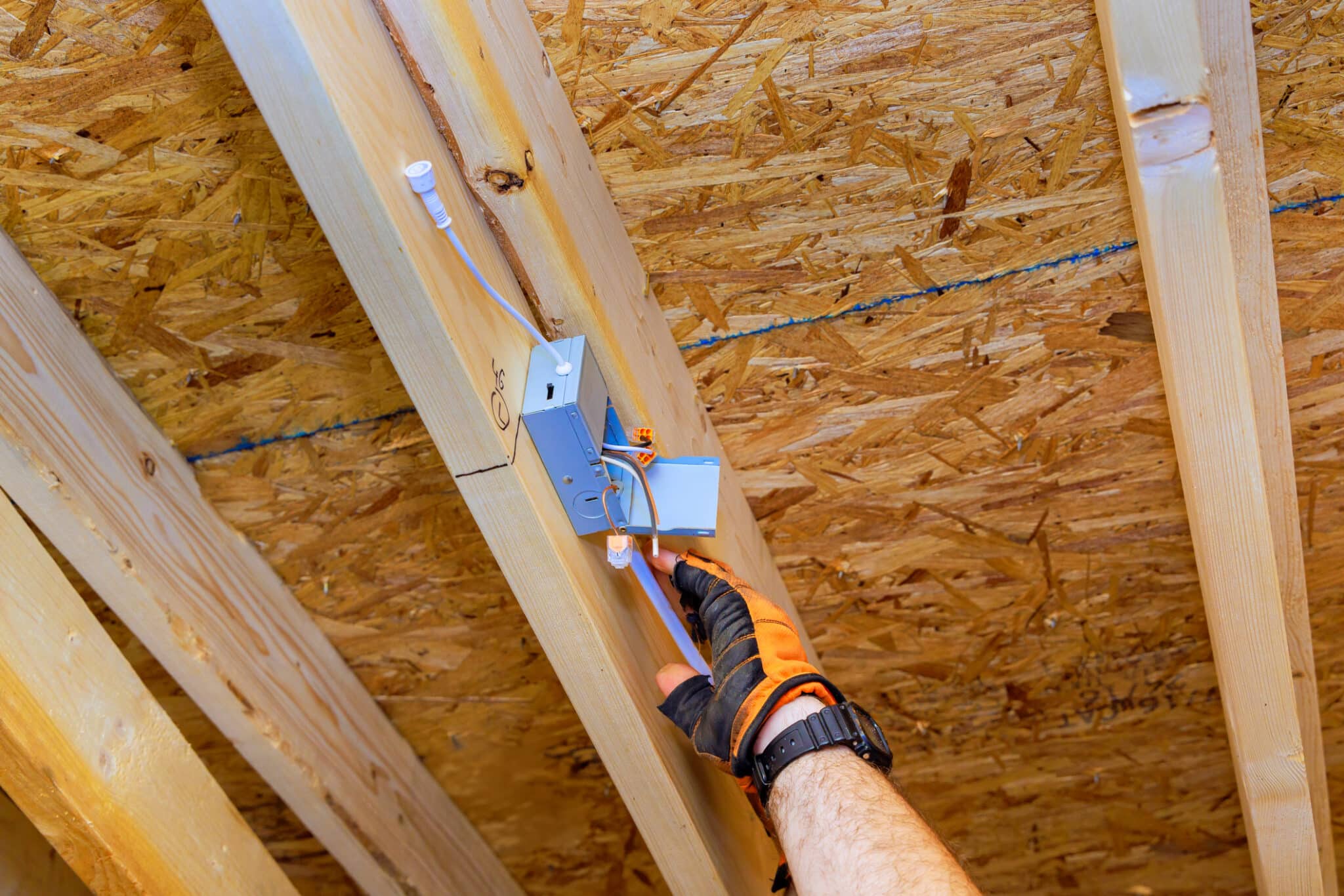
Easy access to junction boxes is a key part of attic wiring safety during the summer. Junction boxes must remain visible and unobstructed by insulation or stored items. Keeping them accessible allows for quick inspections and safe repairs if needed. This is especially important when temperatures rise and electrical issues can develop rapidly.
Homeowners in Pearland should regularly check that no insulation covers their attic junction boxes. Covered boxes can trap heat and make it difficult to spot problems early. Accessible boxes help prevent overheating and reduce the risk of electrical fires. Attic wiring safety relies on being able to reach these connections without delay.
Labeling each junction box clearly supports attic wiring safety and streamlines future maintenance. Marked boxes make it easier for electricians or homeowners to identify circuits quickly in an emergency. This small step saves time and helps avoid confusion during routine checks or repairs. Clear labeling is an effective way to boost safety for everyone in the home.
In Richmond, TX, ensuring junction boxes are tightly sealed and properly mounted is essential. Loose or damaged covers can allow dust, moisture, or pests to enter and damage wiring. Secure covers protect electrical connections and maintain attic wiring safety throughout the hottest months. Regularly inspecting these boxes helps catch minor issues before they become major problems.
Insulation and Temperature Ratings for Attic Wiring
Attic wiring safety depends on choosing wires with proper insulation and temperature ratings for extreme summer heat. Not all wiring is designed to handle the high temperatures often found in attics during a Texas summer. Using cables rated for attic environments helps prevent insulation breakdown and electrical hazards. Homeowners should confirm that their attic wiring meets or exceeds local code requirements.
Insulation plays a critical role in protecting attic wiring from heat and moisture. Poorly insulated wires can overheat, especially when surrounded by thick attic insulation that traps warmth. In Pearland, homeowners should check that wires are not buried under heavy insulation, as this can cause dangerous heat buildup. Keeping wiring visible and clear of insulation supports attic wiring safety all summer.
Temperature ratings are clearly marked on electrical cables and should match the conditions found in your attic. Using wires with a low temperature rating in a hot attic increases the risk of melting or fire. In Richmond, TX, it’s important to verify that all attic wiring is rated for at least 194°F (90°C). This precaution helps ensure long-term attic wiring safety in extreme heat.
Moisture resistance is another factor to consider when selecting attic wiring. Attics can experience humidity or leaks, which may cause corrosion or mold on wires. Choosing wires with moisture-resistant insulation adds another layer of attic wiring safety. Regular inspections help catch any signs of damage before they lead to bigger problems.
Protecting Wiring from Pests and Moisture
Protecting attic wiring from pests and moisture is a crucial part of attic wiring safety during the summer. Rodents and insects often seek out attics for shelter, especially in hot weather. These pests can chew through insulation and wiring, causing dangerous shorts or even fires. Regularly inspect your attic for signs of droppings, nests, or damaged cables to prevent these issues.
Moisture is another risk that can threaten attic wiring safety, particularly during humid months. Leaks from roofs or HVAC systems may go unnoticed in rarely visited attic spaces. Damp conditions promote corrosion and mold, which can weaken wiring insulation. Address any roof leaks promptly and use a dehumidifier if necessary to keep your attic dry.
Homeowners in Pearland should consider installing metal conduit or protective covers on exposed wiring to deter pests. Sealing entry points, such as gaps around vents or eaves, helps keep rodents and insects out. Attic wiring safety improves when you combine pest prevention with regular cable inspections. These steps reduce the risk of costly electrical repairs in the future.
In Richmond, TX, using moisture-resistant wiring and vapor barriers is an effective way to safeguard attic electrical systems. Check for water stains or musty odors, which may indicate hidden moisture problems. Attic wiring safety relies on keeping cables dry and free from pest damage all summer long. Consistent maintenance ensures your attic remains a safe space for electrical components.
Attic Wiring Safety: Avoiding Overloaded Circuits
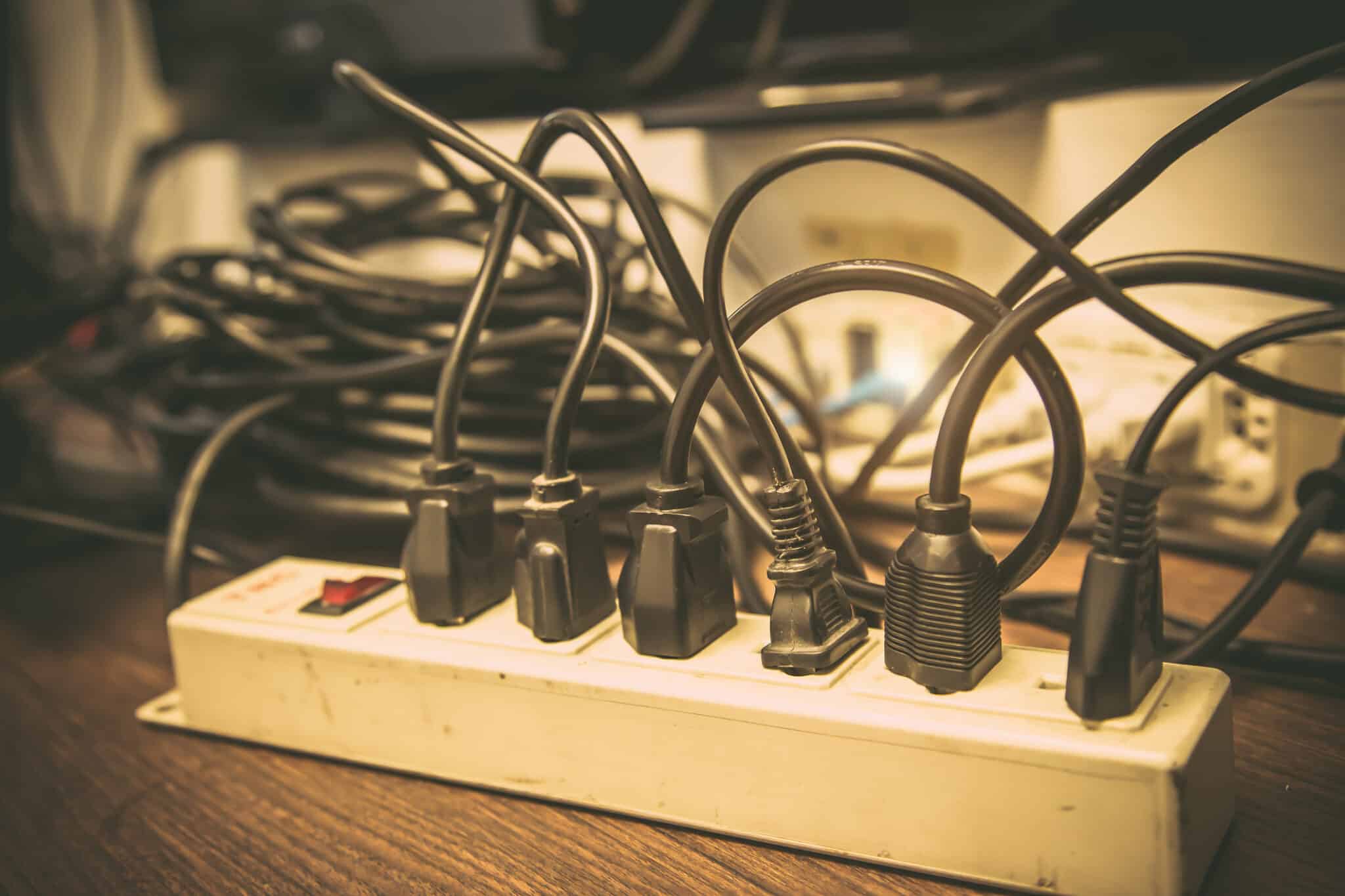
Attic wiring safety also means preventing overloaded circuits, which can become a serious hazard during the summer. High attic temperatures can make wires more vulnerable to overheating if too many devices share the same circuit. Homeowners in Pearland should avoid plugging multiple high-wattage appliances into a single outlet or extension cord. Regularly check your breaker panel for tripped breakers or signs of scorching, which may indicate an overloaded circuit.
Adding new electrical devices or upgrades in the attic requires careful planning to maintain attic wiring safety. Before making changes, evaluate the current circuit load and consult a licensed electrician if you are unsure. Overloading circuits can cause wires to heat up, increasing the risk of fire or permanent damage. A professional can help balance the load and ensure all wiring meets code requirements.
Attic wiring safety improves when circuits are clearly labeled and organized. Labels help you quickly identify which outlets and lights belong to each breaker, reducing confusion during emergencies. In Richmond, TX, keeping an updated circuit map makes troubleshooting faster and safer for everyone. This simple step supports safer electrical maintenance throughout the summer.
Routine inspections help catch overloaded circuits before they become a problem. Look for flickering lights, buzzing outlets, or warm switch plates as warning signs. Address any electrical issues right away to protect your attic wiring safety. Staying proactive keeps your attic electrical system reliable and secure during the hottest months.
Signs of Attic Wiring Damage to Watch For
Spotting early signs of attic wiring damage is essential for maintaining attic wiring safety during the summer heat. Discolored or charred outlets may signal overheating or hidden electrical faults. In Pearland, residents should look for a burning smell or unusual buzzing from outlets and switches, which can indicate trouble. These symptoms often point to wiring issues that need prompt attention to prevent bigger hazards.
Frayed or cracked insulation on wires is another warning sign of compromised attic wiring safety. Damaged insulation exposes wires to moisture and pests, increasing the risk of shorts or fire. Homeowners in Richmond, TX, should inspect attic wiring for visible nicks or cuts in the outer covering. Addressing damaged insulation early helps avoid more serious electrical problems down the line.
Flickering lights or frequent circuit breaker trips are clear signals of potential attic wiring damage. These issues can stem from overloaded circuits, loose connections, or deteriorated wires hidden in the attic. Pay attention to outlets that feel warm to the touch, as this may indicate overheating. Regularly testing outlets and switches supports ongoing attic wiring safety throughout the summer.
Unexplained power outages in certain rooms or devices not working properly may also suggest wiring trouble in the attic. Listen for crackling sounds or notice if lights dim when appliances start. These subtle changes can be signs of underlying electrical faults that compromise attic wiring safety. Prompt professional inspection helps ensure your home remains safe during the hottest months.
Attic Wiring Safety: When to Call a Professional Electrician
Knowing when to call a professional electrician is a key part of attic wiring safety during the summer heat. If you discover damaged wires, burnt outlets, or frequent breaker trips, it’s time to seek expert help. Attempting complex repairs yourself can increase the risk of fire or injury. A licensed electrician ensures all work meets local code and safety standards.
Homeowners in Pearland should contact a professional if they notice persistent buzzing, flickering lights, or unexplained power outages. These symptoms often signal deeper electrical issues that require specialized tools and knowledge. An expert can thoroughly inspect your attic wiring and identify hidden hazards. Timely intervention helps prevent costly damage and keeps your home safe.
In Richmond, TX, it’s important to hire an electrician for upgrades, circuit additions, or major repairs in the attic. Professionals can assess your electrical load and recommend safe solutions for summer heat. They also check temperature ratings, insulation, and junction box access to maintain attic wiring safety. This proactive approach ensures your system remains reliable all season.
Regular maintenance visits from a licensed electrician support long-term attic wiring safety. Scheduled inspections catch potential problems before they escalate into emergencies. Experts can also offer advice on pest prevention and moisture control for attic wiring. Relying on professional guidance gives you peace of mind throughout the hottest months.
Frequently Asked Questions
What are the risks of attic wiring during summer heat?
High summer temperatures in Katy can cause attic wiring to overheat, increasing the risk of electrical fires and insulation damage. Poor attic wiring safety may also lead to melted wire coverings, which expose conductors and create shock hazards. Excess heat can weaken cable connections, making them more likely to fail or spark unexpectedly. Proper attic wiring safety helps prevent these issues and keeps your home protected during the hottest months.
How can attic wiring safety be maintained in hot weather?
To maintain attic wiring safety in hot weather, use cables rated for high temperatures and avoid running them near insulation. Secure all wiring with proper fasteners to prevent sagging or contact with sharp objects. Ensure junction boxes remain accessible and sealed to block moisture and pests. Regular inspections help spot early signs of damage and keep your attic wiring safety up to standard.
What should I include in an attic wiring safety checklist?
An attic wiring safety checklist should include using temperature-rated cables, securing wires away from insulation, and protecting against pests and moisture. Ensure all junction boxes remain accessible and tightly sealed to prevent accidental contact or water intrusion. Check for damaged insulation or exposed wires during routine inspections to maintain attic wiring safety. Finally, confirm that all cable connections are tight and free of corrosion for safe, reliable performance in Katy’s summer heat.
How often should attic wiring safety inspections be done?
Schedule attic wiring safety inspections at least once a year, especially before the summer heat arrives in Katy. Extreme temperatures can cause wiring issues to develop quickly, so regular checks help catch problems early. After severe weather or pest activity, consider an extra inspection for added peace of mind. Keeping a consistent attic wiring safety routine protects your home and ensures electrical systems remain reliable all season.
What signs indicate unsafe attic wiring in summer?
Visible signs of unsafe attic wiring include melted insulation, discolored wires, or a burning smell during hot summer days. Flickering lights or frequently tripped breakers often signal problems with attic wiring safety that need immediate attention. Unusual buzzing sounds near junction boxes or exposed wires also indicate potential hazards in the attic. Promptly addressing these warning signs helps maintain attic wiring safety and protects your Katy home from electrical risks.