





Understanding the essentials of a generator load test is crucial for every homeowner, especially for those residing in areas prone to power outages, like Katy, TX. This process not only ensures your standby generator is in optimal working condition but also identifies potential issues before they escalate. Regular testing can be the difference between being comfortably powered during an outage and facing unexpected darkness. It’s a proactive step towards maintaining uninterrupted power supply to your home.
A generator load test assesses the generator’s ability to handle its expected load efficiently. Think of it as a practice run for your generator, simulating real-life power demands to guarantee it can perform when you need it most. Such tests help in pinpointing any operational weaknesses, ensuring your generator is ready and reliable. Conducting these tests can save you from the inconvenience of generator failure during critical times.
However, performing a generator load test requires careful attention to safety and proper procedure. It’s not just about turning the generator on, it involves a series of steps to safely apply the appropriate load, monitor performance, and interpret the results. Without the right approach, you risk damaging the generator or compromising your safety. Therefore, understanding the correct method is key to a successful and safe generator load test.
But when the task seems daunting or if the test indicates problems, it’s wise to call in a professional from the local area, like Pearland or Katy, TX. Local electricians have the expertise to conduct thorough and safe generator load tests, diagnose any issues accurately, and provide the necessary repairs or maintenance. They ensure your standby generator is in peak condition, giving you peace of mind that your home will remain powered during outages.
Understanding the Importance of a Generator Load Test
Performing a generator load test is a critical step in ensuring your home’s standby generator is up to the task during an outage. This test simulates actual electrical loads to check the generator’s performance under stress. It’s a practical way to see if your generator can handle your home’s needs during a power failure. Ensuring your generator passes this test means you can rely on it when it matters most, avoiding the inconvenience of power loss.
Safety is paramount when conducting a generator load test. It’s essential to follow a specific procedure to prevent damage to the generator or risk to your safety. The process includes gradually applying the load, monitoring the generator’s response, and adjusting as necessary. This careful approach helps identify any issues without causing harm to the generator or your home’s electrical system.
If you notice problems during the test, such as the generator struggling with the load or unusual noises, it’s a sign to take action. These issues could indicate the need for maintenance or repairs to ensure the generator’s reliability. Addressing these concerns promptly can save you from bigger problems down the line. It’s about keeping your generator ready for whenever you need it, ensuring it won’t let you down during a critical time.
For those in Pearland or Katy, TX, seeking professional help for a generator load test is a wise choice. Local electricians specialize in these tests and can provide the expertise needed for a thorough and safe examination. They can diagnose any problems accurately and offer the necessary solutions. Relying on a professional ensures your standby generator is in top condition, ready to provide uninterrupted power to your home during outages.
How to Prepare for a Generator Load Test
Before starting a generator load test, it’s crucial to ensure your generator is ready for the task. Begin by checking the fuel level to guarantee it has enough to complete the test without interruptions. Next, verify that the oil level is adequate, as running a test with low oil can damage the generator. Ensuring these basic maintenance checks are done sets a solid foundation for a successful generator load test.
Moving on, it’s important to connect the generator to the loads it will typically power during an outage. This might include essential appliances like refrigerators, air conditioners, and lights. Doing so mimics the real-life scenario your generator would face, providing accurate results on its performance. This step is key in assessing whether your standby generator can truly support your home’s needs during a power disruption.
As you proceed with the generator load test, carefully monitor the generator’s response to the applied load. Watch for any signs of struggle or failure to maintain power, as these could indicate underlying issues. It’s also wise to listen for any unusual noises that emerge during the test, as they could point to mechanical problems. Observing these responses closely helps in identifying any potential concerns early on.
If at any point during the test you feel unsure or notice something amiss, don’t hesitate to seek professional help. Electricians in Katy, TX, are well-equipped to handle generator load tests and can provide the expertise needed for a thorough evaluation. They can offer guidance on any necessary repairs or maintenance, ensuring your generator is in optimal condition. Relying on a professional not only ensures safety but also peace of mind that your generator will perform reliably when you need it most.
Step-by-Step Guide to Performing a Generator Load Test
To begin a generator load test, first, ensure all connections to your home’s electrical system are secure and correct. This step is crucial for safety and accuracy during the test. Check that the generator’s switch is in the correct position to supply power, then turn on the generator. Starting with a stable setup ensures the test runs smoothly from start to finish.
Next, gradually apply the expected load to the generator by turning on the connected appliances one at a time. This methodical approach prevents overwhelming the generator suddenly, allowing you to accurately assess its performance under incremental stress. Keep an eye on the generator’s output to ensure it meets the demands of each appliance. This step is key in understanding how your generator will perform during an actual power outage.
During the test, pay close attention to the generator’s performance indicators, such as voltage and frequency. These metrics should remain within the recommended ranges to confirm the generator is operating efficiently. If you observe any significant deviations, it may signal that the generator is under stress or malfunctioning. Monitoring these indicators closely helps in identifying issues that could affect reliability during critical times.
If you encounter any problems or if the generator fails to meet the load requirements, it’s important to consult with a professional. Electricians in Katy, TX, have the expertise to troubleshoot issues accurately and can advise on the best course of action. They can perform more detailed assessments and repairs if necessary, ensuring your generator is fully prepared to keep your home powered during an outage. Trusting a professional with this task guarantees the safety and reliability of your standby generator.
Identifying Common Issues During a Generator Load Test
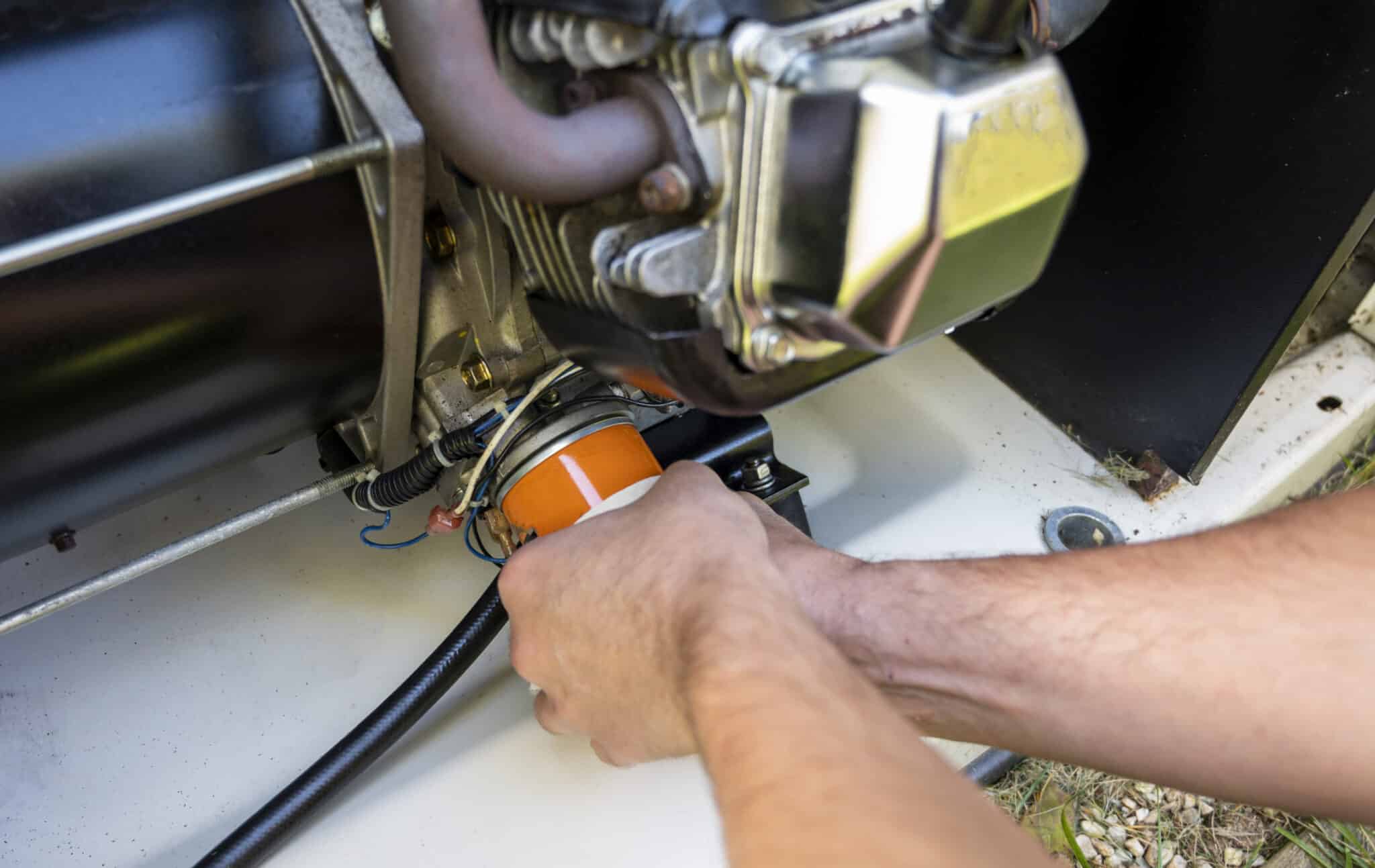
Identifying common issues during a generator load test can save homeowners from future headaches. If the generator exhibits difficulty in starting or shows fluctuations in power output, these are red flags. Such symptoms might suggest problems with the fuel system or electrical components, requiring immediate attention. Addressing these signs early on ensures the generator remains reliable when you most need it.
Another issue to watch for is unusual noises, such as grinding or banging, which can indicate mechanical problems. These sounds often point to issues within the generator’s engine or alternator, which are critical for smooth operation. Ignoring these noises can lead to more significant, costly repairs down the line. Promptly consulting a professional upon noticing these sounds can prevent further damage.
Additionally, if the generator fails to carry the expected load or shuts down unexpectedly during the test, it signals a potential overload or a safety mechanism activation. This situation requires a thorough examination to determine whether the generator’s capacity matches your home’s needs. Sometimes, a simple adjustment or repair can resolve these issues, ensuring the generator’s efficiency and longevity.
When encountering any of these issues, reaching out to a qualified electrician in Pearland or Katy, TX, is a wise decision. They possess the necessary expertise to diagnose and fix generator problems accurately. Trusting these professionals not only guarantees the safety of your electrical system but also secures your home’s power supply during outages, giving you peace of mind.
When to Call a Professional for a Generator Load Test
Knowing when to call a professional for a generator load test is crucial for ensuring your home’s power system is both efficient and safe. If you’re unsure about how to properly conduct a test or interpret the results, it’s time to seek expert help. Professionals have the right tools and knowledge to perform comprehensive evaluations. They can ensure your standby generator meets the demands of your home in Katy, TX, without risking damage or safety hazards.
Electricians specialize in diagnosing and fixing any issues that arise during a generator load test. If your generator struggles with the load, makes unusual noises, or shows signs of wear, these are clear indicators you need a professional’s insight. They can pinpoint the exact problem, whether it’s a fuel issue, a mechanical failure, or an electrical fault. This expertise saves you time and money by avoiding unnecessary repairs or replacements.
For homeowners in Pearland, reaching out to a local electrician is a wise decision following a generator load test. They can offer advice on maintaining your generator to prevent future issues. Regular professional check-ups can extend the life of your generator, ensuring it provides reliable power during outages. Their guidance can be invaluable, especially if you’re unfamiliar with the technical aspects of generator maintenance.
Ultimately, the goal is to have a standby generator that you can count on during power outages. If your generator load test uncovers any concerns, or if you’re not confident in conducting the test yourself, calling a professional is the best course of action. They ensure your generator is in top condition, ready to keep your home powered in any situation. Trusting a professional with your generator load test guarantees peace of mind, knowing your home in Katy, TX, is prepared for whatever comes its way.
The Role of Maintenance in Generator Load Test Success
Regular maintenance plays a pivotal role in the success of a generator load test, ensuring the longevity and reliability of your standby generator. By adhering to a scheduled maintenance plan, homeowners in Katy, TX, can prevent most issues that might arise during a load test. This includes checking fuel levels, ensuring oil is at the right mark, and verifying that all electrical connections are secure and corrosion-free. Such preventive measures not only facilitate a smoother load test but also enhance the overall performance of the generator.
In addition to routine checks, addressing any signs of wear or damage immediately is crucial. If during a maintenance check, you notice frayed wires, leaks, or any abnormalities, it’s important to resolve these issues before proceeding with a generator load test. Ignoring such signs can lead to more serious problems, potentially compromising the generator’s ability to perform when needed most. Proactive maintenance ensures that your generator remains a reliable source of power for your home.
Pearland residents should consider the environment in which the generator operates, as external factors can impact its condition and necessitate more frequent maintenance. Extreme weather conditions, for example, can affect a generator’s components, leading to faster wear and tear. By tailoring maintenance schedules to account for these external factors, homeowners can better prepare their generators for successful load testing and uninterrupted operation during power outages.
Ultimately, the key to a successful generator load test and uninterrupted power supply lies in regular and thorough maintenance. By keeping your generator in top condition, you ensure it’s ready to perform when you need it most. For those who may not be comfortable performing maintenance themselves, reaching out to a professional electrician in Katy, TX, is a wise choice. They can provide expert maintenance services, ensuring your generator passes its load test and operates efficiently, providing peace of mind and security for your home.
Generator Load Test Safety Tips
Conducting a generator load test safely is paramount for homeowners in Katy, TX. Before initiating the test, ensure that all safety protocols are in place to protect both the generator and the individuals conducting the test. This includes wearing appropriate safety gear and making sure the generator is situated in a well-ventilated area to prevent the buildup of hazardous fumes. Taking these precautions seriously minimizes risks, ensuring the test proceeds without any safety concerns.
During the generator load test, it’s crucial to monitor the generator’s performance closely for any signs of distress. If the generator starts exhibiting unusual behavior, such as overheating or producing strange noises, it’s important to stop the test immediately. These signs could indicate underlying issues that require attention. Promptly addressing these signs helps prevent potential damage to the generator and keeps everyone involved safe.
After completing the generator load test, reviewing the results carefully is a key step. This involves checking if the generator maintained the necessary output levels and operated within safe parameters throughout the test. If any discrepancies are noted, homeowners in Pearland should consider consulting with a professional electrician. A professional can offer insights into the test results and recommend any necessary adjustments or repairs to ensure the generator operates safely and efficiently.
Lastly, maintaining a regular schedule for generator load tests and adhering to safety tips can significantly extend the life of your standby generator. Homeowners should aim to conduct these tests at least once a year or as recommended by their generator’s manufacturer. By following these safety tips and ensuring proper maintenance, residents in Katy, TX, can enjoy peace of mind knowing their standby generator will perform reliably and safely during an outage.

How Often Should You Perform a Generator Load Test?
Determining the frequency of a generator load test is crucial for homeowners aiming to maintain uninterrupted power. Experts recommend conducting these tests annually to ensure your standby generator remains in top condition. This routine check-up can reveal any potential issues before they escalate into major problems. For residents in Katy, TX, adhering to this schedule can mean the difference between reliable power and unexpected outages.
However, certain conditions may necessitate more frequent tests. If your area experiences frequent power outages or if your generator operates under heavy loads regularly, consider increasing the frequency of tests. This proactive approach helps in identifying wear and tear early, ensuring your generator can handle your home’s energy needs when it matters most. Homeowners in Pearland should assess their generator’s performance and consult with professionals to determine the best testing schedule.
After each generator load test, reviewing and acting on the results is essential. If the test uncovers any issues, addressing them promptly can save you from future inconveniences. Whether it’s a minor adjustment or a major repair, taking immediate action ensures your generator remains reliable. This vigilance keeps your standby generator ready for any emergency, providing peace of mind.
In conclusion, the frequency of generator load tests plays a pivotal role in the longevity and reliability of your standby generator. By scheduling annual tests and adjusting as needed based on your generator’s performance and local conditions, you can ensure your home stays powered during outages. Residents of Katy, TX, and surrounding areas can rely on local professionals for guidance and support, ensuring their standby generators are always in prime condition.
Frequently Asked Questions
What is a generator load test?
A generator load test is an important process that checks if your standby generator can handle its full operating capacity. During this test, the generator runs under a specific load for a set period. This ensures it’s ready to work reliably during an outage. Homeowners should consider this test a critical part of their generator’s maintenance routine to avoid unexpected failures.
How often should you perform a load test?
Performing a generator load test should be done annually to ensure your system remains reliable. This regular schedule helps identify potential issues before they become major problems. Skipping this vital maintenance can lead to unexpected failures during critical times. Always mark your calendar or set a reminder to keep your standby generator in top condition.
What equipment is needed for a generator load test?
To conduct a generator load test, you need a few key pieces of equipment. A load bank, which simulates the electrical load the generator will support, is essential. You’ll also require a multimeter to measure voltage and current during the test. Ensure you have access to the generator’s manual for specific instructions and safety precautions. Lastly, personal protective gear is crucial to safeguard against potential electrical hazards.
Can I perform a load test myself?
Yes, you can perform a generator load test by yourself, but it requires careful preparation and understanding of safety procedures. First, ensure you have the right equipment and have reviewed your generator’s manual thoroughly. Remember, safety comes first, so wear protective gear and follow all guidelines closely. However, if you’re unsure or the task seems daunting, it’s wise to call a professional electrician to handle the test.
Why is a generator load test important?
A generator load test is crucial for ensuring your standby generator works reliably when you need it most. It helps identify potential issues early, preventing unexpected failures during power outages. By simulating real operating conditions, this test verifies the generator’s capacity to handle its load. Regular load testing keeps your system ready and efficient, giving you peace of mind during emergencies.