





Proper bonding jumper sizing is essential for keeping electrical systems safe and grounded in homes and businesses. Many property owners in Katy, TX, often overlook this crucial aspect of electrical safety. Without correct sizing and placement, bonding jumpers may fail to provide an effective fault path. This can lead to unnecessary hazards and costly repairs.
Electricians in Rosenberg understand that bonding jumper sizing involves more than just following code requirements. It requires knowledge of current flow and potential fault conditions. The right size ensures that equipment remains safely grounded at all times. This protects people and property from electrical shock and fire risks.
In Richmond, TX, local codes and national standards guide the proper installation of bonding jumpers. Understanding these guidelines helps ensure reliable fault current paths in every electrical system. Each connection point must be evaluated for the correct jumper size. This attention to detail supports long-term safety and compliance.
Whether for a new installation or an upgrade, proper bonding jumper sizing should never be ignored. It forms the backbone of a secure electrical system. Homeowners and business operators benefit from knowing their property is protected. Trusting a qualified electrician ensures peace of mind and lasting electrical safety.
Understanding Bonding Jumpers and Their Purpose
Bonding jumpers play a key role in maintaining a safe electrical system by creating a low-resistance path for fault currents. These conductors connect metal parts that could become energized, directing dangerous currents safely to the ground. In Rosenberg, electricians ensure that every connection point receives the right bonding jumper sizing for maximum protection. This careful approach helps prevent equipment damage and reduces the risk of electric shock.
Understanding the purpose of bonding jumpers makes it clear why proper sizing matters. Bonding jumper sizing ensures the conductor can handle potential fault currents without overheating or failing. The jumper must be large enough to carry the fault current until protective devices trip. This process keeps people and property safe during electrical faults.
Bonding jumpers are installed between service equipment, enclosures, and grounding systems. Each location requires a specific size based on the equipment and potential fault current. In Richmond, TX, electricians follow strict guidelines to select the correct bonding jumper sizing. This attention to detail guarantees a reliable and effective ground path.
A well-installed bonding jumper maintains system integrity and supports long-term electrical safety. Proper placement and sizing help equipment remain grounded even during unexpected faults. Electricians use their expertise to evaluate each situation and choose the best solution for every property. By focusing on bonding jumper sizing, they provide lasting protection for homes and businesses.
Key Electrical Codes for Bonding Jumper Sizing
Bonding jumper sizing must follow specific electrical codes to ensure safety and compliance. The National Electrical Code (NEC) provides clear guidelines for selecting the right size. Electricians in Rosenberg rely on these standards to determine the correct conductor for each application. By following the NEC, they help prevent electrical hazards and ensure reliable grounding.
The NEC bases bonding jumper sizing on the ampacity of the largest ungrounded conductor in the system. Electricians reference NEC tables to find the minimum required size for each jumper. This method ensures that each conductor can handle fault currents without overheating. Accurate sizing keeps systems safe and functional during unexpected events.
Local codes in Richmond, TX, may add requirements to those in the NEC. Electricians must stay updated on any changes or additions to these standards. By combining national and local codes, they guarantee the safest installation possible. This comprehensive approach supports both safety and code compliance.
Proper documentation of bonding jumper sizing helps streamline inspections and future maintenance. Electricians keep detailed records of each jumper’s size and placement. This practice ensures transparency and accountability for every electrical project. Homeowners benefit from knowing their systems meet all safety standards.
Types of Bonding Jumpers Used in Electrical Systems
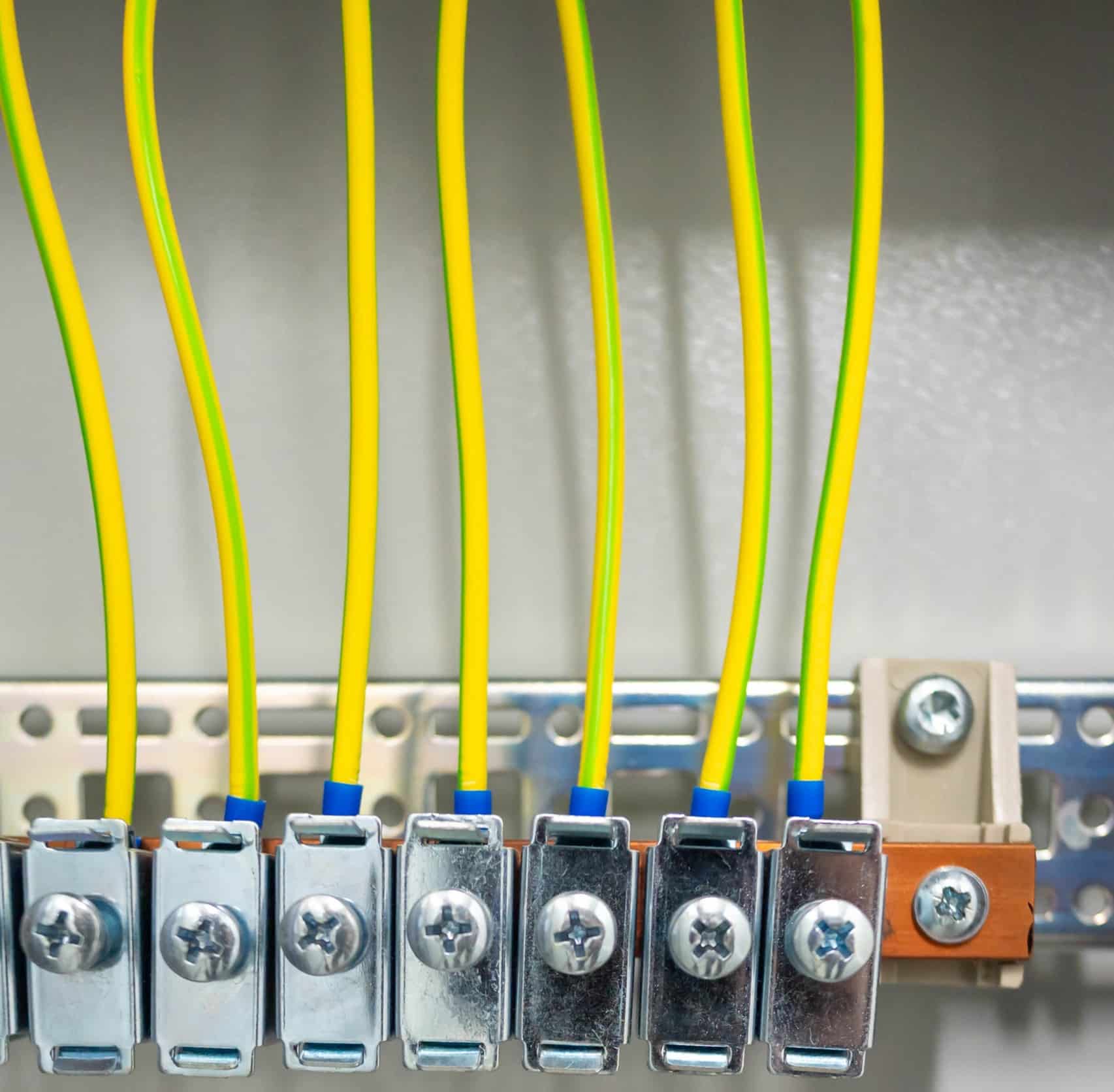
Several types of bonding jumpers are used to ensure effective grounding and fault protection in electrical systems. Main bonding jumpers connect the service equipment to the grounding electrode, establishing a solid reference point for the system. Equipment bonding jumpers link individual pieces of equipment or enclosures to the grounding path. Each type requires careful bonding jumper sizing to handle potential fault currents safely.
Bonding jumpers can be made from copper or aluminum, depending on the installation and code requirements. Flexible bonding jumpers are often used where movement or vibration might occur, such as in certain equipment connections. Rigid jumpers are more common in fixed installations and panel boards. Proper bonding jumper sizing ensures both types can safely carry fault currents without damage.
Electricians in Rosenberg assess which jumper type best fits each application, considering the layout and equipment involved. They select bonding jumper sizing based on the largest ungrounded conductor and the specific jumper’s purpose. This approach provides a reliable ground path and reduces electrical hazards. By matching the jumper type and size, they maintain system integrity throughout the property.
In Richmond, TX, local professionals understand that each bonding jumper serves a unique role in electrical safety. They evaluate equipment needs, grounding points, and potential fault conditions to choose the right jumper. Accurate bonding jumper sizing ensures every connection remains safe and effective over time. This attention to detail supports lasting protection for homes and businesses.
Bonding Jumper Sizing: Calculating the Correct Size
Calculating the correct bonding jumper sizing starts with identifying the largest ungrounded conductor in the system. Electricians reference code tables to match the jumper size with the ampacity of this conductor. This step ensures the bonding jumper can handle fault currents without overheating or failing. In Rosenberg, professionals use this method to maintain safe and compliant installations.
The next step involves checking the length of the bonding jumper run. Longer runs may require a larger conductor size due to increased resistance. Electricians factor in both the material and length when determining bonding jumper sizing. This careful calculation prevents voltage drop and supports effective fault clearing.
After selecting the proper size, electricians verify that connections are secure and continuous. Loose or corroded connections can compromise the fault path, even with correct bonding jumper sizing. In Richmond, TX, experienced electricians inspect every joint to confirm system integrity. This attention ensures the grounding path remains reliable during faults.
Regular testing and visual inspections help maintain proper bonding jumper sizing over time. Any changes to the electrical system may require recalculating the jumper size. Electricians update records to reflect these adjustments and keep the system safe. Home and business owners benefit from this proactive approach to electrical safety.
Placement Guidelines for Effective Bonding Jumpers
Placing bonding jumpers correctly is as important as choosing the right size. Electricians in Rosenberg carefully select locations that ensure a direct, low-resistance path to ground. They avoid sharp bends and unnecessary loops that could increase resistance. Proper placement supports the effectiveness of bonding jumper sizing for every system.
Each bonding jumper must connect metal parts that could become energized during a fault. Electricians ensure these connections are accessible for inspection and maintenance. In Richmond, TX, professionals route jumpers to minimize exposure to physical damage. This careful approach maintains the integrity of the fault path.
Bonding jumper sizing is most effective when jumpers are installed close to the equipment they protect. Placing jumpers too far from the source can reduce their ability to clear faults quickly. Electricians use secure clamps and approved hardware to prevent loosening over time. Consistent placement standards help create a safer electrical environment.
Regular inspections confirm that bonding jumpers remain in the correct locations and maintain solid connections. Any changes to the electrical layout may require adjustments in both placement and bonding jumper sizing. Electricians document these updates to keep records accurate and systems safe. This thorough process provides ongoing protection for homes and businesses.

Common Mistakes in Bonding Jumper Sizing
Many electrical issues arise from common mistakes in bonding jumper sizing, often due to inexperience or rushed installations. One frequent error is choosing a jumper that is too small for the potential fault current. This mistake can lead to overheating and possible failure during an electrical fault. Electricians in Rosenberg take extra care to avoid this by always referencing the correct code tables.
Improper placement is another issue that can reduce the effectiveness of bonding jumper sizing. Placing jumpers too far from equipment or using long, winding routes increases resistance in the fault path. This can delay tripping of protective devices and compromise safety. Regular inspections help catch and correct these placement errors before problems develop.
Neglecting to account for material differences also causes problems in bonding jumper sizing. Copper and aluminum conductors have different ampacities, so using the wrong size for the material can create hazards. In Richmond, TX, skilled electricians always check the material and adjust the jumper size accordingly. This attention to detail ensures every connection meets safety standards.
Failing to update bonding jumper sizing after system changes is another common oversight. Adding new equipment or altering layouts can affect fault current levels and grounding needs. Electricians document any changes and recalculate jumper sizes as needed to maintain protection. This proactive approach keeps electrical systems safe and compliant for years to come.
Tools and Materials for Proper Bonding Jumper Installation
Proper bonding jumper sizing depends on using the right tools and materials for every installation. Electricians in Rosenberg rely on precision measuring devices to determine conductor size and length accurately. Quality wire strippers, cutters, and crimpers help ensure clean, secure connections for each jumper. Using the correct tools reduces the risk of mistakes that could compromise safety.
Selecting the right conductor material is crucial for effective bonding jumper sizing. Copper and aluminum are the most common choices, each with specific ampacity ratings and installation requirements. Electricians in Richmond, TX, match the conductor type to the system and adjust the size as needed. This careful selection helps maintain a reliable fault path throughout the property.
Insulated terminals, approved clamps, and corrosion-resistant hardware are essential for secure bonding jumper installations. These materials prevent loose connections and protect against environmental damage over time. Electricians use hardware rated for the specific application to maintain the integrity of the bonding jumper sizing. Consistent material quality supports long-term electrical safety.
Labeling and documentation tools make it easier to track bonding jumper sizing and placement during inspections or future upgrades. Electricians keep detailed records of all materials used, including conductor sizes and connection points. This organization streamlines maintenance and ensures compliance with electrical codes. Homeowners benefit from knowing their electrical system is safe and well-documented.
Safety Considerations for Bonding Jumper Sizing and Placement
Safety is always the top priority when it comes to bonding jumper sizing and placement. Electricians in Rosenberg take extra precautions to ensure every jumper is installed without risk to people or property. They verify that all connections are tight, corrosion-free, and accessible for routine inspections. This careful attention helps prevent accidental contact and reduces the chance of electrical faults.
Proper bonding jumper sizing also protects against overheating and fire hazards. If a jumper is too small, it may not handle the fault current safely. Electricians in Richmond, TX, always double-check their calculations before installation. They ensure each conductor meets or exceeds the requirements for the equipment and system involved.
Placement is just as important as size for maintaining safety. Bonding jumpers must be routed to avoid sharp edges, heat sources, and areas prone to damage. Electricians use protective covers and approved hardware to secure jumpers in high-traffic or exposed locations. This strategy keeps the fault path reliable and reduces maintenance needs.
Regular testing and visual checks help confirm that bonding jumper sizing and placement remain effective over time. Any signs of wear, corrosion, or loose connections are addressed immediately. Electricians update documentation whenever changes are made to the electrical system. This ongoing vigilance ensures continued protection for homes and businesses.
Frequently Asked Questions
What is bonding jumper sizing and why is it important?
Bonding jumper sizing refers to selecting the correct wire size to connect equipment and maintain a continuous electrical path to ground. Proper sizing ensures fault currents travel safely, reducing the risk of electric shock or fire. Electricians follow specific codes to determine bonding jumper sizing based on system amperage and conductor material. Accurate placement and sizing keep all equipment effectively grounded for reliable protection in every installation.
How do I determine proper bonding jumper sizing?
To determine proper bonding jumper sizing, start by checking the National Electrical Code tables for your system’s amperage and conductor material. Compare these requirements with your installation’s specific needs to select the correct wire size. Always ensure the bonding jumper matches or exceeds the minimum size listed for your equipment. This careful approach keeps fault paths effective and maintains safe grounding throughout your electrical system.
What materials are best for grounding equipment?
Copper and aluminum are the most common materials used for grounding equipment due to their excellent conductivity and durability. Copper offers superior performance and is often preferred for bonding jumper sizing in both residential and commercial settings. Aluminum serves as a cost-effective alternative, especially for larger installations where weight and budget matter. Always choose materials that meet local code requirements to ensure safe and reliable grounding throughout your electrical system.
Are there code requirements for bonding jumpers?
Yes, there are specific code requirements for bonding jumper sizing in electrical systems. The National Electrical Code outlines minimum sizes and installation methods to ensure safety and proper fault clearing. Electricians must follow these guidelines to keep all equipment grounded and compliant with local regulations. Adhering to code requirements helps maintain a safe environment and prevents electrical hazards in every installation.
How often should grounding connections be inspected?
Regular inspections of grounding connections are essential to maintain safe and effective electrical systems. Experts recommend checking bonding jumper sizing and connections at least once a year or during any major electrical work. Routine inspections help identify loose, corroded, or damaged jumpers that could compromise grounding. Keeping up with these checks ensures your equipment stays protected and fault paths remain reliable.