





Key Takeaways About Service Mast Drip Loop
A service mast drip loop is a downward bend in overhead conductors that sheds water away from the mast and panel. This matters for homeowners and property managers when moisture, storms, or corrosion threaten electrical safety and reliability.
- Identify wet streaks corrosion and damaged weatherhead seals promptly.
- Prevent water tracking by keeping the loop low and clear of debris.
- Avoid tight bends and conductor contact with metal that cause wear.
- Spot signs of lug corrosion odd appliance behavior or tripping breakers.
- Reduce long term damage with corrosion resistant hardware and bushings.
- Plan utility coordination when meter can or service drop shows intrusion.
Introduction
Water running down overhead service conductors can sneak into the service mast and drip into the panel, starting corrosion and nuisance trips. A correct service mast drip loop forces water to fall away from the mast before it reaches the weatherhead or panel. Homeowners notice brownish stains, greenish corrosion, or breakers that trip without clear cause when moisture is present. In Katy, TX properties, humidity and heavy rains make proper conductor shaping more important for long term reliability.
Improper conductor clearances or tight bends let moisture bridge insulation and create paths to ground or neutral. Visible fraying, dark streaks, or a rusty weatherhead are signs a drip loop may be missing or shaped poorly. Electricians look for rounded conductor bends and space between energized conductors and grounded metal to avoid arcing. Even small gaps and trapped water can accelerate corrosion on terminals and lugs.
When corrosion reaches the service conductors or panel interior, the safety and function of the home’s electrical system suffer. A corroded neutral can cause flickering lights, odd appliance behavior, or unsafe voltage shifts under load. Coordination with the utility becomes necessary when the issue involves the service drop, weatherhead, or meter canister that the utility owns. Homeowners in Pasadena sometimes discover the problem only after a detailed inspection shows utility-owned components attracting moisture.
A professional diagnosis confirms whether the drip loop, clearances, or utility equipment are the main cause of moisture intrusion. An electrician will inspect conductor shapes, measure clearances, check for corrosion on lugs and grounding conductor connections, and document findings. If the utility’s equipment contributes, the electrician will advise contacting the utility to make repairs or adjustments. Acting early reduces repair costs and lowers the risk of electrical hazards from ongoing moisture exposure.
What A Service Mast Drip Loop Is And How It Works
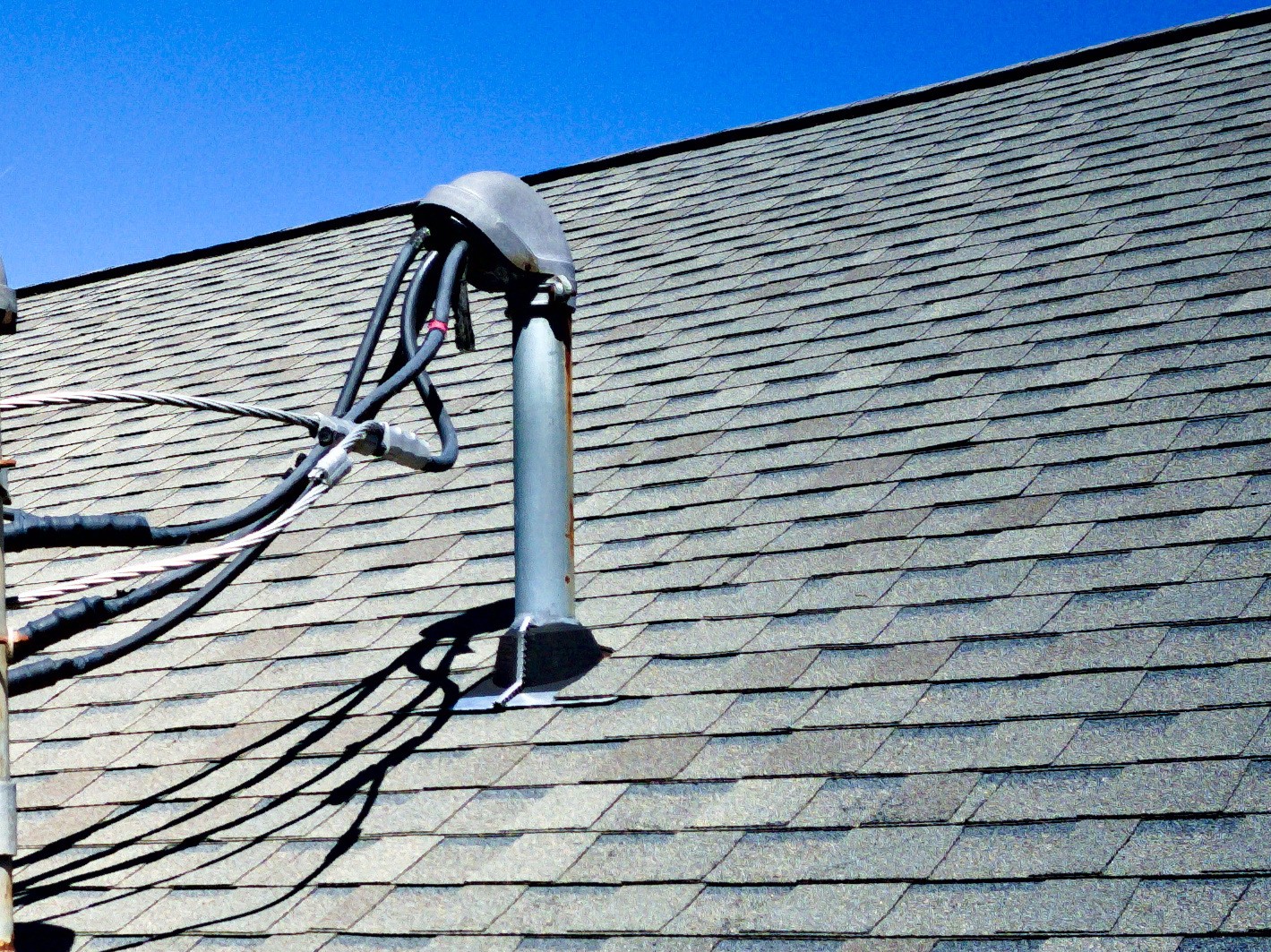
A service mast drip loop is a shaped downward bend in overhead conductors that sheds water away from the mast and panel. The loop works by creating a low point where water collects and drips off before reaching the weatherhead or mast entry. Homeowners often ask whether a visible bend is enough, and the answer is that the bend must sit low enough and stay dry under rain to be effective. An electrician checks that the loop length and sag prevent water from tracking along the conductor into metal fittings.
- Directs water to fall clear of the mast.
- Prevents continuous wetting of the weatherhead.
- Reduces corrosion risk at lugs and terminals.
- Makes visual inspection simpler for homeowners.
Correct drip loops keep water from pooling at the mast entrance and stop capillary travel along insulation to metal parts. A proper loop has a smooth, rounded bend without tight kinks that could trap moisture or damage conductor insulation. This design reduces repeated wet-dry cycles that speed corrosion on the grounding conductor and panel lugs. For homeowners in Katy, TX, keeping that low point clear of debris helps during heavy summer rains.
To confirm a loop works, a professional will inspect the conductor shape, weatherhead condition, and any stains or corrosion nearby. They may run a visual check under ladder access, measure clearances to grounded metal, and test continuity of the grounding conductor if corrosion is suspected. If the mast or weatherhead shows damage or the utility-owned meter canister appears involved, the electrician will recommend contacting the utility or pursue a service mast repair option. You can read more about typical repair steps and coordination on the company’s service mast repair page.
Why Water Enters Masts And How It Happens
Rain and wind drive water along exposed conductors until it finds the smallest opening into a mast or weatherhead. Gaps around the mast entry, cracked rubber seals, or a worn weatherhead allow surface water to follow conductor insulation into the interior. When water reaches metal lugs or the neutral connection, it can cause greenish corrosion and higher resistance that shows up under load. Homeowners in Pasadena sometimes first notice this as a musty odor or brown streaks below the mast after a storm.
Ice or wind-driven spray can force water past seals that normally resist gravity-driven flow on calm days. Conductor insulation with nicks or abrasions offers a path where water can wick toward metal fittings and into the panel. Loose hub fittings or missing bushings let moisture sit against grounded mast tubing, promoting electrochemical corrosion between dissimilar metals.
Birds nesting, leaves, and debris around the weatherhead change how water runs and where it pools on the conductors. Debris that traps moisture at the low point of a loop undermines the loop’s purpose and keeps the weatherhead wet longer. A professional inspects for trapped material, checks seal integrity, and looks for signs of water stains inside the mast or below the meter can. They may also recommend a service entrance upgrade if the mast hardware shows repeated failure, as described on the company’s service entrance upgrade page.
To confirm the entry route a technician follows simple diagnostic steps that homeowners can observe during an inspection. They will look for streaks, take photos, and use a moisture meter to check metal parts and nearby wood for elevated dampness. A visual check of conductor bends, weatherhead seals, and lug surfaces helps locate the likely intrusion point before any replacement. If corrosion compromises the neutral or grounding conductor, the technician will advise repair and coordination with the utility to correct utility-owned equipment.
Proper Conductor Shaping And Required Clearances
Shaping conductors correctly starts with smooth, wide bends that avoid tight kinks and sharp angles which damage insulation. Electricians form rounded loops so water sheds at the low point instead of tracking along insulation toward metal fittings. Proper shaping also helps prevent conductor movement that wears insulation where it rubs against metal mast tubing during wind. Homeowners should note if conductors rub or chafe near the mast as this raises failure risk.
Clearances matter for safety and to prevent arcing between energized conductors and grounded equipment like the mast or weatherhead. A professional measures distance between conductors and the mast, and between individual conductors, to confirm safe separation under rain and wind. If clearances are marginal an electrician will reposition or resecure conductors to restore safe spacing and reduce potential corona or arcing. Maintaining consistent spacing reduces localized heating that speeds corrosion on lugs and connectors.
Secure conductor supports are part of correct shaping to keep the drip loop effective during storms and gusts. Technicians use nonconductive straps or approved clamps placed so the loop hangs freely without being pinched, which prevents trapped water and wear points. They also check that the drip loop low point is below the weatherhead and clear of debris so water can fall away unimpeded.
Diagnosing poor shaping or clearance problems begins with visual signs like tight bends, scraped insulation, or conductors resting on metal. A pro inspects the loop under ladder access, measures clearances, and may use a voltage reading across conductors to confirm stability under load. They document findings with photos and a written report showing where reshaping or added supports are needed to stop moisture travel. Homeowners in Pasadena and those in Katy, TX should share storm observations and visible damage when scheduling an inspection to speed accurate diagnosis.
Materials And Hardware That Prevent Corrosion
Choose corrosion-resistant materials where conductors meet metal fittings to slow electrochemical attack and extend service life. Use stainless steel for mounting hardware because it resists rust where wet conditions recur. Consider tin- or nickel-plated lugs to protect contact surfaces against greenish corrosion on aluminum and copper connections. Replace damaged or mixed-metal fasteners that show pitting to stop galvanic reactions between dissimilar metals.
- Use stainless steel straps for external supports.
- Pick plated connectors for meter and lug surfaces.
- Install rubber or polymer bushings at mast entries.
- Choose UV-stable tape for temporary insulation over damaged coatings.
Protective hardware extends beyond fasteners to include polymer bushings and nonconductive spacers that block moisture contact. Proper bushings fit the mast opening and prevent metal-to-metal rubbing that wears protective coatings away. When a meter base needs replacement, the technician will select compatible plated lugs and hardware to reduce future corrosion risk during the swap. Homeowners should expect an inspector to note mismatched metals and recommend replacing the meter base if fittings fail, as described on the company’s meter base replacement page.
Apply approved anti-corrosion compounds sparingly to threaded junctions and exposed lugs after cleaning loose oxidation. Technicians use contact cleaners and brushes, then apply a thin protective coating rated for electrical connections to slow re-corrosion. Avoid heavy greases that attract dirt and block ventilation around the service panel or meter can. For persistent moisture problems, a professional may upgrade to fully sealed hardware or recommend utility coordination when the service drop hardware needs change.
How To Inspect For Moisture And When To Act
Start by visually scanning the weatherhead, mast base, and meter can for wet streaks, white salt deposits, or flaking metal that indicate active moisture. Check the drip loop low point to confirm water drips off and does not sit against the mast or tucked debris. Shine a flashlight into gaps around the mast entry to spot damp insulation or dark staining on wood or metal surfaces. If you see greenish or brown corrosion, make a note and avoid touching terminals until a professional inspects the panel.
Use a moisture meter to check metal lugs, mast tubing, and the panel backboard for elevated dampness that a visual check might miss. A basic continuity test on the grounding conductor can reveal increased resistance from corrosion affecting the system connection under load. Record readings and take clear photos of suspicious areas so a technician can compare before-and-after conditions during repairs. These diagnostic outputs help decide whether immediate action or scheduled repair is appropriate.
Small, intermittent dampness after rain is different from continuous wetness that indicates a sealing failure or tracking along conductors needing attention. If moisture remains days after the storm or you notice breakers tripping when humidity is high, call a professional to diagnose corrosion or bad connections. For panel interior checks and maintenance tips, review the company’s guidance on electrical panel maintenance so you know what an inspector will look for. Homeowners in Katy, TX should report timing and frequency of moisture when scheduling an inspection to help prioritize repairs.
Temporary drying with towels and a fan reduces immediate humidity but does not fix the entry route or corroded lugs that cause hazards. If you find damaged weatherheads, split bushings, or cracked seals, stop using DIY fixes and plan a professional visit to prevent worsening corrosion and unsafe voltages. When outdoor outlets or exposed equipment show water entry signs, consider upgrading covers and seals, see the company’s advice on outdoor outlet covers for related protections. In a common situation, an inspector documents moisture readings, inspects conductor routing, and recommends whether utility coordination is needed to correct service-drop issues in Pasadena.
Temporary Fixes Homeowners Can Safely Implement
If you need a short-term measure before a pro arrives, dry the immediate area with towels and a portable fan to reduce lingering moisture. Avoid touching breakers, lugs, or conductors while working near the panel to prevent shock risk. Place a nonconductive cover over exposed meter seals only if it fits without displacing wiring or compressing insulation. Keep a photo record of wet areas and any temporary fixes to share with the electrician during the visit.
For conductors, gently reposition loose loops so the low point sits away from the mast using insulated gloves and tools rated for electrical work. Do not attempt to bend conductors tightly or change attachment points that might strain the service drop. Use UV-stable electrical tape only as a short-term layer over damaged insulation, making clear notes that the tape is temporary. If wires show frayed or crushed insulation, stop and schedule a professional inspection immediately.
Seal small gaps around the mast entry with an outdoor-rated, nonconductive sealant to limit rain tracking while you await repairs. Apply sealant sparingly to avoid packing material where water can collect and trap moisture against metal surfaces. Do not seal meter can seams or utility-owned joints, those require utility coordination to avoid violating their equipment access. If you need guidance on interior panel readiness during repairs, review the company’s recommendations on electrical panel upgrades for what a technician will inspect.
When debris blocks the drip loop low point, remove leaves or nest material carefully with a nonmetallic tool to restore drainage and reduce prolonged wetting. Observe the loop during the next rain to confirm water sheds at the low point and does not track toward the weatherhead. If you notice continued dripping into the mast after these steps, contact a licensed electrician for a full diagnosis and to coordinate with the utility where needed. Homeowners in Katy, TX and Pasadena should document timing and recurrence to help prioritize repair urgency.
When To Call A Professional For Mast Issues
If you see persistent wetness, scorched smells, burning plastic odors, or breakers tripping under normal load, call a licensed electrician right away. These signs point to electrical heating or compromised connections that need a hands-on diagnosis. A professional will shut power safely and open the meter or panel where needed to prevent hazard. Do not attempt to open or test meter equipment yourself because utilities often own that hardware.
- An electrician will inspect conductor bends and attachment points.
- They check weatherhead seals and mast-to-mast clearances.
- Technicians test lug resistance and grounding continuity.
- They document damage with photos and a written report.
When corrosion affects the neutral or grounding conductor, schedule a prompt repair to avoid unstable voltages and appliance damage. The technician will measure voltage under load and use continuity checks to confirm conductor integrity. If readings show high resistance or inconsistent voltages, the pro will plan repairs and safety upgrades. Homeowners should share any photos or moisture readings taken during inspections.
Coordinate with the utility when the service drop, meter can, or weatherhead appears to let water enter despite homeowner-side repairs. An electrician often calls the utility after documenting evidence and recommending utility-owned equipment replacement or re-sealing. For a pre-visit checklist and what inspectors will look for, review the company’s guidance on electrical inspections. In Pasadena situations, joint action with the utility stops recurring intrusion and limits long-term corrosion risk.
Coordinating With The Utility To Stop Intrusion
When utility-owned equipment likely contributes to moisture intrusion, start by contacting the utility’s outage or service line desk and describe visible water entry and corrosion. Provide photos and your electrician’s written observations so the utility can prioritize a field inspection and avoid unnecessary callbacks. Expect the utility to inspect the service drop, weatherhead, and meter can to confirm their responsibility before scheduling work. Keep copies of all documentation to speed any follow-up requests.
During coordination, an electrician and the utility compare findings and agree on boundaries of responsibility for repairs or replacement of meter-mounted components. The utility may replace a damaged weatherhead or reseal a meter can, while the homeowner addresses mast or panel hardware on their side. Clear communication avoids duplicated effort and ensures the correct parts get installed to reduce future leaks. Ask each party for an expected timeline and any temporary safety actions to follow until repairs occur.
A technician diagnosing utility-related intrusion documents moisture paths with photos, moisture meter readings, and continuity checks on the grounding conductor and neutral. They will note corrosion on lugs, evidence of tracking along conductors, and any seals failing at the meter can entry. These diagnostics support a utility request and help determine whether replacing the service drop, meter base, or weatherhead is necessary. Share the measured readings and photos with the utility to make the case for timely action.
When repairs require utility access, avoid attempting to open or seal meter-owned parts yourself because the utility controls that equipment and safety protocols apply. Coordinate scheduling so your electrician can be present during the utility’s work to inspect connections and confirm proper clearances and drip loop performance afterward. After utility repairs, have a pro retest grounding continuity and lug resistance to confirm the repair eliminated elevated resistance and corrosion risk. Homeowners in Katy, TX and Pasadena should keep records of the final inspection and any follow-up maintenance recommendations.

Frequently Asked Questions
How does a service mast drip loop stop water entry?
A service mast drip loop stops water by creating a low point in overhead conductors so moisture runs off before reaching the weatherhead or panel. It keeps rain and melting ice from tracking along the cable into the conduit entry. Properly shaped loops also reduce corrosion by preventing prolonged wetting at the service entrance. If you see water inside a panel or wet conductors, stop using affected circuits and contact a licensed electrician for inspection and repair.
What visible signs show a bad drip loop or corrosion?
Look for greenish or white powdery corrosion on aluminum or copper conductors and lugs near the service mast base.
Rust streaks, staining, or water trails on the mast, siding, or service panel indicate repeated moisture wicking past the drip loop.
Loose, frayed, or flattened conductors that hang without a proper downward loop suggest a compromised service mast drip loop.
If you see damaged insulation, active dripping, or heavy corrosion, stop nearby work and call a licensed electrician for a safe inspection.
How should conductors be shaped and spaced for safety?
Shape overhead conductors so each drop forms a clear downward loop that sheds water away from the mast and entry point. Maintain consistent phase-to-phase and phase-to-ground clearances per utility and local code to prevent contact and arcing. Keep conductors supported so loops do not sag below the service weatherhead or rub against metal surfaces that promote corrosion. If you see wet insulation, exposed copper, or loose conductors, stop and call a licensed electrician or the utility to avoid shock and fire hazards.
When must I contact the utility about meter or weatherhead leaks?
Contact the utility immediately if you see water actively dripping from the weatherhead or meter socket onto wiring or into the panel. If you notice corrosion, loose meter seals, or persistent moisture after rain, notify the utility for inspection. Avoid touching the meter, service conductors, or panel, call a licensed electrician if you see sparks, burning smells, or exposed conductors. A professional electrician can coordinate with the utility to confirm the service mast drip loop is correct and stop further moisture intrusion.
What diagnostic checks will an electrician perform on a wet mast?
An electrician will visually inspect the mast, conduit, service head, and drip loop for corrosion, gaps, and water pathways. They will use a moisture meter and infrared camera to locate wet spots inside the mast or panel housing. Technicians will perform voltage and continuity tests on conductors and check grounding and bonding connections for corrosion-related resistance. If they find energized wet components or damage, they will caution homeowners to avoid contact and recommend a professional repair or utility coordination.