





Key Takeaways About Smoke Alarm Interlinking
Smoke alarm interlinking means multiple detectors communicate so every unit sounds together during a smoke or fire event. This guide is for homeowners and property managers deciding methods and placement to improve early warning and evacuation.
- Identify gaps in coverage by testing alarms on each level.
- Prevent missed alerts by choosing compatible listed devices.
- Avoid signal loss by checking wiring continuity or radio strength.
- Spot placement issues near kitchens stairways and sleeping areas.
- Reduce false alarms by adjusting sensor type and mounting height.
- Plan installation with a licensed electrician for code compliance.
Introduction
Smoke alarm interlinking changes how a home alerts occupants during a fire or heavy smoke event. When one alarm senses danger all linked units sound together, reducing the chance someone sleeps through a single room alarm. Homes with complex layouts or added living space often miss early warning because isolated alarms do not communicate. That makes interconnecting alarms a safety upgrade that matters in practice and outcomes.
Deciding between wired and wireless interconnect methods affects reliability, installation disruption, and future maintenance. Hardwired systems use the electrical circuit and often include a dedicated interconnect conductor for consistent signaling. Wireless systems rely on radio signals and work well where running new wires would damage finished walls. Each method brings trade offs that homeowners should weigh with an electrician.
Codes and standards drive where alarms must be placed and which kinds must be interconnected for whole home alerts. Requirements typically focus on sleeping areas, hallways, and each level of a residence to ensure early detection and evacuation paths. Inspectors also look for proper power sources and listed compatibility between units when alarms are tied together. Meeting code reduces inspection issues and improves occupant safety during an emergency.
Homeowners in Fulshear, TX and surrounding areas often report hearing only one alarm during tests and worry about coverage in attached garages or finished basements. A professional diagnosis includes checking each alarm’s power source, continuity on the interconnect conductor, and signal strength for wireless units. Technicians use a voltage reading, continuity test, and on site functional test to confirm whole home alerting. If concerns remain, contact a licensed electrician to evaluate your alarm interconnection and placement strategy.
What Smoke Alarm Interlinking Means And How It Works
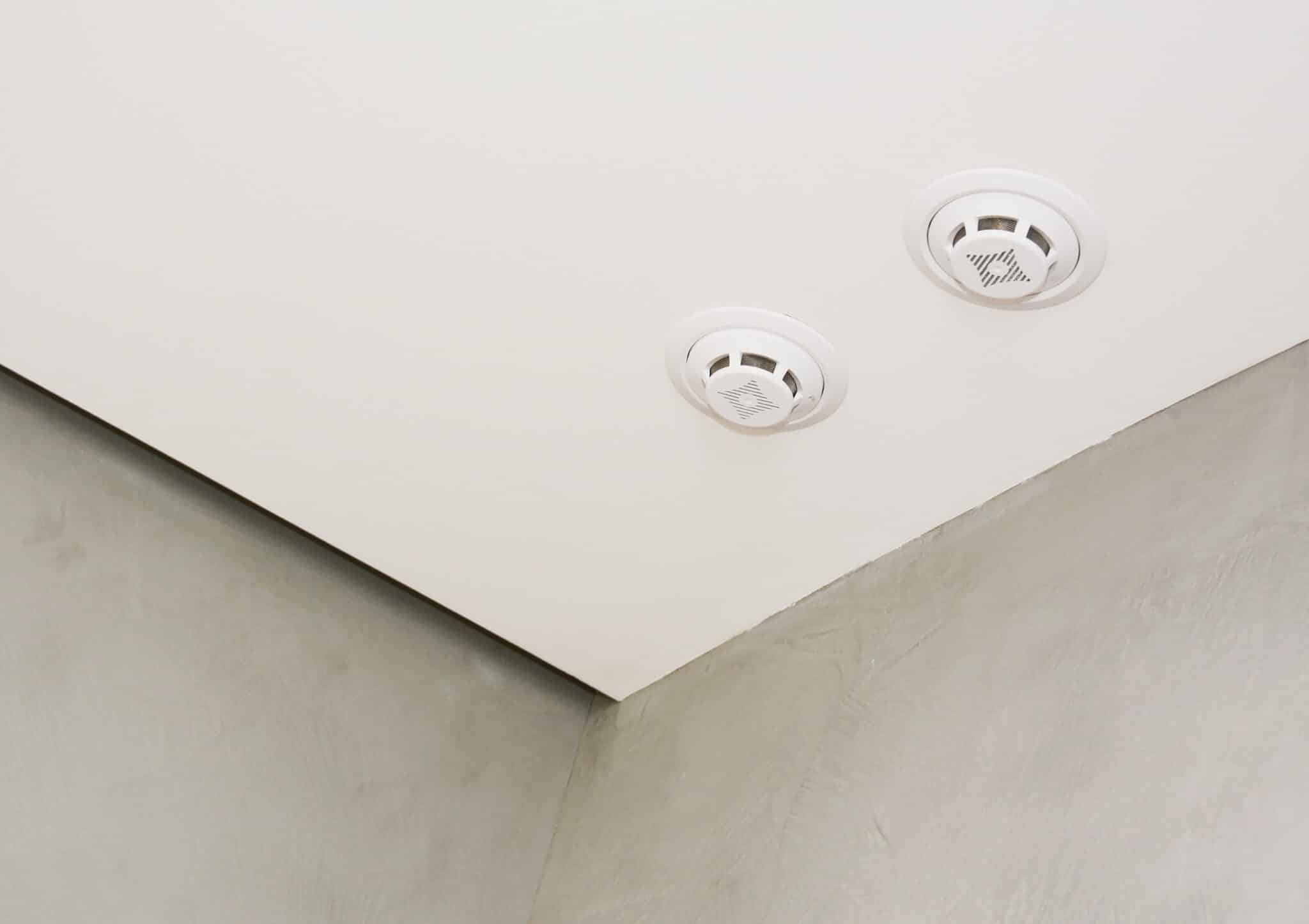
Smoke alarm interlinking means multiple smoke detectors communicate so every unit sounds when any one detects smoke or fire. Interconnected systems send an unmistakable whole-house alert that helps occupants know to evacuate immediately. A common homeowner question asks whether interlinked alarms reduce response time, and the clear answer is yes because simultaneous alerts reach everyone faster. Interconnection also cuts the risk of missing an alarm when a home has distant bedrooms or multiple floors.
- Wired interconnect uses a dedicated conductor inside the cable.
- Wireless interconnect uses radio signals between units.
- Some systems mix wired power with wireless signaling.
- Compatibility matters for listed units to work together.
In wired setups, a third conductor in the cable carries the alarm signal to each device on the same circuit. Electricians check the junction box, continuity at the interconnect conductor, and proper grounding during diagnosis. For wireless options, a professional will test signal strength and perform an on-site functional test to confirm reliable communication. Homeowners often ask if wireless works through finished walls, and the practical reply is that thick masonry and interference can weaken the radio link.
Interconnection logic relies on simple signaling, not constant data exchange, so devices trigger instantly when thresholds are met. Professionals diagnose problems by observing sounds, measuring voltage at the alarm base, and using a continuity test between units when wiring is present. For hybrid installations, a technician inspects the AC feed, checks battery backup function, and records test results for each alarm. If you want a primer on detector types and selection, review the comprehensive smoke detector guide before scheduling an evaluation.
Installation choices affect long-term maintenance and compatibility with future upgrades like carbon monoxide detection. In some areas including Fulshear, TX and larger markets such as Houston, TX, homeowners weigh renovation disruption against system reliability when choosing interconnect methods. A pro can show you readings and photos from the inspection to explain why one method suits your home better. If safety concerns exist after tests, contact a licensed electrician to confirm repairs and ensure whole-home alerting functions correctly.
Why Interlinked Alarms Improve Whole Home Safety
Interlinked alarms reduce confusion during an emergency by producing a single, unmistakable sound throughout the house so occupants know the threat is homewide. That unified alert improves reaction times because everyone hears the alarm at once, even in distant bedrooms or separate living areas. Professionals note that this benefit is strongest when alarms use reliable signaling and consistent power, since intermittent connections can create false negatives. Homeowners who notice uneven alarm volumes or delayed triggers should have a technician inspect the system promptly.
When diagnosing why interlinked systems improve safety, electricians look for where signals originate and whether every device responds during a test. They perform on-site functional tests, check voltage at alarm bases, and run continuity checks on wired interconnect conductors. For wireless links, a tech measures signal strength and observes transmission consistency through common barriers like interior walls. These steps clarify whether the alarm network will alert every occupant reliably in a real event.
Interlinked alarms also help households with mobility or hearing differences by making evacuation cues predictable and easier to act on, especially during night hours when people sleep. In those cases, professionals may recommend additional notification devices such as strobe lights or bed shakers connected to the alarm network. A licensed electrician can explain which compatible notification components work with your alarm brand and how they integrate into the system. For guidance on selecting and mounting devices that meet performance needs, see the smoke detector installation information professionals use.
In larger homes or residences with finished basements, a single isolated alarm can fail to reach occupants on other floors, so interconnection fills that coverage gap effectively. For Texas homeowners, this networked approach reduces the chance a distant alarm goes unheard during a fast-moving fire. If a homeowner suspects weak zones, technicians document readings and provide a written report showing which units failed to respond during testing. Those diagnostics form the basis for recommended repairs or upgrades to restore whole-home alerting.
Wired Interconnect Methods Explained And When To Use
Wired interconnect uses a dedicated conductor that travels between alarm locations, carrying a simple alarm signal rather than full data. Installers route that conductor through outlets or junction boxes and tie it at each alarm base to the interconnect terminal. During a diagnosis an electrician measures continuity on that conductor and checks the AC feed plus battery backup at every device. If a short or open circuit appears, the tech traces wiring in accessible boxes and documents where repairs are needed.
One common wired arrangement pairs the interconnect conductor with the circuit feeding the alarms, often using a 120V feed with a third wire for the signal. Electricians inspect the service panel, confirm proper circuit breaker labeling, and verify that connections in junction boxes remain tight and within the box fill limits. They will also look for shared neutrals or multi-wire branch circuits that can complicate alarm wiring and cause nuisance trips. If the panel shows overloaded circuits or improper neutrals, a licensed electrician recommends correction before completing the interconnect work.
Wired systems excel in reliability because the signal does not rely on radio paths or batteries for connectivity between units. For homes with finished walls, installers sometimes fish new cable through wall cavities or use attic and crawlspace runs to limit drywall repair. In older houses with knob-and-tube or limited wiring, rewiring may be more invasive and homeowners should weigh disruption against long-term reliability. A professional will present photos and voltage readings so you can compare the installation impact to the system dependability.
Professionals also consider hybrid choices that keep AC power wired while using wireless signaling between hard-to-reach zones, providing a practical compromise. During the on-site check a technician tests each alarm’s response, records continuity readings, and verifies the interconnect conductor carries the expected voltage pulse during a manual trigger. If replacing alarms, they ensure new units are listed for interconnection and compatible with existing wiring and notification appliances. For combined smoke and carbon monoxide solutions, ask about coordinated installation and inspection during your service visit to align all detectors correctly.
Wireless Interconnect Options Explained And Installation Decisions
Wireless interconnect options use radio frequencies to link alarms without running new conductors through finished walls. Installers choose between proprietary mesh systems and units that follow open standards depending on compatibility needs. A professional evaluates signal strength from desired alarm locations before final placement to prevent dead zones.
- Battery-operated wireless alarms work without home power.
- AC-powered wireless alarms include battery backup.
- Mesh networks reduce single-point failures.
- Proprietary links may limit future unit choices.
When deciding, electricians consider interference from appliances, metal ducts, and dense insulation that reduce radio performance. They perform a walk-through, trigger a test alarm, and observe which units respond during a functional test. Technicians may use a voltage reading at powered bases and a signal-check procedure to document weak links. Hybrid setups sometimes solve coverage gaps by pairing wired power with wireless signaling for remote zones.
Compatibility matters because mixed brands sometimes fail to interoperate consistently during a real event. A pro confirms listed interconnect compatibility and may recommend replacing mismatched units for dependable whole-home alerting. Smart features like app alerts can add convenience but require evaluation for latency and battery drain before installation. For homes wanting integrated notification devices or automation, consider professional smart home device installation to ensure the alarm network performs correctly across the house and in Houston, TX.
Code Driven Placement Strategies For Every Home Layout
Codes influence not only which rooms need detectors but the spacing and path of interconnect wiring through the structure. Electricians plan device locations to keep interconnect conductors accessible in junction boxes and to avoid running signal wires alongside high-interference cables. During an inspection professionals verify device listings and document whether each alarm placement meets code-required proximity to sleeping areas and exit routes. If your layout includes long corridors or split-level bedrooms, plan for additional units to maintain required coverage.
Where codes require alarms on each level, installers often place devices near stairways and hall openings to detect rising smoke quickly. Technicians check for proper mounting height and distance from cooking appliances to reduce nuisance alarms while preserving early detection. A professional diagnosing placement problems will perform walk-through tests, trigger alarms at selected locations, and record which units respond across floors. These test outcomes guide relocating units or adding devices to meet code-driven coverage goals.
In homes with mixed wiring methods, codes may allow wireless links only when listed as an acceptable interconnect solution for that application. A tech confirms listed compatibility between wireless and hardwired units and documents that battery backups are installed where required by code. During an electrical inspection professionals examine junction boxes, check circuit breaker assignments, and verify the interconnect conductor termination points. For more information on what an inspection covers, review the detailed electrical inspections service description before scheduling a visit.
Special occupancies like finished basements and attached garages have distinct placement considerations to comply with safety rules and minimize false alarms. In those areas technicians may recommend heat alarms, combination units, or additional detectors positioned to protect egress paths. For Texas homeowners balancing code requirements and living comfort often means professionals propose specific mounting locations and test results. If any work requires licensed electricians in Houston, TX, review why a pro matters and how they confirm code compliance before proceeding.
Common Causes Of Interconnect Failures And Why They Happen
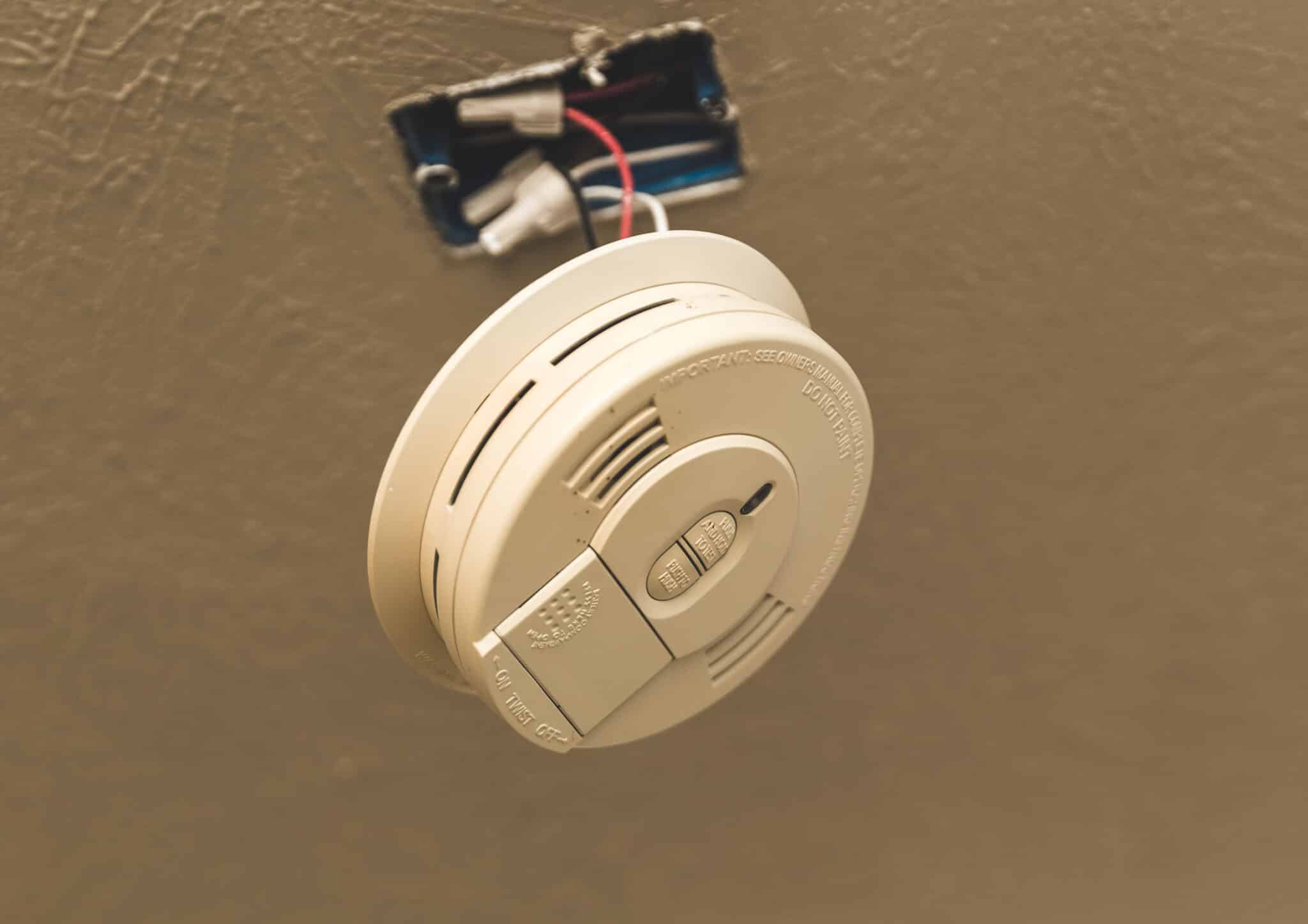
Loose or corroded connections at alarm bases often cause interconnect failures because the signal path becomes intermittent. Technicians inspect junction boxes and perform a continuity test across the interconnect conductor to confirm a complete circuit. They also look for overheated terminals, which indicate poor connections or overloaded circuits needing correction. If corrosion or a loose screw appears, a professional recommends repair or replacement to restore reliable signaling.
Incorrect or incompatible replacement alarms can break the interconnect because differing voltage or signaling protocols prevent units from recognizing triggers. A professional checks model listings and the manufacturer’s compatibility notes before recommending swaps and may replace mismatched units for consistent operation. During diagnosis an electrician may record voltage readings at alarm bases and test function with a manual trigger to observe whether all units respond. Homeowners who mix brands should expect a compatibility review during service.
Physical damage to wiring from renovations or rodents can open the interconnect conductor and stop whole-home alerts until the wiring is repaired. Electricians trace the run through accessible attic and crawl spaces and inspect junction boxes for signs of damage or splices made outside code. They may perform a voltage reading and then a continuity test to find the damaged segment before proposing a repair path. In some cases installers reroute cable through a safer path to prevent repeat damage.
For wireless links, interference from nearby electronics or dense building materials can weaken radio signals and cause missed triggers between units. Professionals perform a signal-strength check and a live functional test at each proposed location to reveal dead zones needing additional units or repositioning. They may recommend hybrid solutions where mains-powered alarms handle critical zones and wireless units cover remote or finished areas. If signal issues persist, consult a licensed electrician for documented test results and repair options.
Battery failures and poor battery seating also lead to false negatives when an alarm cannot transmit or receive the interconnect pulse reliably. During an inspection technicians check battery contacts, confirm correct battery type, and test backup operation while verifying AC feed presence at powered bases. They document test outcomes, including recorded voltages and photos, to justify replacement or maintenance steps. Regular checks reduce the chance of a silent interconnect failure at a critical moment.
Warning Signs To Act On And When To Call A Professional
If alarms sound only sporadically during tests, that pattern can indicate interconnect signal loss or failing components needing inspection. A professional will verify voltage at each alarm base and run a continuity test on any wired interconnect conductors. They also perform functional tests that record which units respond and note failures for repair recommendations. If you notice repeated silence from some rooms, contact an electrician to prevent a dangerous unnoticed event.
- Unusual chirping that does not stop suggests a battery or connector issue.
- Different alarm tones across units can mean incompatible models are present.
- Visible corrosion or soot near a detector requires immediate inspection.
- Intermittent triggers during cooking may point to placement or sensor type problems.
Rapid or recurring false alarms often mean sensors are dirty, poorly placed, or electrically unstable and need diagnosis. An electrician inspects mounting, checks for loose wiring in junction boxes, and measures voltage stability during triggers to find root causes. They may also document test results and photos to support corrective actions like repositioning or replacing affected detectors. Homeowners who hear frequent false alerts should schedule a diagnostic visit to avoid alarm complacency.
When only wireless units fail to trigger together, a technician performs signal-strength checks and may move devices temporarily to isolate interference sources. They will test through walls and ceilings, measure radio link consistency, and verify battery voltage under load for each wireless alarm. If problems persist, a hybrid solution or replacement of aging wireless modules may restore reliable whole-house alerts. For loft or attic runs that affect signal paths, review the attic wiring safety checklist before routing or repositioning equipment.
Maintenance Steps Homeowners Should Take And What Pros Check
Homeowners should test interlinked alarms monthly using the unit’s built-in test button to confirm simultaneous activation across devices. During a test, note which rooms respond and record any units that do not sound for technician review. If an alarm fails to trigger other units, save photos and a short note about where the silence occurred for the service call. For guidance on safe procedures around electrical devices, consult the electrical safety information professionals use.
Keep batteries fresh and seated correctly, replacing them annually or when the alarm chirps to maintain backup power for AC-equipped units. Clean detectors gently with a vacuum brush attachment and avoid spraying cleaners near sensors to prevent damage or false alarms. Check alarm bases and junction boxes for loose wiring or discoloration and report any heat or burn marks to a licensed electrician. Technicians use voltage readings and continuity tests to confirm reliable power and interconnect paths during service.
Rotate alarm locations during a maintenance check by temporarily triggering one device and observing response times on distant units to spot slow or missed signals. For wireless networks, note any consistent delay or failure patterns that suggest interference or weak mesh links needing professional tuning. A pro will record signal-strength measurements and may perform a manual trigger test while monitoring voltage at hardwired bases. Homeowners in Fulshear, TX who document these observations help technicians target repairs faster.
Professionals inspect mounting integrity, battery contacts, and the alarm’s manufacture date to determine end-of-life replacement needs rather than repeated repairs. During a service visit, they will verify interconnect conductor continuity, check circuit breaker assignments, and run on-site functional tests to confirm whole-home alerting. Technicians provide a written report with recorded voltages, test results, and recommended actions for any failed components or placement changes. If you need an evaluation or repairs, schedule a licensed electrician to confirm reliable smoke alarm interlinking across your house.
Frequently Asked Questions
How does smoke alarm interlinking improve home safety?
Interconnected alarms ensure every alarm in the house sounds when one detects smoke, reducing the chance someone sleeps through a single alarm. Faster whole-home notification shortens escape time and helps occupants find safe exits more quickly. Professionals diagnose interconnect problems by checking power at the panel, continuity at junction boxes, and wireless signal strength. If you suspect wiring or interconnect faults, stop testing and hire a licensed electrician to avoid shock or code violations.
Wired vs wireless interconnect, which is more reliable?
Wired interconnects usually offer consistent, low-latency signaling because they share a physical circuit between alarms. Wireless systems provide flexible installation and work well where running new cable would damage walls. For homes with existing wiring, wired systems often prove more reliable, but pairing wireless backup improves redundancy. If you suspect wiring issues or need circuit changes, stop and call a licensed electrician to avoid shock and code violations.
Where must alarms be placed to meet code requirements?
Code generally requires alarms inside each bedroom, outside sleeping areas, and on every home level including basements. Smoke alarm interlinking is often required where multiple alarms serve sleeping areas for immediate whole-home notification. Install alarms on or near ceilings and keep units at least 10 feet from cooking appliances to avoid nuisance alarms. If wiring or placement feels unclear or risky, stop and hire a licensed electrician to ensure code compliance and safe installation.
How do professionals diagnose interconnect failures?
A professional starts by reproducing the fault with coordinated test buttons and observing which units fail to sound. They inspect wiring at junction boxes and panels, checking continuity and proper connection of the interconnect conductor. For wireless systems they verify signal strength, module power, and possible radio interference with a handheld tester. If any open circuits, damaged wiring, or unreliable wireless links appear, stop and call a qualified electrician because live wiring and alarm reliability involve safety risk.
Can mixed-brand alarms work in an interlinked system?
Mixed-brand alarms sometimes work together when manufacturers support the same interconnect standard or use a neutral signaling method. Compatibility often depends on whether devices use a wired 3-wire interconnect, a proprietary wireless protocol, or a universal wireless relay. Test interconnected operation after installation and consult product manuals, because mismatched signaling can prevent whole-home alerts. If you suspect incompatibility or see inconsistent alarms, stop using the system and hire a licensed electrician to inspect and correct the installations for safety.