




Smart thermostat wiring is a task that requires precision and understanding, especially in today’s tech-savvy homes. Whether you’re in Katy, TX, or the surrounding areas, the importance of getting it right cannot be overstated. It’s not just about ensuring your home stays at the perfect temperature, it’s also about integrating your heating and cooling systems with the latest technology for efficiency and convenience. With the right approach, smart thermostat installation can be a smooth process that enhances your home’s comfort and energy management.
However, diving into smart thermostat wiring without a clear plan can lead to complications. From ensuring proper wire terminations to conducting thorough power checks, each step is crucial. Residents in Conroe and beyond are increasingly adopting smart thermostats for their ability to learn from their habits and adjust accordingly, making understanding the do’s and don’ts of installation paramount. This guide aims to shed light on these critical steps, ensuring your smart thermostat functions flawlessly.
Power checks are an essential part of smart thermostat wiring, as they ensure the safety and effectiveness of your installation. Before proceeding, it’s vital to understand your system’s compatibility and the specifics of control wiring. This not only prevents potential damage but also guarantees that your thermostat operates at its best. Whether you’re upgrading your system in Katy, TX, or installing a new one elsewhere, taking the time to perform these checks can save you from future headaches.
In conclusion, smart thermostat wiring is more than just connecting wires, it’s about ensuring your home’s heating and cooling systems are efficient, reliable, and smart. By following proper wire terminations, conducting power checks, and understanding control wiring steps, homeowners in Katy, TX, Conroe, and beyond can enjoy the full benefits of their smart thermostats. Stay tuned as we delve deeper into the specifics of smart thermostat wiring, ensuring you’re equipped with the knowledge to make your home smarter and more comfortable.
Understanding Smart Thermostat Wiring Basics
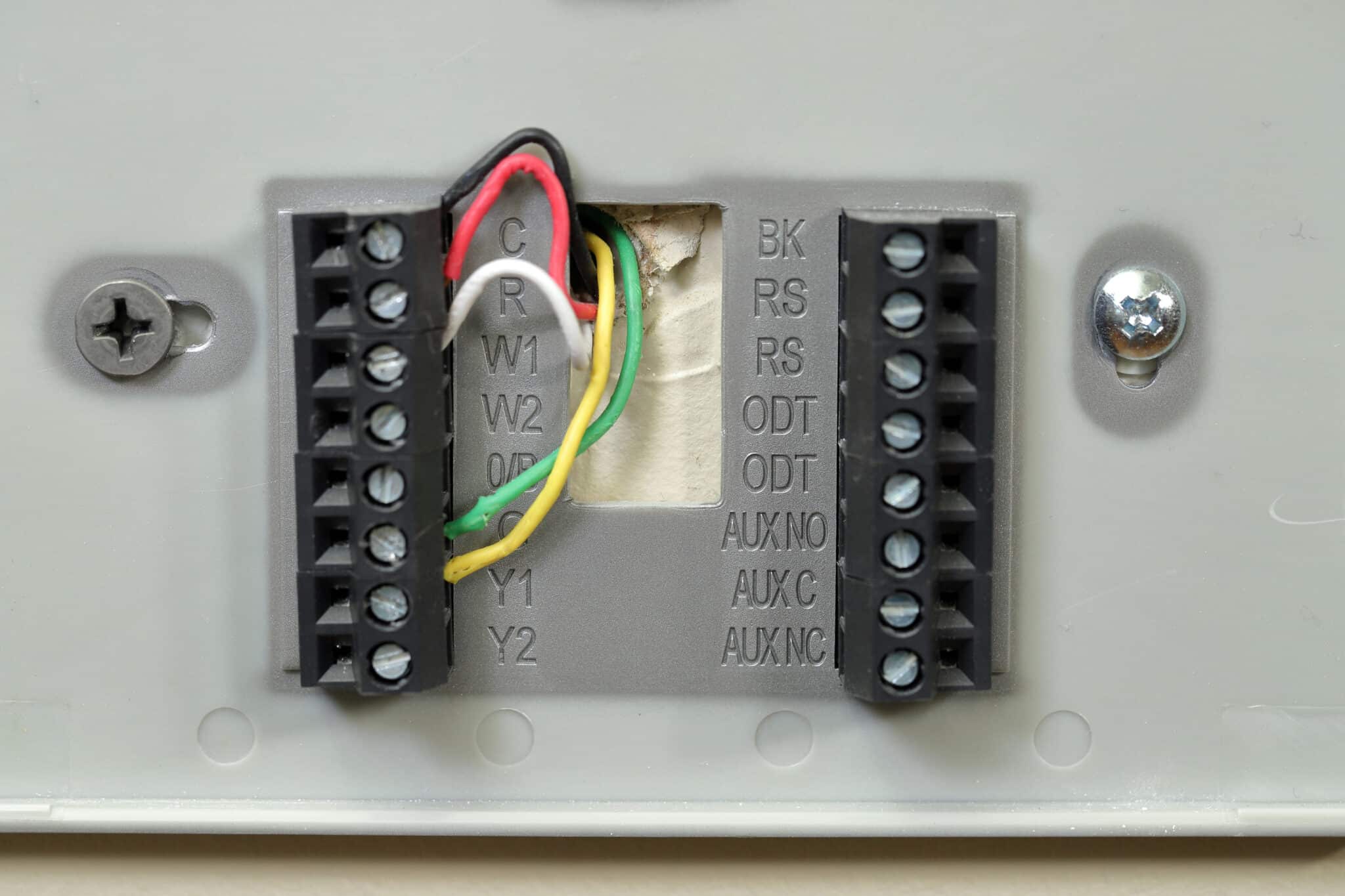
Understanding the basics of smart thermostat wiring is crucial for homeowners in Katy, TX, and beyond. The process begins with identifying the type of heating and cooling system you have. This knowledge is essential because it determines the compatibility of your smart thermostat. Most systems require a common wire, often referred to as a C-wire, to provide continuous power for features like Wi-Fi connectivity and the display.
When preparing for installation, turning off the power to your HVAC system is a must. This step is critical to ensure your safety and protect your equipment from any electrical damage. In Conroe and other areas, it’s advisable to use a voltage tester to confirm the power is indeed off. Skipping this step could lead to serious injury or damage to your smart thermostat and HVAC system.
Next, carefully remove your old thermostat to examine the wiring. Take a photo or make a note of where each wire connects. This action will serve as a valuable reference when you connect your smart thermostat. It’s important to ensure that each wire is securely fastened to the correct terminal. Loose or incorrect wire connections can cause your system to malfunction or not work at all.
Finally, after installing your smart thermostat, conduct a power check and initial setup according to the manufacturer’s instructions. This process often involves configuring your thermostat via a smartphone app, which allows for control over your home’s heating and cooling from anywhere. Residents in Katy, TX, and other cities will find that taking the time to properly set up their smart thermostat can lead to enhanced comfort and energy savings. By following these basic steps, you can ensure your smart thermostat wiring is done correctly, paving the way for a smarter, more efficient home.
Tools and Materials You Need for Smart Thermostat Wiring
Before diving into the intricacies of smart thermostat wiring, gathering the right tools and materials is crucial. A screwdriver, wire strippers, and a level are essential for ensuring a smooth installation process. Additionally, having labels or tape on hand to mark wires can prevent confusion later on. Residents in Katy, TX, will find that being prepared with these items makes the wiring process more straightforward and less time-consuming.
Understanding the wiring requirements for your smart thermostat is also key. Most models come with a guide that outlines what each wire does, but if you’re unsure, a multimeter can be invaluable. This tool helps you verify the function of each wire, ensuring you’re connecting them correctly. People in Conroe and other areas should remember that correct wire identification is critical for the thermostat to function properly.
Another important material is the thermostat’s mounting hardware, which typically includes screws and wall anchors. Ensuring you have the right size drill bit for the anchors can make the mounting process easier. For homeowners in Katy, TX, making sure the thermostat is level when mounted is not just about aesthetics, it can affect the device’s accuracy and performance.
Lastly, having a smartphone or tablet handy is beneficial for the final setup and configuration of your smart thermostat. Most smart thermostats require an app for the initial setup, which allows you to connect the device to your home Wi-Fi network and customize settings. This step is crucial for residents in Conroe, as it unlocks the full potential of their smart thermostat, enabling remote control and monitoring of their home’s temperature.
Common Mistakes to Avoid in Smart Thermostat Wiring
When installing a smart thermostat, a common mistake is overlooking the necessity of a C-wire for continuous power. Homes in Katy, TX, with older HVAC systems might not have this wire, leading to issues with maintaining Wi-Fi connectivity and the thermostat’s display functions. It’s crucial to check for a C-wire before installation or consider getting a professional to install one. This foresight can save you from future problems and ensure your thermostat works efficiently.
Another frequent error is failing to turn off the power to the HVAC system before starting the wiring process. This oversight can not only be dangerous but may also damage your new smart thermostat or your home’s electrical system. Residents in Conroe should always use a voltage tester to confirm the power is off. Taking this precautionary step can prevent accidents and protect your equipment.
Incorrectly wiring the thermostat is also a common pitfall that can lead to heating and cooling malfunctions. Each wire in the thermostat has a specific function, and mixing them up can cause your system to operate incorrectly or not at all. It’s essential to carefully follow the manufacturer’s wiring diagram and double-check each connection. Proper wiring ensures your thermostat controls your home’s temperature accurately and efficiently.
Lastly, neglecting to set up the thermostat’s software correctly can hinder its performance. Many smart thermostats require a connection to your home’s Wi-Fi network and specific settings configured through an app. Without these steps, homeowners might not be able to use all the features their smart thermostat offers, such as remote control and energy usage reports. Ensuring a complete setup can enhance your home’s comfort and energy efficiency, making the most of your smart thermostat’s capabilities.
How to Check Power and Voltage for Your Thermostat
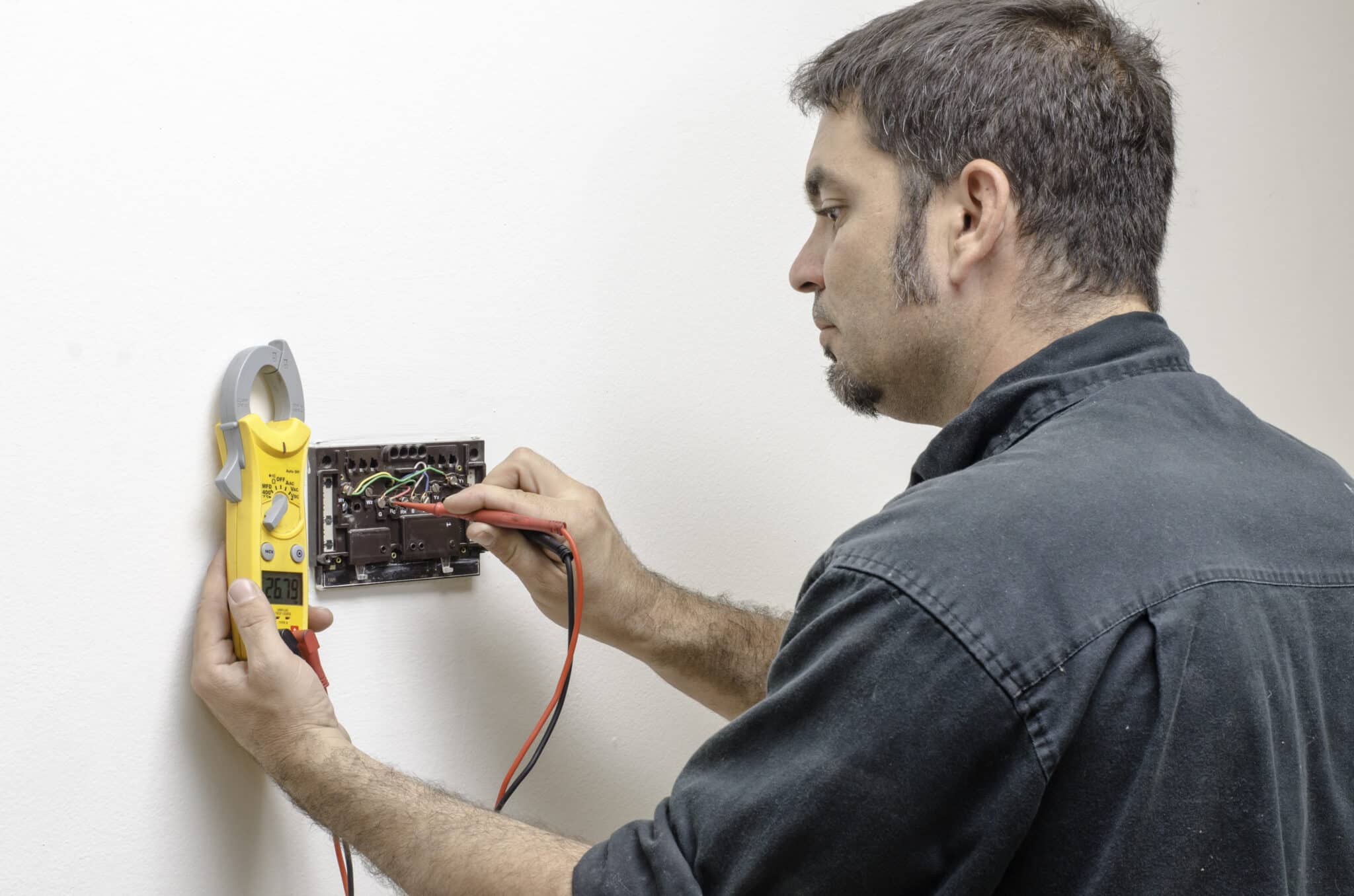
Checking the power and voltage for your smart thermostat is a critical step in the wiring process. Before you begin, ensure the power to your HVAC system is completely turned off. This precaution, crucial for safety, can be verified with a voltage tester. Residents in Katy, TX, will find this step indispensable for preventing potential electrical hazards.
Once you’ve confirmed the power is off, it’s time to examine the wiring. A multimeter becomes an essential tool at this juncture, allowing you to check each wire for proper voltage levels. This step is particularly important in Conroe, where varying HVAC systems might present unique challenges. Correct voltage readings ensure that your smart thermostat will receive the power it needs without risking damage.
After verifying the correct voltage, you can proceed to connect the wires to your smart thermostat. It’s vital to follow the manufacturer’s wiring diagram closely to avoid any mistakes. Each wire plays a specific role in the operation of your thermostat, incorrect connections can lead to malfunctions. This attention to detail ensures your smart thermostat’s wiring is both safe and effective.
Finally, restoring power to your HVAC system is the last step before setup. Once power is back on, carefully monitor your smart thermostat for any error messages or issues. This moment is crucial for catching any potential problems early. By taking these steps, homeowners ensure their smart thermostat wiring is correctly powered, paving the way for efficient and reliable home temperature control.
Smart Thermostat Wiring Tips for Multi-Zone Systems
When working with multi-zone systems, understanding the nuances of smart thermostat wiring becomes even more critical. Each zone in your home, whether in Katy, TX, or elsewhere, requires precise control for optimal efficiency and comfort. This means ensuring that the wiring for each thermostat is correctly installed and configured to communicate effectively with your HVAC system. Proper installation helps avoid common issues like uneven heating or cooling across different areas of your home.
In multi-zone systems, it’s essential to pay attention to the specific requirements of each zone. For instance, a sunlit room in Conroe might have different temperature needs compared to a basement. Smart thermostat wiring should take these variations into account, allowing for adjustments that cater to the unique characteristics of each zone. This level of customization not only enhances comfort but also contributes to energy savings by avoiding unnecessary heating or cooling.
Another important aspect is the integration of smart thermostats with your home’s existing wiring. In some cases, additional wires may be necessary to support multi-zone functionality. It’s crucial to consult the wiring diagram provided by the manufacturer and, if needed, seek professional assistance. This ensures that each thermostat is properly powered and capable of controlling its designated zone without interference.
Finally, testing each zone after installation is key to confirming that your smart thermostat wiring is correctly set up. Turn the power back on and observe how each zone responds to the thermostat settings. Any issues should be addressed promptly to ensure that your multi-zone system operates seamlessly. By following these steps, homeowners can enjoy the full benefits of smart thermostat technology, achieving both comfort and efficiency in every part of their house.
Troubleshooting Common Smart Thermostat Wiring Issues
Troubleshooting common smart thermostat wiring issues starts with identifying the problem. In Katy, TX, homeowners might notice their thermostat not turning on or failing to control the temperature accurately. This could be due to incorrect wiring or a lack of power supply. Checking the wire connections against the manufacturer’s diagram can often resolve this issue quickly.
Another frequent challenge is the thermostat losing its connection to Wi-Fi. This problem, not unique to Conroe, can stem from an improperly connected C-wire, which powers Wi-Fi and other features. Ensuring this wire is securely and correctly connected can restore functionality, allowing for remote control and monitoring.
Sometimes, the issue may be with the HVAC system not responding to the thermostat’s commands. This could indicate a problem with the control wiring or the thermostat’s configuration. Residents should verify that the thermostat is correctly set up for their specific type of HVAC system, which might involve adjusting settings within the thermostat’s app or software.
Lastly, if a smart thermostat frequently turns the heating or cooling on and off, it might be misinterpreting the room’s temperature. Placing the thermostat away from direct sunlight, drafts, or other heat sources in your home can solve this issue. Proper placement ensures accurate temperature readings, leading to more efficient heating and cooling.
When to Call a Professional for Smart Thermostat Wiring
While smart thermostat wiring is a task many homeowners feel confident tackling, certain complexities may necessitate the expertise of a professional. In Katy, TX, where technology and comfort are paramount, an incorrectly wired smart thermostat can lead to inefficiencies and even safety hazards. Professionals bring not only their expertise in wiring but also a deep understanding of HVAC systems, ensuring that your smart thermostat is installed correctly and configured to your home’s specific needs. Their skill set is particularly valuable when dealing with advanced features that require detailed setup.
In scenarios where homeowners in Conroe encounter persistent issues with their smart thermostat, such as connectivity problems or irregular heating and cooling patterns, calling in a professional becomes crucial. A trained technician can diagnose and resolve issues that might not be apparent to the average user. They can ensure that all components of the HVAC system are communicating correctly with the smart thermostat, a task that requires a nuanced understanding of both electrical wiring and smart technology.
For those who have attempted DIY smart thermostat installation and encountered problems, a professional’s input can be invaluable. They can quickly identify whether the issue lies in the wiring, the thermostat itself, or elsewhere in the HVAC system. Residents in Katy, TX, and surrounding areas benefit from the peace of mind that comes with having a properly installed and functioning smart thermostat, thanks to the meticulous attention to detail that professionals provide.
Ultimately, while the allure of DIY smart thermostat installation is strong, recognizing when to call in a professional is key to ensuring your home’s comfort and efficiency. Whether it’s due to the complexity of the wiring, the specifics of the HVAC system, or troubleshooting persistent problems, professional expertise can save time, money, and frustration. For homeowners in Conroe and beyond, investing in professional smart thermostat wiring services ensures optimal performance and longevity of their smart home systems.
Frequently Asked Questions
What tools are needed for smart thermostat wiring?
For smart thermostat wiring, you’ll need a few essential tools. Start with a screwdriver, wire stripper, and a voltage tester to ensure safety. A small set of pliers can also be handy for securing connections. Lastly, don’t forget a smartphone or tablet to install the manufacturer’s app for setup and troubleshooting.
How do I identify wire types?
Identifying wire types in smart thermostat wiring is straightforward. First, look at the wire colors, each color usually stands for a different function. For example, red wires often supply power, while yellow wires might control the air conditioner. Always check the manual for your specific thermostat model, as wire color codes can vary.
Can I install a smart thermostat myself?
Yes, you can install a smart thermostat on your own with some basic DIY skills. First, make sure you turn off the power to avoid any risks. Then, follow the manufacturer’s instructions closely to connect the wires correctly. Finally, downloading the app will help you complete the setup and enjoy your new smart thermostat.
What are common smart thermostat wiring mistakes?
When working on smart thermostat wiring, common mistakes include not turning off the power, leading to safety hazards. People often mix up wire connections, causing the system to malfunction. Skipping the step of securing wires firmly results in loose connections over time. Lastly, failing to follow the specific wiring guide for the thermostat model can prevent the system from working properly.
Is turning off power necessary for smart thermostat wiring?
Turning off the power is a crucial step in smart thermostat wiring. This ensures your safety and protects the device from damage. Without doing so, you risk electrical shock or short-circuiting your system. Always check that the power is off before starting your work.